Bursa sits at a crossroads. It isn’t just a city. It is a timeline.
The numbers don’t lie. The area covers 10,882 square kilometers. The population? Nearly 2.8 million people call it home. If you are driving, you will see the license plate code 16 everywhere. The area code is 224. These details matter when you are trying to navigate logistics, book hotels, or just understand the scale of the place.
But the real story isn’t in the stats. It is in the streets.
How Bursa Became a Cultural Hub
Bursa is not new. It is old. Really old.
The first major power to establish control here was the Bitynians. They ruled in the 2000s BC. Back then, the city was not called Bursa. It was known as Prosa. That name comes from the era of the Kingdom of Bitynia.
Power shifts fast in Anatolia. After the Bitynians, the Lydians took over. Then the Persians. Then Alexander the Great. The Roman Empire followed. Then the Byzantines. Each left a mark. Each left a layer.
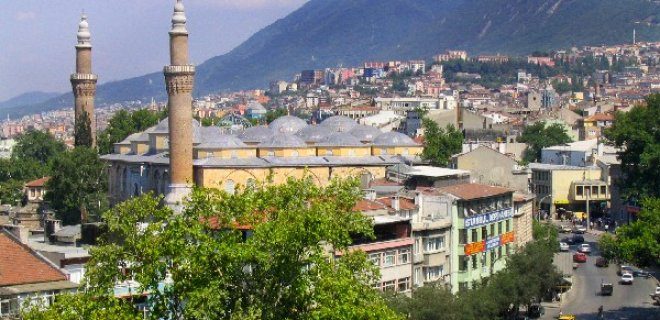
This constant turnover explains why the architecture feels so dense. You walk around and see Greek ruins. You turn a corner and see Ottoman mosques. It is a stacked history book made of stone.
The Ottoman Capital Legacy
Why does this matter for your trip?
Because Bursa was the first capital of the Ottoman Empire. It was the beginning. The empire started here before moving to Edirne and then Istanbul. This makes it uniquely important.
You can still see the evidence. The city is filled with Ottoman-era structures. They are not replicas. They are the original buildings. This is why travelers seeking authentic history often skip Istanbul for Bursa. They want the source, not the sequel.
Navigating the 17 Districts
If you plan to explore beyond the center, you need to know the map. Bursa is not one single urban blob. It is broken down into 17 distinct districts.
Knowing which district you are in changes everything. The vibe, the food, and the activities shift with each border.
Here is the list you need to keep in mind:
– Büyükorhan
– Gemlik
– Gürsu
– Harmancık
– İnegöl
– İznik
– Karacabey
– Keleş
– Kestel
– Mudanya
– Mustafakemalpaşa
– Nilüfer
– Orhaneli
– Orhangazi
– Osmangazi
– Yıldırım
– Yenişehir
Nilüfer and Osmangazi are the modern hubs. You will find malls and universities there. Yıldırım holds the historic core. Mudanya and Gemlik pull you toward the coast. İznik takes you back to Roman times.
Practical Details for Your Itinerary
When planning your stay, keep the traffic code and area code in mind. It helps with ride-sharing apps and local calls.
The population density is high in the central districts. Expect movement. Expect noise. But expect it to be vibrant.
The history is the main
Bizans İmparatorluğu’nun binlerce kilometrekarelik toprağı, yüzyıllar boyunca el değiştirdi. Savaşlar yağdı. Sınırlar çizildi, silindi, yeniden çizildi. Ama Bursa’nın kaderi farklıydı. 1071 Malazgirt Zaferi’ne kadar şehrin kontrolü değişmedi. Neden? Coğrafi konum. Torosların eteği. Denize kıyısı olmaması. Bu izolasyon, onu uzun süre Bizans’ın kalın bir kabuğunun altında tuttu.
Ancak Malazgirt’ten sonra her şey değişti. Anadolu kapıları aralandı. Bursa ve İznik çevresi, yeni gelen Türk boyları için tampon bölge haline geldi. Burası savaş alanı değildi. Burası bir bekleme odasıydı.
Osman Bey, çadırını kurduktan sonra hedefi netti. Sadece toprak değil. Lojistik. İznik. Kestel. İnegöl. Bu üç nokta, Bursa’ya giden yolu açan anahtar kelimelerdi. Osman Bey, bu bölgeleri devlet topraklarına katmaya başladı. Yavaş. Dikkatli.
“Toprak kazanmak zordur. Toprağı idare etmek daha zordur.”
İznik’in düşüşü, sadece bir şehir değil, bir başkent projesiydi. Ama Bursa… Bursa farklı bir hikaye anlatıyordu.
- Osman Bey vefat etti. Ama Bursa henüz Osmanlı’nın tam kontrolünde değildi. Kuşatma devam ediyordu. Oğlu Orhan, babasının mirasını devraldı. Ve 1326 yılında, Bursa tamamen Osmanlı topraklarına katıldı.
Bu tarih, sadece bir fethin bitiş tarihi değil. Bir başkentin doğuşuydu. Bursa, yeni bir düzenin merkezi olmaya hazırlanıyordu. İznik ile Konya arasındaki o gri alık artık tamamen Türklerin elindeydi.
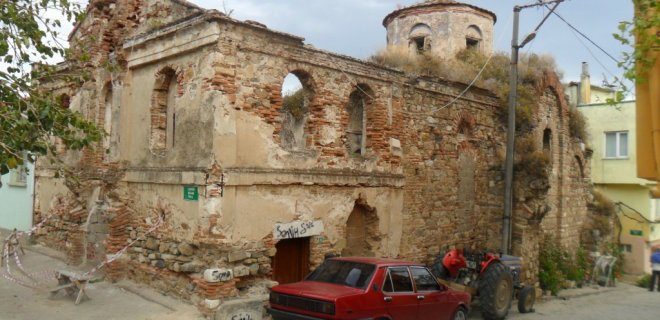
Savaş bitti mi? Hayır. Savaşın şekli değişti. Artık savunma değil, kurulum vardı. Camiler. Hanlar. Hamamlar. Bursa’nın taşları, bu yeni dönemin sessiz tanıklarıydı.
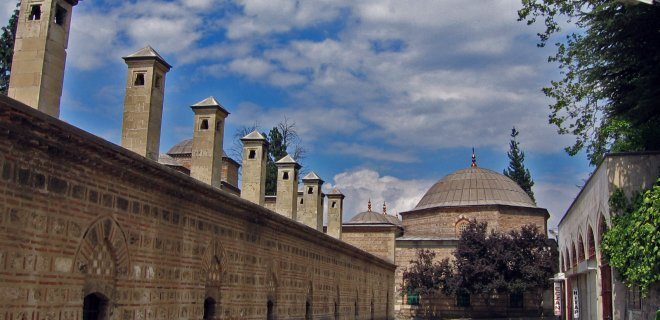
Why Bursa Became the Ottomans’ Second Capital
Orhan Gazi moved the Ottoman capital here from Söğüt. It wasn’t an accident. It was strategic. Bursa became the second capital. The first had been too small. Too remote.
This city is not just a relic. It is a living, breathing economic engine. By 1987, it achieved Metropolitan Municipality status. That wasn’t just a title change. It was a signal. The city had outgrown its old boundaries. It kept growing. Faster. Louder. Today, it sits comfortably among Turkey’s top four cities. Not by accident. By sheer weight of population, industry, and history.
The Economic Mix: Beyond Tourism
People think Bursa is only about museums and tea. Wrong.
The economy here is a tangled web. Agriculture feeds the region. But it’s not just farming. Tourism pulls in millions. Then there’s the heavy lifting. Manufacturing. Trade.
- Agriculture: Olives, citrus, silk. The land gives.
- Tourism: Historical sites, thermal springs, ski resorts.
- Industry: Automotive parts, textiles, food processing.
- Trade: A logistics hub connecting East and West.
You can’t separate these. They feed each other. A tourist visits the Grand Mosque. Buys local silk. Eats Bursa kebab. Drives away in a car made in the industrial zone. It’s a cycle. A self-sustaining loop.
How to Plan Your Visit Around the Real Economy
If you’re planning a trip, don’t just chase the Ottoman ruins. Look deeper.
When to go:
Spring and autumn are best for agriculture tours. Summer draws the industrial crowd. Winter brings skiers to Uludağ.
Where to go:
– Ulu Cami: Not just for prayer. For architecture.
– Tophane Park: For views. For history.
– Organized Industrial Zones: For scale. For understanding how the city works.
What to expect:
Prices vary. Industrial areas are busy. Quiet. Historical zones are crowded. Expensive. Plan your budget. Factor in transport. Bursa is big. Very big.
You’ll find more than stone and mortar here. You’ll find motion. Energy. A city that refuses to stand still.
Does that excite you? Or scare you?
It doesn’t matter. The city moves forward. Whether you ride the wave or watch from the shore. That’s up to you.
The next part? It’s about the food. And how it ties into all of this.
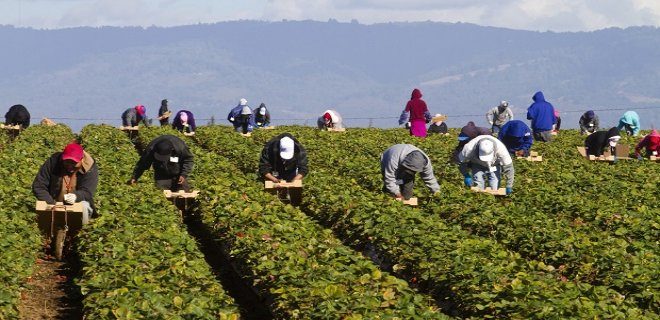
The Soil That Feeds the Region
The land here doesn’t just tolerate farming. It demands it. The climate is practically designed for agriculture. You can see the results in the fields. It’s not just traditional methods either. Modern machinery is standard here. Farmers use tractors and irrigation systems that boost yields significantly. The result is an abundance of crops that you won’t find in colder climates.
Look at the grains. Wheat, barley, and oats grow in thick waves. Corn and legumes fill the silos. But there’s more. Anise and sesame are common sights. These aren’t just side crops. They’re major exports. The soil is rich. The sun is relentless. Together, they create a harvest that’s hard to match elsewhere.
Oranges, Olives, and Summer Produce
Farming here isn’t limited to grains. The orchards are dense. Fruit production is everywhere. You’ll find peach trees heavy with summer weight. Grapevines climb trellises. Apple groves stretch across hillsides. Chestnuts and cherries add variety to the palette. Apricots dry in the sun. Strawberries color the baskets. It’s a farmer’s paradise.
Vegetables are just as vital. Eggplants. Peppers. Tomatoes. Onions. Potatoes. Cucumbers. The variety is staggering. Every market stall reflects this diversity. And then there’s the olive oil. Olive cultivation is deeply rooted in the region’s culture. The groves are ancient. The harvest is seasonal. But the product lasts. It’s the backbone of local cuisine.
Why This Region Works for Travelers
You might wonder why this matters for your trip. It’s simple. The food is fresh. The markets are vibrant. The prices are low. You’re eating what’s grown a few miles away. That’s a rare experience in modern travel.
Consider timing. Visit during the harvest season. Late summer into early autumn. The air smells like anise and ripe tomatoes. The streets are busy with trucks carrying produce. It’s chaotic. It’s beautiful. It’s real.
Compare this to a supermarket in a big city. The food there is weeks old. Here, the distance from soil to plate is minutes. That changes everything. It changes the flavor. It changes the experience.
What to Look For
- Anise products : Look for local spirits and teas. They’re unique to the region.
- Dried apricots : These are sweet. They’re soft. They’re worth the extra cost.
- Olive oil : Buy it fresh. Check the harvest date. It’s liquid gold.
- Seasonal fruits : Eat what’s in season. Strawberries in spring. Grapes in fall.
Logistics are easy. Most farms have roadside stands. Pay cash. Talk to the farmer. They’re proud of their work. They’ll tell you stories. You’ll leave with more than groceries. You’ll leave with a memory.
Is there anything better than eating a tomato that tasted like sunlight? Probably not. The region delivers.
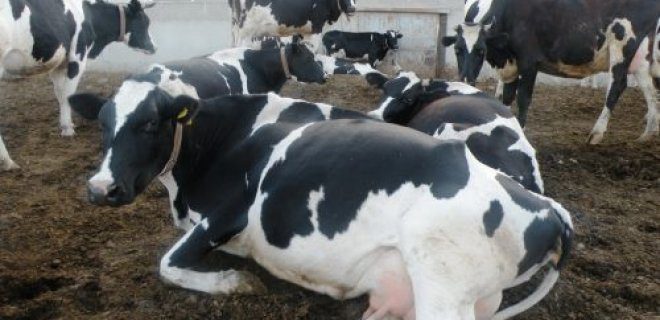
Livestock and Forestry: The Hidden Engines of Bursa’s Economy
You might picture Bursa through the lens of its historic baths and Ottoman palaces, but the real pulse of the local economy beats in its pastures and forests. Livestock isn’t just a tradition here; it is a dominant economic force. The region’s vast grazing lands are practically tailor-made for sheep and goat farming, offering resources that are hard to match elsewhere in Turkey. It is not just about small herds either. Cattle fattening operations provide a significant income stream for many local families, grounding the rural economy in tangible, daily production.
Livestock farming is a cornerstone of Bursa’s rural landscape, leveraging abundant grazing lands for sheep, goats, and cattle.
Then there is the green gold: forests. Nearly half the province is covered in tree cover, a fact that has naturally spurred the growth of the timber industry. This isn’t just about logging; it is about a developed sector built on sustainable yield and local processing. But if you dig deeper into the soil, the story gets more complex. The geology of Bursa is rich with a variety of minerals. You will find traces of tungsten, boron minerals, zinc, and chromium scattered across the landscape.
The earth also yields marble—fitting for a city known for its beautiful stone architecture—and lignite, a type of coal. These resources are not just geological trivia. They drive extraction industries and supply local manufacturing. When you are planning a trip that blends culture with an appreciation for industry, understanding this dual economy of agriculture and extraction adds depth to the landscape. You are seeing a region that feeds itself and builds itself from the ground up.
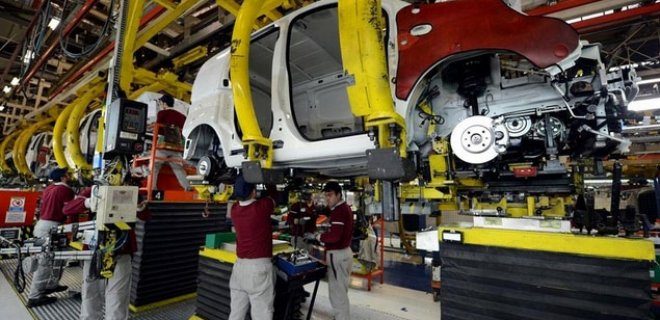
Bursa isn’t just a stopover on the way to Istanbul. It’s one of the country’s heavy hitters—arguably in the top three or four industrial powerhouses. You’ll find the giants of Turkish manufacturing here. Think car factories. Spare parts plants. Machinery workshops. Construction firms. Thousands of operations hum along in sectors ranging from textiles to dairy products.
“Bursa is not just an industrial city; it’s a cultural and natural heavyweight.”
But strip away the noise of the factories, and you’re left with a surprisingly rich tourism scene. This city doesn’t just churn out goods; it churns out history and landscapes.
Where Industry Meets Ancient Ruins
The contrast is stark. One moment you’re looking at the sprawling infrastructure of modern industry. The next, you’re standing in the Nikaia Ancient City. The ruins are scattered, but significant. Nearby, the Ulu Cami (Great Mosque) stands as a testament to Ottoman architectural prowess. It’s not just big; it’s a masterclass in early Ottoman design.
Then there’s the Aziz Tryphonos Church. A reminder of the city’s diverse, multi-religious past. These aren’t distant relics. They’re woven into the urban fabric.
Uludağ: The Winter Capital
Let’s talk about the big draw for winter travelers. Uludağ.
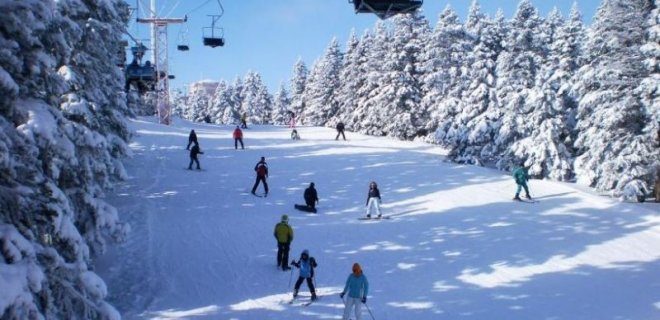
This mountain isn’t just a peak. It’s Turkey’s most popular ski destination. Why? Because it delivers. The infrastructure is mature. The slopes cater to everyone from beginners to advanced powder hounds. But it’s not just about skiing.
The accommodation options are vast. You can find everything from luxury resorts to budget-friendly pensions. This variety makes it accessible. In January and February, the slopes are packed. The air is crisp. The views of the Bursa plain below are panoramic.
Beyond the Ski Lifts
Don’t let the snow blind you to the rest of the region. Dalyan Gölü is a hidden gem nearby. It’s quieter. Slower. A perfect counterpoint to the kinetic energy of the factories and the lifts.
If you’re planning a trip, here’s the practical reality:
– When to go: Winter for skiing (Dec-Feb). Spring or Autumn for history and mild weather.
– Logistics: It’s easily reachable from Istanbul. The drive is manageable, or take the high-speed train.
– Costs: Generally more affordable than coastal resorts like Antalya or Bodrum, especially for lodging.
Bursa forces you to confront two different worlds at once. The smell of exhaust and oil. The scent of pine and cold mountain air. Both are part of the experience.
You leave wondering if the city is defined by what it makes or by what it preserves. The answer is likely both. And that tension is what makes staying there interesting. Not just passing through. Staying. Watching the trucks roll in and the snow fall out.
The High Cost of Getting There
The plane ticket itself is only half the battle. Once you clear security in Istanbul or Dubai, the real financial test begins. Budget airlines are everywhere, but they charge for everything. A carry-on bag? That’s $30. A seat with extra legroom? Another $20. It adds up fast.
You need to look beyond the base fare. Check the total price before you book. Some carriers bundle taxes that others list separately. One airline might show a $150 fare, but add $40 in fees at checkout. Another might look expensive upfront but includes checked bags. Do the math.
Travel insurance is not optional here. It’s a lifeline. If your flight is delayed by twelve hours, you’ll need a hotel. If you drop your phone in the desert, you need a replacement. The cost of a policy is usually 4-6% of your total trip cost. Pay it. You will thank yourself when things go wrong, which they inevitably do.
Navigating the Visual Landscape
The Middle East is a study in contrasts. Modern glass towers reflect the sun, while ancient stone walls soak up the heat. In Riyadh, you’re walking through construction zones that look like futuristic cities being built in real-time. It’s loud. It’s dusty. It’s exhilarating.
In contrast, the old souks of Dubai or the narrow alleyways of Beirut offer a different rhythm. Here, time moves slower. You buy spices by weight. You drink tea that’s been steeping for hours. The visual shock of seeing a skyscraper rise next to a century-old mosque is jarring. It’s not a bad thing. It’s just reality.
Bring good sunglasses. The sun here doesn’t play fair. It hits hard at midday. Visibility is high, but glare is intense. You’ll squint more than you’d like. Take breaks in the shade. Hydrate. The heat isn’t just uncomfortable; it’s a factor in your planning. You won’t be sightseeing at 2 PM. You’ll be indoors, eating, sleeping, or waiting for the temperature to drop.
Food Beyond the Standard Menu
You’ve heard about the lamb. You’ve seen the hummus. But don’t stop there. The food scene is evolving. In major hubs, you’re finding fusion concepts that blend traditional flavors with modern techniques. Try the lamb shank, but look for the side dishes too. The tabbouleh should be mostly parsley, not rice. The fattoush salad needs crisp pita shards.
Street food is where the soul of the cuisine lives. It’s cheap, it’s fast, and it’s dangerous if you’re not careful. Pick stalls where you see locals eating. High turnover means fresh food. Avoid anything sitting out in the heat for hours. The rule of thumb is simple: if it’s been cooked fresh in front of you, it’s safe. If it’s been sitting under a glass dome since breakfast, walk away.
Costs vary wildly. A meal at a high-end restaurant in Doha can run $100 per person. A kebab from a street vendor might be $3. Both are valid experiences. The street food gives you the cultural context. The high-end place gives you the service and the ambiance. Decide which you value more.