The flywheel argument
Expedia CEO Ariane Gorin is fighting a perception. Or maybe just correcting it.
The idea out there is simple: the company prefers its wholesale business. The B2B side gets the love, the consumer apps like Expedia.com or Vrbo get left in the dust. Gorin disagrees. She says that view misses the mechanics.
The two sides feed each other. Advertisers want the whole pie, not just crumbs from one corner. But let’s look at the receipts. The business-to-business segment is the smaller player right now. Yet it grew 25 percent in Q1. The consumer side managed 8 percent.
Does that make it a priority? Maybe. Maybe it just makes it fast-moving.
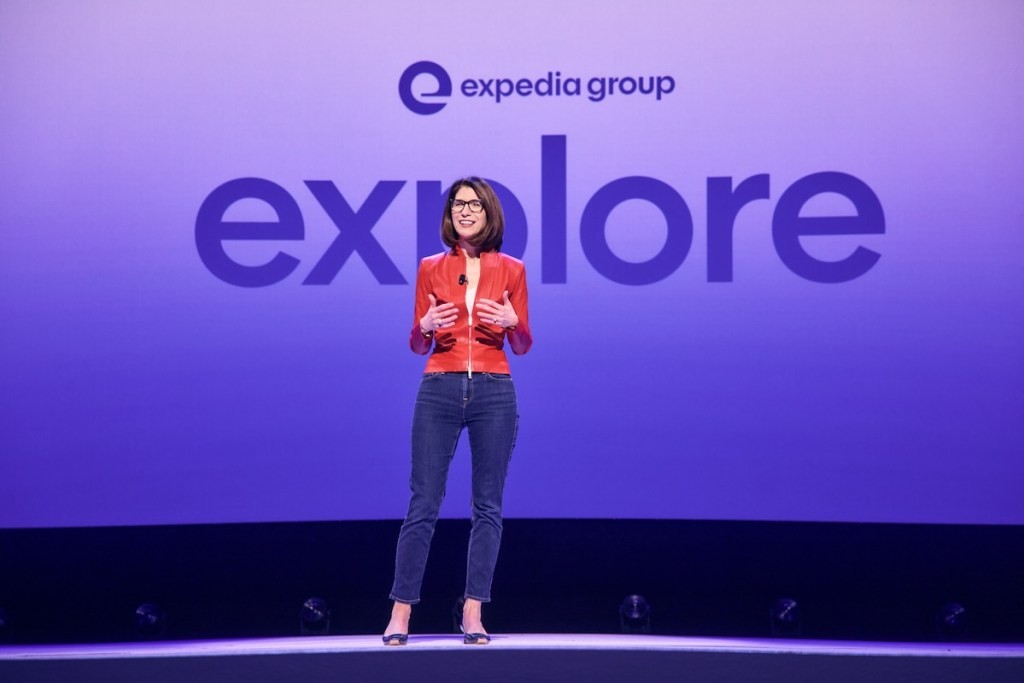
During her conference in Vegas, Gorin laid this out in an interview with Skift. She didn’t shy away from the growth stats either.
What else was on the table?
This wasn’t just a defensive play about balance. They touched on a few other nerves.
The AI strategy. Always the hot topic. A new partnership with Uber. Shuffling the finance deck by changing CFOs. And the eternal rivalry with Booking.com. Then there’s Vrbo and the messy world of vacation rentals.
Standard exec interview stuff, really. But the B2C question keeps coming back. Why?
Skift pressed her on it directly. If B2B looks like the priority, how do you explain the balance? Gorin started to unpack her logic, pointing to how the segments interact rather than compete. She sees a flywheel. You push one part and the whole thing moves.
Whether investors buy that narrative over the raw growth rates remains to be seen. The conversation was cut short, but the implication is clear: she believes in the synergy.
Whether the synergy can keep pace with a 25 percent growth surge in just one quadrant? That’s a different question.
We believe in the ecosystem, not just the silos.