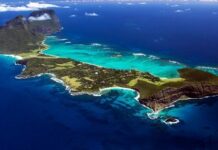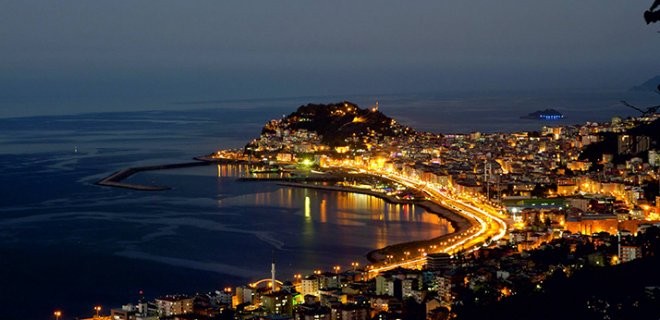
Giresun is located on the edge of the Black Sea, and the mountains drop steeply into the water. The area code is 0454. The registration number is 28. There are about 450,000 inhabitants and an area of about 6,934 square kilometers. This is not a big metropolis. It is a place with a long history and a unique flavor.
You probably only know one thing about Giresun. It’s a hazelnut. You are right that they are important. These are just as much the pillars of the local economy as fishing and agriculture. But if you’re only planning a trip here for the nut farms, you’re missing the point. The industrial sector is developing rapidly. The landscapes are wonderful. History is layered.
The name Giresun has changed more times than most cities. The Yunanians called it Choerades. The Romans named it Kerasous. The early Turks called it Vilayet-i Çepni. In the Ottoman Empire it was written as Kerasunt. It was not until 1930 that the name “Giresun” took root. This switch is important. Although this was a step towards modernization, the old layers are still clearly visible in the soil and on the streets.
There are 15 districts here. Alucra. Bulancak. Çamoluk. Çanakçı. Dereli. Doğankent. Espiye. Eynesil. Görele. Guce. Keşap. Piraziz. Tirebolu. Yağlıdere. Şebinkarahisar. Everyone has their own personality. Some are located on the coast. Some even make it inland. Some people are quiet. Some people are noisy.
Agriculture is not all about nuts. You can find karalahana (black cabbage), tomatoes, green beans, apples, pears and cherries. The soil is fertile. The climate is humid. long growing season. This is a self-sufficient area.
Where to start when you arrive?
Don’t limit yourself to just downtown. Giresun is a province, not a city. Territory is important. Tirebolu, for example, is famous for its hazelnut processing and its beautiful coastal drive. Espiye has a calm beach atmosphere. Bulancak is located further inland and in a rugged location.
The economy is changing. Fishing activity is stable. Hazelnuts are the king of exports. But the industry is growing. Quickly. This means new infrastructure. a new road. Even more services. It also means less overtourism. You can even have your own place.
What to eat (excluding hazelnuts)
Yes, let’s eat hazelnuts. It is very sweet. It is very crispy. they are everywhere. But look for cherries in summer. autumn apples. July tomatoes. The food here is simple. Fresh. local.
Fishing boats arrive at the port every day. Seafood is delicious. It’s not flashy. OK, try a small restaurant by the water. No reservation is required. There is no waiting list. Ask the locals where to go. They will tell you where.
Why Giresun is worth the detour
Most travelers skip it. They travel to Istanbul, Cappadocia or the Mediterranean coast. Giresun is
Giresun is more than just the Black Sea coast. It’s a geological heavyweight. Here, there is an abundance of natural resources that most travelers never see, but which define the region’s industrial backbone. You won’t find any guides pointing to uranium deposits, but the city’s underground deposits are rich in lead, kaolin, lignite, zinc, iron and coal. This is a fertile, mineral-rich landscape.
Regional rhythm
People here dance as the mines were dug deeper and deeper. There are two main folk dances that you should know about if you visit. They are more than just shows. They are the heartbeat of the community.
First is Karşılama. It’s a welcome dance. It is often seen at weddings and festivals. This is a social thing. It’s about greeting the neighbors.
Then there’s Horon. This is the famous Giresun dance. Quickly. intense. The musicians play fast rhythms on the “kemenche” (string instrument). Dancers move their shoulders and legs in quick, synchronized steps. It corresponds to the flow of the river and the steep terrain.
Why is it important for travelers?
You might come here looking for hazelnuts and green mountains. Let’s enjoy the culture. Horon is unique in the eastern Black Sea region, but Giresun also has its own flavor. It is wilder than some of its neighboring provinces.
Notice how the shoulders move. This is the key. The upper body of the dancer is straight and the lower body flies. It seems impossible. It is exhausting. It’s beautiful.
Practical tips
- Time: Most often during the summer festival season. The weather is getting warmer. The village will be lively.
- Location: Look for local parties in the countryside. Not just in the city center.
- Price: Free viewing. Just be respectful. Don’t break the circle.
Mines bring wealth. Dance gives the soul. Giresun is both. Hard rock and fast pace.
Copper and craftsmanship: the tangible soul of Giresun
If you’re looking for a souvenir It has real weight, history and a reason for being, don’t buy plastic key rings. Giresun’s traditional craftsmanship offers a more sustainable alternative. The city is famous for dövme bakırcılık (hand-hammered copper crafts) and a wider variety of bakır el işlemeciliği (copper crafts).
These products cannot be found in regular department stores. Everything is handmade. Here, artisans make semavers (traditional Turkish coffee pots), trays, figurines (decorations), wall plates, sugar bowls, vases and more. These are not just decorations, but functional works of art It have been passed down from generation to generation.
Why copper is important in Giresun
Copper products are popular not only because of their beauty. This is very practical. Copper heats up evenly and retains heat, making it ideal for making traditional Turkish coffee. When you buy a semaver or tray from Giresun, you are buying a working tradition.
- Semabar : These are symbolic. Look for intricate carvings on the surface. Can be used as a coffee warmer or center piece.
- Wall panels : Usually painted with floral or geometric designs. Add color to any wall.
- Tray and sugar bowl : essential for entertaining guests. The workmanship here is precise, with smooth edges and fine details.
Beyond Copper: The Art of Knotted Wire
Copper is not the only craft worthy of note. Giresun also specializes in el halıcılığı (handmade carpets) and oya işlemesi (lace making). These crafts require patience and skill. These reflect the cultural heritage of the area.
Handmade carpets are rare. It’s a lucky break to find it in Giresun. The knots are tight, the designs are traditional and the colors are usually natural dyes. They can last for decades.
Lace making is another technique. This is delicate work. You will see complex patterns imitating flowers, leaves or abstract shapes. Each piece is unique. No two are exactly the same.
Where can I find these crafts?
These products may not be available in all stores. We focus on the following:
- Local bazaars : The main market of Giresun town usually has stalls dedicated to coppersmiths.
- Artisan workshops : Some artisans have small workshops It are open to the public. You can watch them in action.
- Cooperatives : Find a cooperative It supports local artisans. They guarantee fair prices and genuine products.
Shopping tips
- Ask about the process : How long did it take? Was it by hand or by machine? The right copper has hammer marks.
- Check weight : Copper is heavy. Light products can be plated or fake.
- Consider the price : Genuine handmade products are expensive. Don’t negotiate aggressively. Craftsmanship deserves respect.
- Consider practicality : Will you use this vase? Do you drink a lot of coffee? Buy one It fits your lifestyle.
Where should you visit?
The craft itself has value. But the process made Giresun unforgettable. It is fascinating to watch how the copper craftsmen shape the trays by hand. It
Logistics navigation: move and stay put
Forget glossy brochures for a moment. Monuments are not the only attraction in this area. It’s friction, heat, unexpected detours and quiet moments in between. If you are planning a trip here, you should know the rhythm of the place before booking a single ticket. This country is not waiting for you. It moves on its own terms.
Reality when you reach your destination
There are very few direct flights unless you are flying from Europe or the Middle East to a capital city. Most passengers connect via Istanbul, Dubai or Doha. Time is added. Costs are increasing. But this is the standard route.
Low-cost airlines create niche routes from major European cities to secondary airports, but these routes require ground transportation to reach their final destination. Also check your baggage policy. Low-cost airlines are tight with weight restrictions here. One extra piece of luggage can ruin your daily budget.
After arrival, immigration may be delayed. Have your return flight tickets, hotel reservations and proof of money ready. The authorities ask for this information more often than you think. Random checks do not mean there is a problem. This means that the system checks for compliance.
Visa regulations: Stay alert
The visa policy is changing. Remember to check the official website of the government immigration website a week before your trip. Citizens of some countries can obtain a visa on arrival. Some people may need to apply for an e-visa several days in advance. Some people have to visit the embassy.
If you are from the United States, the United Kingdom, or the European Union, you may be eligible for an e-Visa. Apply online. It takes about 24-48 hours. Don’t wait until you get to the airport. The kiosk may be malfunctioning. Lines can stretch for hours.
For other nationalities, a visit to the embassy may be required. Plan for delays. Please include it in your itinerary. Being denied a visa due to lack of documents is a nightmare you don’t want to experience.
Money matters: Cash is still king
Cards are increasingly accepted in hotels and top restaurants in capital cities and major tourist destinations. But two steps off the main road and you hit a brick wall. Street vendors, local buses, small hotels and village markets all operate with cash.
Fluctuations in local exchange rates. Check the exchange rate before departure. Bring intact US dollars or Euros to exchange on arrival. Currency exchange offices often reject old, torn or poorly stamped banknotes.
ATMs are everywhere in the city. Withdrawing money is easy, but there will be fees. Both banks and local ATMs charge fees. Reduce costs by limiting withdrawals.
You can expect to haggle in souks and bazaars. This is not rude. That’s part of the deal. Start with half the asking price. See you in the middle. If the price isn’t right, walk away. They often call you back.
Where to stay: from hostels to luxury hotels
Room rates range from $15 per night in dorms to $500 per night in five-star resorts. Your choice depends on your travel style and budget.
In the capital, stay close to the historic center. Large museums, mosques and cafes are within walking distance. It’s noisy. It’s busy. It is very convenient.
If you’re looking for a more peaceful experience, look here