If you are planning a trip to Southeast Turkey, the dramatic cliffs and historical ruins need to account for more than just in your itinerary. Şırnak is a culinary pinnacle that offers unique and rich flavors deeply rooted in local tradition. You might be asking yourself what to eat in Şırnak to really experience it. Which dishes represent local tastes?
Let’s start with Kutluk.
Although it sounds like modern technology, it is actually a regional variation of içli köfte (stuffed bulgur wheat balls). You can think of this as a delicious fried version of the more common mantı or dolma. What makes Kutluk unique is the dough itself. Locals mix bulgur and cracked wheat (yarma) with water and spices and knead it until it reaches a certain pliable consistency.
Next comes the filling. The dough is filled with a delicious mixture of minced meat, herbs and spices. Then fry in oil until golden brown and crispy.
Kutluk is Şırnak’s signature dish, crispy on the outside, soft and spicy on the inside.
Why is it important for travel? Because it can be found all over Şırnak. You can find it in street food stalls, family-run cafes and hotel breakfasts. It’s more than just a snack. It is a cultural staple. Texture is important here. The outer layer should stay together without falling apart, and the inside should stay moist and flavorful.
When you’re walking through the market or grabbing something to eat, keep an eye out for Kutluk being fried fresh. Hot is best. It goes well with Ayran (salted yogurt drink) and strong black tea. It’s hearty enough for a light meal, but still enough to enjoy while exploring the nearby Seyidan ruins or the busy streets of the city center.
You can miss this if you stay in the usual tourist traps outside of the city. But a walk through the local community reveals that preparations are being made every day. It’s affordable, readily available and really delicious.
The Crunch of Serbidev: Şırnak’s unusual wheat dish
If you’re looking for flavors that don’t blend into the background, head over to Serbidev. This is more than just a local dish. This is a unique, almost architectural cuisine from Şırnak in southeastern Turkey, where the food tells a story of survival and ingenuity. The first thing that surprises me is its structure. It’s grainy and crunchy, and definitely different from the soft pilaf or fluffy bread you might imagine.
The main ingredients are simple. yarma or cracked wheat. But the magic happens in the preparation. Wheat grains split to form small cavities. These aren’t left empty. They are stuffed.
Inside each split grain is a mixture of yogurt and spices. This sounds contradictory – dry wheat and moist yogurt? But that’s the point. The yogurt is usually thick, and the spices add a sharp, tangy flavor that breaks up the earthy flavor of the grain. Finally, the dish is dipped in a butter sauce called tereyağlı sos. The fat covers everything and binds the dry crust to the creamy center.
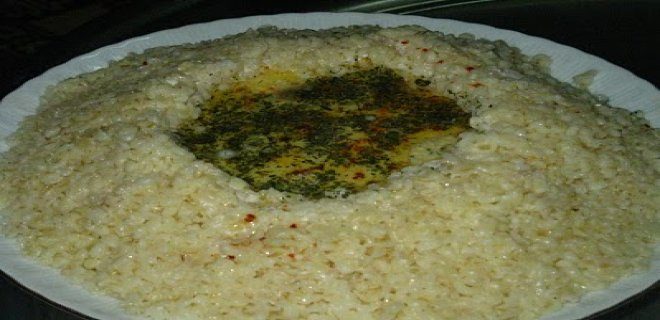
Serbidev stands out with a cracked wheat outer crust filled with white yogurt and spices and glistening with melted butter.
Timing is important here. This dish is not made for leftovers. Serve hot straight from the pot. The heat keeps the butter liquid and the yogurt soft. As it cools, its texture changes, becoming harder and less attractive. For travelers, this means that this dish is best ordered fresh, perhaps as an appetizer or as a side dish to a heavier meat, rather than saving it for later.
Why does it exist? Food is often stored in the highlands surrounding Şırnak. Cracked wheat can be stored for several months. Yogurt provides essential fats and probiotics even in harsh climates. By combining them in this special way, you get a hearty and nutritious meal with an incredibly complex flavor. It is a rustic, untouched and delicious taste of the mountains.
If you see it on the menu, don’t hesitate to try it. It’s as much a textural experience as a taste experience. The balance of the texture of the wheat, the cooling sensation of the yogurt and the richness of the butter is an unforgettable dish. Remember to have a spoon or your fingers ready. It’s very messy. It is messy by design. That’s part of its charm.
Why you should add Şırnak Perde Pilaf to your itinerary
If you are a gastronomic traveler in Southeast Turkey, you may have heard rumors of Perde pilavı. This is not just a rice dish. Dramatic and rich food with deep roots in regional character. Although stuffed rice varies from province to province, Şırnak stuffed rice is a local staple that tourists can’t miss.
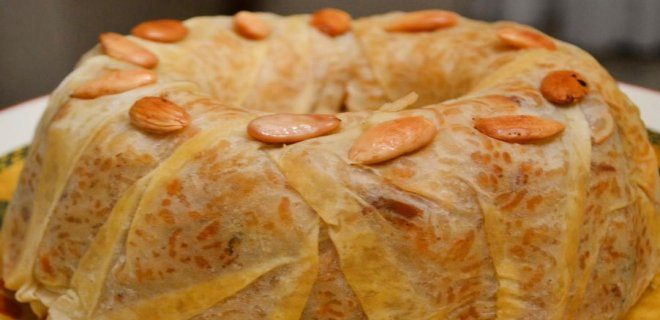
perde means “curtain” or “veil” in Turkish. This dish is basically a delicious pilaf baked inside a hollow bread. Cut the dough open and pull back the bread “curtain” to reveal the hot, seasoned rice and meat hidden inside. It’s rustic, interactive and absolutely delicious.
The Origin and the Taste
シュルナクの地元住民はこの料理を許容するだけではありません。 彼らはそれを受け入れます。 住民にとって、シュルナクのペルデ ピラヴ**は食文化の不可欠な部分です。 準備には労力がかかり、大きなバンズを慎重にくり抜き、家族のレシピに従って米、子羊肉、鶏肉、そしてウルシ、コショウなどの香り高いスパイス、場合によってはナッツやドライフルーツを混ぜたものを詰める必要があります。
その結果、驚くほど良好なテクスチャのコントラストが得られます。 柔らかくて風味豊かなご飯がabsorbing the juices of the meat、噛み応えのある少しサクサクした生地で包まれます。 コクのバランスをとるために、ヨーグルトやアイランと一緒に提供されることがよくあります。
Where can I find it?
You won’t usually find this at a fast food counter in Istanbul. For an authentic experience, you have to go to Şırnak. Traditional family style restaurant や、local Doğu Mutfağı (東洆)料を専門とすしいますますますます。 Many locals cook to order, so you may have to wait, but your patience will be rewarded. The bread is usually baked in a wood-fired oven, which adds a smoky depth that is difficult to create elsewhere.
Useful tips for travelers
- Timing: If you plan to dine here, please allow enough time. This is not a quick bite. Many shops make the bread base in the morning and stuff it or make it to order.
- Sharing: This is a hearty dish. One large perde often serves two to four people, so they’re perfect for groups.
- Pairing: Don’t forget the yogurt. The cool, tangy contrast perfectly cuts through the greasiness of the pilaf.
This dish tells a story of hospitality and resourcefulness. It’s more than just feeding people. It’s about treating the meal as a surprise, a gift wrapped in dough. It would be a mistake to skipping this would be a mistake if you find yourself in Şırnak. It’s one of those rare foods that stays with you long after you eat the bread.
Kipe: Şırnak’s Hearty Stuffed Intestine Delicacy
If you are looking for local food, Şırnak’s Kipe is the right place for you. You can think of it as the strong, traditional cousin of the famous kumpir, but with a more adventurous core. It’s not a dish on every menu. A local delicacy deeply rooted in the culinary identity of southeastern Turkey.
The structure is simple, but it takes time. The outer shell is made from cleaned lamb intestines. The chef filled it with a thick mixture of minced meat and rice. The bundle is then boiled until tender. The result is a delicious, high-protein dish that has won the hearts (and stomachs) of locals for generations.
For travelers who want to go off the beaten path, Kipe offers a taste of authentic Şırnak. It’s not just food. it is a cultural artifact you can eat. You can find it in local restaurants that value tradition over trends. The combination of chewy texture and rich taste, seasoned meat and rustic rice is sure to be an unforgettable experience.
Why is this important? Because eating Kipe is how you connect with the everyday lives of people here. It’s very simple. It is substantial. This is true.
Kipe is one of the beloved flavors in Şırnak and is made by stuffing sheep’s intestines with a mixture of minced meat and rice and boiling them.
You might be wondering where you can try it. Visit the local markets and family-run shops in the town of Şırnak. Don’t expect a fancy plating. Expect warmth, hospitality and unforgettable flavors. This dish is for those who want to not only see, but enjoy the experience.
Is it suitable for everyone? Probably not. For some people, intestine casing might be a hurdle. However, for curious gourmets, this is a essential stop. It will change the way you look at cuisine in this area. The depth increases. More history.
The next time you plan a trip to southeastern Turkey, put Şırnak on your list. Avoid common tourist traps. Find a place that offers Kipe. Taste the difference. Learn how food anchor a journey in reality. The rest is up to you.
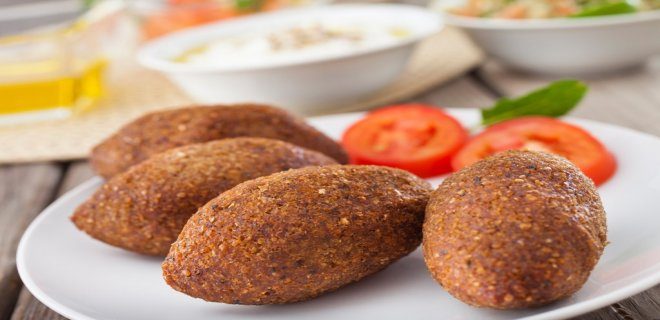
The defining structure of Hekehašan
If you’ve already gotten past the spices of Şırnak, this dish is where things get interesting. Hekehaşandi is not just another local staple. It is a culinary paradox that shapes the unusual taste of the region. You expect the pilaf to be fluffy. Light. Separate the grains.
That’s not it.
Hekehaşandi starts with plain rice cooked in oil-free water. No butter. No broth. Just pure grain. After cooking, the rice is mixed with minced meat and kneaded. The heat of the rice cooks the meat a little. It binds. The whole mixture is then fried in a pan until a solid, crispy mass is formed.
It looks like a cake. It tastes like fried rice and meat rolled into one.
Why do that? It’s all about the texture. The exterior is cracking. The inside is tight. It’s difficult. It is filling. It is different from all other Turkish pilafs. If you are planning a trip to Şırnak for the food, ask about it. Don’t ask for plain rice. You will be confused.
The dish is cheap. It is filling. It is also confusing to outsiders. That’s the point. Southeast Turkey’s local cuisine often emphasizes substance and uniqueness over international reputation. Hekehaşandi is substance. It’s a meal you eat with your hands or with a fork, depending on how crispy it gets.
It’s nothing special. It’s not pretty. It is effective.
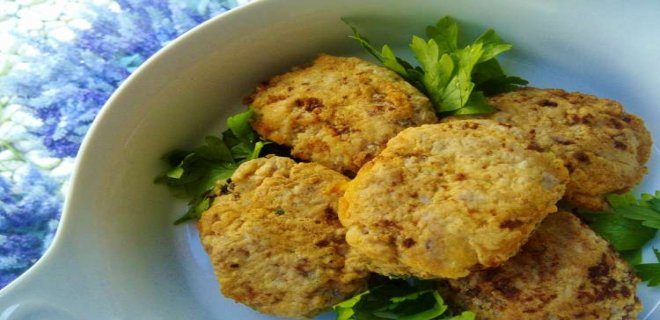
Şırnak’s Secret Kitchen: What is Şımşipe?
If you’re looking for a real taste of Southeast Turkey, you might find it on the menu at Şırnak Şımşipe. This name can be confusing. Sounds very exotic. It is unique. it is not.
The centerpiece of Şımşipe is the vegetable filling. This is already a familiar dish.
In most parts of Turkey, this preparation is simply called “dolma”. Fill the hollowed-out vegetables into a delicious meat-rice mixture. In Shurnak it has a different name. They call it Şımşipe. The recipe remains the same. The technique is the same.
How to make a Şımşipe
The process is simple and rooted in local home cooking.
- Storage: Fresh eggplant or paprika chosen by the chef.
- Manufacturing: Concave interior carefully hollowed out to form shell.
- Filling: usually prepares a mixture of ingredients such as ground meat, rice, onion and spices. This is “harç” according to the local explanation.
- Cooking: Fill the shell with this mixture and cook.
This is comfort food. It is very practical. It is very delicious.
Why you should try it
Travelers often seek out foods with complex histories or unknown origins. Şımşipe offers something different. It offers authenticity through simplicity. This is not a trick. It is a national classic dish with a local twist.
Ordering this product from Şırnak does not give you a new invention. You get your hands on a classic, locally loved label. That’s the charm. This is an understatement. Honest.
Where can I find it
Simsipe can be found in restaurants in Şırnak province. It appears on the menu along with other local dishes. It is also a common home food. If you see it, order it.
Verdict
Don’t expect an amazing flavor profile. I look forward to well-executed dolma. The value is in the name and the context. This is part of Şırnak’s culinary identity. Small changes in language for a filling meal.
you eat it You will love it! You’re probably wondering why we bother with different names.
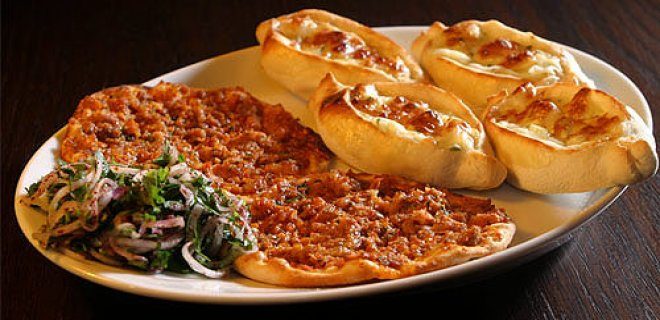
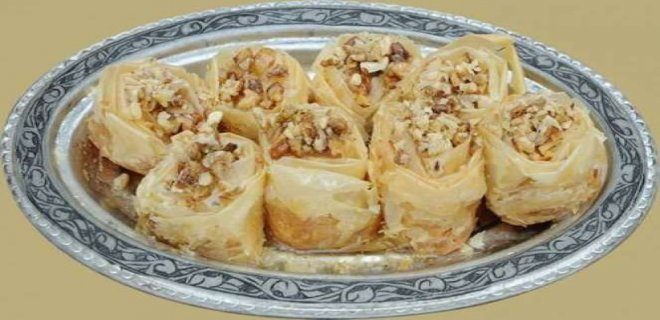
Why Fıreydin is Shurnak’s most underrated dessert
If you are looking for the real taste of Şırnak, you have to look beyond the usual competitors and find Fıreydin. It’s not just a dessert. This is a unique local craft that characterizes the confectionery life of the region.
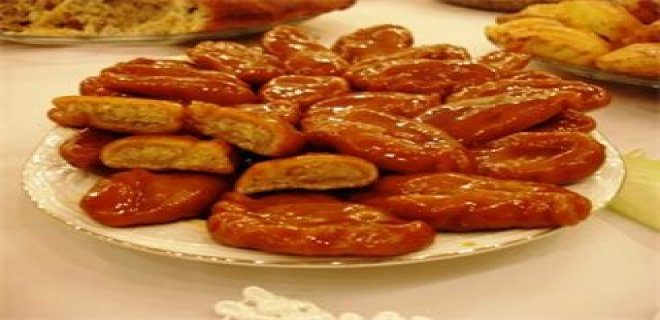
This technique is surprisingly simple, but requires precision. Fill the walnut hearts and sugar into the thinly rolled dough. However, this is not a baked confection. Once it’s fried to a crisp, immediately drizzle with şıra (a thick grape-based syrup that acts as both a sweetener and a glaze).
The result is a crunchy crust that gives way to a soft, nutty center wrapped in a sticky, fruity sweetness that lingers to the finish.
Not all Turkish menus have this. It is closely related to the specialty of Şırnak. If you are planning a gourmet trip to Southeast Anatolia, this is a must visit.
Şırnak Where to find the best Fıreydin
Not all sweets are created equal, and the texture of the dough can make or break a dish. The best versions are based on fresh, hand-stretched dough that is not wet with syrup immediately after serving.
The locals say the same. Let’s go to Yemen. This is a great option for those who want to experience authentic Şırnak sweets. It’s not the atmosphere that matters, but the implementation. Our staff knows how to balance the dough-syrup ratio to get that important crunch before softening.
** The most important information about the visit:
– Order information: Freshly fried Fıreydin. Do not leave it unattended.
– Combination: Strong Turkish black tea helps reduce the density of the sugar and nut filling.
– Time:** These are usually made in batches throughout the day. Visiting in the morning means you’re likely to get the freshest batch before peak times.
It’s a heavy and hearty snack. Please eat slowly. It’s a sweetness that lingers in your memory and stomach long after you’ve wiped the syrup from your fingers.
The Wild Flavor of Şırnak: Exploring Suryaz
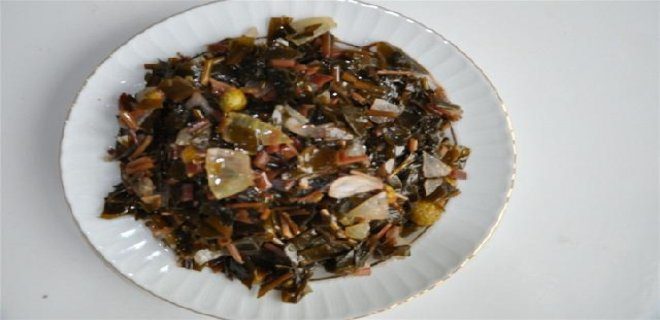
When you walk through the Şırnak market, take a closer look at the fresh herbs piled up in the stalls. Among the familiar greens there is something unique called suryaz. This is not just decoration. It is a native herb that grows wild in the area and is locally valued. It is known for its bold, earthy profile and defines a slice of Kurdish food traditions.
Locals don’t see Suryaz as an afterthought. They make dishes around it. The secret is simplicity. You take fresh herbs, mix them with available meat (usually lamb or beef) and cook the mixture. The result is a unique Şırnak dish that is often referred to simply as suryaz food, although it works as a hearty stew or filling.
Why You Should Seek It Out
風味のプロファイルは良い意味で予測不可能です。 ただの「ハーブ」ではありません。 その深さは、Hakkari高地とŞırnak高地の特別な土壌から生まれています。 冒険好きな旅行者にとって、これは食事が終わった後もずっと記憶に残るような食べ物です。
「地元の人々はsuryazを使って信じられないほどおいしい料理を作り、好みの食材や肉を加えて有名なŞırnakの味を作り出しています。」
How to eat
It may not always be on the English menu. Instead, look for signs in Turkish that mention suryaz otu (suryaz herb) or local specialties. It is usually served with flatbread, which is used to scoop the meat and herb mixture.
- Where to find it: Visit local restaurants in Şırnak and surrounding villages. Avoid tourist traps that simplify local food.
- When to go: The freshest suryaz is available in spring and early summer, but dried versions of suryaz are available in the market year-round.
- Who it’s for: If you like foraged greens, wild herbs, and hearty meat dishes, you might like this. If you like a delicate, mild taste, start small.
The Logistics
Şırnakへの旅行には計画が必要です。 トルコ南東部に位置し、海岸沿いのリゾートから遠く離れています。 ディヤルバクルやマルディンなどの近くの都市への航空券が最も一般的で、次にバスやprivate transferを利用して北へ向かいます。 岩や山々はとても美しいので、ドライブ自体も体験の一部です。
そこに着くと、食事のシーンは非常にカジュアルになります。 高級レストランではなく、家族経営のキッチンを思い浮かべてください。 価格はリーズナブルですが、本当の価値は本物にあります。 雰囲気にお金を払っているわけではありません。 あなたはその土地の味を味わうためにお金を払っているのです。
地元のハーブを無視しないでください。 それらはŞırnakの人々と歴史をつなぐ目に見えない糸です。 suryazを試してみてください。 違いを味わってください。
The road less traveled: Getting Off the Beaten Path
Most tourists stay on the main arteries. You see the same temples, eat in the same hotels and take the same photos. But when you’re willing to take a wrong turn or two, the real magic happens. It’s not about finding hidden treasures that don’t exist; It’s about looking at the map with new eyes.
Think of the highlands. The journey there takes longer than expected. The streets narrow. The air is getting thinner. You pass villages where time seems to have stopped, if not stopped completely. Locals don’t have WiFi here. They have no influencers. They have tea, stories and hospitality that feels authentic because it has to be.
Why detours are important
You might think you’re wasting your time. You’re not. The main road is paved for speed and efficiency. Back roads are paved for survival. Each curve reveals a different landscape. All you can see are the rice fields where the morning sun is reflected. Next, climb the steep hill and see the monastery hanging on the cliff.
Costs? Minimal. The bus fare is a few cents. Time? An extra hour or two. The reward? A perspective you won’t get with a tour guide’s headset.
“The journey is the destination.”
This cliché exists for a reason.
Practical tips for brave people
- Take cash with you: Small villages do not accept cards. Take small bills with you. It’s easier to tip, buy snacks and show respect.
- Learn important expressions: You don’t have to be fluent. Just “Hello”, “Thank you” and “Where’s the toilet?” It opens doors. Literally.
- Stay Flexible: Plans are subject to change. The buses are late. Shops remain closed. This is not a failure. It is an invitation to improvisation.
The beauty of traveling is not in a checklist. Those are the moments you didn’t plan for. A sudden downpour. An unexpected conversation with a stranger. A fruit flavor you’ve never heard of.
So what are you waiting for? Put the guide down. Look at the map. Find an empty space. You should go there.