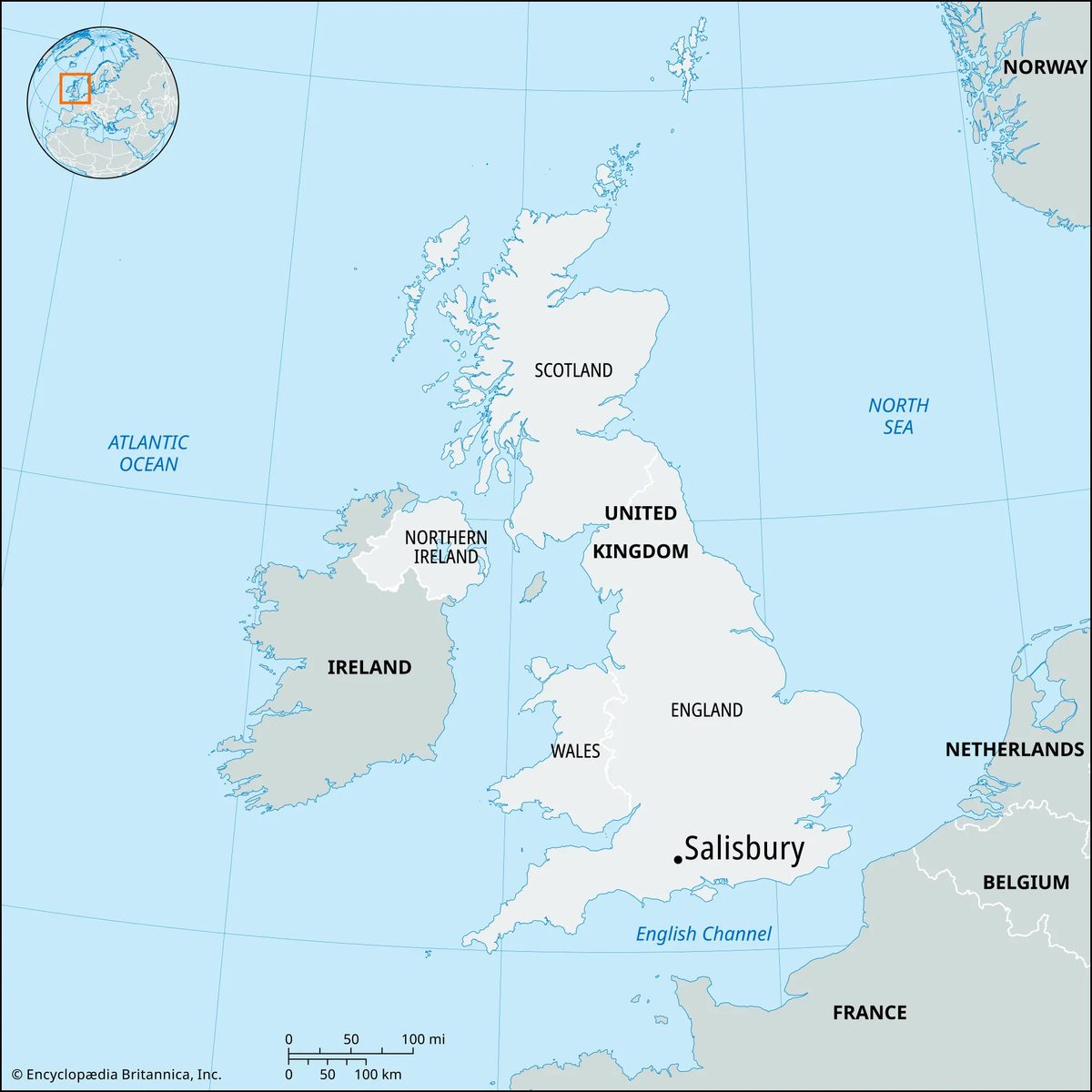

Salisbury isn’t just a dot on the map in Wiltshire. It is the historic heart of southern England, sitting right where the River Avon meets the Wiley. For centuries, this confluence has defined the town. It was the principal town of Wiltshire for a long time. Today, it remains the seat of an Anglican bishop.
The story starts far before the city you see today. It begins at Old Sarum, an Early Iron Age fort located just 1.5 miles north. The Romans took it over. The Saxons turned it into an important town. By the 11th century, it had its own mint. The Normans built a castle on the mound. In 1075, the bishopric moved from Sherborne to Old Sarum.
But the ground moved. Literally.
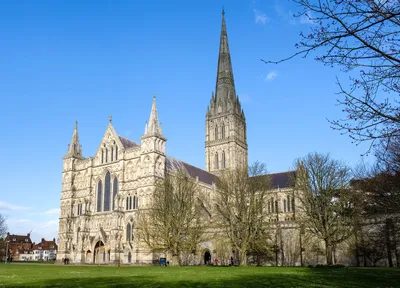
In 1220, a new cathedral was founded in the neighboring valley. This site is modern-day Salisbury. A new city quickly sprang up around it. The old hilltop was abandoned. The Black and Grey friaries were established in the 13th century. An earthen rampart went up around the city in 1310. Gates followed soon after.
Cloth and wool trades flourished here in the Middle Ages. Cutlery making became prominent too. You can still see the echoes of that era. The city centre remains much as it was in medieval times. It is laid out in a gridiron fashion. The cathedral stands tall. Large timber-framed buildings survive.
Why Salisbury is the Best Base for Stonehenge
Most visitors come for Stonehenge. It is about 8 miles northwest of the city. This prehistoric stone monument was designated a UNESCO World Heritage site in 1986.
Traveling from Salisbury to Stonehenge is straightforward. You don’t need a car if you plan well. Several tour operators base themselves here. They pick up tourists from the city centre. It saves the hassle of navigating narrow rural roads.
“Salisbury offers a quiet, atmospheric contrast to the crowds at Stonehenge, serving as a perfect historical base.”
The cathedral is not to be missed. It houses the best-preserved original Magna Carta. The spire is the tallest in the UK. You can climb it. The view of the Wiltshire countryside is stark and beautiful.
What to Do When You’re There
Salisbury is a tourist and market centre. Principal occupations include cattle and poultry marketing. Engineering, brewing, leatherwork, and printing are also big here.
You can walk around the medieval streets. Look for the timber-framed buildings. They are scattered throughout the grid. The Guildhall is a good spot for local history.
Prices vary. A pint in a traditional pub might cost £4 to £6. A meal in a mid-range restaurant could run you £15 to £25. Hotels range from budget chains to historic inns. Book ahead in summer. It gets busy.
The population sits around 40,000. It feels manageable. Not too big. Not too small.
When to Visit
Spring and autumn are ideal. The light is good for photography. The weather is less erratic. Summer brings crowds. Winter is quiet. The cathedral is open