


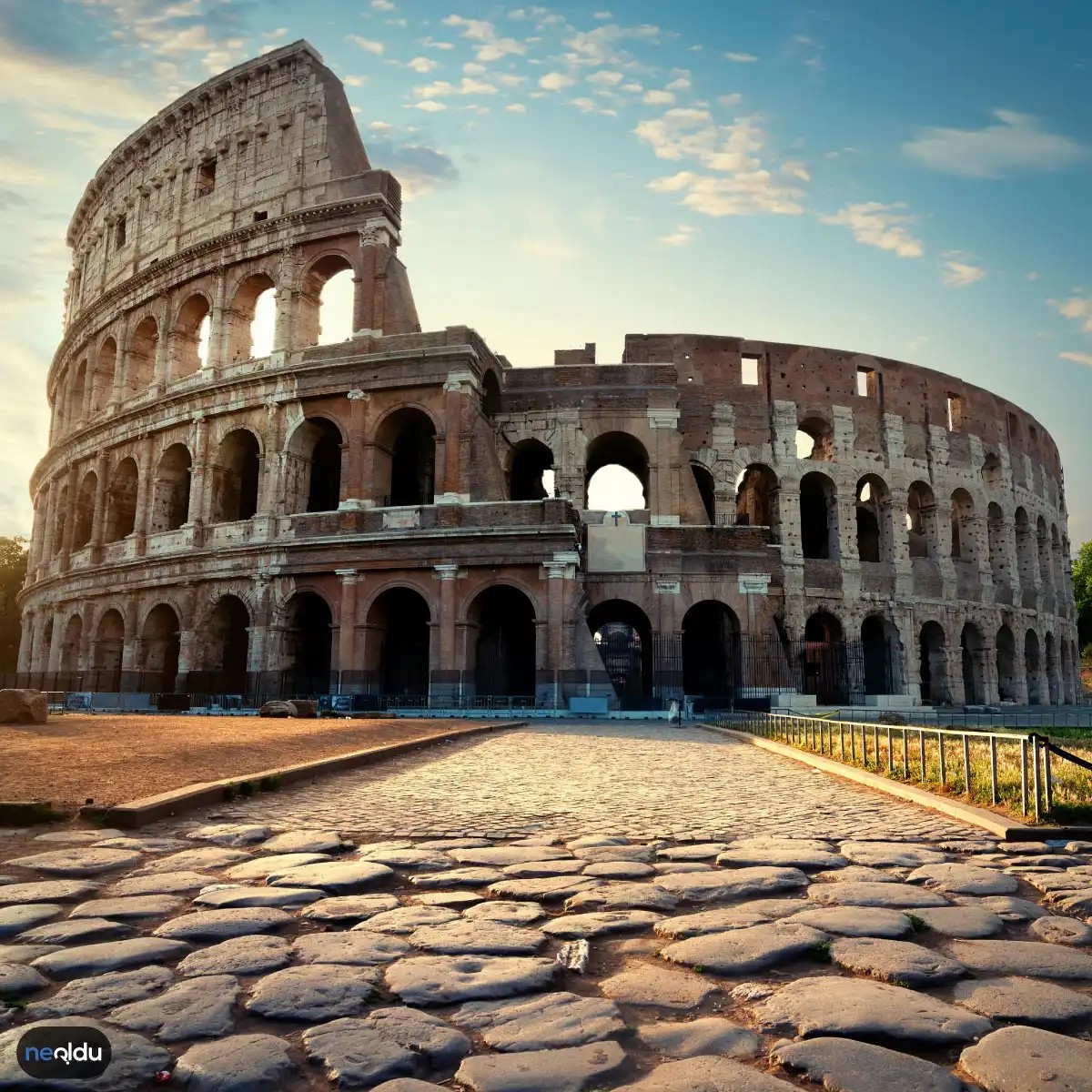
Rome doesn’t just ask for your attention; it demands it. The city is a heavy, layered place where history isn’t locked in glass cases. It’s under your feet. It’s in the cracks of the pavement. It’s in the way the light hits the travertine stone at 4 PM. You visit Rome because you want to touch the past. Millions come every year, chasing the ghosts of emperors and gladiators. But if you don’t know where to look, you’ll just see ruins. If you do it right, you’ll see a living city.
Here is the breakdown of the spots you actually need to see. Not the tourist traps. The real ones.
The Colosseum: Why You Can’t Skip It
Let’s start with the big one. The Colosseum.
It’s unavoidable. It’s on every postcard. It’s also massive. Standing in front of it, you realize the scale of ancient Roman engineering. They built an amphitheater that held up to 50,000 spectators. They did this without modern technology. Just concrete. Stone. And a lot of sweat.
If you’re planning your trip, you need to know this: how to buy Colosseum tickets before you arrive. Show up on the day of, and you’ll be stuck in a line that wraps around the block. You’ll waste hours. You’ll get frustrated. You’ll miss the magic.
Buy the Colosseum Roman Forum and Palatine Hill combo ticket. This is the standard pass. It gets you into the main arena, the underground hypogeum where the animals were kept, and the two hills next door. Skip the underground if you’re on a tight budget, but do not skip the Forum. They are connected.
The arena floor is gone. Most of it. What remains is the skeleton. It looks brutal. It looks impressive. You can see the vaults where the gladiators waited. You can look up at the tiers that are still standing and imagine the roar of the crowd. It’s loud history. It’s violent history. It’s real.
Inside the Ancient Arena: What to Look For
When you walk through the arched entrance, keep your head up. Look at the upper tiers. The structure is a maze of arches and corridors. The Romans were masters of crowd control. They designed the entry and exit points so 50,000 people could disperse in minutes. No bottlenecks. No panic.
Why does this matter? Because it shows sophistication. This wasn’t just a place for bloodsport. It was a machine.
Focus on the Colosseum underground tour. You need to see the hypogeum. This is the subterranean network of tunnels and lifts. It’s where the scenery was changed. Where the beasts were hoisted up to the sand. It’s dark. It’s cool. It smells like damp earth and old stone.
If you want a deeper dive, book a guided tour. The audio guides are okay, but a human guide can point out the specific box where the Emperor sat. The specific mechanism that raised the marble curtain. These details bring the stone to life.
The Roman Forum: The Heart of the Empire
2. Sistine Şapeli
Vatikan’ın kalbinde, Michelangelo’nun ruhu hâlâ tavanında yaşıyor. Sistine Şapeli, sadece bir ibadet yeri değil, Rönesans’ın en büyük sanatsal manifestosu. 1475’te Papa Sixtus IV tarafından inşa edildiği için bu adı aldı. İçerisi, o dönemin tüm ihtişamını taşıyor. Piskoposların ve Papa’nın törenlerini burada yaptığını düşünün. Ama bugün herkesin gözleri yukarıda.
Michelangelo’nun Son Yargı ve Tavan Freskoları
Tavana tırmanmak zorundasınız. Aslında, gözlerinizle tırmanacaksınız. Zira şapelin içine girdiğinizde, nefesiniz kesiliyor. Neden? Çünkü Michelangelo, bu alanı doldurmak için iki devasa proje üstlendi. İlk olarak tavan. İki yıl boyunca, sırtı yukarı bakarak çalıştı. Sonra da duvardaki o devasa Son Yargı tablosu. Bu tabloda, insanlığın kaderi resmediliyor. Azizler, azap çeken ruhlar ve kurtarılanlar… Hepsi tek bir perspektifte.
Ziyaret İçin Pratik Rehber
Buraya gelirken hazırlıklı olun. Kuyruk uzun. Sıkı güvenlik kontrolleri var. Metroyla Vatican-Ottaviano istasyonuna inin. Yürüyerek beş dakikada kapıya varırsınız. Ama biletinizi önceden alın. Sahne arkası turları dahil olmak üzere, online rezervasyon şart. Yoksa saatlerce beklersiniz.
En iyi zaman: Sabah ilk açılışta veya akşam üzeri. Hafta sonları kalabalık. Hafta içi daha yönetilebilir. Giysiler konusunda çok sıkılar. Omuzlar ve dizler kapalı olmalı. Şapellerde bu kural ihlali kabul edilmez.
“Sistine Şapeli’nde olmak, tarihin en büyük zihninin izlerini sürmek gibidir.”
Neden Vaktinizi Ayırın?
Çünkü burası, insanlığın inanç ve sanat arasındaki sınırı çizdiği yer. Michelangelo’nun fırça darbeleri, bugüne kadar bakışınızı cezbetmeye devam ediyor. Detaylara dikkat edin. Her figürün anlamı var. Her renk tonu, o dönemin teolojisini yansıtıyor.
Vatikan Müzeleri ile Sistine Şapeli biletleri genellikle bir arada satılır. Müzeleri gezerken, zamanınız daralırsa, direkt şapele geçin. Çünkü orada durduğunuzda, geri kalan her şey arka planda kalıyor.
The Sistine Chapel is the crown jewel, but it’s tucked inside a much larger, labyrinthine beast. You won’t just walk into the chapel and see the ceiling. You have to navigate the Vatican Museums first. A massive complex of galleries, courtyards, and halls, it houses over 70,000 works of art. Only a fraction are on display. The rest sit in storage or are too fragile to show. This isn’t a place for a casual stroll. It’s a marathon.
The Spiral of Stress
Most visitors start at the Bramante Staircase or the modern entry point, only to be swept up in a current of bodies moving forward. There is no time to look left or right. The pressure is physical. You are pushed along a single path designed for efficiency, not appreciation. This is why booking tickets months in advance is not a suggestion. It is a survival tactic. Skip-the-line tickets cost more, but they save you hours of standing in the sun. Without one, you might spend half your day waiting for a chance to enter.
Beyond the Sistine
Before you reach Michelangelo’s ceiling, you walk past centuries of history. The Gallery of Maps is a highlight. Brightly colored murals depict Italy’s geography as it was known in the 16th century. It’s detailed, almost obsessive. Then there are the Raphael Rooms. These four chambers were painted by Raphael and his students. The School of Athens is the most famous. Plato and Aristotle stand in the center. It’s a celebration of philosophy and human reason. The frescoes are vibrant. The perspective is precise. You stop walking. You look up. You forget the crowd for a moment.
The Egyptian and Etruscan Collections
Tourists often skip these sections to rush toward the chapel. They make a mistake. The Egyptian wing is one of the best outside of Cairo or Paris. Statues of gods, mummies, and everyday objects tell stories of a civilization that valued eternity. The Etruscan collection is quieter but equally rich. Bronze figurines, gold jewelry, and black pottery. These artifacts predate Rome. They show the roots of Italian culture. If you have time, give these rooms ten minutes. They offer a breath of fresh air away from the Renaissance giants.
The Laocoön and The Apollo
In the Cortile della Pigna, you’ll find some of the most famous sculptures in the world. The Laocoön and His Sons is a marble group depicting the Trojan priest and his boys being strangled by sea serpents. It was a huge influence on Michelangelo. The Apollo Belvedere is a idealized nude male figure. It represents classical beauty. These works are crowded. People take photos from every angle. But they are iconic for a reason. They shaped Western art.
Practical Tips for the Visit
- Book early. Use the official Vatican Museums website. Third-party sites add fees.
- Wear comfortable shoes. You will walk at least 2-3 kilometers.
- Bring a water bottle. There are refill stations, but you need to carry your own.
- Dress code. Shoulders and knees must be covered. No hats inside.
- Photography. It is
The Vatican Museums are not just a stop on a tourist map; they are a labyrinth of human achievement that can swallow a day whole if you aren’t careful. Housing one of the world’s most significant art collections, these halls are where papal ambition met artistic genius. You’ll walk past antique statues that have seen empires rise and fall, frescoes that redefine perspective, and mosaics that catch the light in ways modern screens can’t replicate. Among the highlights, the Rooms of Raphael offer a masterclass in High Renaissance harmony, while the Borgia Apartments provide a darker, more political glimpse into Renaissance power struggles. And then there is the Sistine Chapel. It is the climax. The ceiling is overwhelming.
Getting here requires strategy. If you show up unprepared, you will spend more time in line than looking at art. The trick is to go early. Book tickets online weeks in advance. This isn’t just about skipping the queue; it’s about beating the heat and the crushing crowds that make breathing difficult near the Pietà.
4. Pantheon
If the Vatican is a museum of the spirit and power, the Pantheon is a miracle of engineering that somehow feels alive. Built nearly two thousand years ago, it stands as Rome’s best-preserved ancient building, and for good reason. It wasn’t abandoned to the elements like many others. It was consecrated as a church, Santa Maria ad Martyres, in 609 AD, which saved it from the marble scavengers who stripped other monuments for building materials.
Stepping inside is a physical experience. The dome, with its 8.2-meter oculus at the apex, is the largest unreinforced concrete dome in the world. That’s not a small feat. When you look up, you see a beam of light cutting through the darkness, moving slowly across the floor as the sun tracks across the sky. It is the building’s only natural light source. The rest is shadow and stone.
The proportions are dizzying. The diameter of the rotunda is exactly equal to its height, a geometric perfection that has confused architects for centuries. The coffered ceiling isn’t just decorative; it reduces the weight of the concrete, making the massive span possible. It is engineering disguised as art.
Why the Pantheon matters to your itinerary:
* Access: It is free to enter. No tickets needed. This makes it a great buffer between paid attractions.
* Timing: Go in the morning. The light is sharpest, and the crowds are thinner. By noon, tour buses dump hundreds of people here, turning the interior into a standing-room-only event.
* Logistics: It is located in the historic center, near Piazza Navona. You can walk here from the Vatican in about 20-25 minutes, or take a short bus ride.
* What to see: Look at the niches that once held statues of gods. Note the bronze roof from the portico, which was stripped by Pope Urban VIII in the 17th century (his motto was “Quod non fecerunt barbari, fecerunt Barberini” – what the barbarians didn’t do, the Barberinis did). It’s a cynical reminder that Rome is built on reuse.
The floor is
Pantheon yalnızca bir bina değil, betonun sınırlarını zorlayan bir mühendislik harikası. M.S. 2. yüzyılda Hadrianus döneminde tamamlandı. İçerisinde devasa bir kubbe uzanır. Bu kubbe, modern dünyada bile benzeri olmayan bir açıklığa sahip. Üstündeki oculus adı verilen o büyük çember, gökyüzünü içeri çeker. Işık mermer sütunlardan süzülür. Zamanın etkisine rağmen yapı neredeyse eksiksiz. Roma’daki en iyi korunmuş antik yapılardan biri olması tesadüf değil. Burayı görmeden şehri anlamak zordur.
5. Roma Forumu
Pantheon’un soğuk, karanlık ve mistik atmosferinden sonra Roma Forumu (Forum Romanum) sizi açığa, güneşe ve kaosa bırakır. Burası, antik dünyanın merkeziydi. Siyaset, ticaret ve din burada kesişti. Bugün ayaklarınızın altındaki taşlar, Cumhuriyet’in ve İmparatorluk’un omurgasını taşır.
Gezginlerin çoğu burayı sadece harabeler yığını olarak görür. Yanlışlar.
Roma Forumu’nu anlamak için zihninizi bir anlık zaman makinesine koymanız gerekir. Bugün gördüğünüz sütunların gerisinde, Augustus’un zafer geçitleri, Julius Caesar’ın cenaze konuşmaları ve senato üyelerinin tartışmaları vardı. Roma Forumu gezilecek yerler listesinde en çok önerilen ama en çok yanlış anlaşılan nokta burasıdır.
Nereye bakmalısınız?
– Curia Julia : Senatonun toplantı salonu. Burası, Roma’nın kararlarının alındığı yerdir. Duvarları hala ayaktadır.
– Rostrum : Konuşmacının kürsüsü. Denizin kıyısından getirilen gemi burnu (rostra) ile süslenmiştir. Caesar burada konuşmuş, Brutus burada meydan okumuştur.
– Templo di Saturn : Hazine odası olarak kullanılan bu tapınak, sütunları ile Forum’un en ikonik görüntüsünü oluşturur. Fotoğraflarda hep arka planda görünür ama aslında ticaretin kalbidir.
– Arka of Titus : Yehuda’daki zaferi kutlamak için yapılmış. İçinde küçük bir müze bulunur. Giriş biletine dahildir.
Zamanlama kritik. Yaz aylarında Forum, güneş altında bir fırın gibi olur. Sıcaklık 40 dereceyi bulabilir. Erken saatlerde veya akşamüstü gitmek, hem ısıdan hem de kalabalıktan kaçmanızı sağlar. Giriş tek bilet, Colosseum ile birlikte verilir. İki gün kullanabilirsiniz. Bu, mantıklı bir stratejidir. Colosseum’u ilk gün, Forum ve Palatine Tepesi’ni ikinci gün gezin.
Palatine Tepesi’ne tırmanmak, Forum’a tepeden
6. Trevi Çeşmesi
Oldukça kalabalık olabilir. Neredeyse her zaman öyle. Ama Trevi Çeşmesi’nin başında durup o devasa barok heykel taşlarına bakmadan Roma’yı gerçekten görmeden etmiş sayılmazsın. Barok döneminin en ikonik yapılarından biri. 1762’de tamamlandı. Nicolò Salvi’nin tasarımı.
Neden bu kadar ünlü? Sadece güzelliğiyle değil. Efsanelerle.
Bir paradan atarsanız geri döneceksiniz. Bu en bilinen kural. Ama daha derin, daha garip inançlar da var. Bir elinizle arkadan, sadece sağ elinizle, paradı çeşmenin içine, Sant’Agnese in Agone heykelinin yüzüne doğru atmalısınız. Başarılı olursanız. Geri döneceksiniz.
Bir parayı iki eliyle atarsanız. Yeni bir ilişki bulursunuz.
Üç parayı aynı anda, üç parmakla fırlatırsanız. Evlilik ve çocuklar sizi bekliyor.
Bunlar efsane. Ama insanlar inanıyor. Ve bu inanç, çeşmenin atmosferini değiştiren şey.
Tarihi ve Mimari Detaylar
Neptun merkezde. Arkasında iki deniz tanrısı var. Birisi kör, birisi kör değil. Bu, denizlerin öngörülebilir ve öngörülemez doğasını temsil ediyor. Yanlarda, Sağlık ve Doluluk heykelleri. Bir atın suyu yaladığı sahne. Gerçekten etkileyici.
Cesare Bellotti’nin heykelleri. Giuseppe Pannini’nin rölyefleri. Tüm detaylar düşünülmüş.
Çeşmeye ulaşmak kolay. Piazza di Trevi’de. Kolonnesi Cappelletti’nin yanından çıkıp 2 dakikalık bir yürüyüş. İnce bir sokaktan.
Zamanlama önemli. Sabah erken saatlerde git. Kalabalık dağılmadan önce. Fotoğraf çekmek için en iyi zaman. Işık da o zaman daha yumuşak.
Neredeyse ücretsiz. Ama çevredeki restoranlar pahalı. Bir bardak su almak bile turist fiyatı. Kendi suyunu al. Şehirde birçok nokta ücretsiz su sunuyor.
Pratik İpuçları
Çevredeki kaldırım taşları kaygan olabilir. Dikkatli ol.
Para atmak yasak mı? Hayır. Ama çeşmeye tırmanmak yasak. Bu çok önemli. Güvenlik görevlileri sıkı takip ediyor. Para atarken dikkatli ol. Arkanda kimseye çarpmadan.
Para nereye gidiyor? Her hafta, Cuma günü, gelirleri toplanıyor. Kızılhaşa bağışlanıyor. Bu, efsanelerin ötesinde, gerçek bir fayda sağlıyor.
En iyi fotoğraf açıları. Arka planda heykellerin tamamını görmek için biraz uzaklaş. Cep telefonuyla bile net görüntüler alınır. I
Trevi Çeşmesi, Roma’nın en ikonik simgelerinden biri olmanın ötesinde, 18. yüzyılda tamamlanmış devasa bir Barok şaheseri. Peki, neden bu kadar ünlü? Hikayesi antik su kaynaklarına, özellikle Roma’nın tarihteki su sıkıntısını çözmek için yapılan o meşur çalışmalara dayanıyor. Bugün gördüğümüz yapı, o eski soruna verilen devasa, mermerden bir cevap.
Boyutları etkileyici. Heykelleri detaylı. Süslemeleri göz alıcı. Ama gelin gerçeği söyleyelim; çoğu ziyaretçi oraya sadece bir şey için duruyor: dilek tutmak. Gelenek, çeşmenin suyuna bir bozuk para atarak geri dönmek için dilek dilemek üzerine kurulu. Belirsiz bir istek değil, net bir niyet.
Ziyaret planınızı yaparken dikkatli olun. En iyi zaman, gün batımından sonraki saatler. Işıklandırma, yapının karanlıktaki görünümünü tamamen değiştiriyor. Gece ışıkları altında çeşme, gündüzden çok daha dramatik ve etrafındaki atmosfer de daha büyülü. Kalabalığı biraz olsun atlatmak ve bu görüntüyü doyasıya yaşamak için akşam saatlerini hedefleyin.
7. İspanyol Merdivenleri
Trevi’den sadece birkaç adım uzakta, Piazza di Spagna’da uzanan bu ünlü merdivenler, Roma’nın sosyal hayatının kalbi gibi. 135 basamaktan oluşan bu yapı, 17. yüzyılda İtalyan mimar Francesco de Sanctis tarafından tasarlanmış. Ama asıl ilginç olan, bunun aslında bir kilise için bir geçit değil, daha çok bir meydanın tavanı gibi işlev görmesi.
Burada ne yapılmalı? Sadece yukarı çıkmak yetmez. Merdivenlerin tepesindeki Trinità dei Monti Kilisesi’ne tırmanmak, Pantheon veya Roma’nın çatıları için muhteşem bir manzara vaat ediyor. Ama alt kısımdaki Piazza di Spagna de boşuna ünlü değil. Burası, yerel halkın oturup sohbet ettiği, turistlerin fotoğraf çektiği ve bazen de beklenmedik bir şekilde kalabalık olan bir alan.
Ziyaret için en iyi zaman sabah erken saatler veya gün batımından hemen önce. Öğleden sonranın ortasında hem sıcaklık artıyor, hem de grup turlarının yoğunluğu zirveye çıkıyor. Merdivenlerde oturmaya kalkışmayın — kurallar sıkı ve cezalar havalı. Bunun yerine, etraftaki kafenin bir masasına oturup aşağıdaki hareketliliği izlemek daha akıllıca.
Hangi saatleri seçerseniz seçin, burası Roma’nın nabzını tuttuğu yerlerden biri. Hem Tarihi Merkezi’nin kalbi hem
The Spanish Steps are not just stairs. They are a stage.
Starting from Piazza di Spagna, the staircase climbs up to the Trinità dei Monti church. French diplomat Étienne Gueffier paid for them in the 18th century. He did it as a gift to King Louis XV. His goal was to improve access to the French embassy at the top. But the steps became so much more.
Artists flocked here. Writers like John Keats and Percy Bysshe Shelley found inspiration on these stones. They sat at the nearby Café Greco. The area turned into a hub for luxury. Today, it is still one of Rome’s most expensive shopping districts.
You will find high-end boutiques lining the base. Brands like Bulgari, Cartier, and Valentino have stores here. It is tourist-heavy, yes. But the architecture is undeniable. The Trinità dei Monti church at the top offers a view that stretches across the city.
9. Villa Borghese: Rome’s Green Lung
A few blocks away lies a different kind of escape. Villa Borghese is a large park. It covers 80 hectares. It feels like a different city entirely.
The park was created in the early 17th century. Cardinal Scipione Borghese laid out the gardens. He wanted a place for leisure and hunting. Today, it is where Romans jog, picnic, and escape the heat.
There are many things to see inside. The Galleria Borghese is a must. It houses masterpieces by Bernini, Caravaggio, and Raphael. You need to book tickets weeks in advance. Walk-ins are rarely allowed.
If you skip the museum, the park still offers plenty. Rent a paddle boat on the artificial lake. Visit the bioparco zoo. Or just find a bench under the trees and watch the locals live their lives.
The park is free to enter. The museum charges a fee. But the view alone is worth the trip.
10. The Jewish Ghetto
Head toward the Tiber River. The streets change. The vibe shifts.
This is the Jewish Ghetto. It is Rome’s oldest neighborhood. Jews have lived here since the 1st century BC. The area was enclosed in 1555 by Pope Paul IV. He ordered Jews to live in a confined zone. They had to wear distinctive clothing. They were barred from owning land.
The walls came down in 1870. But the community remained.
Now, the Ghetto is vibrant. It is famous for its food. You must try the fried artichokes. Carciofi alla giudia is the signature dish. They are deep-fried until they are crispy and golden. The best spot is in the evening. Arrive early to avoid long lines.
Walk through the Great Synagogue. It is a massive structure with a dome and minarets. The interior is stunning. The surrounding streets are filled with small shops and cafes.
The area is compact. You can walk it in an hour. But take your time. Look for the plaques on the buildings. They mark where the ghetto boundaries once stood.
11. Trastevere’s Evening Magic
Cross the Ponte S
The sheer scale of St. Peter’s Basilica is what hits you first. It isn’t just a building; it’s a statement of power, faith, and artistic obsession that has dominated the Rome skyline for centuries. As one of the largest and most significant churches in the city, it serves as the spiritual heart of Catholicism. You’re standing in the same space where popes have been crowned for millennia, on ground that has held religious significance since the 4th century. That’s older than most medieval cathedrals you’ll see in Europe.
The architecture alone demands attention. The massive dome, designed by Michelangelo, is visible from almost anywhere in the historic center. Inside, the air is cool and still, smelling faintly of stone and incense. You’ll find Michelangelo’s Pieta tucked away in the first chapel on the right. It’s easy to miss if you’re rushing, but it’s the only sculpture he ever signed. The marble looks softer than actual stone, almost like flesh. Next to it, Bernini’s bronze Baldachin stretches up toward the dome, a swirling canopy of columns that feels like it’s moving even when you’re standing still.
Visiting here isn’t just about checking a box on your itinerary. It’s a sensory overload of gold leaf, marble statues, and hushed voices. You need to book tickets in advance if you want to climb the dome. The cost is higher than the free entry to the basilica itself, but the view is worth the euros. You’ll see the sprawl of Rome, the Tiber winding through the city, and the green oasis of the Vatican Gardens below. Just wear comfortable shoes. The climb is steep, and the steps are uneven.
9. Castel Sant’Angelo
A short walk north along the Tiber River, past the bridges adorned with cherubs, lies Castel Sant’Angelo. It looks nothing like the delicate beauty of St. Peter’s. This place is a fortress. Built by Emperor Hadrian as a mausoleum for himself and his family, it was later converted into a castle, then a prison, and finally, a museum. Its thick walls and cylindrical shape tell the story of a city that had to defend itself against invaders, popes, and pirates.
The exterior is imposing, topped by the angel statue that gives the castle its current name. But the real story is inside. You can walk up the ramp that spirals to the top, passing through centuries of history. The rooms are decorated with frescoes, including works by Raphael, who was commissioned by Pope Julius II. It’s a stark contrast to the religious art in the basilica; here, the art is more personal, more imperial.
The view from the terrace is arguably better than the one from St. Peter’s dome. You get a direct line of sight to the basilica itself, framed by the river and the modern city. It’s a photographer’s dream, especially at dusk. The light hits the white marble of St. Peter’s just right, making it glow against the darkening sky.
Logistically, Castel Sant’Angelo is easy to reach. It’s a 15-minute walk from St. Peter’s Square, or a quick bus ride if
Castel Sant’Angelo isn’t just a fortress; it’s a time capsule standing guard over the Tiber. Built originally as a mausoleum for the Emperor Hadrian, its purpose shifted drastically over the centuries. It became a military stronghold, then a papal residence, and at one point, a grim prison. Today, it functions as a museum, but the real draw is the climb. The spiral ramp winds upward, offering increasingly dramatic views of Rome below. Inside, you’ll find frescoes and artifacts that hint at its complex past. Getting there is straightforward—cross the Ponte Sant’Angelo bridge. The view from the top justifies the effort. It’s a stark reminder of how utility and beauty have coexisted in this city for two thousand years.
10. Piazza Navona
If the Pantheon is Rome’s architectural crown, Piazza Navona is its lively living room. Built on the site of the Stadium of Domitian, the oval shape of the piazza is a ghost of its ancient predecessor. You can still see the curve if you know where to look. The square is dominated by three magnificent fountains, each claiming the spotlight.
The central feature is Bernini’s Fountain of the Four Rivers. It’s a baroque masterpiece, towering and theatrical, representing the Nile, Ganges, Danube, and Rio de la Plata. The obelisk in the center balances the composition. To the north is the Fountain of Neptune, simpler but equally striking. On the south side stands the Fountain of the Moor, a smaller, more intimate piece by Giacomo della Porta.
Why do people flock here? The atmosphere. It’s pedestrian-only. You can sit at one of the many cafes, watching the world go by. The cost of a coffee might be higher than on a side street, but the view is part of the price. Street performers entertain crowds, and artists set up easels to capture the scene. It’s tourist-heavy, yes, but that doesn’t make it less worth visiting. It’s the heart of Baroque Rome.
Getting there is easy. It’s within walking distance of the Pantheon—just a five-minute stroll. If you’re using public transport, the closest bus stops are on Corso Vittorio Emanuele II. Parking is nearly impossible in the immediate vicinity, so leave the car behind.
What should you see inside? The churches bordering the piazza are often overlooked. Sant’Agnese in Agone, facing the main square, is a competition between Bernini and Borromini. Their rivalry adds a layer of intrigue to the architecture. The façade is curved, unlike the typical rectangular front, reflecting Bernini’s influence. Inside, the dome is painted with a stunning illusionistic ceiling that makes you feel like you’re looking straight up into heaven.
Timing matters. Visit early in the morning to avoid the crush of tour groups, or late in the evening when the fountains are lit up. The light changes the mood completely. At dusk, the golden hue of the stone contrasts with the blue sky. It’s a photographer’s dream.
Don’t just stand at the edge. Walk around the perimeter. Notice the details in the buildings—windows, balconies, the texture of the stone. The piazza feels enclosed, almost like a stage set. That’s intentional. It was designed to impress.
Piazza Navona, Roma’nın en kalabalık ve en canlı noktalarından biri. Tarihi, Domitian Stadyumu’nun kalıntılarının üzerine kurulmasına dayanıyor. Eskiden yarışlar ve festivallerin yapıldığı bu alan, bugün mimarinin şaheserleriyle dolup taşıyor. Özellikle Bernini’nin Dört Nehir Çeşmesi (Fontana dei Quattro Fiumi) göz alıcı. Üç büyük çeşme arasında en ünlüsü. Sokak sanatçıları, kafe ve restoranlarla dolu. Burası sadece bir meydan değil, bir yaşam alanı. Etraftaki tarihi binaları gezmek, oturup etrafı izlemek keyifli.
11. Ostia Antik Kenti
Roma’nın kalabalığından kaçmak istiyorsanız, Ostia Antik Kenti tam size göre. Şehrin hemen güneybatısında, Tiber Nehri’nin ağzında yer alıyor. Burası, Roma İmparatorluğu’nun önemli bir liman kenti ve askeri üssüydü. Volkanik külün altında kalarak mükemmel durumda korunmuş bir zaman kapsülü.
Nereden gidebilirsin?
Roma’dan Ostia Antica istasyonuna trenle ulaşmak en pratik yol. Trenler yaklaşık 40-50 dakika sürüyor. Tren bileti tek yön yaklaşık 1.50 euro. Frequentemente trenler var, bu da planlamanı kolaylaştırıyor.
Ne zaman gitmelisin?
Ostia’da güneş yanığı riski yüksek. Yaz aylarında sıcaklık 30 dereceyi geçebiliyor. Erken saatlerde veya sonbahar aylarında gitmek daha konforlu. İlkbahar ve sonbahar, hem hava hem de kalabalık açısından ideal.
Ne görebilirsin?
Ostia’da Roma’nın günlük hayatına tanıklık etmek mümkün. Evler, dükkanlar, hamamlar ve tiyatrolar hala ayaktadır. Mükemmel durumda korunmuş mozaikleri görmek başlı başına bir deneyim.
En çok dikkat çeken yerler:
– Büyük Tiyatro: Roma’dan sonra en büyük ikinci tiyatro. 3.000 kişilik kapasitesi var.
– Termal Kompleksler: Antik hamamlar, hâlâ ısıtma sistemlerinin izlerini taşıyor.
– Casa della Fortuna Analoga: Evin adı “Analoga Şans Evi”. Mozaikleri ve duvar resimleri etkileyici.
– Mithras Tapınağı: Mistik bir dinin izlerini taşıyor.
Ne kadar vakit ayırmalısın?
Ostia Antik Kenti’ni tam olarak gezmek için en az 2-3 saat ayırmanız gerekiyor. Eğer mozaikleri ve detayları yakından incelemek istersen, daha fazla zaman ayırmak iyi olabilir.
Nereden yemek yiyebilirsin?
Kent içinde yeme içme seçenekleri sınırlı. Yanınızda su ve hafif atıştı
Rome’s main attractions are crowded. That’s why Ostia Antica is the real pick for digging into ancient ruins. It served as the empire’s primary sea port. You can walk through theaters, forums, baths, and homes here. The site is close to the city center. It offers a unique glimpse into daily Roman life.
12. Caracalla Baths (Terme di Caracalla)
Not the ones in Rome. These are in Ostia. They date back to the 3rd century. Emperor Caracalla’s name is attached, though they were built later. The complex is huge. It has multiple rooms. You can see the hypocaust system. This heated the floors. It kept visitors warm in winter.
The mosaic floors are intact. They depict sea creatures. Poseidon is there. So are dolphins. The colors are vivid. You can see them from the walkways. The architecture is impressive. High walls surround the area. It feels enclosed. Private. A world away from the bustling port outside.
Why visit? To understand Roman hygiene. They bathed daily. It was social. It was political. The baths in Ostia show this clearly. You can walk the same halls. Touch the same stones. It’s not just a museum. It’s a living space.
Timing matters. Go early. The sun hits the mosaics hard by noon. Shadows hide details. Morning light reveals the artwork. Wear good shoes. The paths are uneven. Stones shift underfoot. Bring water. There are few vendors inside.
Cost? It’s included in the combined ticket. The full pass costs around €13. This covers Ostia and the archaeological museum. Buy it online. Skip the line. Walk straight to the baths. Spend 20 minutes here. Let it sink in.
Then move on. The nearby synagogue is next. It’s the oldest in Europe. A stark contrast. Different faith. Same city. The transition is jarring. Beautiful. You’re leaving the Roman world. Entering another. One step forward. Two worlds behind.
The ruins of the Baths of Caracalla are a stark reminder of imperial excess. This isn’t just a pile of stone. It’s a two-story thermal complex that feels more like an open-air museum than an archaeological site. You walk through the remnants of what was once the largest public bath in Rome, and the sheer scale hits you differently than the Colosseum does.
Why? Because the Colosseum was for spectacle. This was for luxury.
Everywhere you look, there are fragments of the original structure. The marble floors are gone, mostly, but the walls still stand tall, framing views that make you appreciate Roman engineering. It’s crowded year-round. Summer heat bakes the stone; winter wind whips through the arches. But it’s worth braving the crowds because the atmosphere is palpable.
Inside the ruins, you’ll find statues. Many are replicas, but the originals are preserved in the nearby Baths of Caracalla Museum. Seeing them helps you understand the wealth of the Romans. These weren’t just people who liked a hot tub. They had the resources to import marble from across the empire, to commission art that rivaled the Greeks, and to build infrastructure that defined urban life for centuries.
The baths operated as a social hub. Men and women had separate times, but the facilities included gyms, libraries, and gardens. Walking through the cold room, the warm room, and the hot room, you can almost hear the echoes of ancient chatter. It’s a tangible link to a time when public health and leisure were state-sponsored.
13. Santa Maria Maggiore Basilica
Just a short walk from the imperial ruins lies a different kind of grandeur. The Santa Maria Maggiore Basilica is one of Rome’s four major papal basilicas. It’s older than you might think. Founded in the 5th century, it stands on the site of an earlier temple to Juno.
This isn’t a quiet chapel. It’s a massive structure that dominates the Esquiline Hill. The facade is simple, but inside, it’s a feast for the eyes. The ceiling is covered in gold leaf, a gift from Pope Sixtus V in the 16th century. The light catching the gold creates a warmth that contrasts sharply with the cold stone of the Caracalla baths.
The mosaics here are significant. They date back to the 5th century and are among the oldest and best-preserved in Rome. They depict scenes from the Old Testament, executed with a style that blends Roman naturalism with early Christian symbolism. If you’re studying art history, these mosaics are a goldmine. If you’re just traveling, they’re a stunning backdrop for photos.
The treasury holds relics, including what is believed to be the Holy Crib from Bethlehem. This draws pilgrims from around the world, but it also attracts tourists curious about the religious history of the city. The atmosphere is reverent, but not stifling. You can sit in the pews and watch the light change as the sun moves across the sky.
For travelers, the location is key. It’s near the Termini station, making it easy to fit into a day that might otherwise feel rushed. You can spend an hour here without feeling like you’ve missed anything. The adjacent papal palace and the Scala Santa (Holy St
The Golden Dome of Santa Maria Maggiore
You won’t find a pyramid here. Not really. The basilica’s most striking feature is its late-Renaissance façade and the breathtaking gold-leaf mosaics inside, but the roofline is what catches the eye from a distance. That’s the work of Pope Liberius. He built it in the 4th century after a dream. The Virgin Mary supposedly appeared to him and a Roman patrician, asking for a church on the Esquiline Hill. Snow was expected to fall there on August 5th to mark the spot. It did. Hence the name Santa Maria ad Nives — Our Lady of the Snows.
It’s the largest church in Rome dedicated to the Virgin. That’s a big deal.
The interior is a sensory overload. The nave is divided by ancient columns, some ripped from Roman temples, supporting a ceiling that looks like it’s floating on gold. The mosaics in the apse are stunning. They depict Old Testament stories, but they’re framed by Renaissance art. It’s a collision of eras.
Don’t skip the crypt. It’s dark, cool, and smells like stone and centuries. You’ll see the Salva Domine icon, believed to be the portrait Mary herself sat for. Travelers who rush through the main floor often miss it. They shouldn’t. The silence down there is different. It’s heavy. It demands attention.
If you’re visiting in summer, the heat inside can be intense. The gold reflects it. Bring water. Wear breathable clothes. The line moves fast, but the crowd is dense. Go early. Or late. Late afternoon light filters through the high windows and hits the mosaics at an angle that makes the gold seem to pulse.
St. Peter’s Square (Piazza San Pietro)
Now, leave the quiet of the basilica behind. Walk out the front door and into the noise. St. Peter’s Square is a stage. Bernini designed it in the 17th century to look like the open arms of the Church. Two colonnades. Four rows of Doric columns each. They stretch out to embrace the visitor.
It’s crowded. Always. Millions of people pass through here every year.
The square is paved with a trapezoidal pattern. The center is dominated by an ancient Egyptian obelisk. It’s 25 meters tall. It was brought to Rome by Caligula. It’s a witness to emperors, popes, and revolutionaries. At its base, you can still see the scars from when it was nearly torn down during the 1586 reconstruction. The engineering feat of moving it without breaking it is legendary.
Bernini placed twelve fountains around the square. They’re simple. White stone. They add movement to the stone expanse. The colonnades create a sense of intimacy despite the scale. It’s a trick of perspective. From the center, the columns seem to merge into a single line. It’s intentional. Bernini wanted you to feel held.
Visit at night. The lights turn on. The square feels different. Less chaotic. The shadows soften the harsh lines of the columns. It’s romantic, in a way. A bit theatrical, yes. But that’s the point. St. Peter’s isn’t just a square. It’s a
The Vittorio Emanuele II Monument
If you’re still catching your breath from St. Peter’s Square, turn north toward the Altare della Patria —the White Lady of Rome. You can’t miss it. It sits right at the end of Via del Corso, looming over Piazza Venezia like a massive wedding cake made of marble.
This is the Vittorio Emanuele II Monument, a national shrine dedicated to the first king of a unified Italy. It’s not just a building; it’s a statement. Built between 1885 and 1935, the structure spans 135 meters in length and rises 70 meters high. That’s not small change. It dominates the skyline here for a reason.
Why does it matter? Because this spot was once the heart of the ancient Roman Forum. The monument literally rises out of the archaeological remains, creating a weird, beautiful layering of history. You’re standing on top of ancient roads, looking down at modern tourists, while the king watches from above.
Visually, it’s intense. Two massive bronze quadrigas (four-horse chariots) flank the central statue. The equestrian statue of Vittorio Emanuele II sits front and center, flanked by the goddesses of Rome and Turin. It’s grandiose. Some call it kitsch. Others call it essential. You’ll probably feel both.
How to Visit the Altare della Patria
You don’t just wander in. There’s a process.
- The entrance : Located at the base of the monument, near the archways.
- The cost : Tickets run around €11 for general access. If you want the full experience, grab the combined ticket for the museums and the panoramic terrace.
- The elevator : Take the glass elevator up to the terrace. It offers the best view of the city, stretching all the way to the dome of St. Peter’s in the distance.
- The tramway : Two electric tramways run up the sides of the monument. They’re open-air. Great for photos. Less great if you’re afraid of heights.
Why You Should Go
Most people walk past it. They snap a quick pic and keep moving toward the Forum. That’s a mistake.
The view from the Panoramic Terrace (Terrazza del Vittoriano) changes how you see Rome. You’re not looking at a single building. You’re looking at the sprawl. The Vatican. The Tiber winding like a dark ribbon. The mix of ancient ruins and baroque roofs.
It’s also one of the few places in Rome where you can see the Roman Forum and the Capitoline Hill from a single vantage point. The scale is different when you’re elevated. The Forum looks smaller, more fragile. It reminds you that empires fall.
Timing and Logistics
Go early. Or go late.
- Morning : The light is soft. The crowds are thinner. Good for photos without hundreds of heads in the frame.
- Sunset : The marble glows gold. The terrace fills up. It’s magical. And crowded.
- Evening : The monument lights up. It looks even bigger at night. A dramatic backdrop for a nightcap.
If you’re visiting in summer, bring water. The terrace is
Rising from the Piazza Venezia like a block of wedding cake carved by a perfectionist, the Vittoriano (or Altare della Patria) isn’t just a monument; it’s a statement. Built between 1885 and 1911 to honor Victor Emmanuel II, Italy’s first king, Giuseppe Sacconi’s design leans heavily into Neo-Classical grandeur. But if you think you know what’s up top, look closer.
The Chariots of the Apocalypse
Most visitors gaze up at the massive equestrian statue of Victor Emmanuel II and move on. Few notice the roofline’s two striking sculptural groups flanking the central dome. These aren’t just decorative flourishes. They represent the “Four Horsemen of the Apocalypse” theme, specifically depicted through two bronze chariots pulled by winged horses.
One chariot is pulled by horses representing Victory. The other by those symbolizing Desire.
It’s a dark, mythological twist for a national monument. Why place symbols of war and passion atop a shrine to national unity? Perhaps because the unification of Italy wasn’t a peaceful merger of treaties. It was a struggle. The horses strain against their reins, muscles taut, eyes fixed on a horizon only they can see.
Why This Matters for Your Itinerary
If you’re planning a trip to Rome, the Vittoriano offers more than just photo ops. The terrace at the top provides one of the best panoramic views of the Forum and the Capitol. But the real story is in the details:
- Best Time to Visit: Early morning or late afternoon to avoid the crush of tour groups.
- Logistics: Tickets for the elevator are free but essential. Walking up the stairs is possible but exhausting and often closed for maintenance.
- What to Look For: The bronze statues of the Four Horsemen. They’re small from the ground, but up close, they’re masterpieces of tension and movement.
The monument is more than stone and bronze. It’s a reflection of a young nation trying to define itself. The horses don’t just represent abstract concepts. They represent the cost of that definition.
Standing there, looking at the horses, you might wonder: what does victory cost? And who pays the price? The answers aren’t in the plaque. They’re in the silence between the clicks of cameras and the distant hum of the city below.


