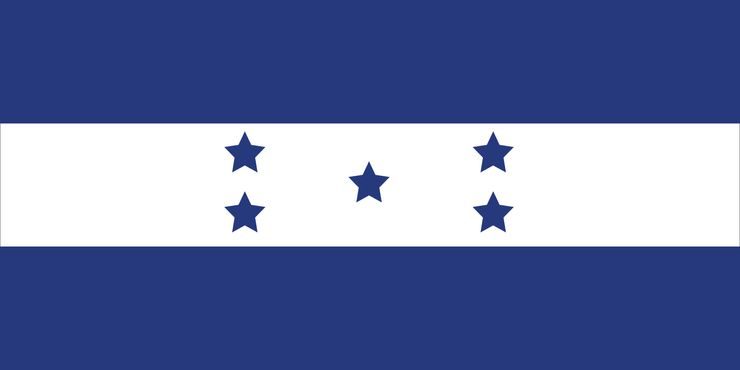
Honduras is not a postcard version of Central America. There is nature, there are mountains and lots of greenery. More than three-quarters of the country is forested highlands or rugged coastlines. The population is estimated to be around 10.2 million, most of whom live in isolated mountain communities with hot air and abundant rainfall. The only language you need to worry about is Spanish. The currency is Lempira. When you plan a trip here, you are entering a place steeped in history in stone and jungle in the second largest country in Central America.
Landscape and logistics
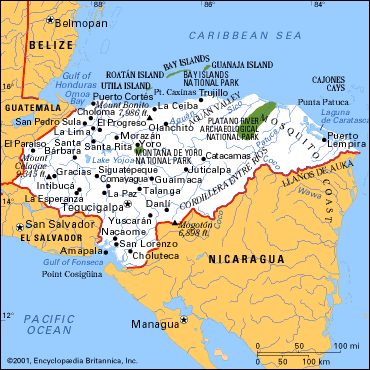
Geography decides everything here. To the north are 400 miles of Caribbean coastline. To the south are 45 miles of Pacific beaches located around the Gulf of Fonseca. Between them is a mountain range that divides the country in two. The eastern lowlands stretch all the way to the Mosquito Coast, giving the area a remote and undeveloped feel.
Most travelers never leave the coastal resorts or the capital. This is wrong. The real rhythm of life beats in the interior. You can find isolated communities hidden in the mountains. The climate is tropical, but the altitude affects it. It’s raining a lot. It rains hard.
Traveling requires patience. The road can be difficult. Distances are deceiving. The 50-mile drive can take three hours on winding roads through the mountains. Public transport is cheap but slow. Private tours are nice, but quite expensive. If you want to see the real inside, you need time.
An ancient stone in the jungle
Why do people come to Honduras? For many, it’s Copán. This Mayan ceremonial center was used between AD 465 and AD 800. It is located deep in the Western Mountains, off the tourist trail.
Ruins are not just scattered stones. They are architectural and sculptural remains that testify to a complex civilization. The hieroglyphic staircase is worth seeing. The sculptures are detailed. The jungle reclaims everything quickly. You have to move fast and see the vines before they grow back.
Copán reminds people that this land was inhabited long before Columbus arrived. Christopher Columbus arrived on the shores of Honduras in 1502. He saw the land but did not settle there. Later the Spanish settled there. The meeting was brutal. In 1537, a great war broke out. The conflict ended with the destruction of the native population due to disease and slavery. The effects of this violence are still felt in different population groups. The majority of the population is mestizo, with both European and indigenous ancestry.
Modern history and Resilience
Honduras is a multi-party republic. The head of state is the president. The capital is Tegucigalpa, which is located in the highlands. This is a city with steep roads and colonial architecture. It is not glamorous. It’s practical.
The 20th century was characterized by military rule and almost constant civil war. A civilian government was finally elected in 1981. However, the influence of the military remains. Left-wing guerilla activity increased. The country was fragile.
Then came the storm. In 1998, Hurricane Mitch struck causing widespread flooding. Thousands died. Hundreds of thousands were left homeless. The country was rebuilt from the ground up until a severe drought hit in 2001. Recovery took years.
The political situation is still unstable. In 2009, President Manuel Zelaya was ousted in a coup. It was the first military coup in Central America since the end of the Cold War. A provisional government took over for a while. The next president took office in January 2010. The country has moved on, but the scars still remain.
What to Bring and Expect
Honduras is not a luxury destination. This is an adventure destination. You will eat corn as a staple. The most important export crops are bananas, coffee and sugar. You will see plantations everywhere