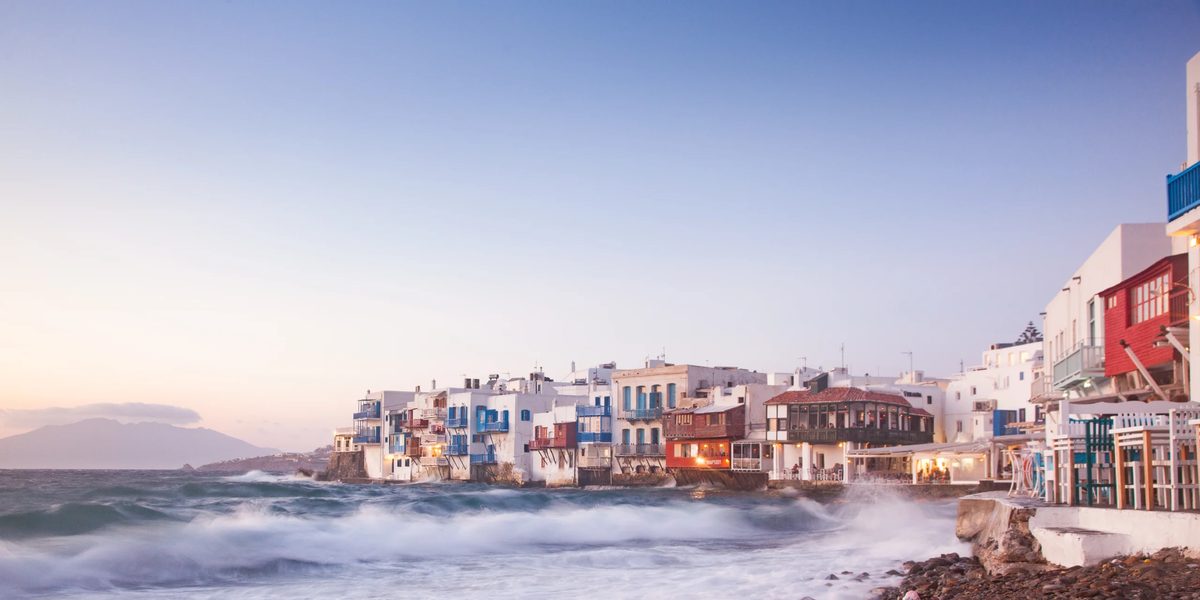
Greece is more than just a living history textbook. It is chaotic, dynamic and full of contradictions. If you think you know this place because you’ve seen pictures of the Parthenon, you’ve only scratched the surface. The real magic is between the big tourist traps.
The weight of history
This country did not appear out of nowhere. It is the foundation of Western civilization. We are talking about the Mycenaean civilization, which was born around 2000 BC. Then there were the city-states in the 8th century BC, where democracy, philosophy and theater were basically invented.
But it wasn’t always like this. The Romans took over. Later, the Byzantine Empire made this a central base. In 1453, the Ottoman Empire swept all of Greece. It wasn’t until 1830 that Greece finally declared independence. It has many layers. The ruins you walk through have been reused, rewritten and recycled countless times.
Geography that defies logic
Geographically, Greece is located at the southern tip of the Balkan peninsula. Water and stone puzzle.
The Pindos Mountains run through the country like a backbone. It is sturdy. Very impressive. They separate the coastal plains from the inland plains.
Then there’s water. There are more than 6000 islands in Greece. Six thousand. Most are small stones. There is also a lush oasis. The climate is Mediterranean. This is a polite way of saying that summer is hot and dry. Winters are mild, but humid. If you are planning a trip, time is of the essence. The archipelago trip in July was an exercise in controlling the heat. The trip to November was quiet, rainy and very real.
Culture and taste
Orthodox Christianity is still an important thread in the tapestry of culture. But it’s not just religion. It’s in the music. dance. literature. Especially food.
Forget the usual “Greek salad” at home. The real Greek food is Mezedes. a small plate. Share your experience. The olive oil here is a golden liquid. Seafood was caught that morning. It has a very rich taste. Polishing simple materials with technology and history.
The tourism industry is huge. Everyone knows this. However, the industry is stratified. There are large resorts on the islands of Mykonos and Santorini. And then there is a quiet, empty village in the Peloponnese. Which one are you chasing?
Where should I start and dig deeper?
Most people stop in Athens and several islands. Don’t do it.
If you want to understand Greece, you have to go inland. Visit Meteora’s monasteries, perched on sandstone pillars. They are not only beautiful; They are an indication of human stubbornness. Construction logistics there are pretty crazy. This view makes every step worth it.
Then look north. Mount Athos. A semi-autonomous monastic state. Women are not allowed to enter the peninsula. It’s very strange. This is unique. This is its own world.
The island is easy. It’s too easy. Everyone goes to the same three. Crete is huge. It has its own culture. own

Why Santorini’s Oia Sunsets are worth the hype
It’s no secret that Greece attracts a lot of tourists. The beach is very bright. This dish is rich in olive oil and lemon. But if you’re going, you need to plan for more than just going where everyone else is. Most routes ignore the harsh realities of logistics. They missed the cost. They passed the time.
You don’t need a guide to understand the basics. You just need to know where to stand and when to arrive.
The weight of the ancient capital
Athens is more than just a traffic hub. This is centuries of layers. Start at the Acropolis. The Parthenon rises to the horizon, but there’s more to it than just looking up. Walk along the ancient cobblestone streets. Feel the heat radiating from the marble. The Ancient Agora is located below, creating a quieter and more contemplative atmosphere. You can buy a combined ticket to the ruins. The price is around 30 euros. If you want to skip the ticket lines at different stops, it’s worth every penny.
Let’s go early. Before 8 o’clock. The light is soft. There was little audience. It’s past 11 in the sun. Spend the day here. After that, go for an evening walk through the Plaka area. Although the restaurant is touristy, the atmosphere is authentic.
Santorini’s golden hour
There’s a reason why the word Santorini is a cliché. it works. But the cliché betrays the logistics. Oia is famous for its sunsets. They are also bottlenecks. Thousands of people gathered in the narrow streets to watch the five-minute spectacle.
Arrive before 5 p.m. Not at 7 p.m. Not at 6 p.m. at 5 p.m. There are places in the castle ruins and on the terraces of quiet bistros. Please bring water. Bring cash. Great place to go without a card.
The whitewashed houses and the Blue Dome aren’t just pretty to look at. It’s practical. White reflects heat. The blue dye in the dome was originally used to repel mosquitoes. This is history as you can see.
Don’t just stop at Oia. Take the ferry to Imerovigli. It’s more expensive. Quieter. The views are the same. The audience split in half.
Mykonos: Noise and sand
Mykonos is a different beast. It’s noisy. Very expensive. It’s electric. If you want to party, head to Paradise Beach or Super Paradise Beach. DJs start early. Drinks are expensive. But the energy is undeniable.
If you don’t like crowds, go to Ornos Beach. Relatively calm. The water is very clear. You can actually hear your thoughts.
Rent an ATV. This is the best way to see the island. The road is very narrow. Driving is aggressive. That’s part of the fun. Be careful with it. The police have strict requirements for helmets.
The size and diversity of Crete
Crete is vast. It will be unwieldy within a week. Two weeks are required. Let’s start with Hania. Venice harbor is amazing. The old town is a maze of narrow streets. Eat fresh seafood. It is very cheap. It is very fresh.
Head west to Elafonisi Beach. The sand is pink. the water is turquoise
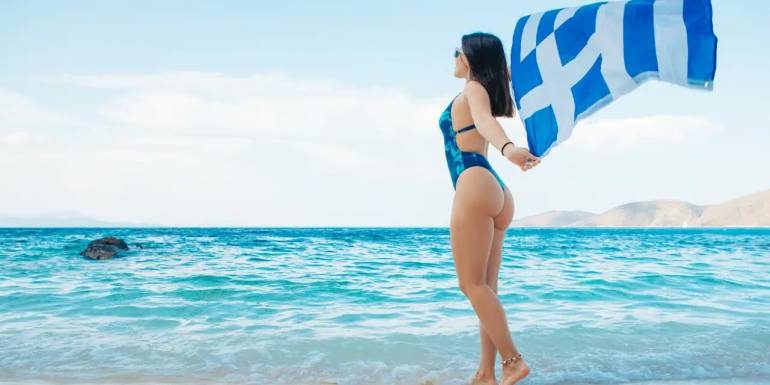

Yunanistan dendiğinde akla gelen ilk şey sadece mitolojik tapınaklar veya gri taş kalıntılar değildir. Aslında, ülkenin gerçek çekim merkezi denize olan bağıdır. Binlerce ada, her biri kendine özgü bir hikaye anlatıyor. Ama bu hikayelerin çoğu kumsalda başlıyor. Ünlü yemekleriyle tanınan Yunan mutfağı da genellikle deniz ürünleriyle buluşur. İşte bu eşsiz ülke hakkında, özellikle plaj deneyimi odaklı olarak dikkat etmeniz gereken pratik detaylar.
Ziyaretçi Sayısı ve Sezonluk Yoğunluk
2023 yılı itibariyle Yunanistan’ın nüfusu yaklaşık 10,3 milyon kişiyi buluyor. Nüfus yoğunluğu kilometre kare başına 82 kişi. Ancak bu sayılar, özellikle yaz aylarında ada ve kıyı bölgelerinde ciddi bir değişim gösteriyor.
Atina gibi iç bölgeler dışında, plaj destinasyonları yazın yüzlerce bin turistle doluyor. 2020’de 10,43 milyon olan nüfus, 2023’te 10,3 milyona gerilemişti. Bu düşüşün başlıca nedenleri düşük doğum oranı ve göç. Bu demografik gerçek, turist akışını daha da belirgin kılıyor. Yerel halkın azalması, özellikle popüler adalarda otel fiyatlarını ve hizmet kalitesini etkileyen faktörlerden biri.
En İyi Yunanistan Plajları: Hangisi Sizin İçin?
Yunanistan’da görülmesi gereken plaj sayısı azımsanamayacak kadar fazla. Hangi adada hangi kumun olduğunu bilmek, tatilinizi tamamen değiştirebilir.
- Kreta Adası: Elafonisi ve Balos gibi plajlar, pembe kumları ve turkuaz suları ile ünlü. Burada su çok sığ. Çocuklar için ideal.
- Santorini: Kamari ve Perissa plajları siyah kumdan oluşuyor. Volkanik kökenli bu kumlar, güneş altında ısınarak bacaklarda rahatsız edici olabilir.
- Milos: Sarakiniko plajı, ay yüzeyini andıran beyaz volkanik taşlarıyla dikkat çekiyor. Burada kum yok. Taşların arasında yürümek zor.
- Mykonos: Paradise ve Super Paradise plajları, yazın müzikli ve kalabalık. Daha sakin bir atmosfer istiyorsanız, Agios Sostis gibi daha uzak noktalara yönelmelisiniz.
Plaj Ekipmanları ve Yerel Normlar
Yunanistan’da plaj kültürü, kuzey Avrupa ya da Kuzey Amerika’dakinden farklı işliyor. Çoğu popüler plaj, “organize plaj” statüsünde. Bu ne demek?
- Şemsiye ve Şezlong Kiralama: Genellikle sabit fiyatlar yerine, kullanıcının başına gelen kişinin sayısı kadar
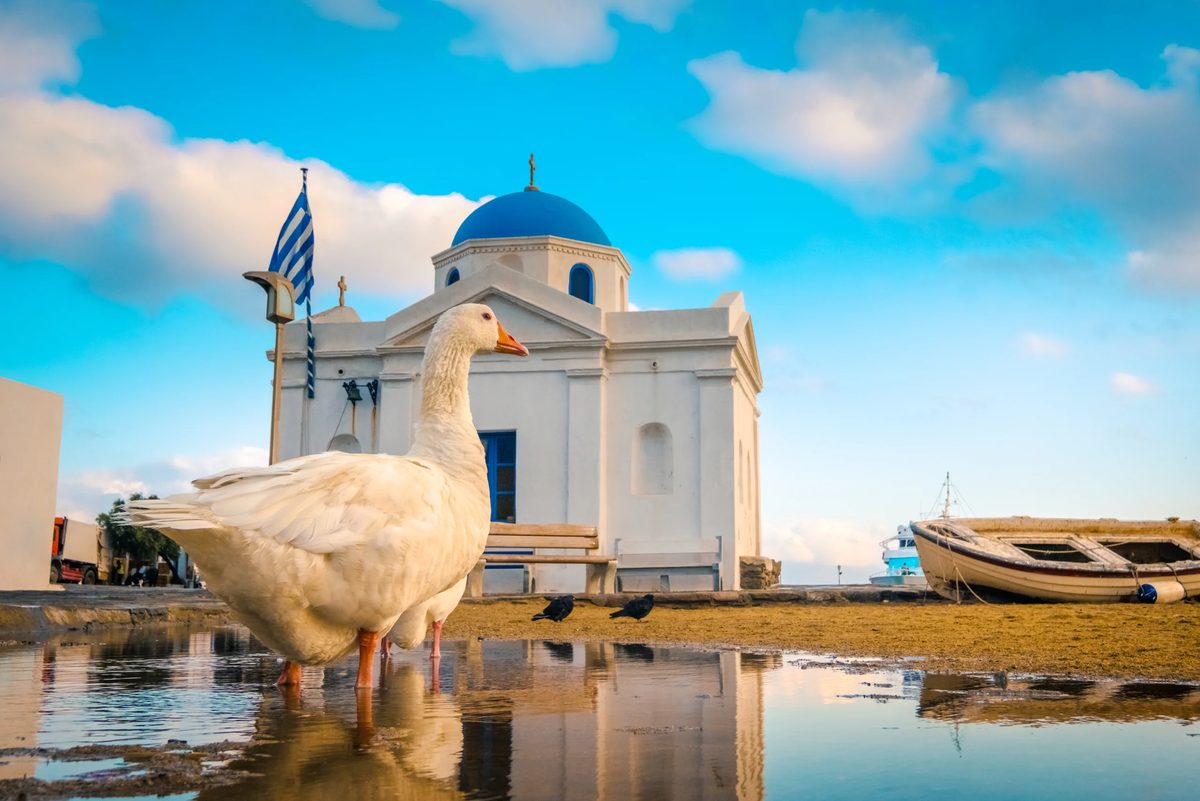



It is often forgotten that Greece is a place of contrasts. On the other hand, you can also enjoy the relaxed island life. On the other hand, there are rigid structures that guide everyday life. It’s not just customization. It’s about the laws, the culture and the country you’re traveling on.
Ballot weight
Let’s start with something that might surprise visitors who are used to participating. In Greece, voting is more than just a civic duty. This is a legal requirement.
If you are a citizen over the age of 18, not voting is not an option. Participation is mandatory by law. This is not advice. These are the rules followed by society and in some cases by the law. For tourists, this means that the country’s political pulse is always active. They are seen arguing in a pub. I see the flag. I feel the weight of people taking their voices seriously.
This forced participation creates a unique social structure. It compels people to participate. Prevents apathy. For visitors, it provides a window into a society that values collective responsibility over individual comfort.
The rock that defines the land
Now get out of there. Look at the ground. Better yet, look at the buildings.
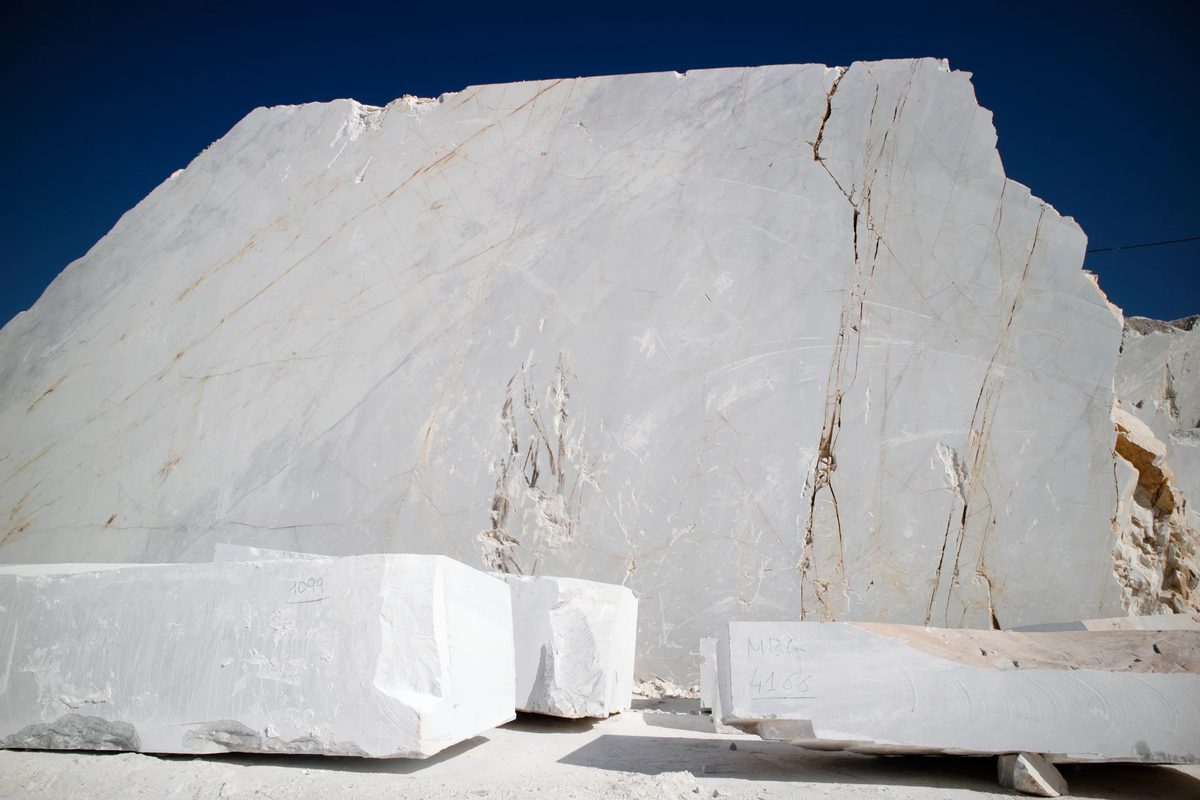
Greece is a major producer of marble. It’s not just marble. High-quality white marble has decorated temples, palaces and homes for thousands of years. The quarry is still in operation. Stones are still mined. This is not just a historical fact. This is the driving force behind our current economy.
“Greece doesn’t just have marble, it lives inside marble.”
Walking through Athens is more than history. You are on the road to modern production. The ingredients are local. The craftsmanship has been passed down from generation to generation. As long as you have a pile of stones under your feet, the price of imported stones doesn’t matter. This wealth shapes the aesthetics of the whole country.
Why is it important to you?
As a traveler, understanding these factors will change the way you experience the destination.
Knowing that voting is mandatory can add depth to the conversation. You can respectfully ask locals about recent elections. You know their opinions are formed in a system that everyone should be a part of.
Understanding the marble industry can add context to architecture. The white churches of Mykonos and the majestic architecture of Thessaloniki reveal the fruits of a growing industry. It’s not just decoration. This is the product.
This awareness turns tourism into understanding. It’s not just about looking at beautiful stones anymore. You begin to see that society is built on certain values. A society that requires participation. A society dependent on its own resources.
Something to remember
- Respect the process: If you meet Greeks during the election, be prepared for a lively discussion. This is not an attack. This is an engagement.
- Rate the material: When buying souvenirs, especially those made of stone, consider their origin. Local marble is plentiful and often more authentic than imported marble.
- Look for contrast: Notice how old and modern coexist. Although marble quarries have a long tradition, their operations are modern. The concept of voting laws is old, but the implementation is modern.
It’s not just background noise. this is infrastructure
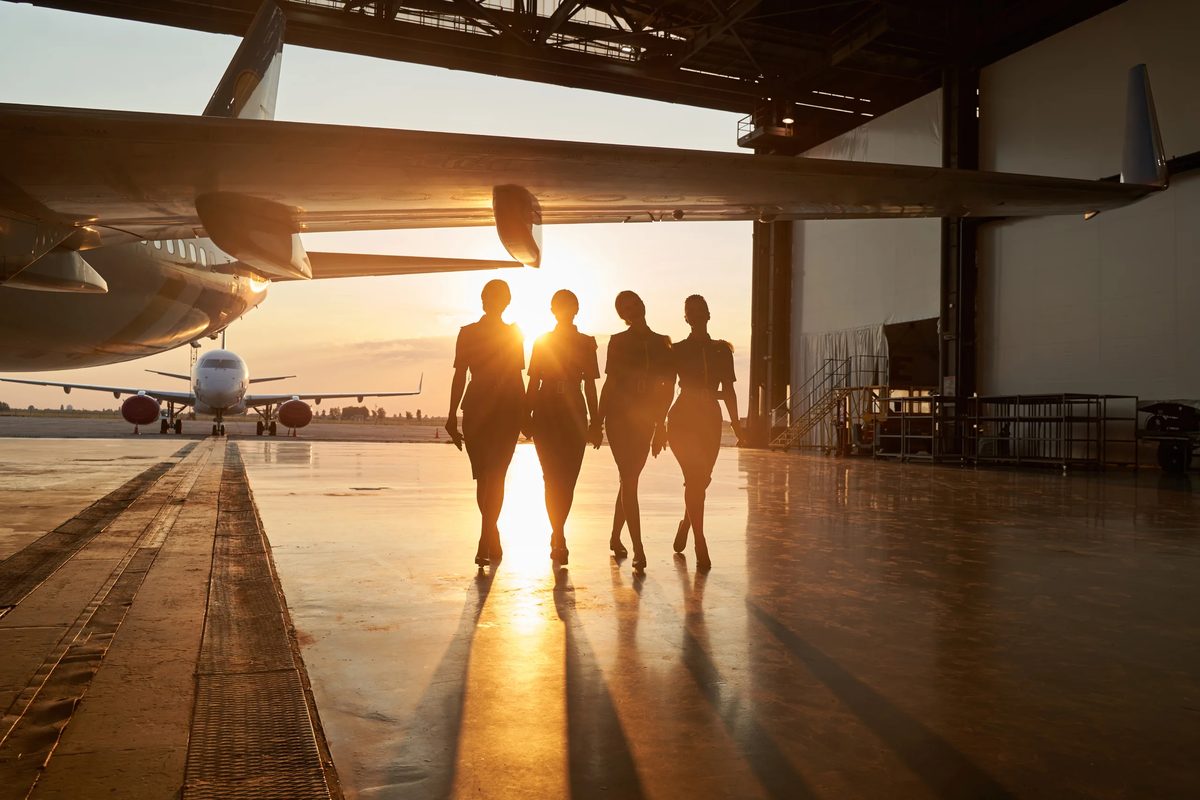
The marble capital of the world
This number sounds like a scam, but it’s not. About 7 percent of the marble produced worldwide comes from countries that are not even superpowers. This is a hardworking, quiet industry. Walking through the quarries of Pantelleria and Naxos, the smell of wet stone and dust fills the air. The colors are very vivid. White against the blue sky. Of course they are everywhere in Athens. But what about the raw materials? It will continue to be removed from the ground. If you’re an architect or simply like a worktop that lasts for generations, this is a good one. Excellent quality, rich texture and an amazing price compared to Italian options.
How to jump into the island maze
You might think that arriving in Greece means arriving in a major hub. This is wrong. There are more international airports in this country than you might think, and one can make a big difference. Most tourists arrive in Athens and Santorini during the peak summer season, but are often plagued by traffic jams. Avoid this situation. See Thessaloniki in the north. Or Skopelos. Or even a small airstrip leading to Crete.
If you fly to a secondary airport, congestion may spread. Save money. You can start your journey from a place where the air is clean and the queues don’t stretch for hours.
“Most tourists are suffocated in Santorini’s traffic jams during the summer season. Avoid this.”
Green Gold: Why olive oil is more important than you think
Greece inherited more than the olive tree. they fight for them. Although the country is a top producer, the quality varies greatly from region to region. Don’t buy a jug of water at the airport. It’s travel fuel. Let’s go to the village.
- Kalamata: Salty and meaty, perfect for salads.
- Halkidiki: Fruity and peppery taste, rich in polyphenols.
- Crete: Firm, rich, usually cold-pressed twice.
Each village has a small cooperative. Let me taste it before I buy it. price? It’s usually half the price of buying the same quality at home. It’s not just food. This is history in a bottle.
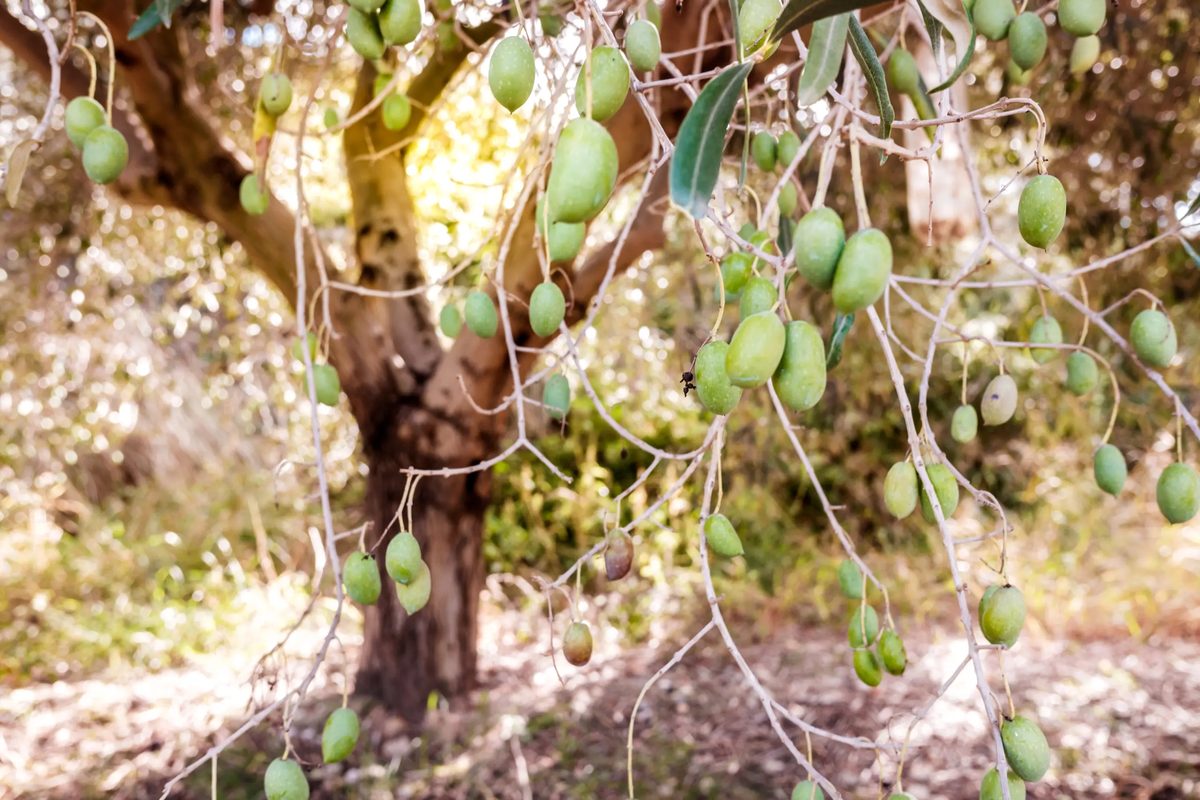
Uneven terrain
Greece doesn’t just sit and wait to be photographed. We fight back.
The world’s third largest olive producer has been pressing oil from olive trees since ancient times. Some of these trees were planted in the 13th century. It is still in production. This is not a metaphor. This is biology. Its backdrop is some of the most unforgiving scenery on earth.
The terrain here is not gentle. It is vertical.
Think Peloponnese, Crete or islands like Naxos and Samos. The soil is very thin. The stones are sharp. The sun is merciless. This is not a farm that you drive through with a tractor. This is the place to wander in search of groves. The olive trees cling to the slope at such angles that just looking at them hurts your knees.
Why is this important?
Because olive oil tastes like a fight.
By purchasing commercially available oils, you will get a consistent consistency. Here you can taste terroir in a bottle. Stresses on the tree, such as dry heat, poor soil and Aegean winds, give the fruit a rich flavor. Black pepper. bitter. green. Complicated.
Such groves are not found in wide, flat valleys. You can find them in places that require effort to access.
How to Experience
You can’t just buy a bottle at the airport. This is a tourist trap. The real thing stays local.
This way you can really taste the difference.
- Search for sources. ** In Crete, visit the villages around Rethymnon or Chania. Look for small presses ( eliotropia ) that are open during the harvest season (usually November). You can enjoy the freshly pressed oil as it is. It’s green. It’s noisy. My throat starts to cough. This is a good sign.
- Search for the SAN identifier. ** Protected designation of origin means that the olives are grown and pressed using traditional methods in the area in question. Kalamata olive? P.D.O. Cretan oil? P.D.O. These are not marketing gimmicks. These are legal guarantees of quality.
– Capture the moment. ** Short harvest time. From the end of October to November. If you had been there in July, you would have bought last year’s oil. It can still be good. But it’s not this year. After a few months, the flavor profile changed dramatically. Fresh is best.
-**Taste before you buy. ** Don’t trust the labels. Trust your tongue. Pour some into the white cup. Warm it up with your hands. Let’s turn it around. Take a sip. Try to cover your mouth. Do you have a painful feeling in your throat? OK, does it smell like fresh grass? OK, Does it taste like cardboard? Go away.
The landscape determines the production. You can’t mechanize it. The slope is too steep. The tree is too old. Everything is handpicked. Manual classification. Press it by hand.
That’s why it costs so much. Here’s why it’s worth it.
It’s not just about buying oil. What you are buying is centuries of agricultural stubbornness. You are buying a tree that has been standing since the 13th century.
Why are the rivers of Greece zero?
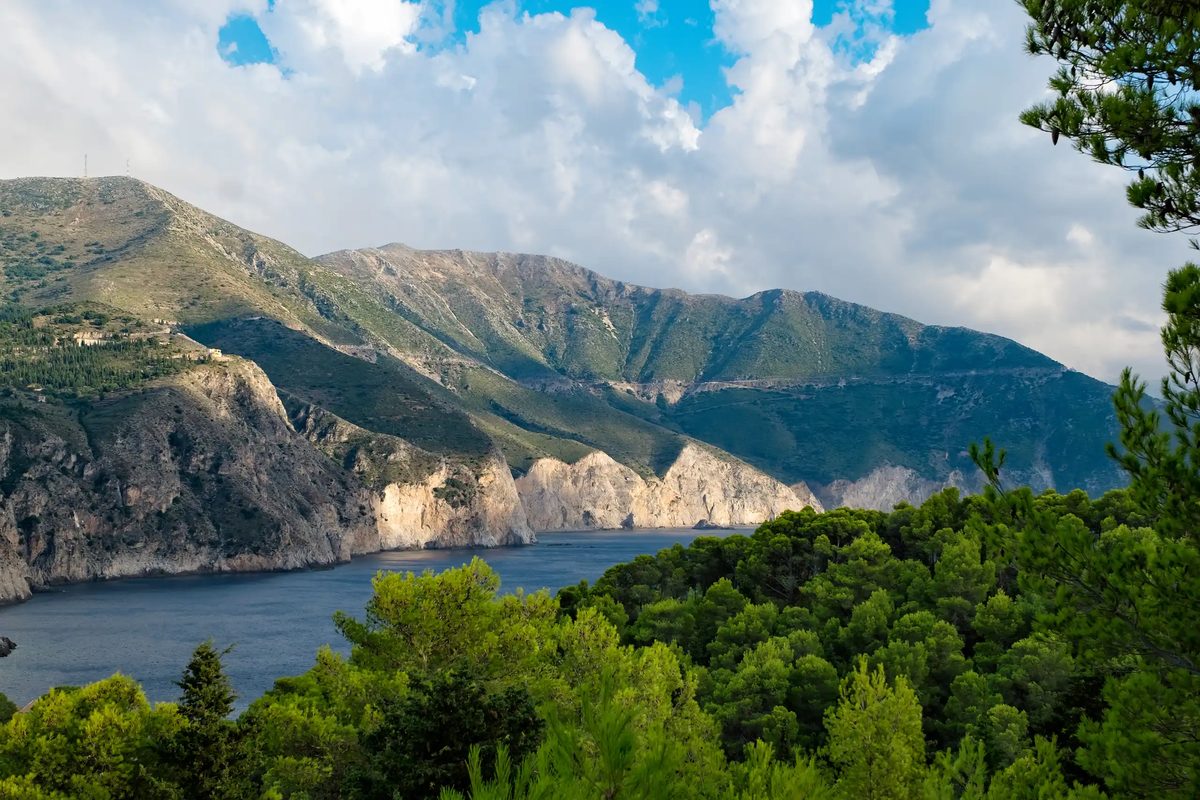
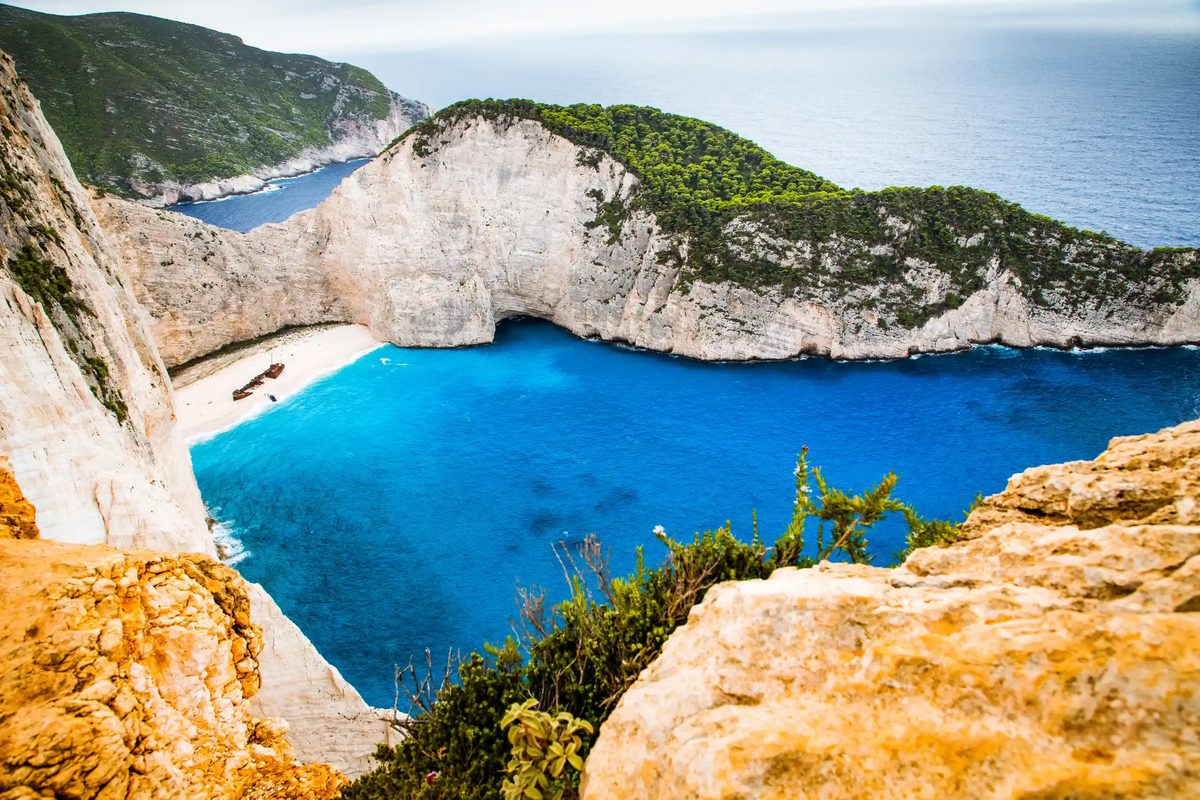
Forget the mighty waters of the Nile or the Amazon. Greece does not produce large amounts of water. The reason is simple: this is a country of rocks and steep slopes.
About 80% of the country is mountainous. The terrain is rugged and fragmented, and surface water quickly flows into underground aquifers or disappears. result? Zero big river.
There are no navigable waterways through the country. Instead, the riverbed dries up in the summer and floods in the winter. For tourists, this does not mean scenic river cruises. I pack my bags and go to the mountains. Pack your bags and head to the beach. Don’t pack up and head to the river.
Largest ethnic minority: Turkish Greeks
When you look at the population map, one group stands out.
Turkish Greeks are the largest ethnic minority in this country. They are not a new wave of immigrants. They are a historical community with deep roots found mainly in Thrace.
But they are not alone. Ethnic mosaics include e.g.
– Albania
– Macedonian
– Bulgarian
– Armenian
– Romani (often referred to as Gypsies in older texts, although the community prefers a specific label)
This diversity is most evident in the northern border areas. In Thessaloniki and Athens this mix is less obvious. In Comotini and Orestiada, this name is used in street names, bakeries and in the local dialect.
Biography of a traveler
Why is this important to your travel plan?
If you stick to islands like Santorini, Mykonos and Crete, Greece is full of tourists. Postcard version. To understand the demographics, you have to travel north.
Thrace is a place where Turkish and Greek culture merge. It is not an independent country. It is part of Greece. But their temperament is different. The food uses a lot of mutton and yogurt. In some small towns, the number of mosques exceeds the number of churches.
Is it worth the detour?
For most tourists, this is not the case. The Aegean sun is too powerful to ignore. But if you’re looking for authenticity, the North offers the country’s wilder, more complex side.
Mountains dominate geography. Ethnic minorities shape culture. There is no river.
This is the starting point.
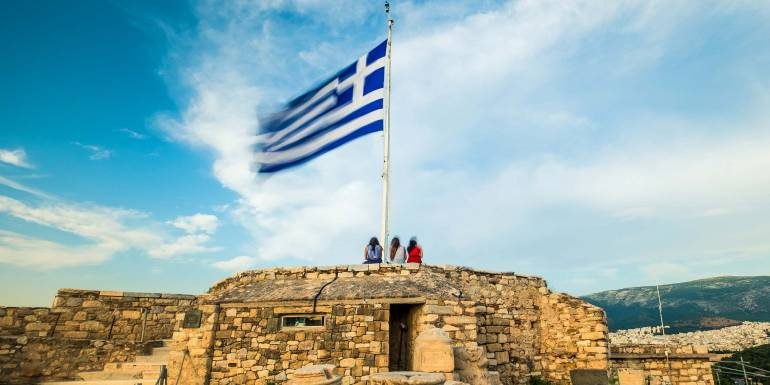
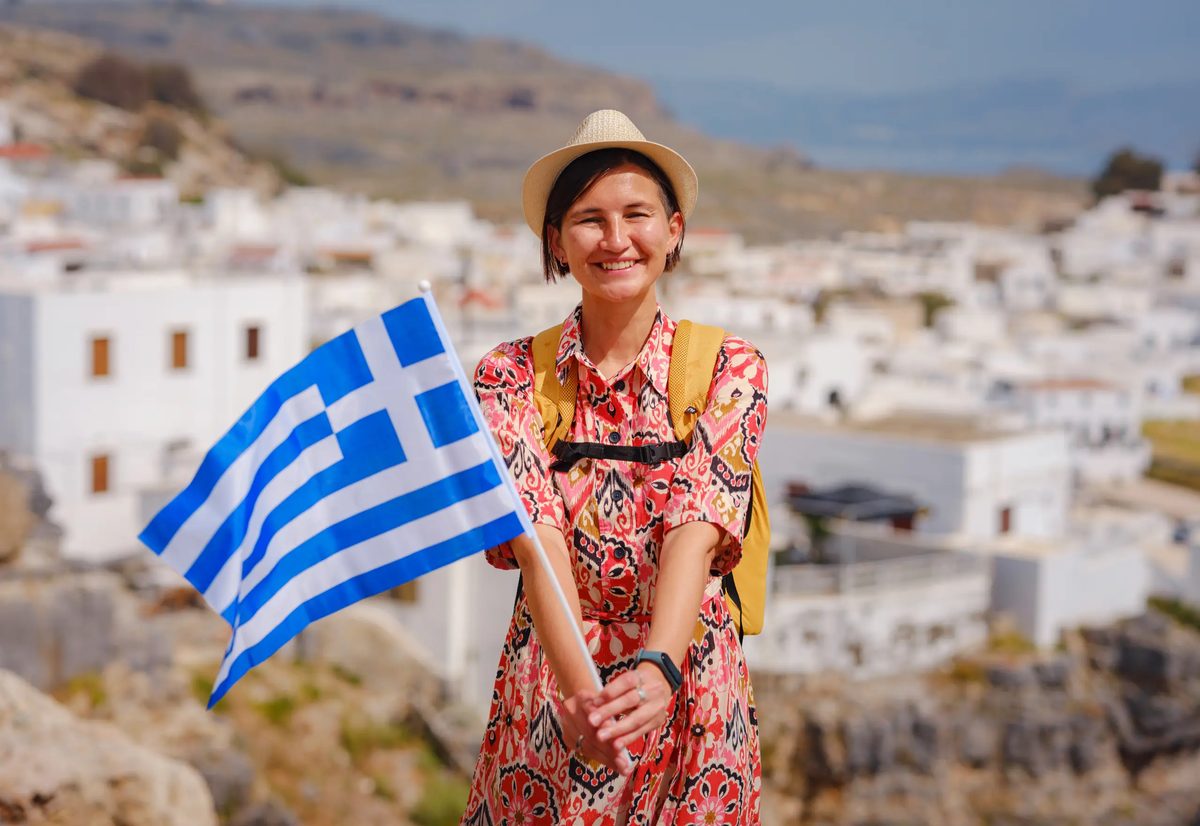

Language barrier (or lack thereof)
You might think you need to be fluent in Greek to get by, but let’s be honest. This language is spoken by about 12 million people worldwide. That number sounds big until you realize it’s concentrated in certain pockets.
where are they
Of course, you hear this most often in Greece. However, if you look at the map, you will see that they are also found in Cyprus and Italy. Albania has a large population. Even Turkey, despite its political history, has Greek-speaking communities, especially in its border areas and Istanbul. If you are in the US, you have a foreign community that preserves it.
Does this help you on your travels? not much.
This means that the culture is strong. This means that the menu on the island is in Greek. So the road signs are in Greek. It does not mean that everyone can speak English.
In Athens, of course. Tourists are used to it. Mykonos or Santorini? you are fine But by bus to Naxos or a small village in Crete? You’re on your own.
Read between the lines
This is omitted by most guides.
You don’t need to read Greek to survive. You just need to be aware of a few things.
The alphabet is different. This is not Latin. This is not Cyrillic. It is what it is.
Why is this important?
Because it makes you want to read the signs. something historical. Something that says museum, beach or exit. If you can’t tell the difference between delta and gamma, you’re missing half the context.
This has nothing to do with learning a language. It’s about respecting history.
When you enter the ruins, you will see a plaque written in Greek. Then there is English. Sometimes it’s German or French. English always comes second. This is a choice. This is a priority.
But you don’t have to interpret Homer. You don’t have to read a newspaper every day. All you need to know is that leophoros means boulevard. That Eleftherios is the airport. That Tolmi is the entrance.
that’s it.
The rest is noise.
Practical tips for people who can’t speak
- **Download the offline translation app. ** Google Translate works great. But it’s not magic. I struggle with idioms. The sound disappears. Used with nouns. Not because of feelings.
- Learn 5 words. ** Epharist (Thank you). Parakalo (Please). ena (1). Dyo (2). Treis (3). Enough to fill your coffee order.
– nodded. **This is a universal language. Is this rude? perhaps. does it work completely.
What are we actually seeing?
characters.
they are everywhere.
In Athens they were ancient. stone carving. It fades over time.
Very modern in Thessaloniki. neon. Blinking.
The islands are painted by hand. wooden. weathered by salty air.
Everyone tells a story. Everyone is an object. Everyone is an invitation.
No need to read.
But you might want to check it out.
Look at the shape.

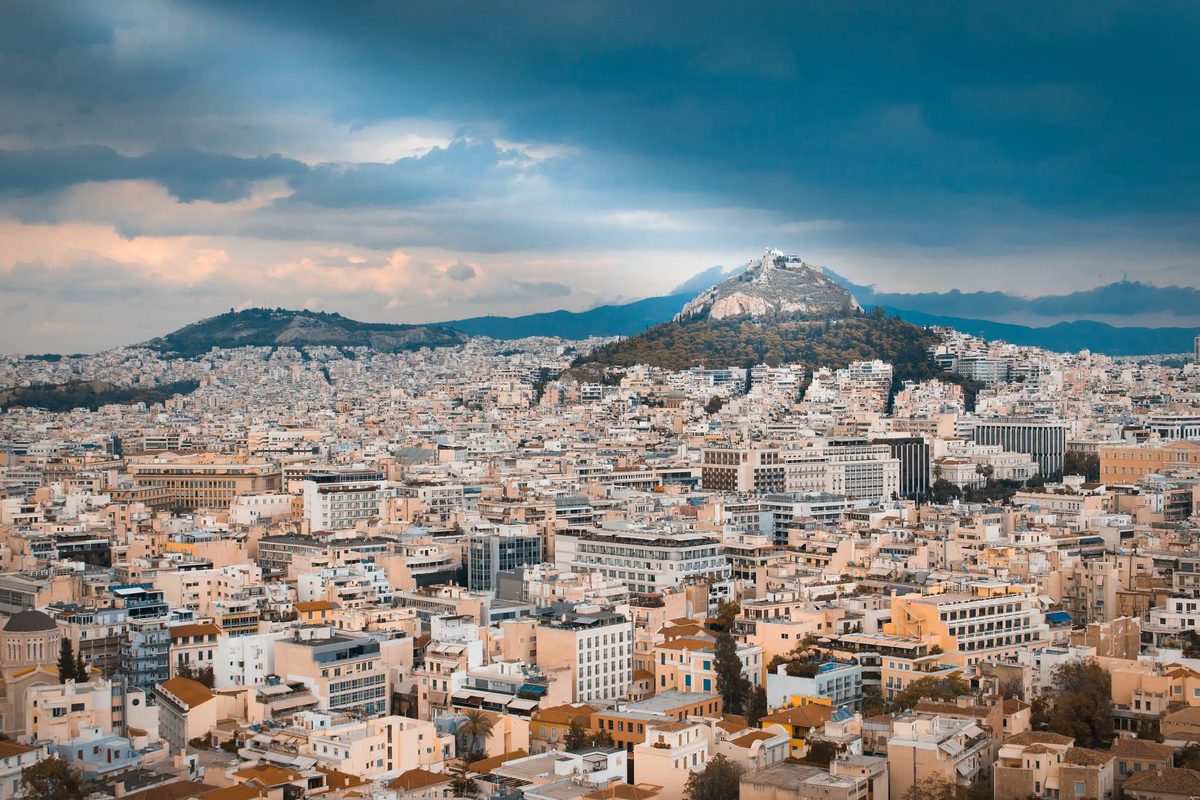
Illiterate majority
Let’s look into it. This is not always the case. In the 1950s, the literacy rate in Greece was shockingly low. Only 30% of adults are literate. This means that the majority of the population is functionally illiterate. It’s hard to imagine now, but most Greeks were uneducated for many decades. The transition from this standard to today’s highly educated population is one of the country’s most important social changes.
Magnet of Athens
Fast forward to this point and you will see that almost half of the country is filled with the capital city. More than 40 percent of the entire population of Greece lives in Athens. It is more than just a city. This is a type of gravity. People flock here for the work, the subway, the nightlife and of course the history. But it also means that visiting means putting yourself in the position of the majority. The capital is not only a political center; This is the center of population.
Identity layer
This density of Athens is no accident. This is the result of changing borders and rulers over the centuries. Greece was a civilization of many identities. You can’t talk about Greek history without acknowledging its different layers. Ottoman Empire. Venetian. the romans. the Byzantines. Everyone leaves a mark. A stain was left on both. Everyone left behind a language.
“Walking through the streets of Athens is like walking through a museum of conflicting eras.”
Standing in the Plaka area, you will see neoclassical buildings built on Byzantine walls. The food we eat has its roots in the spice trade of the Ottoman Empire. This language is an enigma in itself, borrowing heavily from Latin, French and Turkish over the centuries. This is more than just tourism. This is living archaeology. You can’t see the layers. What you are looking at is the palimpsest.
Why is this important? Because it changes the way we look at ruins. You’re not just looking at a stone. You are looking for a coping mechanism. A culture that retains its core and absorbs everything else. It’s very messy. it’s complicated. This is why Greece feels much older than it actually is. Identity is not static. It is a constant negotiation between the past, the present and what might happen next.
You left with more questions than answers. Maybe that’s the point.
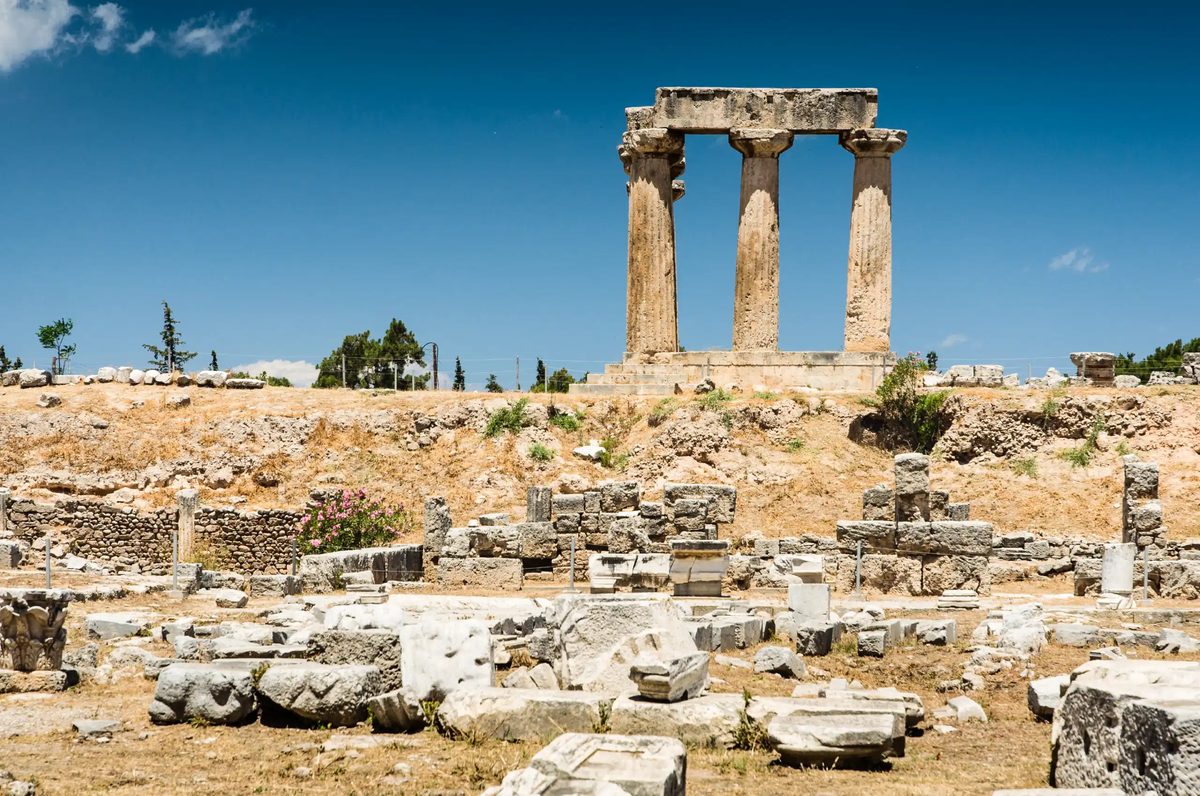

The logistics of ancient sea battles
Think of the triangulation less as a mythical prop and more as a mass-produced industrial tool. The ancient Greeks didn’t just dream of warships. They built an economy around themselves.
Where do the warships come from?
“Mainland Greece is not a monolith. It is a mosaic of 1,500 city-states.”
When you imagine ancient Greece, you might think of marble columns and philosophers conversing under the shade of trees. Please ignore it for now. Look at the pier.
Ancient Greek warships are not just about bravery. This is about the supply chain.
Athens and the Navy
At its peak, Athens ruled the Aegean Sea. This is no accident.
This city-state is located on the coast of Attica. The soil is not suitable for wheat cultivation. Goes well with olives and grapes. But more importantly, Athens had access to Laurium, one of the largest known silver mines in the world.
Silver means money. Money means ships. Ship means control.
Trident manufacturer
How do they arm their fleet? They did not forge their spearheads by hand in a blacksmith shop. It would take too long.
Instead, Athens relied on specialized workshops. These are not just blacksmiths. They are factories.
The ram (or “ram”) was the primary weapon of hoplites and sailors. It is very versatile. Can be attached to a shield. It can hinder movement. Mass production is cheap.
Why Trident?
You may be wondering why the three-pronged weapon. Two claws are standard.
The third tooth increases leverage. This makes it difficult to fight enemies. In the cramped decks of 3-tiered battleships, where there is a lot of space, it is tactically advantageous to have a weapon that can neutralize the enemy without much swing.
The hidden economy of war
Every time a three-deck warship sets sail, it’s not just soldiers. Transporting soldiers.
To craft these weapons you will need:
* Iron : Mined or imported for example from Laurium.
* WOOD : The frame is made of hemlock and pine.
* Skilled Labor : Includes not only warriors but also craftsmen.
This was not a standing army in the modern sense. This is a citizen militia that is ready to arm itself because the infrastructure for weapons production already exists.
The price of freedom
How much did this cost ordinary Athenians?
What about direct subsidies? there is nothing. They paid the price in time and with their lives. But the nation paid in silver.
Laurium’s silver financed the construction of the port of Piraeus. Funded dry docks. It paid for the wood and metal that fell into the hands of the hoplites.
So if you see a depiction of an ancient Greek warrior with a ram, remember that this is not just a tool. This is the result of a complex economic system. It was the product of a city-state that understood better than other city-states how to turn natural resources into military power.
What about power? It is scattered in the Mediterranean.
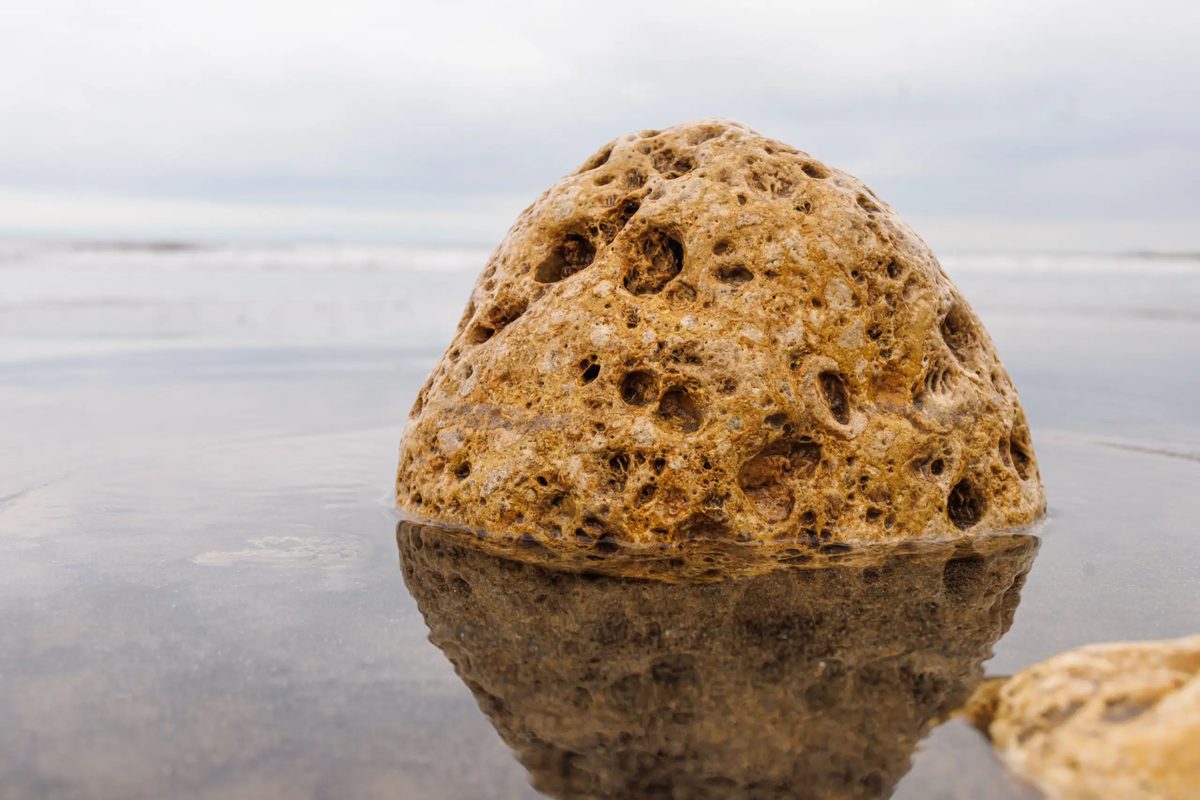
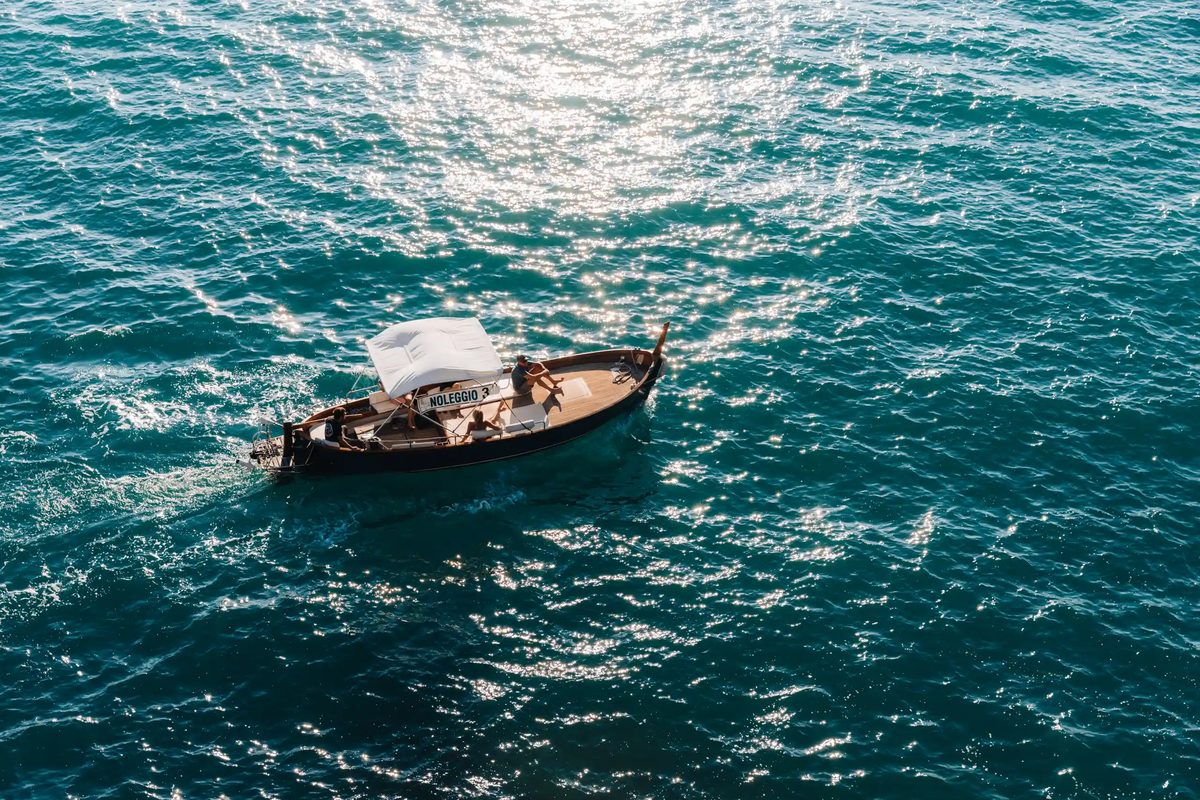
Greece is not only famous for its white villages and blue domes. He is also the undisputed heavyweight champion of the sponge. If you’ve ever bought a high-quality bath sponge, it probably came from Greek waters. This industry is old, deep-rooted, and surprisingly important if you plan to dive or snorkel near the coast.
The hidden economy of diving in Greece
Know this before you jump into the ocean. Greece is one of the world’s leading producers of natural sponges. They have been harvested by hand by divers for centuries. This is not a large-scale industrial operation. It’s skill-based, dangerous, and respects the sea.
You can see this history everywhere when you visit coastal towns like Kalymnos and Alonissos. The air smelled of salt and old wood. A giant sponge resembling an exotic landscape is on display at the local museum. Buying authentic Greek sponges could help support a dying trade. It’s a tangible memory that won’t end up in a landfill.
“Collecting sponges is not mining. It is a dialogue with the ocean.”
The 70% Rule: Why Greek Ships Feel Different
Maritime law may not be a consideration when planning your vacation, but it can affect your experience. Ships sailing under the Greek flag make up about 70 percent of the EU’s commercial fleet. This accounts for a large part of world trade.
There is a strict rule that at least 75% of the crew on a Greek ship must be Greek. It’s not just red tape. This means that locals provide services on inter-island ferries. They know the route. They know the weather. They know which hidden coves are worth visiting and which are too shallow for swimming.
This staff requirement keeps talent in Greece. This prevents outsourcing to other cheaper labor markets. result? You will get better service. Get more personal attention. The captain knows all the rocks and creeks along the coast of Naxos and Paros.
Where can I get real sponges and professional guides
Do not buy sponges from the tax free shops at the airport. These are usually synthetic or imported. Go to the source.
Kalymnos: Known as the capital of sponge diving. Visit the Mushroom Museum. Talk to the diver in the harbor. they are very proud. They will tell you the difference between wild-harvested and farm-raised.
Alonissos: Part of the marine park. Here, certain areas of the sponge are protected. You can still buy them from your local co-op, but the focus is on preservation.
Syros: Another sponge processing center. The drying rack can be seen in the sun. It’s a visual spectacle.
How to plan a sponge-centric route
Timing is important. The washing season usually lasts from May to October. The water is warm. A clear vision. If you go in winter, the sea is rough, so divers have to stay on the beach.
Price: High-quality natural sponges cost 20-100 euros, depending on the size and type. Don’t expect a 5 euro sponge unless it’s fake.
Logistics: The ferry is the most important means of transportation. Make reservations in advance during the summer season. 75% crew rules
15. Büyük grupla seyahat etmek
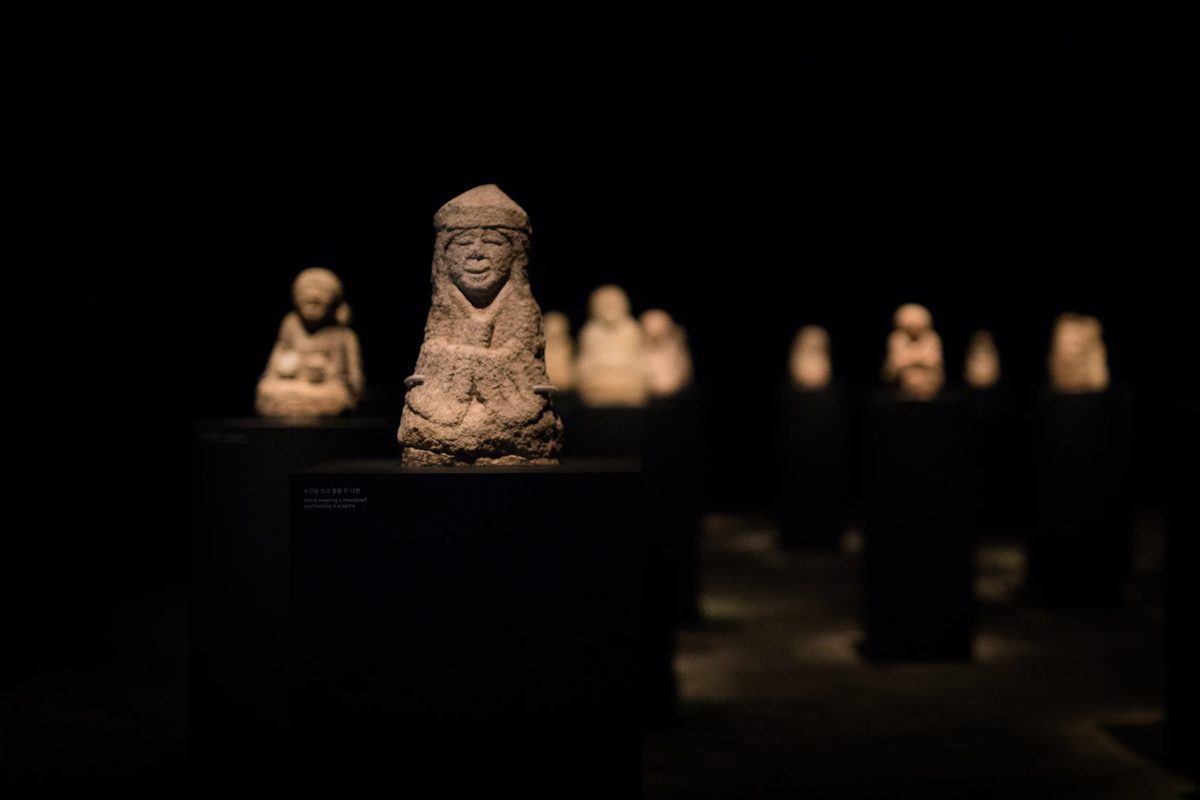
Yunanistan’da arkeoloji müzeleri sadece taşlardan ibaret değil. Bunlar, MÖ 5. yüzyıldan kalma bir heykelin gölgesinde oturan, 40 kişilik bir aile kahvaltısı yapan, birbirleriyle Türkçe ve İngilizce karışık konuşan insanların sahnesidir.
Eğer geniş bir aileyse, Yunanistan’da arkeoloji müzeleri ziyaret etmek için en iyi zamanı bilmek gerekir. Erken saatler.
Müze kapılarının açıldığı saatte kapıda olmak. 9:00. 10:00’da gelen kalabalıkla mücadele etmemek. Ailedeki 7 yaşındaki çocuklar için sabır tükenmeden ilk girişi yapmak.
Neden erken saatte gitmek önemli?
Aileleriyle gelenler için müzeler bir test alanıdır. Yorgunluk, açlık, sıkılma. Bunlar her an mümkün.
Erken saatte gitmek, müzenin sessizliğini korumanızı sağlar. Çocuklar koşabilir. Büyükler yürüyebilir. Rehberler kendi hızlarını ayarlayabilir.
Hangi müzeler aileler için daha uygun?
Atina’daki Ulusal Arkeoloji Müzesi. Burası geniş alanlara sahip. Çocuklar için oyun alanları var. Müze içinde yürüme mesafesi uzun ama nefes alma aralıkları da uzun.
Salamis’taki Arkeoloji Müzesi. Daha küçük. Daha sessiz. Daha az yorucu. 2 saatte bitirilebilir.
Aileyle nasıl planlanmalı?
Liste yapın. 3 eser seçin. Onları bulun. Gerisini ihmal edin.
Uzun vadeli plan yapmayın. Her 45 dakikada bir mola verin. Su için. Meyve için. Oturmak için.
Hangi eserleri kaçırmamak gerekiyor?
Atina’daysanız, Kouros heykelleri. Bunlar büyük. Çocuklar büyüklüğü hissedebilir.
Salamis’taysanız, mozaikler. Renkli. Görsel. Dikkat çekici.
Neden bu kadar çok aile geliyor?
Yunanistan’da arkeoloji müzeleri ziyaret etmek, sadece tarih öğrenmek değil. Aile bağlarını güçlendirmek. Ortak bir deneyim paylaşmak.
Bu müzelerde herkes aynı şeyi görüyor. Ama herkes farklı şeyler hissediyor.
Ne zaman gitmek en iyi?
Nisan. Ekim. Yazın sıcaklığı çocuklar için çok ağır. Kışın yağmuru müzelerin bahçelerini bulanıklaştırabilir. Nisan ve Ekim, ne çok sıcak ne çok soğuk.
Hangi biletler alınmalı?
Aile biletleri. Genellikle 2 yetişkin + 3 çocuk. Fiyatı standart girişin yarısı. Bilet gişelerinde sorun çıkaran yerler var. Online almak daha güvenli.
Nasıl ulaşılır?
Atina’dan otobüs. 30 dakika

A cheese that characterizes the country
Greece is obsessed with dairy products. If you’ve never had feta cheese, you’ve never been to Greece. However, you can’t just buy a block of white cheese from your local supermarket. This is wrong. The reality has everything to do with location, height and legal protections, which can seem boring until you taste it.
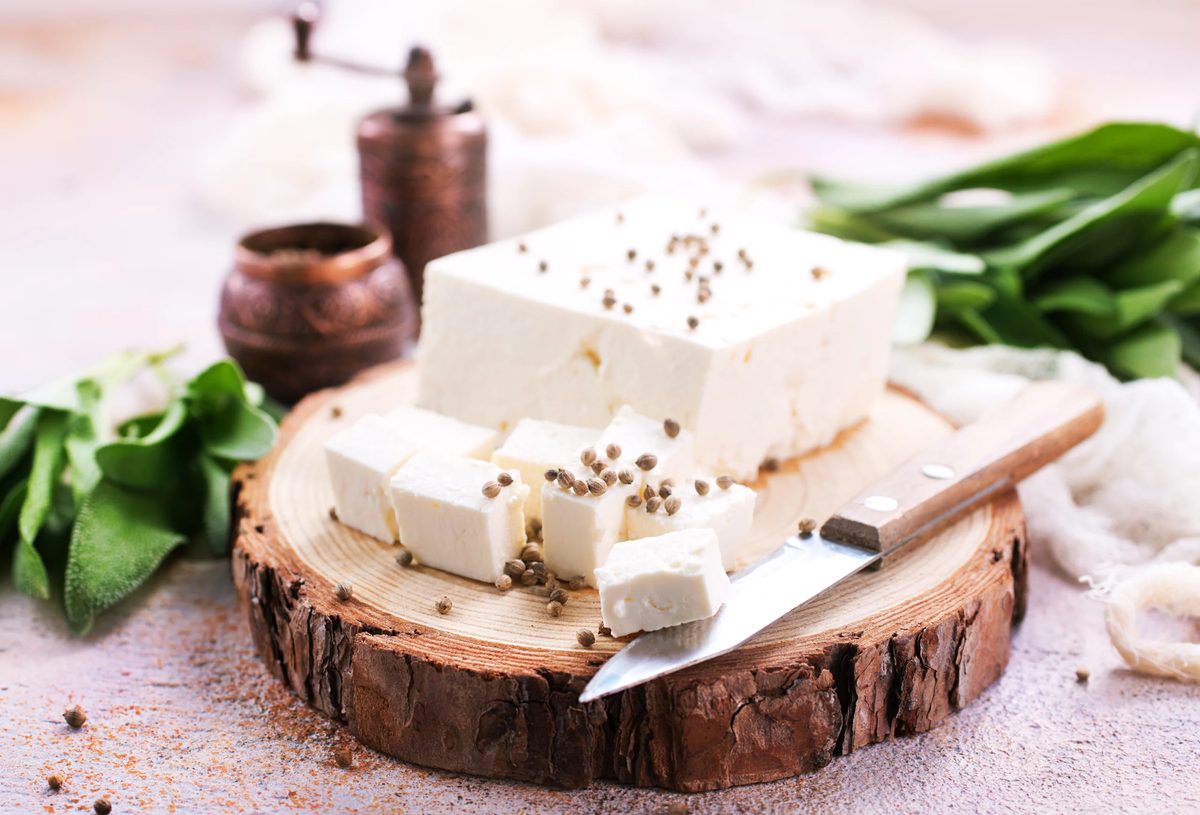
Feta is more than just cheese. It has Protected Designation of Origin status (PDO). This means that only cheeses made from sheep’s milk or sheep’s and goat’s milk in certain regions of Greece (Thessaly, Macedonia, Epirus, Peloponnese, Lesvos, Crete) can bear this name. What else? It’s just salty white cheese. Call it what you like. However, don’t expect the same effect.
Texture is important. A good feta cheese is moist, crumbly and sharp. It cuts through rich meat and pairs well with honey. It has more salt than you think and acts as a preservative, but you also have to wash it off if you’re sensitive to sodium.
You can find it in any pub. They can be cubic and sometimes flat. Served with olives (usually black Kalamata olives) and a drizzle of olive oil. It is sometimes topped with oregano. It is an appetizer. No substitutes.
Where does it come from? Mountains. Goats and sheep roam freely in the highland pastures. The flavor profile changes depending on the animal’s diet. Goat’s milk adds flavor. Sheep’s milk adds a creamy taste. This blend adds complexity to traditional feta cheese.
Cost? We pay for milk and work. It’s not cheap. But it’s not expensive either. The price varies between 5-10 euros depending on the place of purchase. It is best to buy directly from the village producers. Of course, supermarkets also have brands. But they lack the soul of the homemade versions.
Why is it protected?
The PDO status is more than just a marketing gimmick. This is a battle. For years, producers from other countries have produced feta cheese and flooded the market. It dilutes the brand. This confuses consumers. The Greek government fought hard at the EU level to protect its name. they won. Now, if you see “feta” on a label in Germany or Canada, it’s probably made from cow’s milk and doesn’t have the same texture.
This protection guarantees the continuation of the tradition. It keeps small producers afloat. This prevents large industries from repeating the process using cheaper raw materials. It’s about honesty.
How to eat right
Don’t get it and hide it. It’s no use. The feta cheese should be shiny.
- Saganaki: Fried dish. Fry it briefly in a frying pan. retaining their shape. Crispy on the outside, soft on the inside. Soak in lemon juice.
- Horiatiki: Greek salad. Tomatoes, cucumbers, red onion, green pepper and olives with pieces of feta cheese. No lettuce. Never eat salad with lettuce.
- Add honey: Add slices of feta cheese, a little thyme honey and maybe some walnuts. for a sweet contrast


Greek cheese rules and why Name Day is more important
Most tourists expect to see “feta” cheese everywhere in Greece, and they are right to look for it. But no one in this guide tells you that genuine sheep’s cheese is a product of protected origin. It must be made from sheep’s milk from a specific region, such as Macedonia, Thrace or Epirus, or from a mixture of sheep’s and goat’s milk. If it’s just a white cheese made elsewhere in the EU, it’s not technically “feta”. This was an important legal distinction for the Greeks. That’s important for the flavor profile. This is important when you’re standing in a small “psistaria” (grill house) on the island of Naxos trying to figure out which slice of white cheese tastes like the sea and oregano, not just salt and plastic.
Therefore, if you are planning a trip, do not buy feta cheese in supermarkets near the Acropolis. Go to the local market. Buy feta cheese from the Pindos mountains. The difference is obvious. As you eat, remember that this cheese is tied to old social institutions. In this identity, identity is not just who your parents are, but who watches over you in heaven.
Name day rules: Why birthdays are on Tuesdays
You notice a strange gap in Greek social life. You go to a tavern in Mykonos. According to the calendar, today is 14.10. Today is the original poster’s birthday. However, there are no balloons. No cake. No need to shout “Happy Birthday!”
Instead, everyone bought him a bottle of ouzo and shouted “Epharisto” as if he had just returned from war.
This is because name day (onoma ) is a real holiday in Greece. Your name is derived from a saint (or biblical figure) and your day is the commemoration day of this saint in the Orthodox calendar. This is not a minor footnote. It is an important celebration that shows who you are.
Why is this important to you as a tourist? Because it sets the pace of your journey.
**1. when are you going **
If you plan to visit during the Saints season, be prepared to be shut out. Many family businesses close on the name day of the owner. You may find that restaurants in Santorini are closed simply because the chef’s name is George and today is St. George’s Day. He celebrated with his family. The restaurant is closed. Accept it. This is not rude. It is sacred.
**2. How to behave. **
If you are invited to a Greek home for name day, bring a gift. Simple things. A nice bottle of wine. A box of Lukoum (Turkish sweets). Don’t bring flowers unless you know the color association of a particular saint. (White lilies are for funerals. Don’t wear them unless you want to anger the owner.)
**3. Memory logistics. **
The Greeks remembered names better than dates. Ask a Greek his birthday and he might stop. Ask them their name day and they will know exactly. It is deeply rooted in the calendar’s weekly services. This is why there are dozens of Giorgos, Ioannis and Elenis in every village.

Slavery was not just a part of Greek life. It’s the engine. In some city-states, it has been estimated that slaves made up 40 to 80 percent of the population. This is not a marginalized minority. This is the basics of economics. Think of the mines of Laion or the pottery workshops of Athens. The labor that built the Parthenon and financed the navy came from the Chains. Without this forced labor, Athenian “democracy” might have been very different. Or it might not be there at all.
The world’s first urban landfill
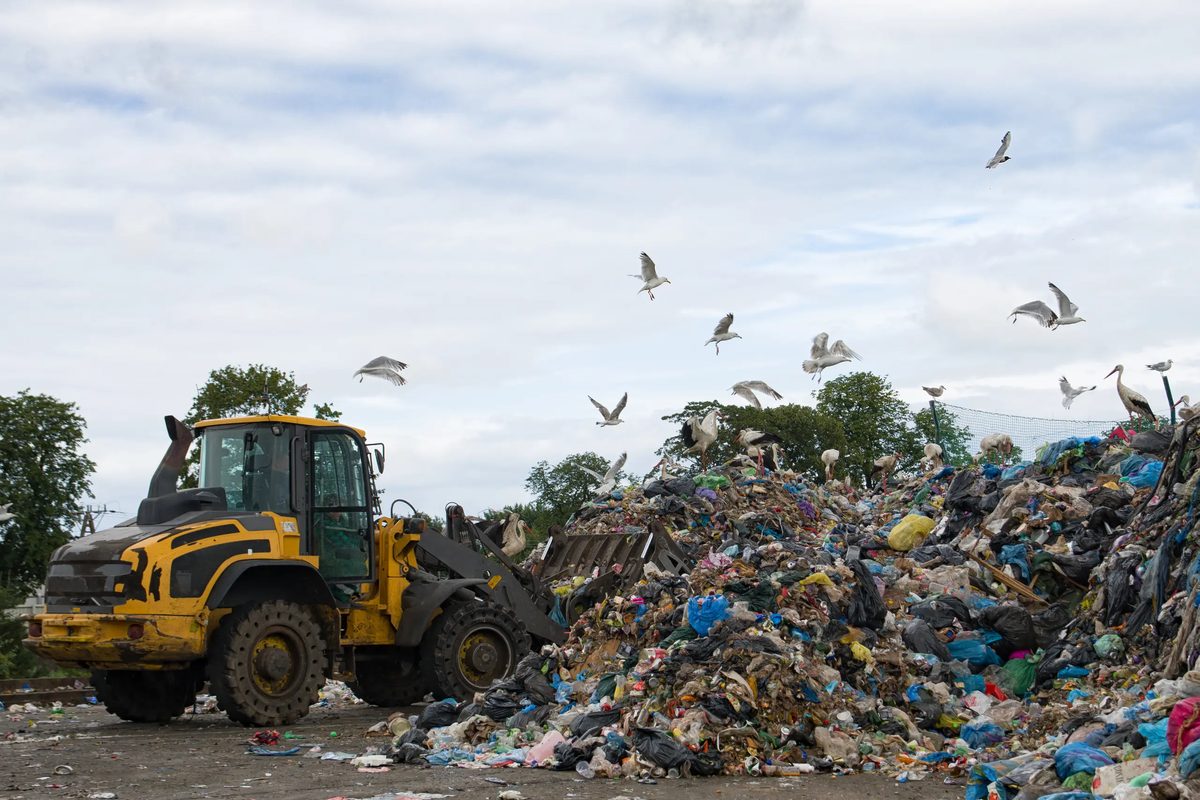
Fast forward to about 500 BC, Athens thinks it’s a bad idea to throw trash in the streets. They created the first documented municipal landfill in the Western world.
This is not just an aesthetic problem. This is public health. Determining landfills outside city walls reduced disease and improved sanitation in ways not seen for centuries. This is a boring fact until you realize it means that the Athenians legislated garbage collection 2,500 years ago.
True Meaning of “Wild”
We use the word “wild” to describe wild people. In ancient Greece? Things are simpler. This means people who do not speak Greek.
The word probably comes from ba-ba-ba-ba, a sound foreign to the Greeks. It had nothing to do with morality or intelligence in the first place. This is a linguistic thing. Persian nobles, although well educated and wealthy, were sometimes called barbarians simply because they could not combine Attic and Greek verbs. Later the meaning changed, but at first it was just about the language barrier.

The roots of “Barbaros”.
The word “barber” is not just an insult. It comes from the Greek word “barbaloi”. The original meaning is very simple. Refers to people who do not know Greek. It sounds like you are saying “ba-ba-ba-ba”. For the ancient Greeks, this sound had a different meaning. It means “not us”.
This etymology is fundamental to understanding Greek. This is a place where language and identity have always been closely intertwined. Today, this word has lost its ancient sting. But the history behind it remains. Greece has always defined itself by what it should not be. Whose language does it speak? Who enforces the policy?
Beyond the myth
People who travel to Greece often expect mythology. They are waiting for Atlantis. They are looking forward to Odyssey. They found something more realistic. They found ruins. They found a culture that resists packaging.
The modern Greek experience is no longer the glory of antiquity, but the rhythms of everyday life. This applies to Cafe Nio. I’m talking about coffee that takes 40 minutes to drink. It’s about the way the light hits the white walls of Santorini at dusk. It tells about the chaotic energy of Athens.
“Greece is not a museum. It is a living contradiction between ancient history and modern chaos.”
Where to go (and where not to hurry)
Most travel guides will tell you about Mykonos. They send you to Santorini. These places are beautiful. It is also expensive. It’s crowded. If you want the real Greece, you have to get off the beaten path.
Think Peloponnese. Very close to Athens. The number of visits is relatively small. There are real villages. There is better food. You can stay overnight in a family-owned pension. You can get fresh fish at half price from the resort on the island.
Or try Crete. This is huge. It’s worth weeks, not days. The mountain in the middle is deserted. The southern beaches are untouched. The food is relatively heavy. It is made from olive oil. It is made from honey. It evolves over time.
Logistics and money
Getting around in Greece is not always easy. The rafts are arteries. They connect the islands. However, the weather affects them. They get a strike. Plan a bumper day. If you have to take the ferry on Monday, don’t book the last flight out of Greece on Tuesday.
Prices vary widely. The northern islands (Lesbos, Chios) are cheap. The famous Cycladic islands (Mykonos, Santorini) are amazing. Athens is average. By avoiding the tourist trap, you can eat well for 15-20 euros a day. If you go with the flow, you can easily spend more than 100 euros.
Carry cash. Many small islands and villages do not accept cards. There are ATMs, but they are chargeable. Reduce the frequency of large withdrawals to minimize costs.
Visiting time
July and August are hot. It’s already full. The heat makes me suffocate. Prices are at their peak. Avoid these months if possible.
April-June is ideal. The weather is warm, but not hot. The audience was thinner and thinner. The flowers are blooming. The water is still cold and not suitable for long swimming.
September and