Istanbul is a breathtaking city. Every time a new skyscraper is built, green spaces are pushed further away, turning city centers into concrete jungles with few trees. We are surrounded by noise, traffic and the constant stress of the city. But you don’t have to stay there. You can reset. Moving in nature, listening to birdsong instead of trumpets, clearing the air and clearing your mind can help you leave negative energy and confusion behind.
If you are tired of weekend crowds and gray walls, there is a better way to spend your Saturday. There are still some wild places in this metropolis. They are not always easy to find, but they do exist. Here’s how you can disconnect, for free, with your family or friends for free.
The Essential List of Green Spaces
Before we go into details, let’s look at the logistics backbone. These are not paid gated resorts. They are public lands. Admission is free. The only cost is time and transportation.
| Location | Entrance fee | Opening hours |
|---|---|---|
| Yıldız Parkı | Free | 09:00 – 23:00 |
| Emirgan Korusu | Free | 07:00 – 23:00 |
| Heybeliada | Free | 24 hours |
| Beykoz Korusu | Free | 24 hours |
| Ağva | Free | 24 hours |
| Kınalıada | Free | 24 hours |
| Belgrade Forest | Free | 24 hours |
| Aydos Forest | Free | 24 hours |
| Hidiv Pavilion | Free | 24 hours |
| Polonezköy | Free | 07:00 – 00:00 |
| Büyükada | Free | 24 hours |
| Burgazada | Free | 24 hours |
| Riva | Free | 24 hours |
| Saklıgöl Şile | 24 hours | |
| Karaburun Port | Free | 24 hours |
| Kulindağ House | Free | 09:00 – 22:30 |
| Nezahat Gökyiğit Botanical Garden | Free | 09:30 – 19:00 |
1. Yıldız Parkı
It starts in Besiktas, but don’t let its central location fool you into thinking it’s just a manicured lawn. Yıldız Parkı is a historical oasis completely different from the busy streets of Dolapdere.
Why go? Because this is one of the few places in the heart of Istanbul where you can actually hear your thoughts. Steeped in Ottoman history, this park is surrounded by high walls that shelter it from the hustle and bustle of the city. This is a place of light and shadow, lined with centuries-old trees.
You can walk along the gravel path or sit on a bench and watch the locals. Admission is free. This is important if you want to save money in your travel budget or avoid falling into a tourist trap. The gates open
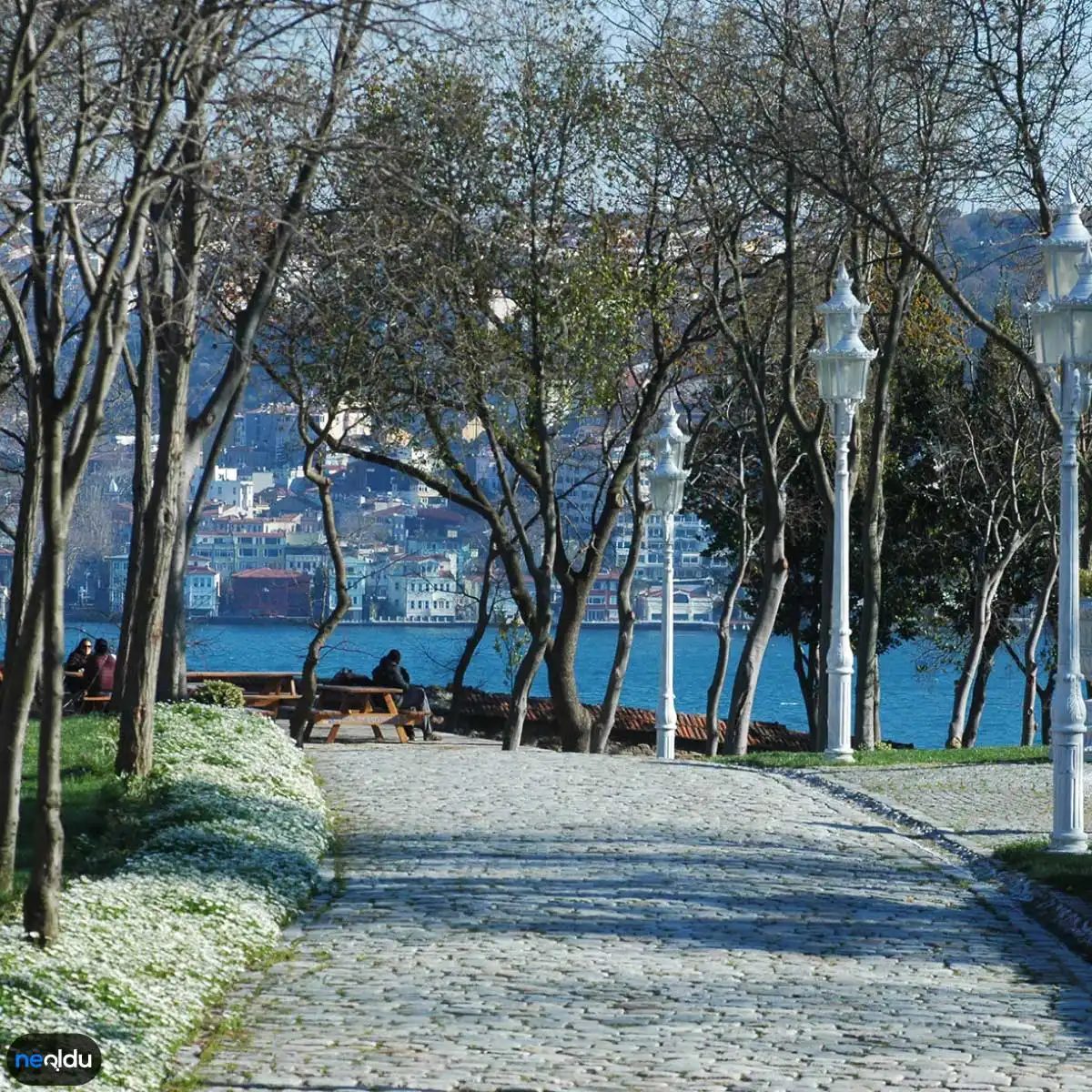
Yildiz Park: peace in the heart of Besiktas
If you’re looking for a place in Istanbul with a natural environment that doesn’t feel like a tourist trap, Yildiz Park is the answer. Although located in the center of Besiktas, somehow the chaos of this area stops right outside the door. Once inside, the sound disappears. Instead, there are tall trees and you can hear the sounds of birds. For those planning a nature trail without leaving the city center, this is one of the city’s most important attractions.
Getting there is easy. The park is served by several IETT buses and is easily accessible from different parts of the city. But the real fun is walking. You can get there on foot from Besiktas or nearby areas. It will take some time, but you will get to know the city. The park is open all year round. Each season brings a different texture to the landscape: spring, summer, autumn and winter. It’s more than just a park. It is a social hub. Istanbul Metropolitan Municipality Social Facilities are located on the premises. This means you can walk, sit and eat without leaving the green area.
This park offers an unusual balance between a central location and the tranquility of the forest.
Emirgan Korusu: King’s Forest
Continuing north you reach Emirgan Korusu. This is more than just a park. It was once the summer resort of Ottoman sultans. The scale is different here. The road is wider. The tree is older. The atmosphere is more formal, but very relaxed.
Emirgan is famous for its spring tulip festival. The colors are overwhelming. But even outside the tulip season, the tree-lined paths are worth a visit. This is one of the few places in Istanbul where you can feel like you are in a European forest. The air is getting colder. Light passes through the canopy in different ways.
Logistics and planning
- Best time to visit: Early morning, alone. In the evening the light came on. Spring tulips.
- Transportation: The gate can be reached by public transport. If you are coming from the Asian side, you can also go by ferry, but it will take longer.
- Price: Admission is free. Cafes in the park serve food, but the prices are higher than in the center.
- Highlights: Historic Pavilion. Tulip field. The road winds through a dense forest.
Emirgan is larger than Yıldız. This will take more time. But the benefits are even greater. It’s not just a walk in the park. You are walking through history. These trees are several centuries old. They don’t care about the traffic below. They just keep growing.
If you’re planning a trip, don’t just think of these parks as stops on your map. Think of them as travel destinations. It takes 1 hour. Please sit on the bench. listen. The city is noisy. The park is very quiet. Both are necessary. Which one you choose depends on how much time you have and how much noise you want to avoid.
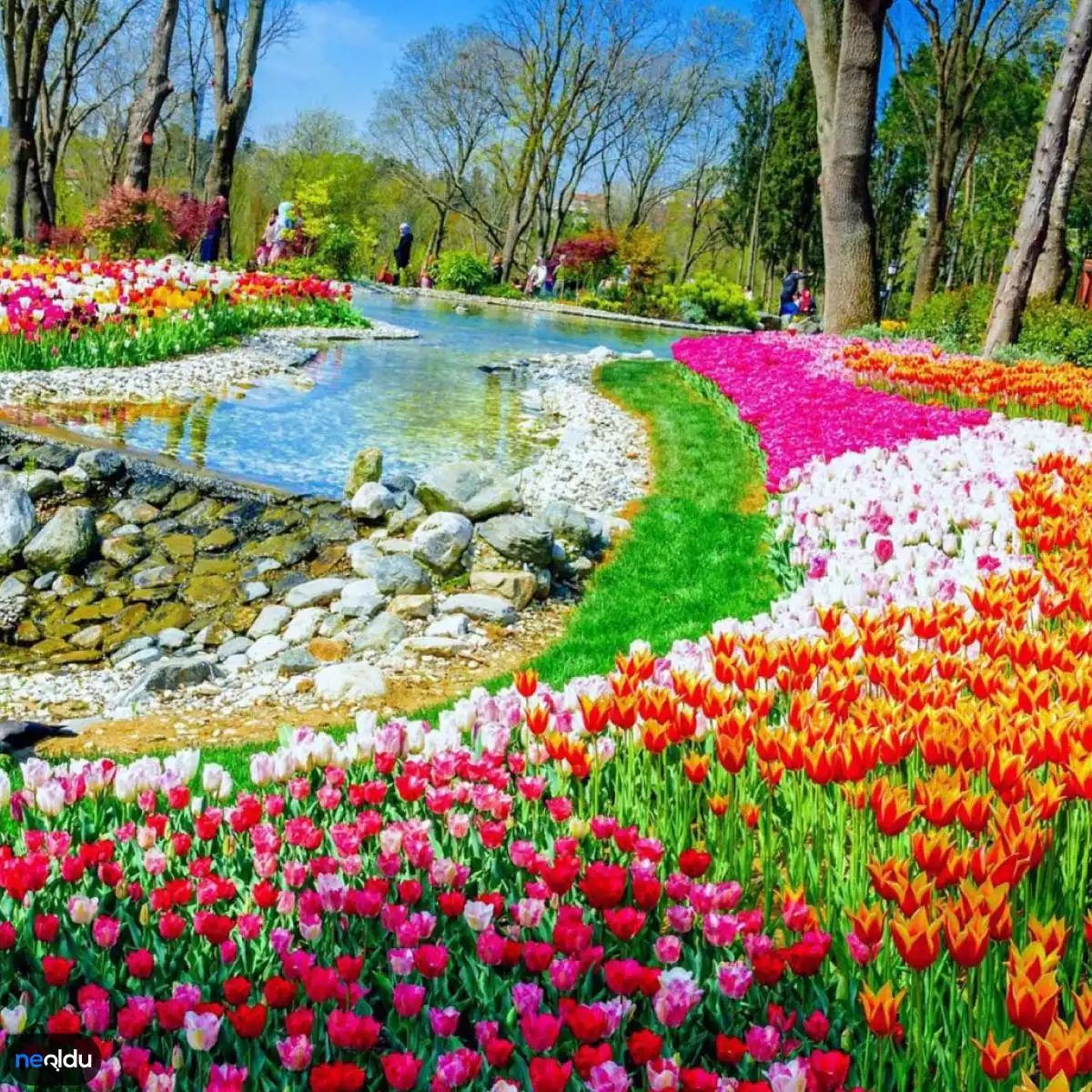
Emirgan Grove is located by the water and is a green hub for Istanbulites who want to escape the hustle and bustle of the city. It’s not hard to find nature here, but this park is different. On one side is the sparkling Bosphorus and on the other is a canopy of old trees. Located in the Sarıyer district, it can be visited all year round, but the biggest crowds are during the spring tulip festival. The trails are well-worn. Walk under plane trees and pine trees and breathe air without waste smells. It’s mostly quiet here. The only sounds are footsteps and the distant sound of a ferry horn.
How to get to Heybeliada: Ferry logistics
Leaving the mainland for Heybeliada is easy, but requires planning. Depending on your starting point, head to Kabataş or Bostancı. The trip takes about 20 minutes by ferry. It’s short and sweet, and the scenery suddenly changes as the skyline fades.
- Ferry service : During the high season, ferries run every 15-20 minutes.
- Prices : About 20-30 TL per person (may change).
- Payment : Istanbulkart works perfectly. Cash is also accepted, but it is slower.
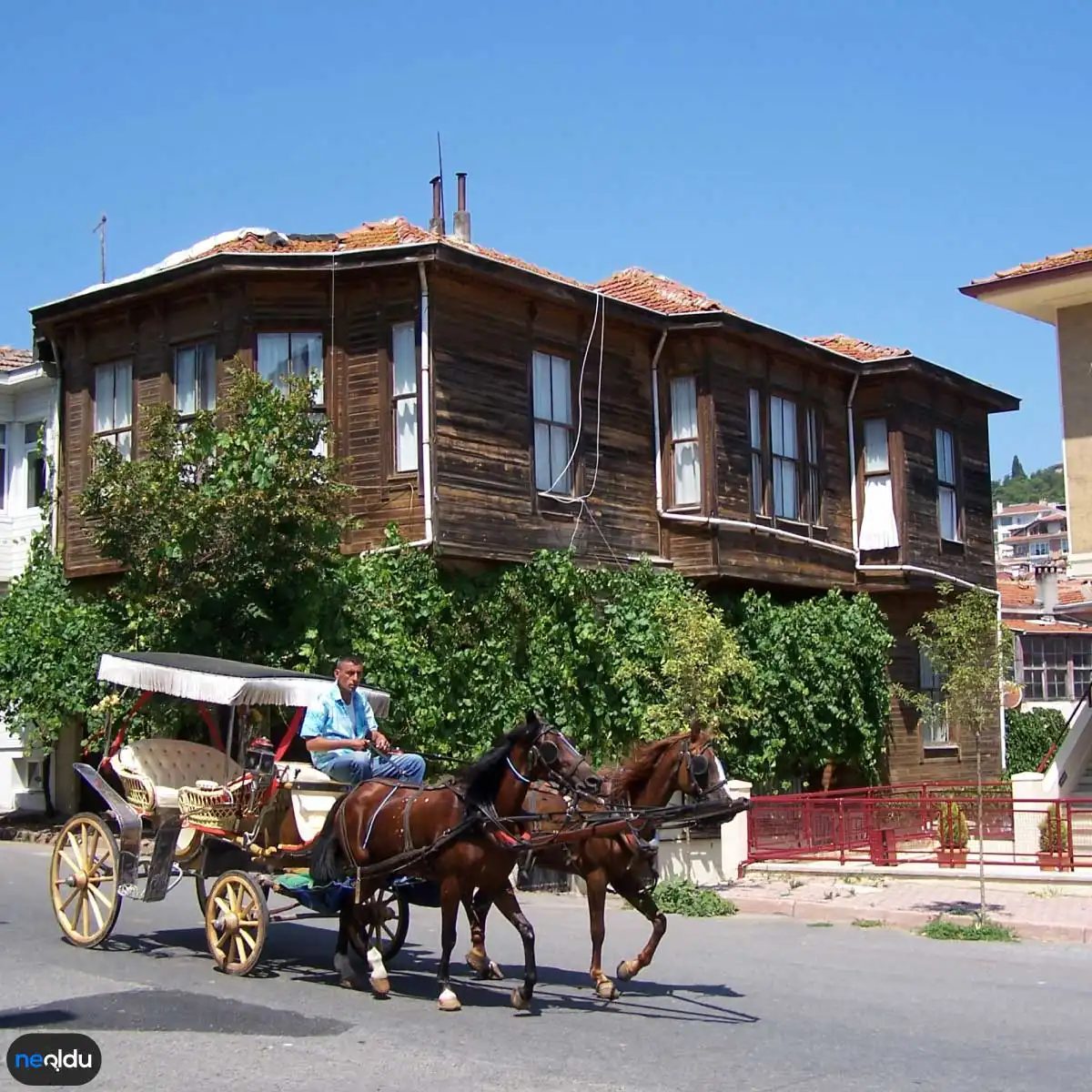
As you leave Heybeliada, the pace slows down. Cars are prohibited in the main tourist areas. You can walk, cycle or ride a horse-drawn carriage. The air here is salty. Unlike the crazy energy of Sultanahmet, this island has a unique atmosphere. It feels slow. Older.
Hiking on the Heybeliada trails
Heybeliada is more than just a place to hang out. There are several hiking trails on site that lead to the highest point on the island. The main path starts near the harbor and runs through a pine forest. Not steep enough to ruin your fitness level, but steep enough to get your heart rate up.
Pass abandoned buildings and overgrown gardens. These are not ruins in the classical sense, but remnants of a time when the island was a center of hotels and spas. Plants are dense. Ferns cover the ground. Wild orchids bloom in spring.
The view from the top is a bonus. You can see three more Princes Islands stretching like a chain. The sea is deep blue. On clear days you can see the Asian side of Istanbul in the distance. It is a panoramic view worth seeing.
Visiting time
Spring is the best time for hiking. The weather is calm. The flowers have bloomed. Summer brings warmth and tourists. The trails is congested. I’m not used to 湿気, and I might not be able to stand it in August.
If you want to be alone, go on weekdays. Locals spend weekends on the island with picnics and family outings. By noon, the cafes near the harbor get packed. Look somewhere inland. Please bring water. There are few vendors on the trails.
What to pack
- Comfortable walking shoes. The road is not smooth.
- Sunscreen. Even under the trees, the reflection on the surface of the water is strong.
A light jacket. The wind rises
Heybeliada: A silent escape from Istanbul
It would be a real remiss to leave Heybeliada out of any guide to Istanbul’s natural attractions. The Princes Islands (Adalar) is a year-round tourist destination, but Heybeliada offers something even more unusual: peace. It is much quieter and less chaotic than neighboring islands such as Bujukada. If you are looking for a place to hike and enjoy nature in Istanbul, you have come to the right place.
The island can be easily reached by ferry from Kadikoy or Bostanci on the Asian side. The pace slows down immediately. Renting a bike and exploring the pine-lined roads is a great way to cycle without getting tired. The air smells of sea salt and resin. There are several small beaches here, but they are more suitable for wading than swimming. The main attraction is the atmosphere. It feels a different world, away from the hustle and bustle of the city.
Historical sites mark the landscape. The Heybeliada Naval Academy is majestic and off-limits, but its exterior is worth seeing. Old wooden houses (yalis) have been built on the hills, some of which are dilapidated and some of which have been carefully restored. The view of Monastery of the Trinity at the top is worth the climb. The Sea of Marmara stretches as far as the eye can see, and Asia and Europe are on the horizon. A great place to watch the city expand.
4. Beykoz Korusu
At your next destination, the focus shifts from the sea back to the dense forests of the northern coast. Beykoz Korusu is more than just a park. This is a historic forest reserve with an ancient feel and a break from the hustle and bustle of modern times. This area is located in the Beykoz region and was a favorite hunting ground of the Ottoman sultans for centuries. This history is carved into the trees and stone structures scattered throughout the forest.
The name is apt, because “koru” means a forest reserve. The trees here are tall, mainly oaks and chestnuts, which form a canopy that filters the sunlight and into dappled patterns on the forest floor. This is a popular picnic spot for locals, especially on weekends. Families can be seen spreading blankets in the shade of trees and sharing simit and cheese. It is both a social tradition and a leisure activity.
Beykoz Korusu is easy to reach. You can take the B11 commuter train at Yenikapi or Sirinevleri stations to Beykoz station, where you can walk or take a short dolmus ride. Entrance is free, but if you don’t want to bring your own food, there are cafes and restaurants nearby. Belgrade Forest is also nearby, but Beykoz Kors is a more intimate and contained place. What it lacks in the scale of a large forest park, it makes up for in charm and accessibility.
One special place worth visiting is the Beykoz Palace (Yildiz Palace Complex) located next to the forest. The interior of the palace is closed to the public depending on the season, but the grounds offers a glimpse into Ottoman leisure time. Fountains, landscaped gardens and old stone walls add elegance to the natural surroundings. This is the place where nature and imperial history intersect.
The paths here are well marked and suitable for both leisurely walks and vigorous hikes.
Agva: a quiet place on the Black Sea coast of Istanbul
Beykoz offers ancient forests, while Agva transports visitors to a landscape far from the hustle and bustle of city’s chaos. This is neither a beach destination nor a busy resort in the traditional sense. Instead, this valley town, where the Black Sea coast meets forested hills, offers a special escape for travelers looking for a tranquility over nightlife.
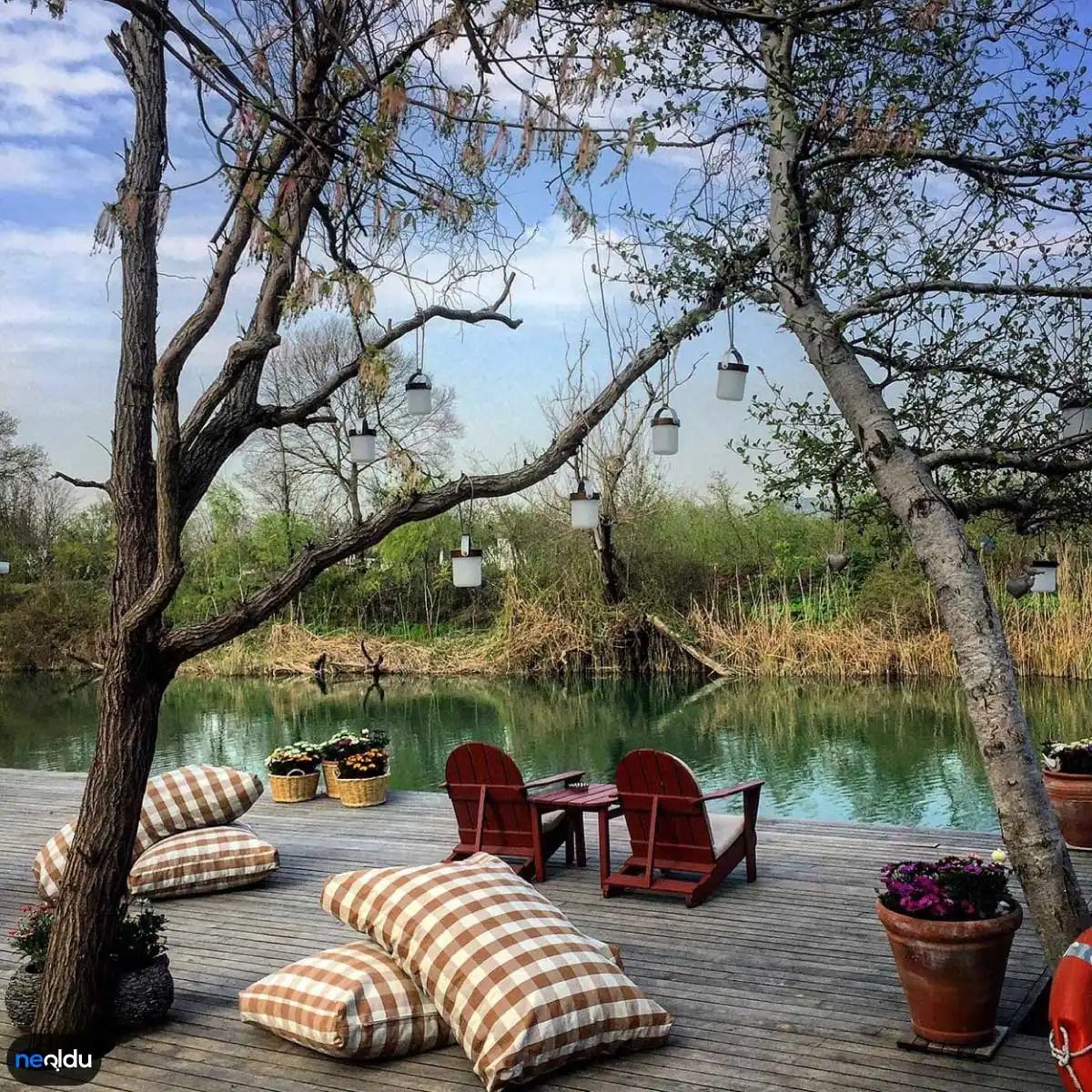
For those planning a trip to the Agva nature walks and forest trails, the biggest attraction is water. The area is characterized by small rivers and streams that meander through lush vegetation. At this point, the pace slows down dramatically. restaurants and cafes are located directly on the water, and the tables are stretched out on wooden platforms above the river. This is where the locals and weekenders hang out. The riverside is covered with trees and the air is cool.
Getting there is part of the experience. The road winds upwards from Beykoz and passes through green corridors that feel more and more isolated. By the time we arrive in Agva, the hustle and bustle of Istanbul has faded into a distant noise. The town itself is small, and several main streets have shops selling local products and handicrafts. However, the real attraction is the surrounding nature.
Travelers often ask the best time to visit. Spring and early summer are ideal times, when the water levels are stable and the greenery is at its richest. In autumn, the leaves turn golden and red and are reflected on the dark surface of the water, creating a different kind of beauty. Winter can be rainy and muddy, so sturdy shoes are a must if you plan to hike.
The daily price at Agva is surprisingly affordable. You can explore the routes for hours without paying. When you get hungry, you can enjoy fresh fish and local dishes at the riverside restaurants. Prices are generally lower than in central Istanbul, but most scenic spots may charge a premium for the view. It’s worth arriving early to secure a table by the water. Especially on weekends, town fills up with day-trippers from the city.
Hiking is the main activity. The trails vary from easy walks along the river to more difficult climbs in the surrounding hills. There are signs, but it can be slippery after the rain. Keep your phone charged as the signal can be unstable deep in the forest. The reward for a long hike is usually a secluded spot, away from the crowds, with clear view of the water.
Agva offers a safe and welcoming environment for families. Children can play in the shallow end of the stream under supervision and adults can relax nearby. The natural environment encourages exploration and observation, making it an educational and fun experience.
If you are looking for a place to relax for a while, Agva is the right place for you. It’s not about visiting landmarks or checking off tourist boxes. Sit by the water, listen to the sound of the water and breathe in the fresh air. It’s a simple but memorable experience long after you’ve left.
Conclusion
Agva is a stark contrast to the resorts on the Black Sea coast. It is quieter, more intimate and more connected to the earth. For travelers who want to escape city life without venturing too far from Istanbul, this valley city offers a practical and inspiring alternative. The combination of being close to nature, affordable food and a peaceful atmosphere make it a place worth visiting.
Most travelers head straight for the historic peninsula, but if you want to escape the humidity and noise, you might want to look north. Ağva is the go-to spot for Istanbulites looking for a break. Although it can be crowded in summer, its charm is simple. It’s a chance to escape the heat, traffic jams and the hustle and bustle of the city. It’s more than just a day at the beach. It’s a proper nature immersion in nature.
Why Ağva?
Its appeal is not only cooling. It’s about geography. Here, the forest meets the Black Sea coast, creating a lush corridor that feels far removed from the concrete jungle. As the air thickens, the locals gather. They want to be quiet. They want trees. They want a break from the engine noise of the Bosphorus.
If you haven’t been yet, plan a day trip. It’s about an hour’s drive from the city center depending on traffic, but it’s a quick transition. One moment you are in the middle of the chaos of Sultanahmet. Next you are surrounded by tall pine trees and the sounds of the ocean.
The Kayışdağı Forest
Deep in Ava lies an untouched forest park Kayışdağı. This is not a well-kept garden. It’s wild. Hike along winding paths through lush vegetation. The air here is clean. Even cooler.
“If you want to break ties, Kayışdağı is the best choice.”
The hiking trails are clearly marked. If you go early enough, you might end up wandering around for hours without seeing anyone else. Please bring water. The route can be steep in places, but it has the advantage of miles of coastline. This is not mountain climbing. A beautiful forest walk.
Estuary
The Köroğlu Stream meets the sea right in Ağva. This is where the magic happens. The water is very clear. The sand is fine. Yes, you can swim, but it’s also a great place for a picnic. People spread blankets on the grass. They read. They chat. They watch the passing ships.
Admission is free. Parking fees are nominal. You can buy fresh fish from local vendors and eat it on the spot. No reservation is required. There is no dress code. Only nature and food.
When to go?
Summer is the peak season. It’s very crowded. It’s best to go in late spring or early fall if possible. It’s still warm enough to swim, but there aren’t many people. The light becomes softer. A photo would be better.
How to get there
Drive from the city center to the E-5 highway towards Silivri. Get off at the Ağva sign. Walk the road along the coast. It’s very simple. There are many signs. If you drive, be prepared that the roads are narrow during the peak summer months. Parking fills up by mid-morning.
If you don’t have a car, you can take buses from different parts of the city. Cheaper, but less flexible. You are bound by the schedule. a car is worth the gas money.
What to bring
–Water. Lots of it.
– Sunscreen. The shade helps, but the UV is strong.
-**Footwear. **
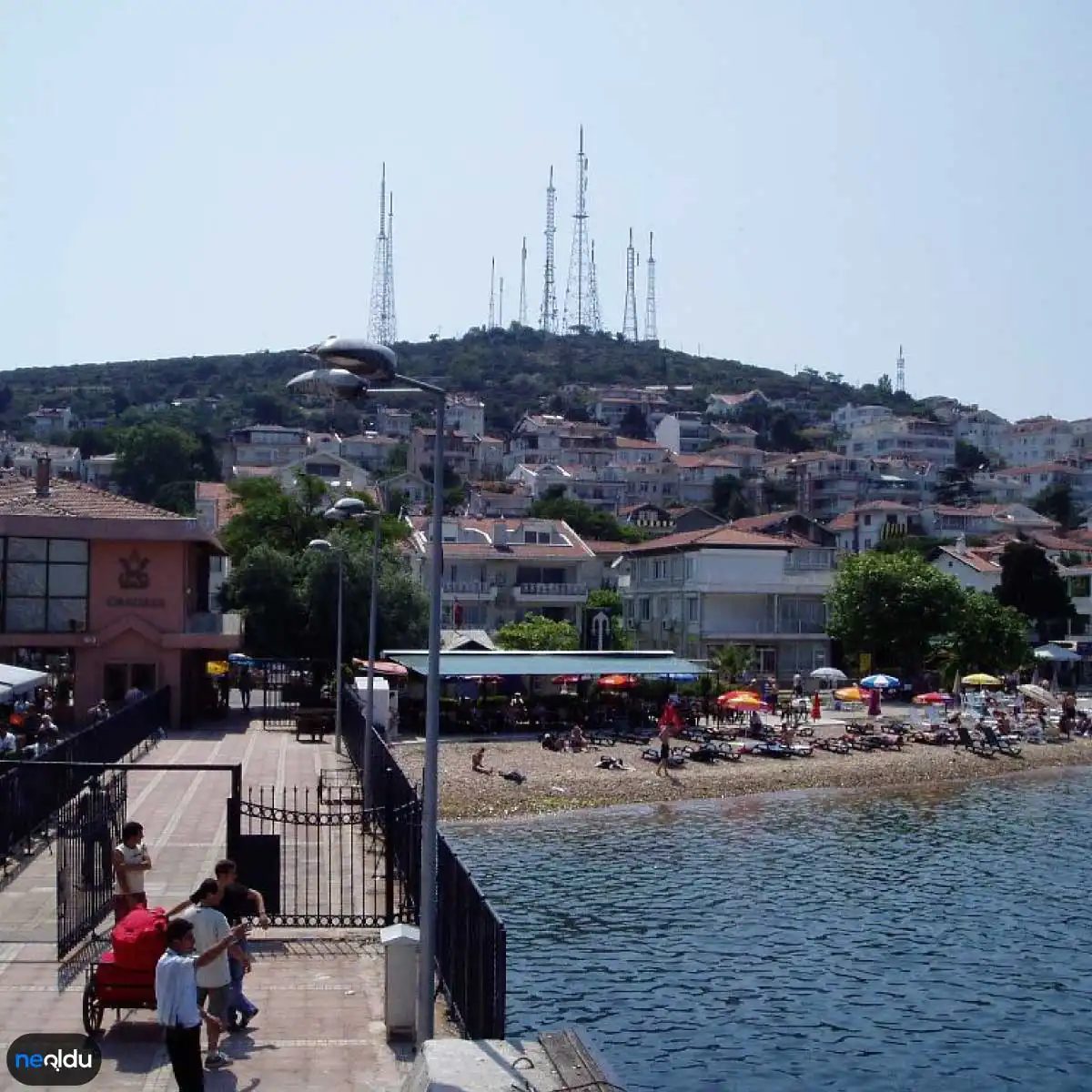
If you’re looking to escape the hustle and bustle of Istanbul, the Princes’ Islands are not just an option, it’s a great one. they are a necessity. They offer a rare blend of relaxation and sightseeing that feels like magic. But can you really hike there? Yes, of course it is possible.
Among the many islands, Kınalıada is the best for a nature walk. It is smaller than Büyükada, Heybeliada and Burgazada, which gives it an advantage. Its compact size allows you to hit any trail in hot, humid weather without burning out. The landscape here is rugged, green and very different from the urban sprawl of the mainland.
Why Kınalıada is perfect for a nature hike
You might be wondering which island has the best scenery. Büyükada has mansions, Heybeliada has a military atmosphere, and Kınalıada’s topography lends itself to nature-oriented excursions. The path is well marked and offers panoramic views of the Sea of Marmara from above. You don’t just walk. you walk Breathe in the scent of pine trees and olives, which is hard to find in the city center.
The logistics are simple. Ferries often depart from Kabataş or Bostancı piers. The ride itself is part of the experience: smooth, scenic and a welcome break from the hustle and bustle of the city. It is common to rent a bike when you arrive, but if you want to enjoy nature, leave your bike in the carport and put on your walking shoes.
Belgrade Forest: A Journey on the Continent
7. Belgrat Ormanı
If the island seems too small or the ferry schedules don’t fit your plans, look north. Belgrade Forest (Belgrad Ormanı) is a huge green lung in the European part of Istanbul. This is one of the few places where you can escape the concrete jungle and step into a lush, ancient forest.
The forest is not just a park; it is a protected historical area that dates back to the Ottoman era. Here the air is cooler, cleaner and much quieter. You can spend hours hiking the trails, some of which lead to ancient reservoirs and hidden streams. It’s a popular spot with local runners and families, but once you get off the main road it feels vast and it’s easy to get lost in solitude.
How to get there? The most practical way is to travel by bus from Şişli or Levent area. The trip takes about 30-45 minutes, depending on the traffic, but the transition from the city to the forest is sudden and exciting. Guided tours are also available if you prefer to prefer structure rather than explore.
Practical tips for both places
- Timing matters. Visit the Princes Islands early in the morning or late in the afternoon to avoid the tourist crowds.
- Footwear is non-negotiable. Forest trails in Kınalıada and Belgrade can be rocky or muddy. Wear sturdy shoes.
- Food and water. Take your own water with you when hiking in the forest. There are many cafes on the island, but they can be expensive.
- Best season. Spring and autumn have the most comfortable temperatures. Summers are humid and crowded, while winters are quiet but humid.
The
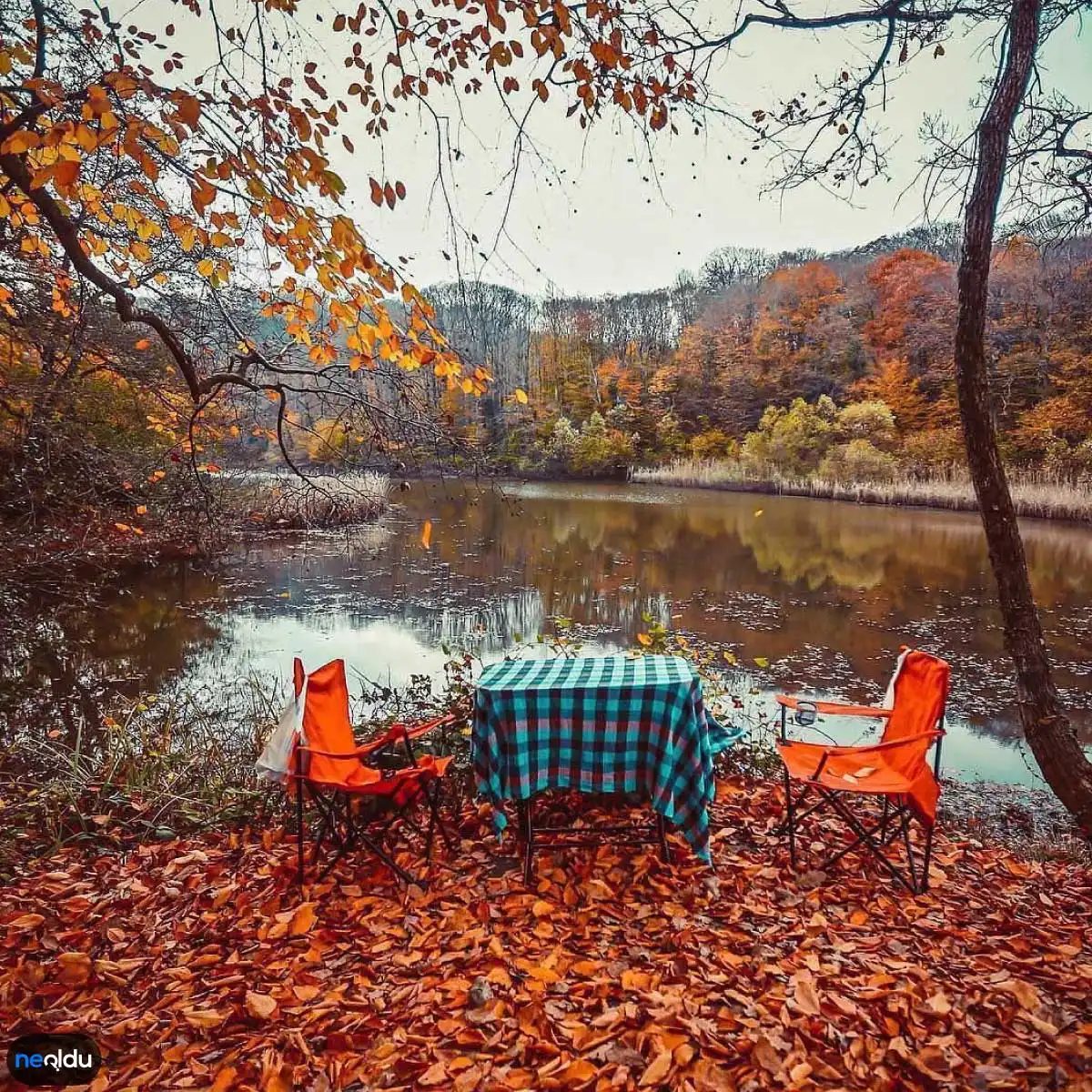
8. Aydos Forest
If Belgrad is your weekend trip to the northern suburbs, Aydos is its wilder brother, requiring more effort to get to but offering deeper rewards. Located on the Asian side of Istanbul, this place is more than just a forest. This is a protected forest covering more than 7,500 hectares, which is one of the largest green lungs in the capital region.
Why go? Because it feels different. The air here is cooler and dense. You don’t have to pass manicured park benches or cafes. You walk along dirt roads that wind through old oak and beech trees that are hundreds of years old. The biodiversity is significant and is home to wild boars, deer and different types of birds. It’s not always easy to find them, but the silence makes you feel like you’re the only one there.
The logistics are simple, but require planning. It is not possible to drive directly into the middle of the forest. Most visitors park at the main entrance, such as Ümraniye gate or Kartal access point, and enter on foot. The trails range from easy 2km loops to strenuous 10km ridges with panoramic views of the Bosphorus, the Black Sea coast and the sprawling cityscape below. On a clear day, the view from the highest peaks is spectacular.
Timing is important. Summer brings heat and crowds, especially on weekends. July and August are oppressive, with temperatures rising and trails filling up with families and day hikers. Spring and autumn are ideal. The light is softer, the air is sharper, and wildflowers (or changing leaves) add color to the understory. Winter is also an option if you are prepared for muddy and short days. The forest has a wild and moody beauty, but you need the right gear.
What is worth seeing? The historical water cisterns is a must-see. Aydos have been part of Istanbul’s water system for thousands of years, and remnants of Byzantine and Ottoman infrastructure can be seen throughout. You will find stone arches, crumbling channels and old reservoirs hidden in the bushes. It’s easy to miss if you’re not paying attention, but it adds a sense of history to your outing that most city parks don’t have.
Practical advice: Take water with you. There are no shops in the forest. The nearest convenience store is located in the parking lot. Pack what you need. Leave no trace. This is not a theme park. This is a living ecosystem. Unlike Belgrad, which feels more curated and accessible, Aydos has a raw edge. Relatively rough. Less polished. That’s why it’s worth visiting.
You may feel tired. Your leg hurts. You come back with dirt on my shoes and a strange sense of calm that I can’t find in the city. Is this the nicest tour in Istanbul? No, is this the most rewarding? For many it is.
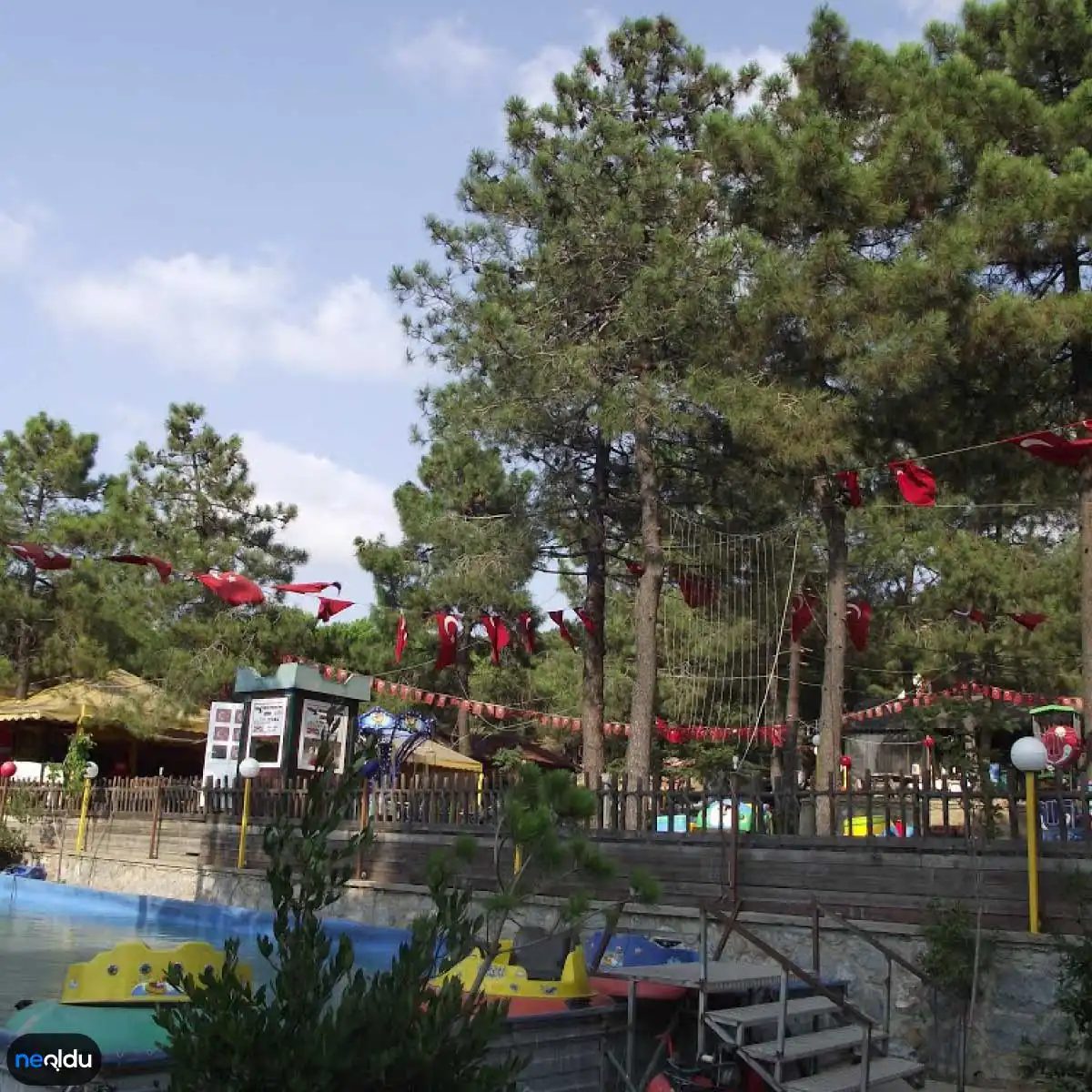
Hidden in the canopy: why Aydos Forest is Istanbul’s best kept secret
You know Istanbul. Traffic jam on the Bosphorus Bridge. A crowded mosque. noise.
Now imagine all of this disappearing.
Quietly located on the Asian side of the city, Aydos Forest is an antidote to the big city. It’s more than just a park. It’s the lungs. Giant green lungs that filter air throughout the area. If you’re looking for a nature trip in Istanbul that doesn’t feel like a tourist trap, this is the place.
It is a remote location. It is loud with birds, not cars. This is where the city comes alive.
9. Hidiv Kasrı
Fairytale Water Palace
If Eddos is the city’s lungs, Hidiv Kasrı (Kudüs Ekmeji Palace) is its heart, beating in the middle of the Bosphorus.
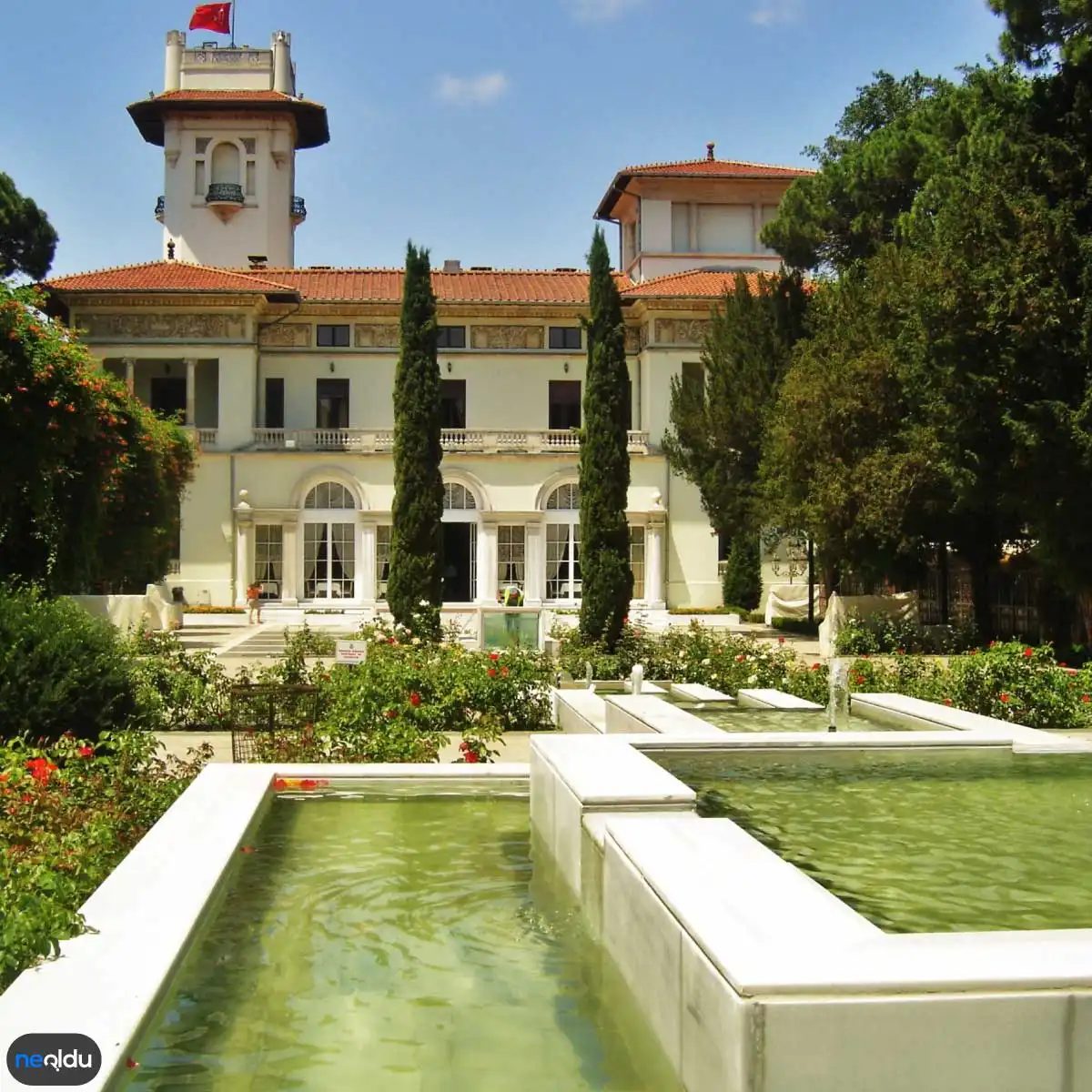
Located on the edge of Uskudar on the Asian side, this building is not a typical Ottoman palace. This is a late 19th century relic built by the last Khedive of Egypt, Abbas Hilmi Pasha. He fell in love with the view of the European side and the Galata Tower and ordered the building as a vacation home.
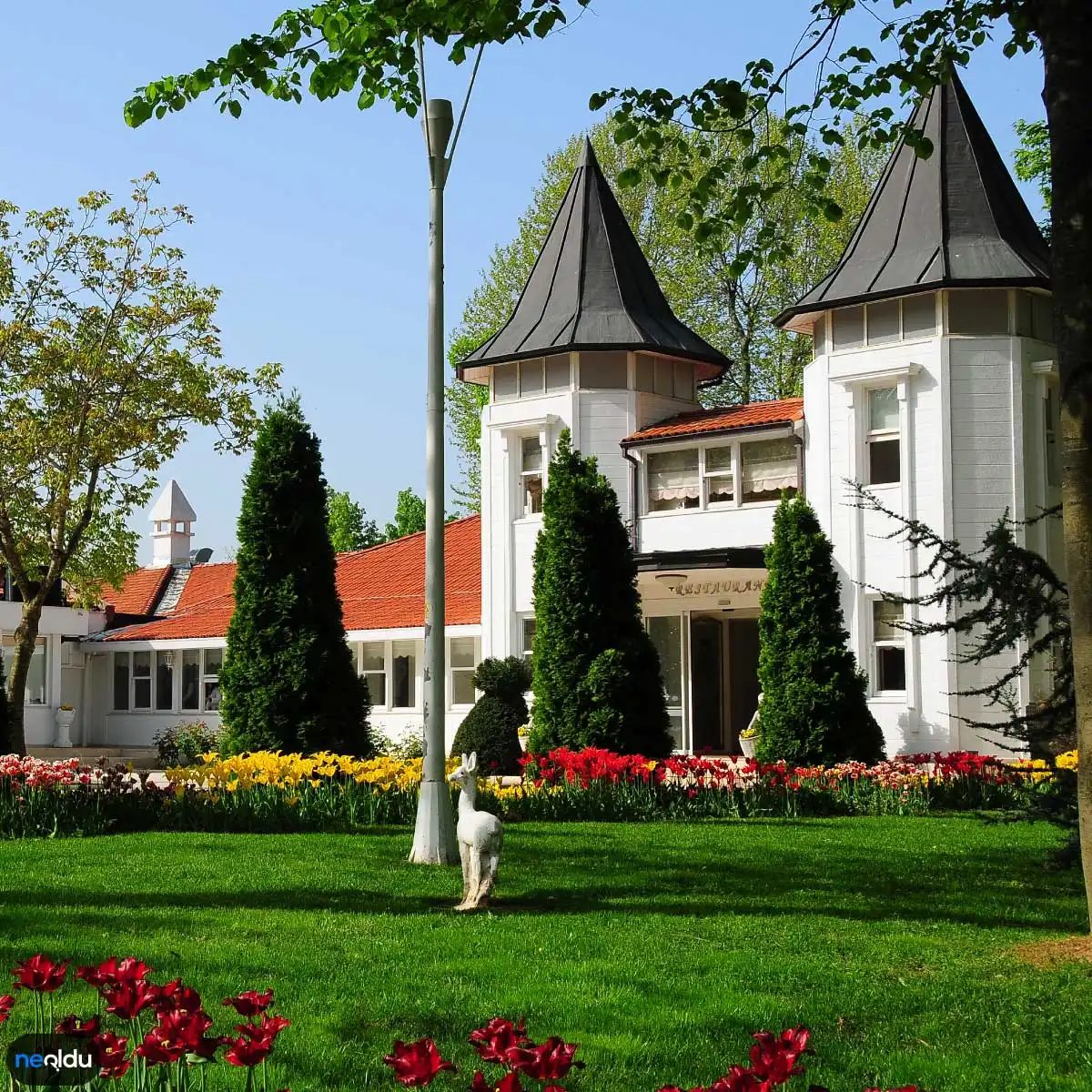
The architecture is a shocking and beautiful composition. The traditional Ottoman curves collides with the influence of the Viennese Secession (Art Nouveau style). The outside looks like a fairy tale castle turned into a real city. Carpentry is complicated. The tiles are bright. The location is impressive – right by the water.
Why it’s important for travel
Most tourists choose the Sultanahmet area on the European side. They totally miss this side of Asia. The Asian side is where the locals live. It’s slow. It’s more realistic.
Visiting Hidiv Kasrı was a logistical triumph. You can get there by ferry from Karakoy or Eminonu. It takes about 20-30 minutes to cross the Bosphorus. It is very cheap. The scenery here is beautiful. You can enjoy the horizon from several different angles.
When you arrive in Uskudar, you can walk along the beach or take a taxi to the palace. The plot is beautifully landscaped. There is a cafe nearby. This is the perfect half day trip.
Highlights inside
This palace is now a museum and a hotel. You can use the common spaces even if you don’t live there.
- Main Hall: Look at the ceiling. The details are amazing.
- Terrace: Offers one of the most unobstructed views on the European side. Dolmabahce Palace and Galata Tower are clearly visible.
- Garden: Very well maintained. Perfect for a quiet walk.
“The building reflects the cosmopolitan nature of Istanbul, where East meets West, often in unexpected ways.”
Practical Details
- Location: Üsküdar Kandilli, Istanbul.
- Transportation: Take the ferry to Uskudar. It’s only a short walk or taxi ride away.
Price: There is one
There is so much to see in Istanbul that it would take several pages to list all the sights. You can spend weeks exploring the forests and the pavilion. But if you want to escape from the hustle and bustle of the city, Hidiv Koşması is the place for you. This is a place that focuses on nature. This pavilion is a must-see for travelers who want to escape the concrete and breathe in the green.
Why Polonetskoy is Istanbul’s Little Switzerland
If you want to go to another world without leaving Turkey, go to Polonezköy. This neighborhood on the Asian side of Istanbul feels like you’ve suddenly jumped into the European countryside. The name comes from the Polish and Lithuanian settlers who founded the village in the 19th century. They brought agricultural techniques and architecture, creating a unique blend of cultures not found anywhere else in the city.
The biggest attraction here is the forest. This is part of the Istanbul Forest, a huge green lung that separates Europe from Asia. The air here is clean. The sound is different. Instead of the noise of cars, you hear birds chirping and the wind blowing through the pine trees.
How to get there and what to see
Polonezköy is easily accessible by car or local bus. From the Asian side, you can take a bus from Kadikoy or Üsküdar to Beykoz. The trip takes about an hour, depending on traffic conditions. When you arrive, park your car near the center of the village.
The village itself is small. You can get there on foot in 30 minutes. The houses are built of wood and stone and have red tiled roofs that look beautiful against the green background. However, it is not a museum. People still live here. It is a working village with farms, cafes and shops.
The real value for travelers are the nearby trails. A marked path leads into the forest. You don’t need a guide for short loops. On long hikes, try to stay on the main trails so you don’t get lost. The trails vary in difficulty. Some are flat and easy to walk, making it perfect for a family walk. The other routes are steep and suitable for hikers who want to exercise.
Why you should visit in spring or autumn
Timing is important here. Summers can be hot and crowded. Winters can be muddy and cold. The best time to visit is spring or autumn. In spring, the forest turns green and flowers bloom. The air is fresh. The leaves change color in autumn. The view is amazing.
Food is also one of the reasons to go. There are many cafes and restaurants in Polonezköy. It serves traditional Turkish dishes with a local twist. The menu often includes fresh vegetables from nearby farms. Try kefir. It is a fermented milk drink that is popular among the locals. Good for digestion. It refreshes after the hike.
Comparison: Polonezköy and other natural attractions
How does Polonezköy compare to other natural attractions in Istanbul? Unlike the large and extensive Belgrade Forest, Polonezköy Forest is more compact. Navigation becomes easier. center of the village
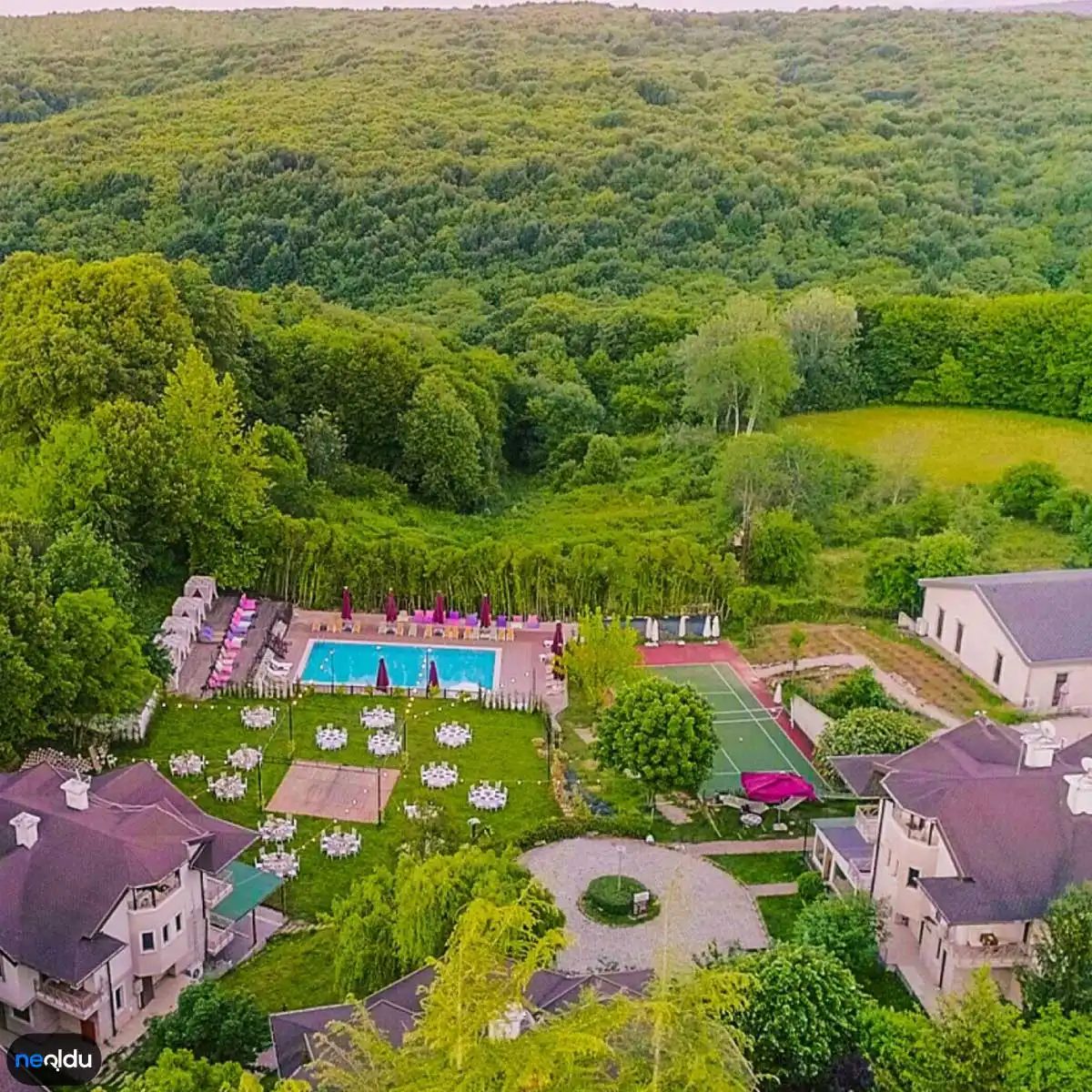
If the hustle and bustle of the city bothers you, avoid the crowded parks and head to Polonezköy. Known as Istanbul’s backyard, the wooded enclave is perhaps the best place to isolate yourself from the rest of the world. It’s a sanctuary filled with the smell of pine and damp earth instead of exhaust fumes. It’s a popular spot for families and school groups, but get there early to enjoy the deep, tranquil peace. There is a lush and green landscape with lots of old trees and winding paths, so it is suitable for leisurely walks. After you’ve explored, have a picnic or barbecue. Cooking by the campfire, surrounded by greenery, has uniquely grounding.
Getting there is easy if you know the route. Cross the Fatih Sultan Mehmet Bridge. At the Kavacık exit, take the right fork. Drive through the Acarkent residential area and follow the signs to Polonezköy. When you enter the forest, the path narrows and you feel refreshed. The drive takes about 45 minutes to an hour, depending on the traffic, but the transition from urban sprawl to a lush forest is immediate.
11. Buyukada
Just as Polonezköy provides an escape in the forest, * * Büyükada * * provides a maritime reset. The island is located in the Marmara Sea and is one of nine Prince Islands off the coast of Istanbul. This is in contrast to the gridlock on the continent. What is the most impressive feature? Cars can’t pass through it. There’s no engine or honking. All you hear is the sound of waves, the sound of bicycle tires on a gravel road and the sound of church bells from a distance.
Buyukada is easily reached by ferry from Kadikoy or Eminonu. The journey takes about 45 minutes. The ferry itself is also part of the experience, offering panoramic views of the distant horizon. When you are step off the dock, you can rent a bicycle or horse-drawn carriage (fayton ) to explore. The island’s winding main roads are lined with historic wooden mansions from the late Ottoman and early Republican periods. Many of these buildings have now been converted into boutique hotels and cafes, and are architectural gems worth photographing.
The highest point on the island is Ayvalık Köyü, which has a monastery and a small museum. Climbing the mountain is the perfect place to enjoy a 360-degree view of the surrounding islands and the Asian side of the city. For lunch, go to a fish restaurant near the port, where you can get fresh seafood, but the prices are slightly tourist-priced. Look for grilled sea bass or mussels stuffed with rice. Although expensive, the environment makes the cost worth it.
Why go when the rest of Istanbul is in chaos? Because Büyükada forces you to slow down. You can’t drive through it. Don’t rush. The slower pace is dictated by geography. This is one of the few places in the capital region where you can really hear yourself think. Take comfortable walking shoes with you. The mountain is steeper than it looks. Maybe, just maybe, you can leave your cell phone at the hotel. The view is better if you don’t go through the lens.
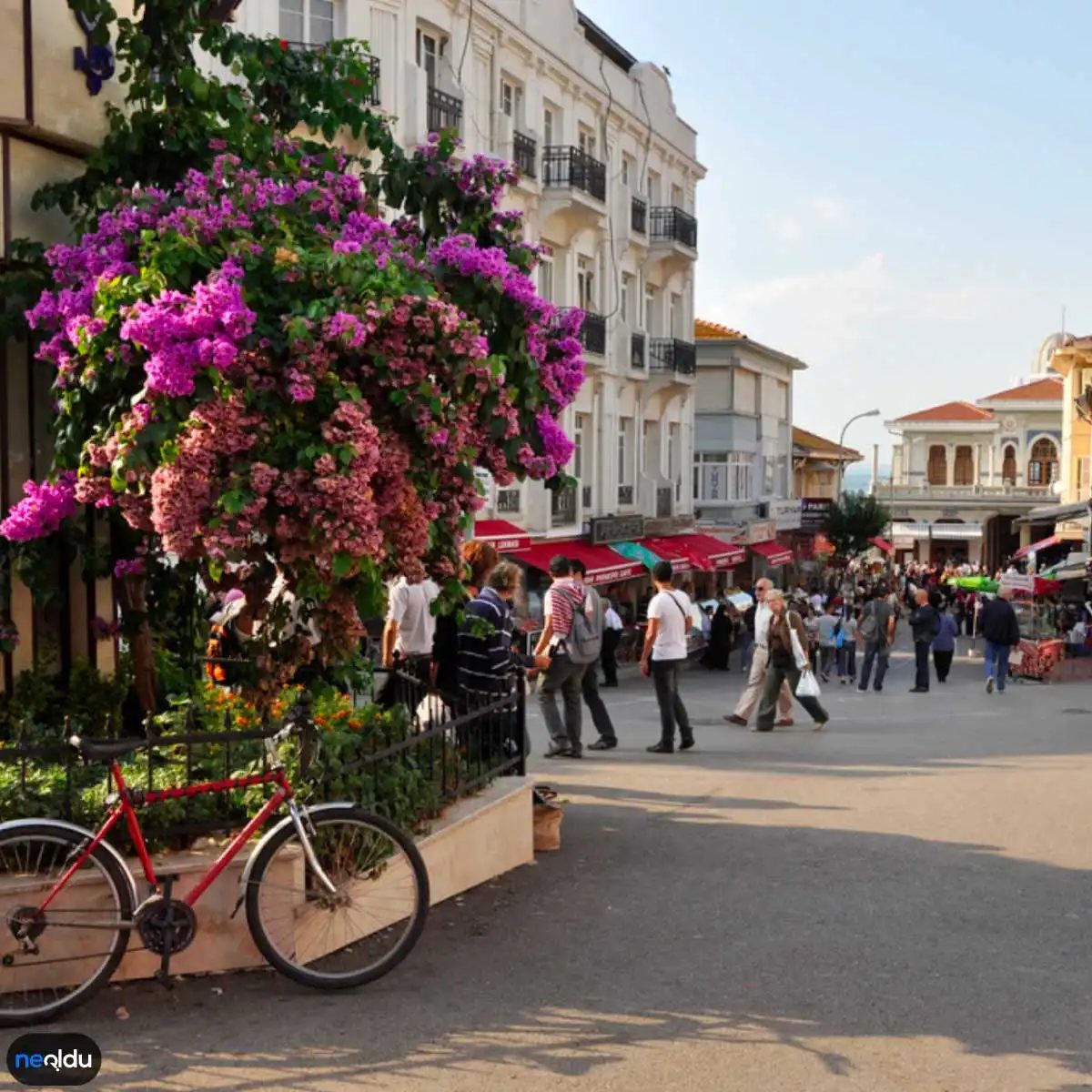
12.Burgazada
Away from the hustle and bustle of the city. If you’re looking for a weekend getaway that’s more a breath of fresh air than a trip, head to Burgazada. It’s the quieter sister island of the Prince’s Islands, often overlooked by those chasing Büyükada’s Instagram fame, but that’s what makes it so great.
There are no cars here. No exhaust gas is produced. There is no traffic jam even on the narrow roads. The only sounds were the rhythmic clatter of the carriage and the muffled sound of bicycle wheels on the cobblestones. When you arrive, rent a bike and take the stress away.
Why Burgazada is the perfect weekend getaway
Most people gather in Büyükada. The voice grew louder. Even busier. The number of tourists is increasing. Burgazada is different. It’s very intimate. You can actually hear your thoughts. The road narrows, the scenery becomes clearer and the pace slows down. If you are looking for Istanbul’s most peaceful island, this is the place.
Rent a bike from a local shop near the ferry terminal. The terrain is hilly. When you climb a hill, you feel a burning sensation in your calves. OK, coffee tastes better when you put it on. The island is small enough to explore in a day, but big enough to get lost.
Sights and activities
- Clock Tower: Iconic. The photo spot in the center is a must-see. Built during the Ottoman Empire, it has survived fire, war and the test of time.
- Limon Bahçesi: It’s more than just a garden. It’s the atmosphere. Lemon trees are everywhere. The air is full of fragrance. Perfect for a relaxing afternoon.
- Old churches: Byzantine and Orthodox ruins mark the landscape. Each story tells about the diverse past of the island.
- Horse-drawn carts: Skip the bike tour for 1 hour. Please ride the trolley. It’s very romantic. This is traditional. This is exactly what you want from a date.
Where to Eat
Do not eat in the port. Walk inland. The best restaurants are hidden in residential areas. Find a place with a wooden table. Find locals. Enjoy fresh seafood, appetizer plates and homemade desserts. Prices are reasonable by Istanbul standards. A meal for two costs around 200-300 Turkish liras. Not cheap, but fair.
Logistics: Operating Instructions
Ferries depart from Kabataş or Bostancı. Kabataşh is faster. Bostancı has beautiful landscapes. The trip takes about 40 minutes by ferry. If possible, buy tickets online. Skip the line. It’s crowded on weekends, but Burgazada fares better than its neighbors.
Verdict
Burgazada is not for everyone. For nightlife, head to Kadıköy. If you want chaos, go to Taksim. But what if you need a place where time slows down? Where can you find air that smells like sea salt and lemon blossom? This is your place.
“The best way to see Burgazada is not to look at it at all. Just be there.”
Stay long enough to watch the sunset.
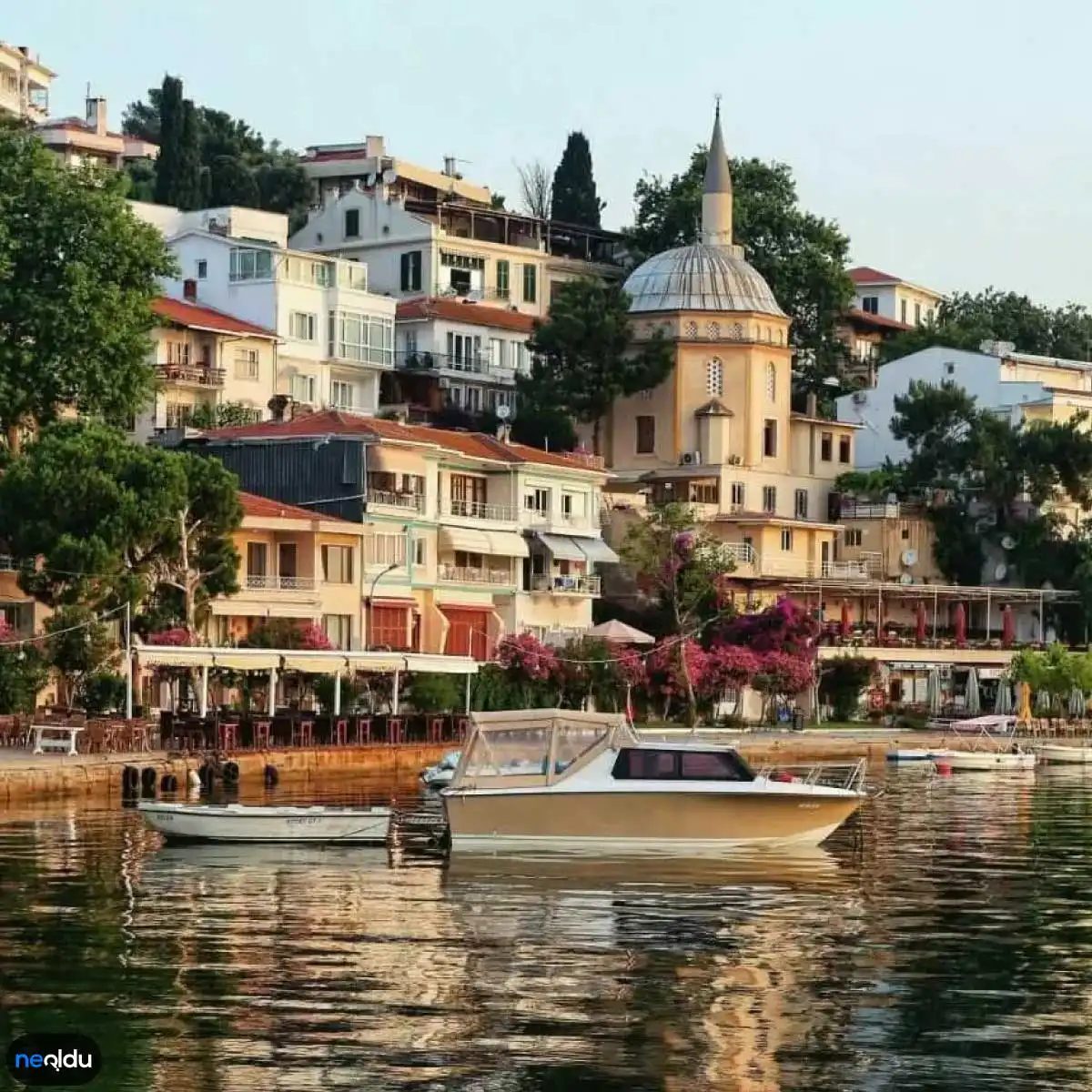
If you find the crowds in Buyukada too much, head to Burgazada to avoid the chaos. A gentler, greener sibling to the Prince Islands, it actually has a literary pedigree. Sait Faik Abasıyanık is one of Turkey’s most popular short story writers, and many of his novels are set here. The island feels like a peaceful retreat, especially when viewed from the water to the slopes covered in Heybeliada and Kınalıada trees.
Traffic here is slow, but that’s the point. You can take a classic tour by horse-drawn carriage (fayton) or rent a bicycle. And honestly? It’s easier here than Buyukada. The hills are less stressful, the paths are wide, and you don’t have to fight for a place with dozens of other tourists on narrow paths.
If you are hungry, stay near the ferry terminal. Although it is a restaurant designed for tourists, it offers a decent atmosphere and reliable service. You won’t get hidden local gems, but you won’t leave hungry or disappointed. This is very practical. Beautiful landscapes. This is a good middle ground.
Riva: The Wilder Edge of the Bosphorus
Riva is located in the northern part of the city, at the junction of the Bosphorus and the Black Sea. This is not an island. This coastline feels very different from Istanbul’s concrete sprawl. Here, locals escape the heat, traffic and noise.
Riva is famous for its wooded hills that fall into the water. You don’t need a boat to get here. You just have to get there. The distance from Taksim is about 30-40 kilometers, depending on the traffic. Traffic jams can occur on summer weekends. Leave early. Before 9 a.m. Or don’t come on weekends at all.
The main attraction is the beach. This is not a resort beach, there are umbrellas and hotels on the coast. Wilder. More rugged. People can be seen picnicking, grilling fish (fresh fish is sold at nearby stalls) and swimming in the cool waters. The sand is very coarse. The water is very clear. This is not a “luxury trip”. It’s raw.
If you go by car, there is a parking problem. Arrive early. Alternatively, you can travel by dolmuş (shared minibus) from Beykoz or Çengelköy. cheaper. Less stress. Dolmus drivers know the area. They drop you off at the main entrance. From there it is a short walk to the water.
What is worth seeing? The forest itself. The trees are dense. pine and oak. The air here smells different. cleaner. There are small cafes and restaurants along the road. We serve simit, Ayran and kebabs. It’s not flashy. Just good. solid food. Prices are also reasonable compared to the city center.
Timing is important. Go and enjoy a quiet time in the morning. Look for a golden glow in the evening. The way the sun hits the surface of the water makes you stop and take a closer look. No filter is needed.
Riva is not trying to impress you. It just exists. Wild. Unpolished. Genuine. If you want Istanbul to feel like a vacation instead of a commute, this is the place
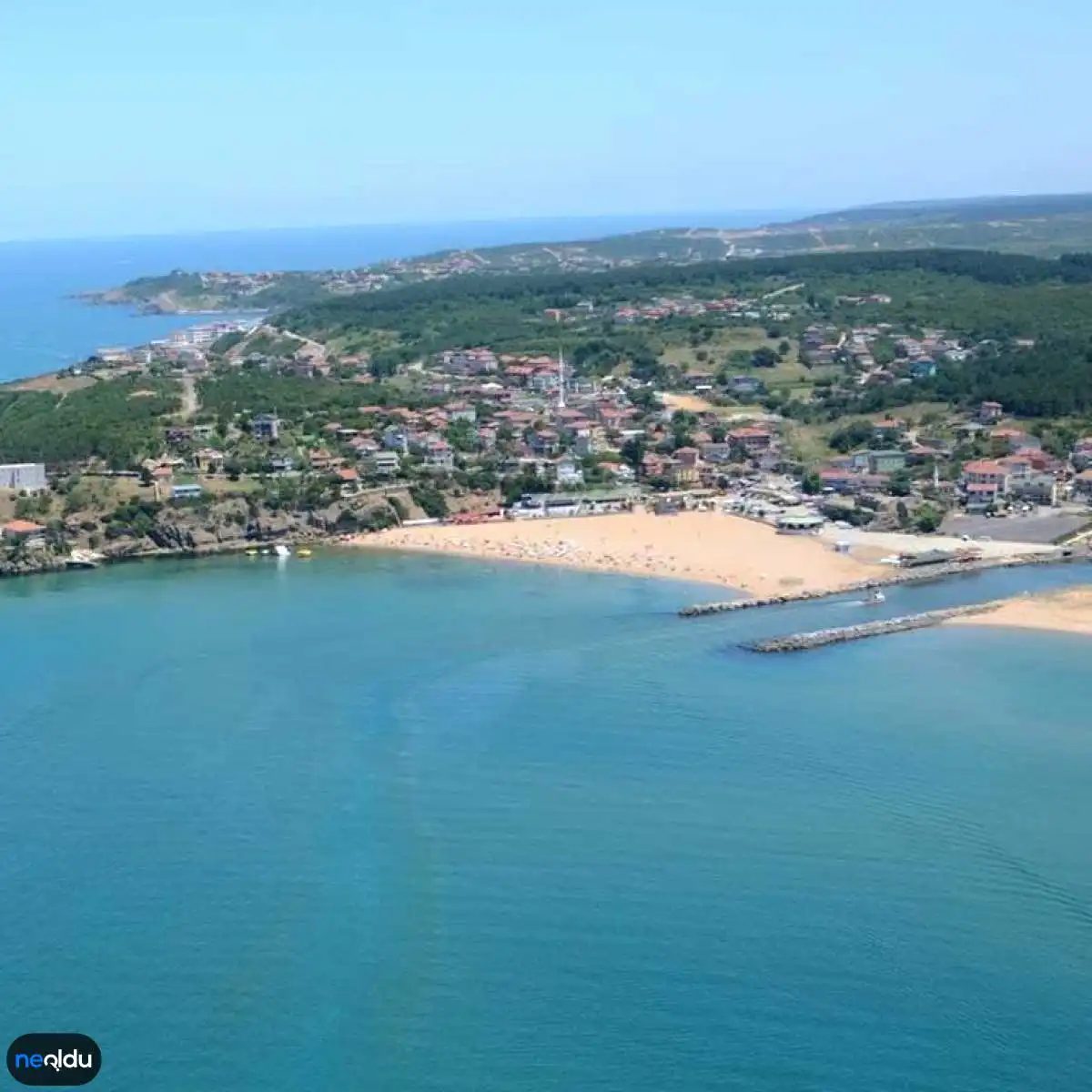
Avoid the crowds on the main beach and head to Saklugol in Şile. This is a place for willing travelers. This hidden gem is just a short drive from the coast and is a stark contrast to the bustling coastline. This is more than just a day at the beach. Immerse yourself in the peace of dense greenery.
The name means “hidden lake” and for good reason. The lake is located in a forest reserve and is surrounded by tall trees that block the sun’s rays and create a cool and intimate atmosphere even during Midsummer. It is a favorite place for locals to have a picnic and quiet thoughts away from the noise of party boats and crowded seaside cafes.
Why Saklıgöl stands out
Unlike the wide sandy beaches of Riva and Arnavutkoy, Saklugöl is characterized by clear water and surrounding pine forests. The air feels different here – fresher, cleaner. The water is clean and easy to walk, but we didn’t come here for a long swim. You are here for peace and quiet. The lake is small, partly shallow and completely surrounded by nature. Ideal for:
- Gentle walk: The route goes around part of the lake, offering shade and views of the forest.
- Photograph: The interaction between the light passing through the trees and the reflection in the water is amazing.
- Disconnected: Mobile phone service is limited in some locations. This is a feature, not a bug.
What to expect when you arrive at your destination
It takes some effort to reach Saklıgöl. The last part is dirt, so regular cars are fine, but drive slowly. Roads can be muddy during rain, so check road conditions if you’re driving after a storm. There is no fine dining restaurant on site. A simple picnic table and basic amenities are provided. Bring food and water or plan to eat fresh balık ekmek (fish sandwiches) in the nearby town of Sile before heading to the lake.
The best time to visit is from late spring to early fall. Wild plants bloom in spring. It offers shade in the summer, but it can also be crowded. In autumn, the forest turns golden. Winter is quiet, foggy and atmospheric, so it’s perfect for solo trips if you don’t mind the cold.
Use practical tips
- Arrive early: The small parking lot fills up quickly on weekends.
- Leave No Trace: This is an unregulated natural area. Pack everything you need to pack.
- Shoes: Wear sturdy shoes. The terrain near the water’s edge can be uneven and slippery.
- Combination with Sile: Spend the morning in the historical area of Sile Castle and the afternoon in Saklıgöl. This separates culture from nature.
“The silence here is not empty. The wind blows in the forest and you can hear birds chirping in the distance.”
This is a place where you don’t have to be careful. You have to seek it out. When you find it, it’s a rare moment of peace in a city rarely offered. Tickets are not available for purchase. There are no lines. Only the lake, trees and room to breathe.
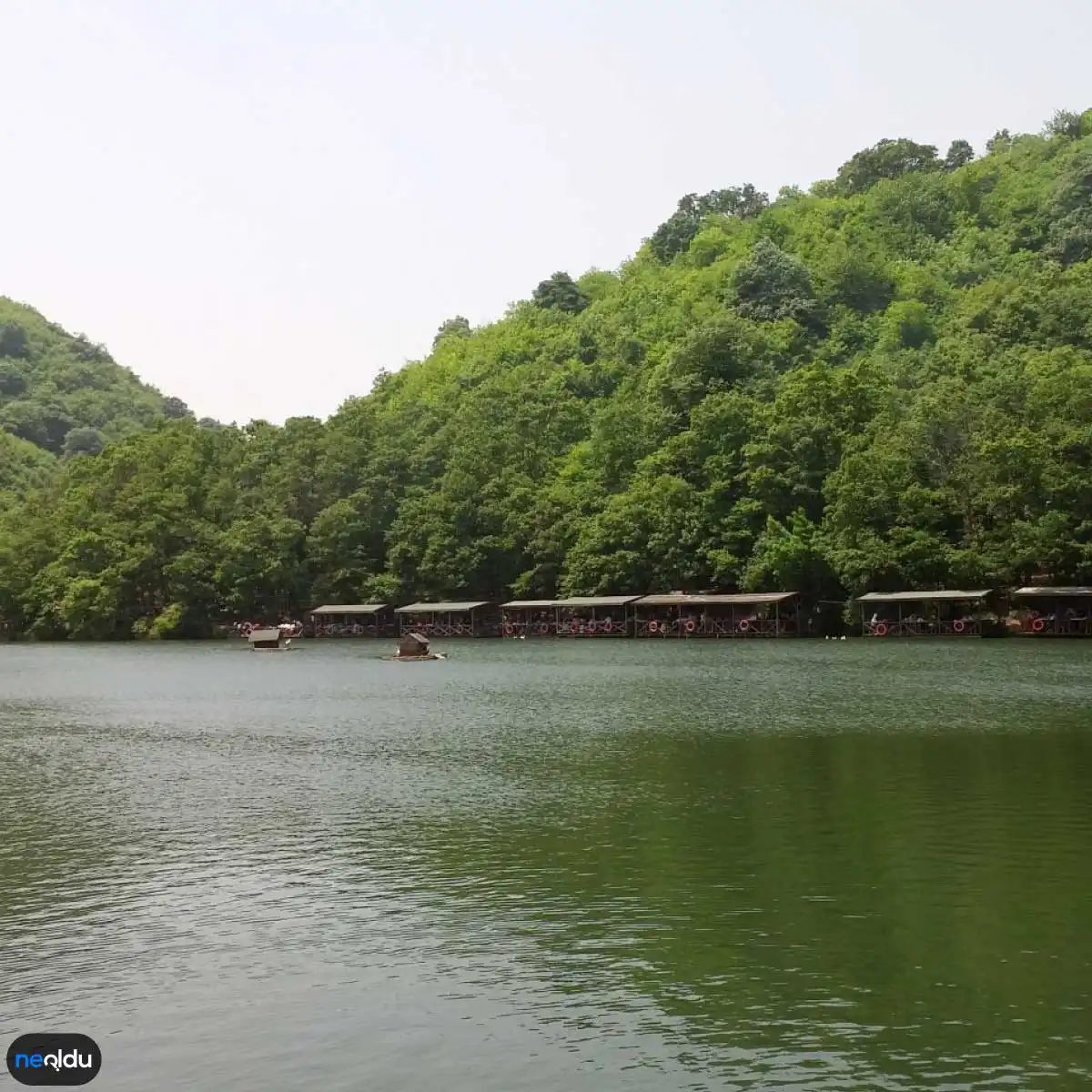
The drive from Umraniye to Şile is easy, but the experience varies greatly depending on the season. If you hit the road in the summer, you’ll find yourself on a 90-minute journey to where the real work begins: securing a spot on the beach, swimming and competing for the best picnic spot. It’s noisy. It’s very crowded. This is exactly what you want.
When the busy season is over, the atmosphere changes completely. The tourist traps close up. The noise fades. You can walk in the harbor without elbowing past strangers. You can watch the fishing boats dock and buy fresh catch straight from the nets and prepare it at home. Or you can sit.
There is also another route. Leave the main road and go to the center of Şile center. Turn to Saklıgöl instead. Although it was a detour, but a profitable one. Try Gözleme and Ayran, a salty yogurt drink that cuts through the heat and the grease. Then drive along Saklıgöl Road.
This lake is hidden deep in the forest. The atmosphere here is different. Even cooler. Heavier with pine.
You can choose when you arrive. Rent a grill and grill your own meat. Alternatively, you can find a restaurant near the water and ask them to cook you a meal. The scenery is the main attraction, but the logistics are also very convenient. There are accommodation options in Şile and its surroundings.
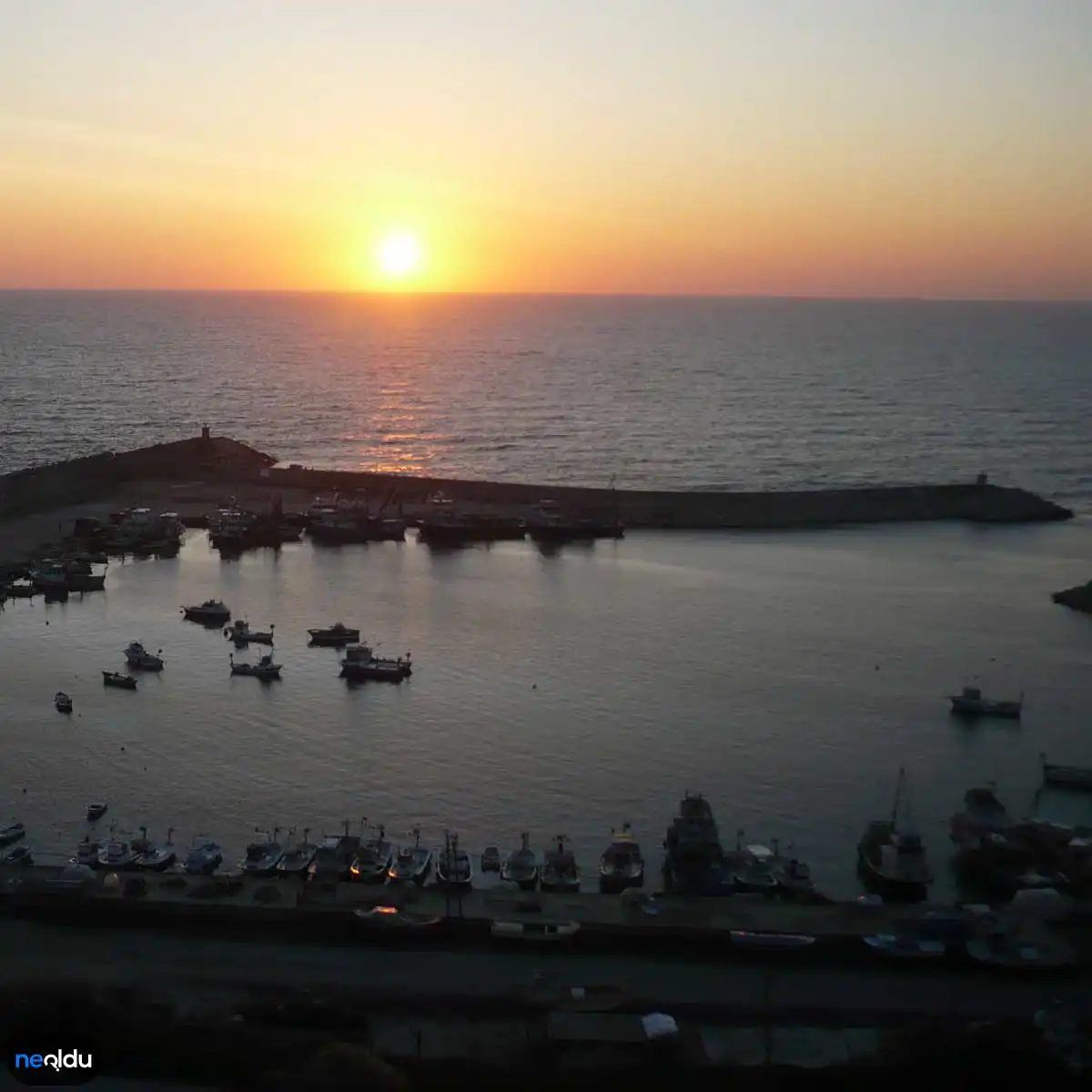
Karaburun Limanı
Şile offers a classic seaside mix, while Karaburun is the opposite. It is relatively quiet. Slower. The harbor here is not a tourist center. It’s a working port.
Tourists often miss this place because there are no neon signs like in bigger cities. But for those who want to see the Aegean without the crowds, this is a better option. The fish is fresher. Prices are lower. The atmosphere is genuine.
Why not take a walk on the pier at sunset? In the late afternoon, the light hits the water in a certain way. It’s worth the drive if you don’t want to miss the main sights for something more authentic.
The journey to Karaburun is longer than the journey to Şile. Please plan this. But the reward is silence. And fish.
16. Kulindağ Evi
You won’t find this in the busy city center. It is located on the Black Sea coast, especially in the Arnavutköy region. If you are looking for natural attractions on the European side of Istanbul, this area is for you. The area near the port of Karaburun is connected to Çekmece Lakes.
Consider that the fishing village has survived the worst traffic chaos, at least for now. The harbor itself is part of an endless sandy beach. The view? Stunning.
Hanımeli Restaurant is the highlight of this quiet corner. It is famous for a reason. The seafood is fresh, the beach environment is perfect and the reputation precedes it. However, most travel guides ignore the practical fact that timing is everything.
The road to Göktürk Kemerburgaz has been improved. In other words, driving a car becomes easier. It also means that more and more people will come. If you go on a Sunday, you’re competing against the whole city. Parking will be a nightmare. The tables will be full. Wait.
Go on a Saturday. There will be space. There is silence between the waves. You can actually taste the fish without having to shout to the crowd.
“The comfort of new roads is a double-edged sword. They bring comfort, but also congestion.”
Is it worth the detour? Absolutely. However, only if you respect the schedule. If you want to be Absolutely alone, pack a picnic. Or reserve a table early on Saturday. The natural beauty of the Karadeniz coast is real. Don’t let poor planning ruin the view.
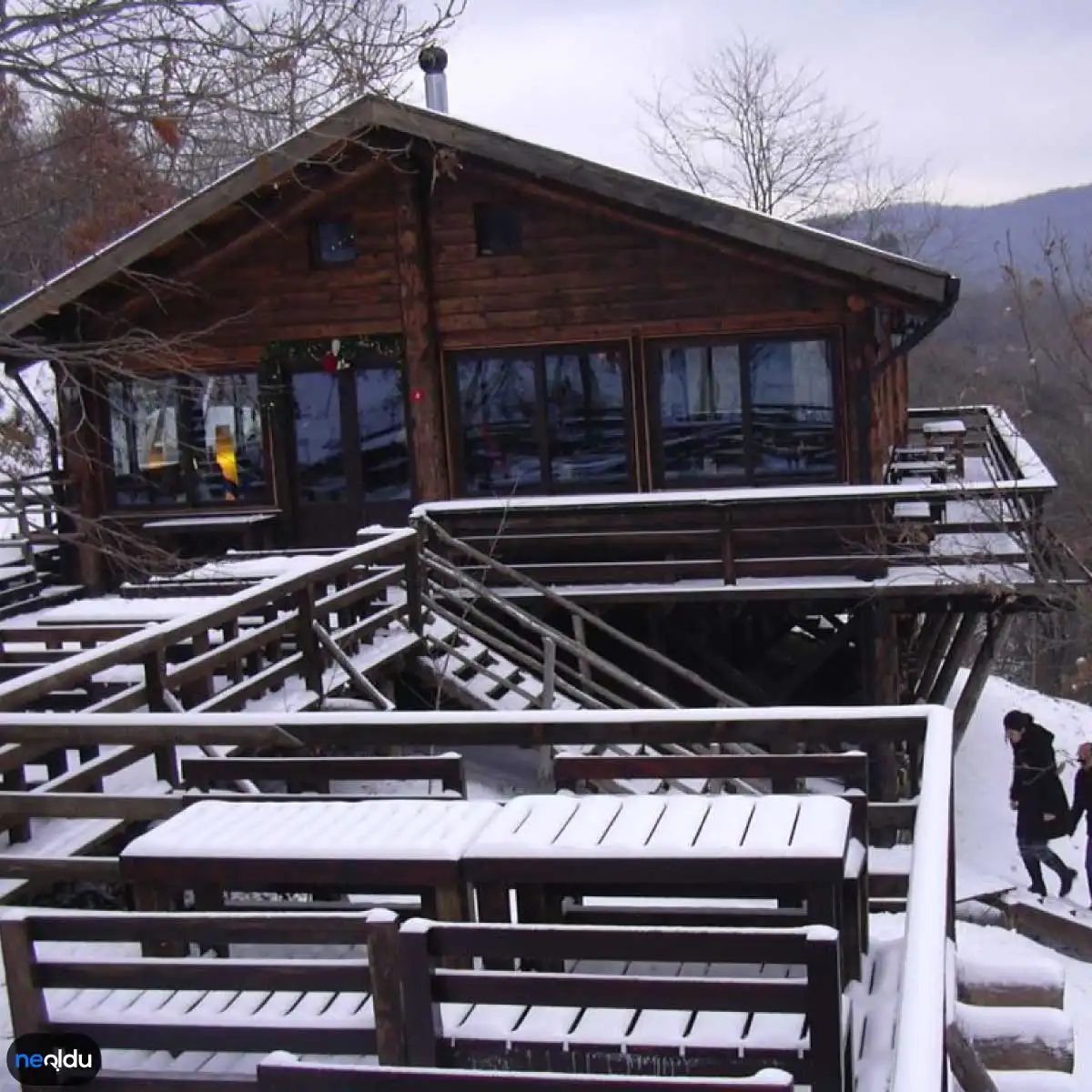
After passing the second bridge, take the Kavacık exit in the direction of Riva and look for the turn to Mahmut Şevket Paşa Village. This is the gateway to Kulindağ, a mountain lodge located on the edge of a wooded valley. There is something about this place that attracts you. It’s okay to come for one day. Enjoy breakfast or lunch at the on-site restaurant with stunning views. Or stay the night. The bungalows surrounding the main building are in a quiet location away from the city. At night, bonfires crackle and traditional Turkish songs play in the forest. An immersive nature experience that brings you surprisingly close to Istanbul.
17. Nezahat Gökyiğit Botanical Garden
If you need a break after enjoying the forest, head back to the city and head to Nezahat Gökyiğit Botanical Garden. On the Asian side, near the Kavacık area where we started earlier, this is more than just a park. A large protected area of 270 hectares, far from the hustle and bustle of traffic.
How to get there
If you’ve ever been to Kulindağ, chances are you’re close. The gardens are a short drive along the coast. If you are coming from the city center, take the E-5 highway and go straight to the Kavacık exit. There are easy-to-understand signs at the entrance. Parking is available but can be full on weekends. Arrive early if you want a seat near the gate.
What’s the difference
Most urban gardens have well-kept lawns and a few marked trees. The place is crowded. Covers hills, slopes and plateaus. Design that respects the natural topography. Walk around the different areas. There are special sections dedicated to plants native to Turkey, exotic plants from South America and even Mediterranean species. The variety is amazing. One moment you might pass a towering oak and the next a delicate orchid.
Why visit now
The garden is open every day. There is a small entrance fee, so it’s great for families or solo hikers. The best time to visit is early morning or late evening. The light shines through the canopy, making photography easier. Try to walk on shady paths as open areas can get very hot during the day.
Highlights
If the annex of the Museum of Turkish and Islamic Arts is open, be sure to visit it. The biggest attraction is the garden itself. Find the Rose Garden. When carefully tended, hundreds of varieties bloom at specific times of the year. If you visit in the spring, the cherry blossoms and magnolias create a pink mist on the trails. In autumn, the maple trees turn fiery red and are reflected in the small ponds around the property.
Logistics
Please bring water. The road is long. Some areas are paved, while others are covered in dirt or rocks. Wear comfortable shoes. There is a cafe on site, but prices can be high. You can also have a picnic in a certain area, allowing you to extend your stay without worrying about time. The gardens are also dog-friendly if you keep your pet on a leash.
This is a great place for a walk. To think. Used for birdwatching in dense bushes. You might be there for two hours. Or four. this
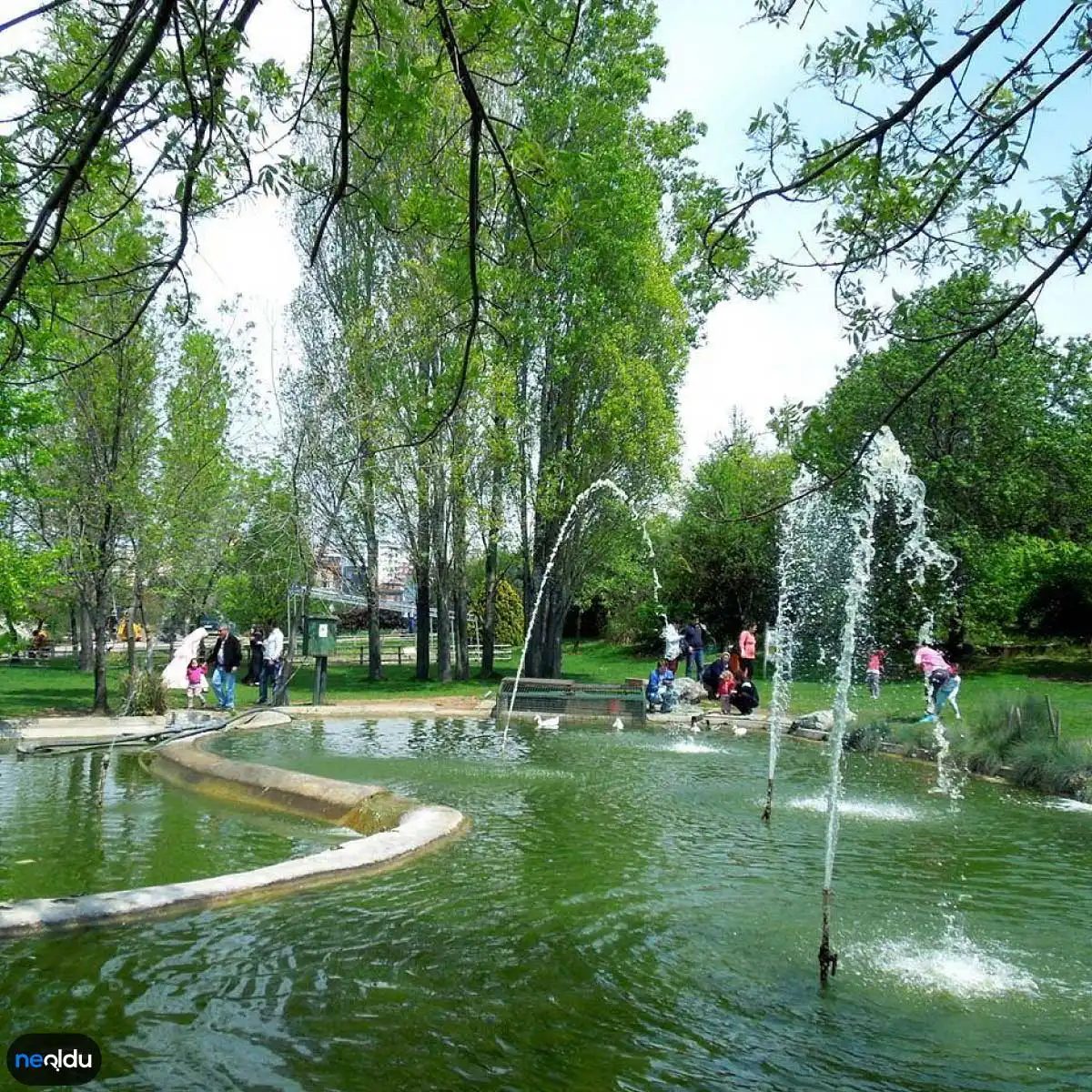
Green Escape Next to Nevzat Gökyiğit Tower
This sounds contradictory. Imagine standing close to a gigantic skyscraper in Atasehir, on the Asian side of Istanbul, and managing to avoid the rumble of the highway and the pungent smell of exhaust fumes. There is a protective garden there that does exactly this.
At first glance, it seems impossible to get here. You are looking at the main intersection of the Istanbul highway. How can such a large park exist in an area so dense with concrete and traffic jams?
But when you see it with your own eyes, you believe it.
This is the Nevzat Gökyiğit Botanical Garden. Named after the late Nevzat Gökyiğit by his wife, this place serves as a central haven for those tired of the relentless pace of the city. The location is strategic. Although located in one of the busiest areas, it offers a unique escape from the city fatigue associated with living or visiting Istanbul.
If you are looking for where to find nature near Ataşehir, this is the place for you. This is not a small pocket park. This is an important green area that offers peace despite being close to the city’s busiest roads.
Visitors will fall in love with it immediately. The contrast is impressive. You come to expect noise and gray. You will find trees, paths and peace. This is the place to reset.
It is important for travelers planning a trip to know how to access this green lung. It’s just above the horizon and can be seen from the tower, but once you enter the gates, you’re completely immersed. This shows that nature can still win in the most developed areas of Istanbul.
Just look for the garden behind the giant tower.