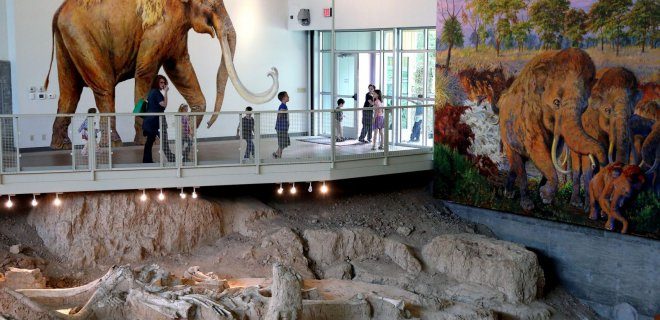
If you are planning a trip to Texas and want something that feels less like a museum visit and more like a forensic investigation, the Waco Mammoth National Monument is the destination. It is not just a collection of bones in glass cases. It is a frozen moment in time, preserved in mud, where 19 Columbian mammoths met their end roughly 68,000 years ago.
The site sits on a 2-hectare plot of land just outside downtown Waco. What makes this place unique is the specific tragedy that occurred there. Archaeological research indicates that a sudden flash flood swept through the area during the Pleistocene epoch. The water was swift and violent. It dragged the herd into a channel, where the heavy animals sank into the soft clay. They did not die of old age. They did not scatter. They stayed together.
How the Waco Mammoth Site Was Discovered
You might wonder how a site this significant remained unknown for so long. The truth is messy. The bones were actually found back in 1978. But for decades, they sat in storage or were studied in isolation. The land changed hands. Development plans shifted. It wasn’t until the early 2000s that serious excavation began. The work accelerated in 2015, leading to the site’s official designation as a National Monument. It opened to the public in 2009, but the real scientific breakthroughs came later.
This delay is rare in paleontology. Most sites are found and lost to development. Waco was saved because the location was recognized as a singular window into prehistory. The preservation is exceptional. You can see the teeth, the tusks, the rib cages, and even the stomach contents of the animals. It provides concrete evidence of their diet and health before the flood.
Why the Waco Mammoths Matter
The mammoths here lived between 10,000 and 1 million years ago, though the Waco group is much older. They were Columbian mammoths, the largest land mammals to ever walk North America. They roamed the fertile grasslands, eating vast amounts of vegetation. The fossils tell a story of a herd that included adults, sub-adults, and calves.
The presence of the calves is what sets Waco apart from other bone beds. Most fossil sites show scattered remains, suggesting a massacre or a slow death from drought. The Waco site shows a family unit. The calves were trapped with the adults. This suggests a strong social structure, similar to modern elephants. The animals tried to help each other. They died together.
Visiting the Monument Today
The Waco Mammoth National Monument has become one of Texas’s most visited tourist spots. Why? Because it is intimate. The museum is built directly over the excavation pit. You walk down stairs to see the bones in their natural matrix. The lighting is dramatic. The scale is overwhelming.
Practical details matter for travelers. The site is located in Waco, Texas, easily accessible from I-35. Admission fees apply, but the cost is reasonable for the experience. Plan for about two hours to see the museum and the excavation area. Bring comfortable shoes; the terrain is uneven.
The visitor center offers

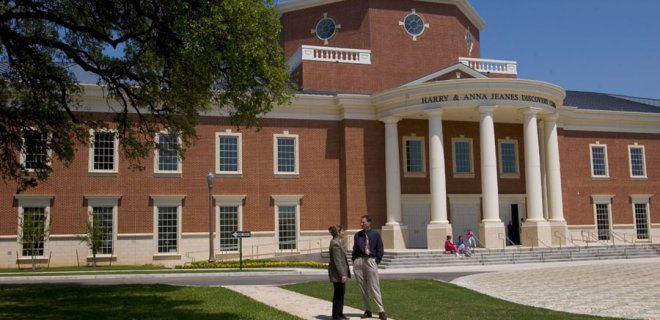
Digging into Deep Time at the Mayborn
If you are looking for a place that demands more than just a glance, the Mayborn Museum Complex at Baylor University is where you should start. It opened in May 2004, but it doesn’t feel like a static building. It feels like an invitation to get your hands dirty with history, in the safest, most educational way possible.
The space spans 13,000 square meters of dedicated exploration. That is a lot of floor space to fill, and they did it with a mix of geology, paleontology, archaeology, and natural history. The crown jewel here is the Waco Mammoth Site. You aren’t just looking at bones in a glass case; you are looking at a scene. The dioramas and discovery stations are set up to make you feel like you’ve stumbled onto an active dig.
Who is this for? The complex markets itself to everyone from seven-year-olds to seventy-year-olds. And it works. The themed exploration rooms break down complex science into bite-sized, engaging chunks. You won’t find stuffy academic jargon here. You will find curiosity.
Beyond the main exhibits, the campus sprawls out. There is a 13-acre historic village that gives you a sense of what life looked like in the region before modern sprawl. Then there are the exhibition galleries, a dedicated theater for screenings, and even a museum storage facility. It’s a full-day commitment if you want to slow down. For travelers trying to figure out what to see in Waco Texas, this complex usually tops the list because it offers context. You don’t just see Waco; you understand its geological and human roots.
Crossing the Brazos: The Waco Suspension Bridge
Leaving the academic halls behind, the next logical step is to head toward the river. The Waco Suspension Bridge is not just a crossing; it is a landmark that defines the city’s skyline and its relationship with the Brazos River.
This structure is one of the most photographed spots in the area. It connects the downtown district to the east side, offering a pedestrian view that cars simply can’t provide. Walking across it gives you a sense of the river’s scale, especially during high water. The bridge itself is a feat of engineering that dates back to the early 20th century, though it has undergone significant restoration over the decades to ensure it remains safe for foot traffic.
Why walk? Because the views are the main event. On a clear day, you can see the entire downtown arc. The steel cables and trusses create a geometric frame for the river below. It’s a short walk, maybe ten minutes across, but it’s the kind of pause that makes a trip feel grounded.
If you are planning your route, consider the timing. Morning light hits the water beautifully, casting long shadows across the deck. Late afternoon offers a warmer glow, perfect for photos before the sun dips behind the hills. It’s free to access, which is a rare treat in tourist-heavy cities. You can cross it on foot or bike. There are no tolls. Just the sound of the river and the hum of traffic below, far enough away to be noise, close enough to be energy.
It serves as a natural transition point. You’ve spent your morning with the deep past in the museum. Now
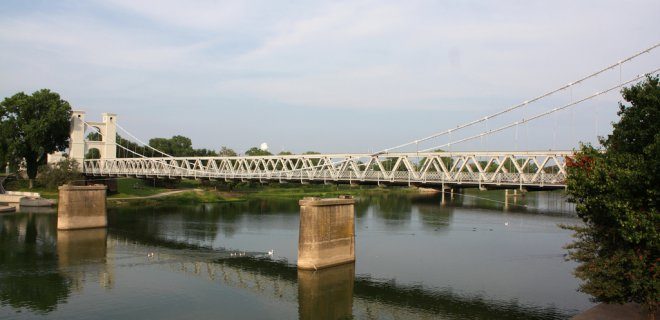
John A. Roebling’un imzası taşıyan bu devasa çelik yapı, 1868 ile 1869 yılları arasında Brazos Nehri’nin üzerinde yükseldi. Teksas’ın ilk büyük köprülerinden biri olarak kabul ediliyor. 3 milyon tuğla harçla birleştirilmiş bu mühendislik harikasının inşası, döneminin en zorlu işlerinden biriydi. Şehrin en belirgin simgesi olması sadece görsel değil. Tarihi ağırlığı da var.
Yerli ve yabancı gezginler için ideal bir durak. Özellikle 4 Temmuz Ulusal Bağımsızlık Günleri’nde köprüde düzenlenen havai fişek gösterileriyle dünyaca ünlü. Ama sadece o geceye mahsus değil. Gece vakti aydınlatılan silüeti, özellikle fotoğraf çekmek için harika bir sahne sunuyor. Waco seyahatinizde bu sembolü mutlaka görün. En azından bir kere, belki de gün batımında.
Waco Gölü’nde Doğa ile Barışmak
Şehrin hemen dışına çıkıp Waco Gölü’ne ulaşmak, urban kaosunu bir kenara bırakmak anlamına gelir. 1887’de Brazos Nehri üzerinde bir barajın inşasıyla oluştu. Bu göl, Teksas’ın en büyük rekreasyon alanlarından biri haline geldi. Yüzme, kayak, balık tutmak ya da sadece kıyı şeridinde yürüyüş yapmak için ideal.
Göl çevresindeki parklar, doğa yürüyüşü yapanlar için sessiz köşeler sunuyor. Özellikle sonbahar aylarında ağaçların renk değiştirmesi, manzaraya farklı bir boyut katıyor. Yaz aylarında ise sıcaklardan kaçmak için su sporları öne çıkıyor. Kiralık teknelere veya kano kiralama noktalarına erken ulaşmak, hafta sonları kalabalığı önlemek için akıllıca bir hamle.
Balık tutmak isteyenler için göl, bass ve catfish gibi türlerle dolup taşıyor. Yerel balıkçılık kılavuzları, en iyi noktaları bilen deneyimli kişilerle rehberlik hizmeti sunuyor. Bu, özellikle ilk kez ziyaret edenler için deneyimi zenginleştiriyor. Göldeki doğal yaşam, kuş gözlemcileri için de çekici. Yüzlerce kuş türü burada bulunuyor.
Waco Gölü, şehrin tarihine ve doğasına aynı anda tanıklık etmek isteyenler için mükemmel bir denge noktası. Hem aktif hem de pasif tatil seçenekleri sunuyor.
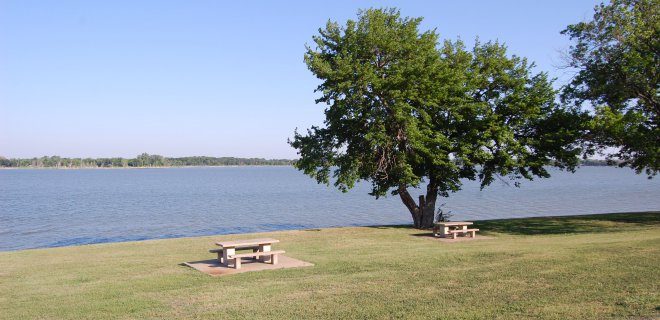
Waco’nun batı sınırında, McLennan ilçesinin kalbinde yer alan bu su kütlesi, sadece bir manzara güzelliği değil, aynı zamanda bir mühendislik harikasıdır. Waco ve Brazos Nehirleri’nin yaratabileceği sel felaketlerine karşı inşa edilen devasa bir tampon bölge görevi görür. 34 kilometrekarelik geniş yüzey alanına ve deniz seviyesinden 141 metre yüksekliğine sahip olan bu baraj gölü, Bosque Nehri ile su değişimini sürdürerek ekosistemi ayakta tutar.
Buraya geldiğinizde göreceğiniz şey, sadece sakin su yüzeyi değil, zengin bitki örtüsüyle kaplı kıyı şeritleridir. Yazın sıcaklığı düşüren serin bir hava arıyorsanız, Waco Gölü (Waco Lake) tam size göre. Yüzme, balık tutma veya sadece bir piknik sepetiyle doğada vakit geçirmek isteyenler için ideal bir duraktır. Şehri ziyaret listenize eklemeniz gereken en önemli açık hava aktivitelerinden biri burada geçer.
Cameron Hayvanat Bahçesi’nde Heyvanlarla Karşılaşma
Waco Gölü’nün tadını çıkarıp biraz daha aktivite arıyorsanız, şehrin en popüler turistik noktası olan Cameron Hayvanat Bahçesi’ne kısa bir yolculuk yapmalısınız. Bu aileye açık park, sadece hayvanları izlemekle kalmaz, aynı zamanda çocukların doğayla kurduğu bağları güçlendiren deneyimler sunar.
Burada dikkat çeken en önemli özellik, hayvanların doğal ortamlarına benzer alanlarda serbestçe gezinmesidir. Zürafalar, filler, aslanlar ve daha pek çok tür, ziyaretçilerle yakın mesafede karşılanır. Özellikle çocuklu aileler için bu tür bir etkileşim, kitaplardan öğrendiklerini somut bir şekilde görme fırsatı sunar.
Waco’ya geldiğinizde Cameron Hayvanat Bahçesi’ni ertelemeden ziyaret etmelisiniz. Giriş ücretleri, aile bütçelerine uygun şekilde tasarlanmıştır ve genellikle park içindeki diğer aktiviteleri de kapsar. Hafta içi günlerde daha az kalabalık olması, hayvanları daha rahat izlemenizi sağlar. Ayrıca, bahar ve sonbahar ayları, iklimin ılıman olması nedeniyle ziyaret için en ideal zaman dilimleridir.
Logistikk ve Planlama
Cameron Hayvanat Bahçesi’ne gitmek için Waco Gölü’nden kalkan özel servisler veya kişisel araçlarla ulaşım oldukça kolaydır. Şehir merkezine yakınlığı, burayı hem doğa severler hem de hayvan meraklıları için tek bir rotada birleştiren stratejik bir noktadır.
Parkta zaman geçirdikten sonra, yakındaki restoranlarda yerel mutfak tatlarını denemek de unutulmamalıdır. Waco’nun BBQ kültürüyle bilinmesi, buradaki
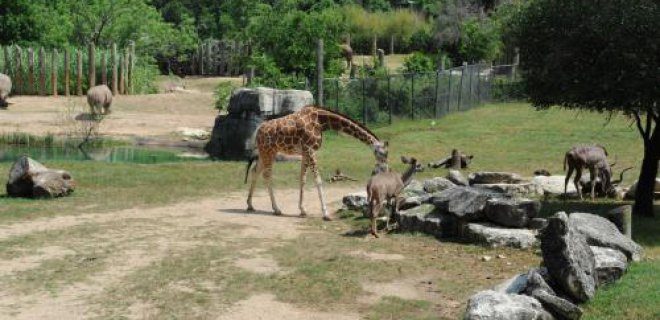
Cameron Hayvanat Bahçesi: Waco’daki Hayvan Cenneti
1955 yılında kapılarını aralayan bu yer, o yıllarda Teksas Merkez Zooloji Parkı olarak biliniyordu. Bugün ise Cameron Hayvanat Bahçesi olarak biliniyor ve adını Teksas’ın ilk valisi James Webb Cameron’dan alıyor. Şehrin en popüler turistik noktalarından biri olması tesadüf değil.
Her yaştan ziyaretçiyi çeken bu park, 21 hektarlık bir alana yayılmış durumda. Burada 300 farklı türden, 1.700’den fazla hayvan bulunuyor. Sadece sayılara bakmayın. Bu bir akreditasyon meselesi. Park, Hayvanat Bahçesi Derneği tarafından akredite edilmiş durumda. Ayrıca Dünya Hayvanat Bahçesi ve Akvaryum Birliği’nin (AZA) bir üyesi. Bu demek oluyor ki hayvanların bakımı ve refahı konusunda standartlara uyuluyor.
Ziyaret planlarken bilmek isteyebileceğiniz bazı detaylar var. Waco’daki en önemli duraklardan biri olan Cameron Hayvanat Bahçesi, hem yerliler hem de turistler için vazgeçilmez bir durak. Hayvanları yakından görmek, onları sadece bir ekran arkasında izlemekten çok daha farklı bir deneyim. Özellikle ailelerle seyahat edenler için çocuklar ve yetişkinler için eğlenceli ve eğitici bir ortam sunuyor.
Armstrong Browning Kütüphanesi
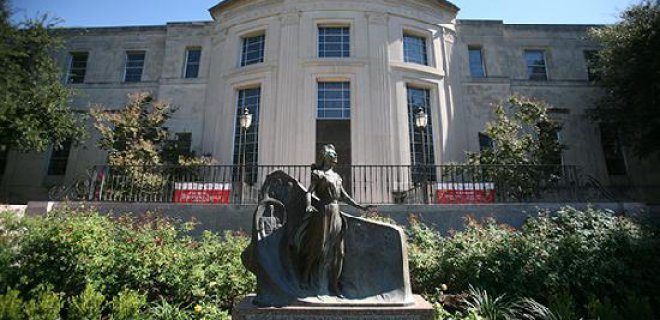
The library at Baylor University’s campus is more than just a study spot for students. It holds one of the world’s most significant collections of works by the English poet Robert Browning and his wife, Elizabeth Barrett Browning. If you love literature, this place is a pilgrimage site. The library has been open for nearly a century, serving as a historic landmark in Waco, Texas.
Most of the original collections were gathered and presented by Dr. AJ Armstrong. That effort made the library a key part of Waco’s history. Today, it draws poetry lovers and Browning fans from everywhere. You should go see the original manuscripts. Walking through those halls feels like stepping back in time. The collection is deep. It covers the Victorian era, the Romantic period, and the personal lives of two major poets.
Why visit the Browning Collections?
You might ask why this matters now. The answer is simple. You get to see history in your hands. Not a photocopy. Not a screen. The actual paper. The ink. The handwriting. Robert Browning wrote some of the most complex poems in the English language. Elizabeth Barrett Browning was a voice of her time. Her work challenged norms. Seeing their drafts shows how they thought. It shows their struggles. It shows their genius.
The library is not huge. It is intimate. That is its strength. You can get close to the artifacts. Staff members often help visitors navigate the archives. They can point out specific details you might miss. Like a marginal note. Or a change in wording. These small things tell big stories.
What to expect when you go
Plan your visit during the week. Weekends are busy with campus activity. Weekdays are quieter. You can sit and read for hours. The atmosphere is calm. The light is good. There are reading rooms where you can request items. You need to know what you want before you go. Look at their online catalog if possible. That saves time.
The collections are not just limited to the Brownings. They include related materials from the 19th century. Other poets. Other writers. But the Browning focus is the main draw. This is where Robert and Elizabeth’s legacy lives on. Dr. Armstrong’s role was key. He recognized their worth when others might not have. He built the foundation.
Who is this for?
Literature students. Researchers. Casual readers. If you ever wondered how a poem is born, come here. Watch the process on paper. It is humbling. It is inspiring. It makes you want to write. The library is a quiet place in a noisy world. It respects the written word. It honors the effort behind every line.
If you are in Waco, make time for this. It takes an hour. Two if you are thorough. Do not rush. Sit down. Breathe. Look at the originals. Feel the weight of history. That is what this trip is about. Not just seeing. Understanding. Connecting. The Brownings wrote about love. About art. About life. Now you can touch their world. For a moment. Just a moment.