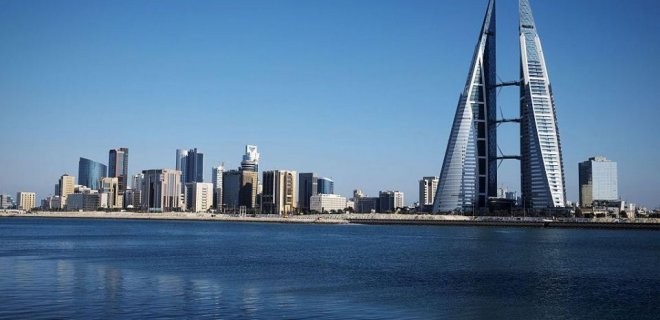
Bahrain sits alone on a small island in the Persian Gulf. This is a compact country. The name itself is a clue. “Bahrain” means “two seas” in Arabic. It refers to the unique geography of the place. Fresh water meets salt water here. The capital is Manama. The total area is slightly more than 765 square kilometers.
Although the area is small, the population is large. About 1.4 million people live there. The country consists of three main islands. It is one of the fastest growing economies in the Arabian Peninsula. Neighboring countries are Saudi Arabia and Qatar. You can reach the country easily. The country does not require visas for many travelers. The international phone number is +973. The currency is the Bahraini dinar.
Why visit Bahrain now?
You might wonder why this island is important. This is more than just a stopover. Bahrain has a long history. It has been a center of trade for thousands of years. Its ruins are still clearly visible. The culture is welcoming. People are known for their hospitality. This makes it an excellent destination in the Middle East.
The island is small enough to explore. It is large enough to have different areas. You can see modern skyscrapers. You will also find ancient forts. This mix is amazing. Here, old traditions meet new ambitions. That is why it is also a famous tourist destination.
Manama: the heart of the island
The capital is Manama. This is the biggest city. In 2015, the population was around 155,000. The city attracts tourists every year. Why? The architecture is beautiful. Buildings tell stories. The people are warm.
Start your journey here. This city is the gateway to the rest of the island. You’ll find markets. You’ll find malls. You’ll find history.
Attractions in Bahrain
There is a lot of ground to cover. The list of things to do is long. You’ll want to see museums. The National Museum is a place worth seeing. It holds artifacts from the Dilmun civilization. The age of these objects is impressive. Their history goes back thousands of years.
Historical sites can be seen everywhere. Forts dot the landscape. Qal’at al-Bahrain is one of them. It’s a UNESCO World Heritage site. The ruins are scattered. They show layers of history. Persian, Arab and Portuguese influences are evident.
Tourist destinations are concentrated in the capital. But there are surprises in the suburbs. The desert offers a different view. The coast offers something different.
Where to stay and eat
There are different hotels, from luxury hotels to budget hotels. Manama has the most options. You can find rooms at a reasonable price. Overall, the quality is high. The service is very attentive.
The food is the highlight. Try the local food. Machbous is a staple. This is seasoned rice with meat. The seafood is very fresh. The Gulf offers great fish. Street food is cheap. It is very delicious.
How to move
Transportation is convenient. Taxis are available. It is reasonably priced. Ride-hailing apps work well. A rental car is also an option. Please drive on the right side of the road. Road conditions are very good. The island is small. you
Bahrain National Museum: Crossroads of 5,000 Years of History
If you miss the Bahrain National Museum in Manama, you’re missing the center of the country. This is not just a stopover. It’s an anchor.
Opened in 1988, this sprawling complex is located along King Faisal Highway. This is no accident. To understand what Bahrain has to offer, you have to go there. The sheer scale of the artifacts will shock you even before you see it. We’re talking 27,800 square meters of carefully selected history. It’s amazing.
Why is this important to your travel plan? Because Bahrain is often reduced to glass skyscrapers and luxury shopping malls. This museum takes it away. It reveals deep prehistoric roots beneath the modern horizon.
What you really see
Collections are not static. It moves through time with brutal clarity. From the Dilmun civilization, it passes through Greek, Persian, Islamic and modern influences.
- 5,000 years of artifacts : This is not a highlight. This is a comprehensive archive.
- Babylonian basalt statues : Heavy, majestic and older than the Pyramids of Giza.
- Historical Qur’an Manuscripts : Beautiful calligraphy tells about the faith of the region.
- Astronomical Instruments : There is evidence that the ancient Babylonians created star charts while we were searching for fire.
There are nine major galleries. They are not small rooms. They are huge halls designed to make you feel small. The lighting is dramatic. With this layout you follow the path of history.
How to visit
Location is key. The museum is located in the capital, Manama. Specifically, on King Faisal Highway. This is the main street of the city. If you’re staying in the city center, it’s only a short drive away. It’s close if you’re leaving from the airport, but rush hour traffic can be a nightmare.
Reserve at least 2 hours. If you’re into details, maybe three. The items are well labeled, but the sheer volume is overwhelming. Don’t rush.
Is it worth your time?
Yes. Absolutely.
Many travelers consider Bahrain as a stopover or golf trip. They miss the point. The Bahrain National Museum is the only place where you can see the full arc of this island’s identity. Here you will find stories from ancient pearl divers to modern oil tycoons.
Entrance fees are reasonable. The value of experience is high. You get background information that most travel guides can’t provide.
Without it, Bahrain is just a warm place with delicious food. With it, Bahrain becomes a window into the ancient world.
go. Look at basalt. Read the manuscripts. Stand in the galleries.
Then go eat. The rest of the city is waiting.
A journey through the layers of history at Bahrain Fort
People often just call it “the castle”. Before that it was a Portuguese fortress. Now this is Qal’at al-Bahrain. If you’re looking for the deepest roots in the area, start digging here.
Archaeologists have shown that there is something crazy here. This is more than just a fortress. This is a settlement that dates back to 2300 BC. This is the culmination of 4000 years of human activity. What structure is there now? This dates back to 6th century AD. You travel through empires, trade routes, and layers of everyday life that you don’t encounter in most places.
This place is located in Karbabad area and has a huge area. We are talking 180,000 m2. This is quite a large space for ruins. It is now a research object among international researchers. Archaeologists from all over the world can be seen here uncovering tools and sifting through the earth.
In 2005** UNESCO placed it on the World Heritage List. This stamp of approval was a game changer. It is no longer just a tourist destination. This is a global preservation site.
Why this site is important for your trip
Most travelers skip this. They go straight to shopping malls and modern skyscrapers. This is wrong. Qal’at al-Bahrain offers something you can’t get anywhere else: context.
Standing in the middle of the ruins, you can see how strategic this place is. This is not random. This is the center. Houses, churches and temples have been found in excavations. You can see the transition from pagan rituals to Christian and Islamic influences. This is a physical timeline.
Visit logistics:
- Time: Let’s go early. The sun shines harshly on the exposed ruins. In the morning the weather was good and there were not many people.
- Admission: Check online for current prices. The content varies, but is usually reasonably priced compared to other Gulf tourist traps.
- Note: Don’t just look at the walls. Look for different architectural styles. The Portuguese variants differed from earlier Islamic structures.
Practical website tips
The place is open air. Please bring water. limited shade.
Wear good walking shoes. The ground is uneven. This is not a fancy museum with paved roads everywhere. Roughness is part of the experience. You are literally walking through history.
If you are planning a trip to Manama, add this to your list. It is a short drive from the city center. Combine this with a visit to the National Museum and see some of the artefacts found on site. The story is better told when you understand the context of the ruins behind it.
The site doesn’t try to hide its age. The stone is worn away. You can see the sky through the hole in the wall. It’s raw.
Although the area is often criticized for its lack of historical depth, Qal’at al-Bahrain proves otherwise. It is very old. It’s really old. It’s right in the capital. You can see it only by going through the gate.
Where Manama’s history meets modern business
It is located in the heart of old Manama, near the area locals call Customs Square. The building itself dates from 1949, when the city was still a commercial center. It has not always been as glamorous a tourist destination as it is today. In 1986, the building underwent a major renovation, transitioning to the Islamic architectural style that defines much of the Gulf region’s aesthetic.
This is the Bab Al Bahrain which is the gateway to the souks. It’s more than just a portal. It serves as a market and you can still feel the vibrancy of the old town.
Visit Bab Al Bahrain Souq
The entrance forms a lively network of shops and offices. As soon as you pass through the arch, a wide range of services will appear. There are banks everywhere so you can exchange money before you go too deep into the maze. This is very practical. Smaller suppliers require local currency, so setting up a bank at the beginning saves trouble later.
But the real draw here is retail. Archways lead directly to a maze of facades. Here you can find everything from luxurious souvenirs to traditional handicrafts. This is one of Bahrain’s most famous shopping areas, attracting locals and tourists alike.
What makes it worth visiting?
Many tourists ignore Manama’s old town in favor of Seef’s modern malls and luxury brands. If you want to understand the rhythm of this country, That is a mistake.
Bab Al Bahrain offers a glimpse into the daily life of the capital. The architectural style is unique. A renovation in 1986 gave it the clean lines and geometric patterns typical of Islamic design, but the energy inside is much older. It feels lived-in.
Here’s what you need to know before you go:
- Timing is important: Go early in the morning or late in the afternoon. The heat of the day can make shopping uncomfortable, and some stalls close during the hottest times.
- Expect haggling: Prices are not always fixed in the souk section. You may have to haggle for things like textiles, spices, and jewelry. Be polite. it’s part of the culture.
- Logistics: Located in the city center. You can walk here from most hotels in the capital. If you arrive by car, it is best to use public transport or take a short taxi ride, as parking around the market may be limited.
What sets it apart from the tourist attractions in Bahrain?
Unlike independent museums or coastal resorts, this place is integrated into the infrastructure of the city. It is a trading place as well as an interesting place. You can do your banking, have a quick meal at the cafe near the entrance or get lost in the shops.
The diversity of products reflects Bahrain’s history as a trading center. Spices from the south, pearls from the Persian Gulf and textiles from all over the Middle East often gather here. This is not a staged experience for tourists. It is where Manama shops.
If you are looking for a quiet, well planned museum visit, this is not the place for you. But if you want to see how people live and do business in the capital, this is the place. Of course, the arch itself is also a photo spot. But the value
The size of the Al Fateh Grand Mosque
There is more to the Al Fateh Grand Mosque than admission. You get swallowed by it.
Also known as Al Fateh Islamic Center, it is more than just a modest house of worship. It is a huge building with an area of 6,500 square meters. Built in 1987 under the vision of the late Sheikh Issa bin Salman Al Khalifa, it is one of the largest mosques in the world.
These figures are hard to process unless you are standing on the carpet. The prayer hall alone can hold 7,000 people. However, this building tells a different story about grandeur. The length of the main building is 100 meters. It is 75 meters wide. The central dome is 24 meters high and rises above Manama. The building is flanked by two minarets, making it an unmistakable landmark of the capital.
“It is considered one of the most important places of worship in Islamic architecture in the country.”
Why visit Al Fateh Ulu Camii?
Most tourists drive through Manama and head to the gold souks and the Corniche. They miss the spiritual heart. Al Fateh Ulu Camii (The Great Mosque) demands your attention. It’s not just about faith. It’s about engineering and art.
This is one of the few mosques in Bahrain that is open to non-Muslims. The rules are simple. Guided tours must be booked in advance. No walk-ins. This practice protects the sanctity of the space and ensures that intricate details are get an explanation. Without guidance, you’re just looking at tiles. With one, you are seeing history.
Logistics and timing
Getting there is easy. Located just outside the center of Manama. There are many taxis. Parking is available if you rent a car, but the main prayer hall can be full during daily services.
When is the best time to visit? If you want to wander freely, avoid the five daily prayer times. Tours usually run throughout the day, but it’s wise to check the schedule. The light inside is soft. Diffused. Hand-woven carpets create a acoustic quiet.
What to look for
Don’t just look at the floor. look up
The inside of the dome has an impressive geometric pattern. Calligraphy is more than just decoration. This is a visual meditation. These two minarets are not only tall; It frames the horizon on purpose, its symmetry almost aggressive.
Is it overwhelming? Yes.
The vast spaces make you feel small. That’s the point. Muslim or not, this building commands respect. It doesn’t require it. It just takes.
Outside the prayer hall
The complex has a library and a museum. These areas are home to rare Islamic manuscripts and artefacts. If you have a few extra hours, spend them there. Museums provide a context that cannot be provided inside a mosque. It combines spirituality and history.
The Verdict
Al Fateh Grand Mosque is not a quick photo op. It’s an immersion.
This requires planning. Book a tour. Follow the dress code. Moving quietly.
But the reward is a change of perspective. In a city characterized by rapid modernization, this structure anchors everything. A reminder of why Manama
Bait al-Quran: where ancient texts meet modern architecture
If you’re wandering through the Hoora district of Manama and you will quickly find the Bait Al Quran (House of the Quran). The building itself is a work of art, sleek and white and shaped according to traditional Islamic geometric patterns. However, it’s not just about looking pretty. Home to the world’s most prestigious collection of Islamic art and manuscripts, it attracts scholars and tourists who want to avoid typical tourist traps.
Inside, the air is cool and quiet. It’s not just reading a book. you are reading the book You walk through history. The complex contains more than 50,000 handwritten manuscripts and books. We are talking about pages that are hundreds of years old, some of which date back to the early days of Islam. The collection includes rare Qur’ans in various scripts, historical artifacts and items donated by people from different walks of life. It is a testament to global giving that it is funded primarily by public donations and not just government spending.
For travelers, timing is important. Avoid the heat of midday. If you go in the late afternoon, the white stone glow when the light hits the outside. Entry is generally affordable, making it a worthwhile destination on your itinerary. You can easily spend two hours here if you take the time to read the descriptions. Museums don’t just present things. That explains them. Detailed labels in English and Arabic helps if you aren’t familiar with Islamic calligraphy.
The location is strategic. Hoora is a central area and easily accessible by taxi or ride-share from the airport and the souqs. It is also close to other cultural sites, so you can combine your visit with the National Museum or a walk along the corniche. Don’t rush through it. The silence here is also part of the experience.
Bait Al-Quran is more than just a museum. It is a cultural pillar of Bahrain that demonstrates the depth of its Islamic heritage through an accessible, contemporary lens.
Visitors often comment on the size of the collection. It’s overwhelming in the best way. The Quran is written in gold leaf, and some are written in simple ink on parchment. Some are small enough to fit in the palm of your hand. others are massive tomes. The diversity of styles and eras is amazing. It’s rare to find such a cohesive story in one place.
Logistically, plan for a guided tour if you want to dig deeper. The staff is very knowledgeable and happy to explain the significance of specific manuscripts. If the schedule is tight, the main hall is enough to get the gist, but the lower floors offer a more immersive history of text preservation in the Islamic world.
Bahrain may be known for its oil wealth and beaches, but places like this show the other side of the coin. It’s intellectual. It’s spiritual. It’s worth the detour.
Arad Fort: 15th century fort in Bahrain
Arad fortress is not hidden in a dusty museum. It stands on the seafront of Arad City and overlooks the Persian Gulf, carrying the weight of five centuries on its shoulders. Built in the 15th century, this building is more than just a pile of stones. This is a defensive fortress that shifted hands, stories, and strategies over time.
If you’re looking for a tangible piece of history, this is it. The fort became a strategic point during the Portuguese invasion of Bahrain in 1622. They used it as a defense against hostile forces. The building reflects the typical Islamic fortress style of the time, with thick walls, narrow windows for archers and a layout designed to dominate the surrounding harbor.
How It Was Built (And Why It Still Exists)
The original building materials testify to the richness of the local natural resources. Builders do not import marble or exotic stones. They used what they had on hand. Arad Castle is made of coral blocks, limestone, sand and palm trunks. Palms were likely used as structural and roofing elements, while coral and limestone were used for heavy, weather-resistant outer shell.
Later, it was renovated with stone material to strengthen the structure. This mixture of organic and mineral materials allowed the fort to withstand centuries of salty air and humidity. This is an example of vernacular architecture, where buildings are built with the land and not against it.
“This fort is one of the most important historical buildings in the area and is definitely worth a visit.”
Visit the fortress
Access to the Arad fortress is easy. It is located in the Arad region south of Manama. You can walk around the perimeter easily. The interior is completely open and you can explore the main courtyard, the watchtowers and the lower floors, which were originally warehouses and barracks.
Here’s what to remember:
- Time: Go in the morning or late afternoon. The midday sun reflects off the coral rocks and the heat builds up quickly.
- Price: Admission is usually free or very cheap, making it a convenient stop on your Bahrain itinerary.
- Note: The walls facing the sea show signs of erosion and repair over time. Look for a layered structure. The bottom is coral and the top is limestone.
- Photo: The light is best in the late afternoon when the west facade is illuminated. You get a clear shadow that highlights the texture of the coral block.
Why today matters
Arad Fort is not a pristine, restored theme park. It’s weathered. This is part of its value. Traces of history can be seen in the cracked plaster and worn stone steps. It is more than just a military base. For the people who dominate the coast, it is the center of everyday life.
For tourists, it offers a peaceful contrast to the skyscrapers of Manama. This is a place to stand and contemplate the trade routes, the invasion and the daily life of the people who lived here 500 years ago. You walk in the door. The wind picks up. The sea is there. You realize how small the present moment is compared to the rock under your feet.
Why Khamis Mosque is the oldest mosque in Bahrain
Khamis Mosque is more than just a destination on your Manama itinerary. This is the oldest mosque in Bahrain, built when the Umayyad Caliph Umar II came to power. If you are looking for the true origins of Islamic architecture in this small island nation, this is it. The complex is located in the Khamis district of the capital, next to Sheikh Salman Boulevard. You will spot it easily. The silhouette of the two towers rising above the street has become synonymous with the city’s skyline.
The original structure dates back to 692 AD. It was at the end of the 7th century. Now the walls look more like ruins than rooms. These are not active places of public worship, but rather faded reminders of their time. However, its current appearance is due to extensive renovations in the 14th and 15th centuries. The twin minarets themselves are what survive from those later rebuilds, standing tall and intact while the rest of the building crumbled into history.
Why visit half ruins? This is because the atmosphere is different from the stylish and modern mosques in the new areas. It feels very raw. It feels very old. Hundreds of thousands of visitors visit this site every year. Locals come here to learn about history. Tourists come for the photo. The contrast between the crumbling bricks and the towering minarets is stunning.
The logistics are simple. It is located on Sheikh Salman Boulevard and is easily accessible. No complicated transfers. There are no hidden entrances. Khamis area can be reached by car or taxi. Admission is usually free, but maintenance donations are often accepted.
Timing is important. If you visit during the day, you can clearly see the texture of the stone. Summer is very hot, so early morning or late evening is a wise choice. When the light hits the Petronas Towers, the atmosphere changes completely. One moment it was a pure white rock, and the next moment it turned into a pure white rock. Next, the gold stands out against the bright blue sky.
Is it worth the detour from shopping malls and skyscrapers? Yes. It grounds the trip. You are standing where the first prayers were called in Bahrain. The minaret listens to centuries of history. They just stood there.
Riffa Kalesi: Bahreyn’in Gizli Taş Kalbi
Riffa Kalesi, sadece bir duvarlar topluluğu değil. Bahreyn’in kalbinde atan bir tarih kaydı.
1812’de, Şeyh Salman bin Ahmed Al Halife döneminde inşa edildi. Amaç açıktı: savunma. Düşmanlara karşı bir kalkan. Ama zamanla işlev değişti. 19. yüzyılda konuta dönüştürüldü. Sonra, 1869’da, hükümetin resmi ikametgahı haline geldi. Bu, sadece taşların değil, siyasi ağırlığın da arttığı bir dönemdi.
Stratejik önemi burada zirveye ulaştı. Peki, neden bu kadar özel?
Cevap, taşların arasında saklı. Riffa Kalesi, Şeyh İsa bin Ali Al Khalifa’nın doğduğu yerdir. 1869 ve 1932 yılları arasında ülkeyi yöneten bu liderin kökeni, buraya dayanır. Taşların her biri, bir hükümdarın nefesini tutuyor gibi.
1993 yılında restore edildi. Eskiden olduğu gibi, ama daha sağlam. Artık ülkenin en değerli yapılarından biri. Sadece bir turistik nokta değil. Bir yaşam formu.
Ziyaret İçin İpuçları:
- Ne zaman gitmeli? Sıcak aylarda serin saatleri seçin. Sabah erken veya akşamüstü.
- Nereden ulaşılır? Riffa bölgesinde. Taksiyle kolayca ulaşılabilir.
- Ne görülmeli? Kale içi mimari, tarihi odalar, ve çevresindeki manzara.
- Süreç: 1-2 saat yeterli. Detaylı inceleme için daha fazla zaman ayırın.
Bu kale, sadece geçmişi anlatmıyor. Geleceğe de bir mesaj veriyor. Taşların arasında saklı hikayeler, sizi bekliyor.
The stone ruins of Barbar Temple
Most of the travelers pass here. They go straight to Manama’s modern skyline or souqs. But if you’re really interested in what it was like here before oil changed everything, you need to look north. Located on the outskirts of the capital, the village of Barbar is full of history. Especially the ruins of the Barbar Temple.
This is not a pillar. This is a complex. There are three main buildings here, built from local limestone blocks. It’s hard to wrap your head around these days. 3000 BC This puts it firmly in the Dilmun culture era. These people traded with Mesopotamia long before Greece and Rome defined the region. You are walking on land that has been considered sacred for 5,000 years.
The modern rediscovery took place in 1954. A Danish archaeological team excavated this area. They found ruins. But they also found what had swallowed up in the temple over the centuries.
What survived the centuries
The temple itself is now mostly in ruins. If you’re expecting a fully intact Greek-style stadium, you might be disappointed. Reality is still fragmented. However, the artifacts found inside are in pristine condition.
You never see them standing in a field. These are located in the Bahrain National Museum in Manama. This is the place to go for gold. The silver. The weapons. The intricate ceramics. The museum does a great job of putting these finds into context. It explains why these artifacts were buried. They are not lost. They are offerings.
The place itself is marked with massive stones. Look for circular structures. They are distinct. The layout suggests a ritual center. Dilmun people believe in purity. A nearby water management systems supports this. You can see that the stone carvings are ingenuity. It’s very simple. It’s effective.
Planning your visit
Getting there is easy. It is only a short drive from Manama. You don’t need a guide to find it. The signposts are clear. Barbar Village is the key. This site is open to the public. There is not much infrastructure. Please bring water. The sun is relentless.
Timing is important. Go early. In the morning, the light hits the limestone blocks differently. It’s cooler. You can sit on the stones and think how people 5000 years ago did the same thing. It is a quiet place. There are not many buses stop here.
UNESCO has added it to its tentative World Heritage List. It means that it is considered important. But it’s not crowded. There is space. You have silence.
Why do so many people miss it? Because it’s not flashy. This is not a mall. It’s dirt and stone. But that’s the point. The Dilmun civilization left us skyscrapers. They left us these rocks. And the gold hidden in the earth.
The artifacts in the museum is a real treasure. The temple ruins are the anchor. You need both. One gives you context. The second gives us scale.
Overall picture
Bahrain is small. You can see a lot in one day. But don’t rush past Babar. It lays the foundation. Everything else about this country: trade routes;
Why Atiram Premier is worth a visit
Want to stay in Juffair? This is a wise move. It gives you a sense of things without thinking about tourist trap pricing. Atiram Premier is a place where work is done perfectly.
The rooms face the city. You get views. With free WiFi available, it’s non-negotiable. The rooms have air conditioning. Bahrain is hot.
There is a swimming pool. It’s indoors. This is important when the sun beats down at noon. There is a restaurant on site. There’s no need to look for dinner at 9 p.m. The fitness facilities are also available. If you need to maintain your daily routine, you can do so. There is a sauna. There is a massage room. If you’re walking all day, this is the place to go.
The building also has a sun terrace. Shared lounge. bar. You can drink alcohol there. You can relax there.
The grade is 8.0. That is solid. This is a 4 star hotel. It does not promise the moon. Provides comfort.
Practical details
Where is it? Juffair. This is not an airport. This is not an old bazaar. It is a residential and commercial center. It is right next to the mall. You are very close to the university. Even if you don’t live in the exclusive areas of the city center, everything important is close by.
How much does it cost? Price variation. In general, however, you should consider a mid-range price. This is not a budget hotel area. This is not the luxury of a palace. It’s in the middle. That’s why it’s effective.
Who is it for? Business travelers. For families who want a good night’s sleep. For couples who want to enjoy the scenery.
Is it worth it? Yes. The grade 8.0 is no accident. People sleep well there. The staff handles check-in efficiently. The location saves time in taxis.
What you get from the room
The view is a selling point. City lights. Skyscrapers. The skyline of Manama. This is not a beach view. If you want to hear the sound of the sea, don’t book here. You want urban energy.
Services are standard. TV. table. coffee maker. perhaps. See the booking page for more information. But the core is there.
The gym is small. This is not a spa center. This hotel has a gym. If you want to take weightlifting seriously, bring your own weights. A treadmill is best for aerobic exercise.
The sauna is also an added bonus. Use it after the gym. Or after a long day of shopping in City Centre Bahrain.
Text of Atiram
It’s safe. It is clean. It is the center.
If you are looking for Bahrain accommodation with a city view, this is the answer. This is not the cheapest option. This is not the most expensive. This is a balanced choice.
Do you need a car? Not much. There are some places you can walk to. You can quickly get to other places by taxi. Location is key.
The bar is a great place to enjoy a drink in the evenings. The lounge is a great place to meet people. The swimming pool is perfect for cooling off.
This is a hotel. Hotels do what they have to do. That will do.
Westin Bahrain City Center: Shopping, spa and accommodation in Manama
Located in the heart of the capital, the Westin Bahrain City Center is more an extension of Bahrain’s largest shopping mall than a stand-alone hotel. Address: 324 Building No. 1188, Rd No 2420, Manama. If you want to make dinner reservations within a 10-minute walk or want to fill up on snacks without leaving your comfort zone, direct access to City Center Mall is the way to go.
How much does it cost to stay here?
For travelers considering budget and location, the prices vary from €64 to €173 per night. The range covers everything from standard rooms from standard rooms to suites, but even the lower level rooms offer the best hospitality in Bahrain. With a 5-star rating and 9.2 visitor score, you know you’re paying for consistent quality and prime positioning. It’s not the cheapest option in Manama, but you can avoid the hefty price tags of beach resorts further from the city center.
What do you think of the rooms and facilities?
The Westin positions itself as a sanctuary for sleep and well-being. Each room has a flat-screen TV, air conditioning and complimentary toiletries in the bathroom. But the real draw is connectivity. Free Wi-Fi is standard in all rooms, which is important if you work remotely or want to stream without burning through data caps.
The pool area is justifies its premium status. You get access to both a swimming pool and an infinity pool. There are no additional fees for using these facilities or the fitness center. You can burn calories on the treadmill or take a lap in the infinity pool without opening your wallet.
“The Westin Bahrain City Center has a 9.2 visitor score among 5-star hotels in Manama.”
However, spa treatments are a different story. The gym and pool are free, but facials, massages and any facial, massage, or hydrotherapy session will cost extra. If you just want to swim and sleep, the base rate covers most of your needs. If you want to indulge, budget for spa treatments separately.
Why this place is important for your trip
Manama is compact, but traffic can be unpredictable during prayer times and evening rush hour. Being tied to City Centre Mall means you have air-conditioned access to grocery stores, pharmacies and restaurants. When the weather warms up or you need protection from the midday sun, you won’t be stuck.
Call ahead if you have specific requests. front desk number: +973 1781 1811. With a quick phone call, you can check the availability of any room type or clarify exactly which spa services are currently running promotions.
The hotel is consistently ranked as one of the best hotels in the city. The score of 9.2 is no accident. This reflects the ease of access, the quality of the beds and the fact that you can walk from your room to the mall entrance without stepping outside. This is a solid choice for travelers who want to minimize travel time and maximize comfort.
Find the base in Juffair
You want to stay in Juffair. It is efficient. The community is very practical. A little far from the dust and noise of the old town. You get space. You get quiet. And you get a pool.
Elite Crystal Hotel is for travelers who value square meters over historical charm. Other customers have given this 4-star hotel a rating of 8.2. This achievement is no accident. It comes from consistency. The biggest attraction here is the suites. It is spacious. This is not a small hotel room where you sleep in a closet. The furniture is very modern. It feels very fresh. It doesn’t feel old.
Cost is the first hurdle. Expect to pay €260-€600 per night. This places it in the upper-mid range of Manama. You pay for suites style. You pay a price for privacy. If you’re traveling alone or as a couple, this might seem like a bit much. This makes sense if you have a family or work remotely and need a desk that isn’t a lap-table.
Connection is guaranteed. Free Wi-Fi is included in the price. This is non-negotiable for many people. Streaming, video calling and planning the next day. The hotel delivers. Parking is another win. Private parking on site is free. You will need a car or taxi to travel in Bahrain. Securing a place reduces the pressure. No need to look for street parking on hot days.
The services are simple. There is an outdoor pool. In Bahrain’s climate, this is not a luxury. This is necessary. Water can cool your body. There is a gym if you want to maintain a routine. But the real benefit is the in-room treatment. Each suites has a fruit basket. It’s a small gesture. It feels thoughtful. This is better than buying expensive snacks from vending machines.
VIP amenities are listed. These usually mean late check-out options or expedited service. Good to know. The air conditioner is very strong. It is necessary. The modern interior helps. It is It is clean. It is efficient.
Location is important. The hotel is located in Juffair. It is a residential and commercial center. This is not Al Seef. No Bahrain World Trade Center. It is relatively quiet. You walk to restaurants. Drive to the market. The trade-off is convenience for peace. You will have peace. You can exchange the tourist traps on your doorstep for the local atmosphere.
Is it worth the price? Because of the space and free parking, yes. Is it because of the location? If you want to be in the thick of the old city of Manama, this may not be it. But Manama is small. A taxi ride is short. The comfort of a large suites with a pool and free Wi-Fi often outweighs the extra 10 minutes in the car.
Make your reservation in time. Prices vary. A fruit basket will appear. The pool is empty early in the morning. That is when you swim.
Finding a place to sleep in Manama can often seem like a game of inches. You need convenience, but you also need logistics. Enter Ramee Rose Hotel. Located in the center of Juffair, the area feels more like the operational center of the city than a tourist spot.
Address: Road 2423, District 324, No. 1373 Bldg 1373
PhA: +973 1736 0360
Price range: €85–€195 per night
Why location determines your accommodation experience
The decor is not this hotel’s biggest selling point. It’s the zip code. If you are visiting here for business or medical purposes, this place is a great location. US Navy base is literally next door. The same applies to the Bahrain Special Hospital. Commuting time is negligible for travelers appointments at either of these facilities. You can get out of bed and reach your destination before your coffee is ready.
The hotel itself is a four-star hotel. Don’t expect fancy spa treatments or champagne upon arrival. You can expect clean lines and functional design. Guest platforms have ratings of around 7.7/10, which makes them very reliable. I say “reliable” not “exceptional”. for a transit-heavy stopover, reliability is everything.
Inside the room
There are a total of 108 rooms and suites. Fully furnished. Large bay windows adds to the beauty and offers a view of the city. Some mornings the sun shines on the horizon and it seems reasonable to spend the night in a hotel room. Others, it’s just glare.
Each room has standard equipment:
Air conditiAr (mandatory because it’s hot)
* Flat screen TV
Own rest area available
The TV? It’s there. You can watch it or ignore it. The rest area is where you really live while recovering from a long night flight. Air conditioning is not negotiable. Bahrain does not like humidity.
Food and Connectivity
Room service is available 24/7. This is a special feature worth highlighting. When a red-eye flight disrupts your body clock, you don’t want to be looking for nearby restaurants that hasn’t closed. The menu available at 3:00 am will change the mood of your entire stay.
Wi-Fi is free. This is standard now, but it’s still nice to have it included in the base price. Stream, work and scroll without burning through your data plan.
The Verdict on Value
85–195 € per night, you paying for precision. You’re not paying for extravagance. You pay the price for being in the right place at the right time.
If the itinerary includes involves the Juffair district, the hospital, or military personnel visiting family in the Juffair area. Proximity saves time. Time saved is mAy earned back in energy.
However, if you’re looking for the sensory overload of the Souk or the tranquility of the marina, you might find yourself wanting to leave. The hotel is a hub, not destinations. Perfect as a base camp. A
Al Raya Suites Hotel: Accommodation near the Expo Center
If you are looking for a place to stay in the heart of Manama’s business and shopping district, Al Raya Suites Hotel is a practical option. Our location opposite the Bahrain Exhibition Center makes it very easy to organize meetings and events if your trip includes them. It is only a 5-minute drive from some of the city’s most famous shopping centers.
The atmosphere here is modern and clean. This hotel receives a guest rating of 8.0, which is good for a 4-star hotel. Rooms and suites are spacious with modern furnishings and design that give the hotel a modern feel without being dated. Each room has air conditioning and satellite TV, providing standard but essential amenities.
Spaces and landscapes
What makes this place special is the access to the roof. There is a swimming pool and a sauna, both with panoramic views of the city. It’s more than just a place to sleep. It is a place to relax after a long day of walking or working.
Our modern, well-equipped fitness center is perfect for those looking to maintain an exercise routine. If you prefer a steam room to a dry sauna, a steam room is also available.
Pricing and practical details
Room prices vary from 68 to 99 euros per night. This is mid-priced in Manama and good value for money considering the location and facilities.
Address: Bldg No 1161, Block no 324, Road No 2420, 324, Bahrain
Phone number: +973 1761 6167
Prices: €68 – €99 per night
“The rooftop pool and sauna provide a rare opportunity to escape the heat. The view reminds you why you chose Manama.”
A fully functional hotel. It doesn’t promise luxury, but it does offer comfort and convenience. If you are planning a trip to Bahrain and want to enjoy the activities without spending too much, this is a great option. Location is key. Close to everything, but still far enough away to relax.
Eating in Manama: when and where to eat
If you’re planning a gourmet itinerary in the Kingdom of Bahrain, start with the basics of location and logistics. If you are looking for a central location, you may find the Manama Marriott Hotel located at Road #408 in Manama City. Prices vary from 73 euros to 233 euros per night. But when you step outside, the real story is right in front of you.
Although Bahraini cuisine is deeply rooted in Middle Eastern traditions, the scene is surprisingly diverse. It’s not just a regular kebab. you have a choice. A real choice.
Dining area
Where should I go? It depends on your vibe.
Adliya is the main dining center. It’s crowded, busy and has a lot to choose from. If you need a coffee or a snack, there are Coco and Lilou’s and countless other cafes. This is where you can see and be seen in the morning and afternoon.
Find dinner elsewhere. The most famous restaurants are grouped around Zoe’s and Block 338. This is where the food gets serious. If you want a rich taste, this is the place.
Diving deeper: 400 Gradi
All places are not created equal. Let’s take 400 Gradi as an example and think about how you plan your meal.
This is an Italian restaurant. It is famous for its pizza. It’s that simple. But before you go hungry, there are some practical things you should know.
Lunch is available. They serve brunch. They serve dinner. We also offer delivery, so if you get tired of walking, you can also have it delivered to your home.
Time matters. ** You don’t want to show up when the kitchen when it’s closed.
* Thursday and Friday: Open late from 09:00 to 00:00.
* On other days: The kitchen closes early at 23:00**.
Thursday and Friday are the best for night owls. aim for dinner before 10 PM
Why this is important for your trip
You might think that food is just fuel. In Bahrain, it is the destination. The difference between eating at the hotel buffet and Block 338 is the difference between survival and travel.
Note the time. Weekend shifts are different in Bahrain. Thursday and Friday are weekends, so working hours are extended. If you forget this detail, you might miss dinner.
Bahrain is small. You can quickly jump from one area to another. Use it. It started with Adliya for coffee. Go to Block 338 for a meal. If the timing is right, you can end up with a final hit of 400 Gradi.
The food here reflects the country itself. It is a combination of old traditions and new energy. To find it, you should wander along the street.
Baharat restaurant location in Manama
If you’re wandering around Manama and need vegetarian food that also offers authentic Asian and European flavors, you’ve found a strong candidate. Baharat Restaurant Manama, Bahrain is one of those places where there is no difference between lunch cravings and late night hunger.
Serves breakfast, lunch, brunch and dinner. Yes, all of them. On the same menu. The open buffet style sounds too good for a weekday morning, but is perfect for weekend pampering.
Working hours and contact information
The staff here are known for being warm. The waiters really liven up the room. It’s not just decoration. This is a service.
Opens at 8. Open until midnight. every day.
Here’s the logistics information you need on your phone before landing:
Address: Manama, Bahrain
Phone number: +973 1711 0618
Why this is important for your trip
You might be looking for a vegetarian-friendly restaurant in Manama, but your options aren’t limited to the salad bar. Baharat is the opposite. It is served open buffet style. This means diversity. You get both Asian and European style at once.
Book your visit
We are open 08:00-00:00 so you don’t get stuck in a narrow window. Did you miss breakfast? Eat brunch. Did you miss lunch? Hit dinner. It is flexible.
For travelers who want to know how to eat deliciously in Bahrain without spending time planning, this place takes the guesswork out of it. Go in and choose what you want. You sit down. You eat.
Judgment of the mood
Hospitality is a real attraction. It’s not just food. It’s about people. The waiters know their stuff. they will guide you. It makes you feel like you’re more than just a tourist looking for a quick meal.
If you are in Manama and need a reliable place for all your meals, check it out.
Seef District: Furn Bistro & Bakery
You are in Seef District. You need food.
Furn Bistro & Bakery is located right next to the Sheikh Khalifa Bin Salman Highway. It is at the Le Méridien City Centre. If you want to call, call +973 1717 1441.
This is not just a coffee shop. A full-service Middle Eastern restaurant. The menu is vegetarian friendly. Even if you don’t eat meat, you can find alternatives.
Opening hours and services
It doesn’t close early. The kitchen opens at 08:00. We are open until 22:30.
It’s a long window. It covers breakfast. It covers lunch. It covers brunch. It covers dinner. Drinks are also available.
If you don’t want to eat inside, you can also take out. Pack your meals. Please take it home. Or to your hotel room.
Why this is important for your trip
Most places in Manama close before 21:00. This is not the case. You can grab a late bite after a evening walk along the Corniche. You can start your day with eggs and flatbreads.
The location is central. You can walk here from many hotels in Seef. Easy to drive off the main road as well.
If you go there in the morning, don’t miss the bakery part. The bread is very fresh. The pastries move fast.
Go when you are hungry. Do not wait for the perfect time. The food is consistent. The hours are flexible.
Takht Jamsheed: Persian and Middle Eastern flavors collide
We’re looking for a place that honors its roots without compromising dietary flexibility. Takht Jamsheed, located on Shaikh Khalifa Bin Salman Highway, is just that.
The cuisine is a perfect combination of Middle Eastern and Iranian culinary traditions. Suitable for vegetarians. Even if you don’t eat meat, you can browse the menu easily. And if meat isn’t your thing, the on-site bar also offers a variety of alcoholic beverages.
The only real limit is time. The kitchen has two different windows.
– 12:00 to 16:00
– 18.00-23.00
There is no late night supper club atmosphere here. If you miss your window, you have to wait for the next one. They do offer a pick-up service. If you just want the food and not the atmosphere, grab your dish and go.
Thanks to its location, it can be accessed from the main road in Manama. If you are planning a specific large order or want to confirm their current liquor inventory, please call ahead. The phone number is +973 1717 1441.
Why eat here? Not the cheapest option in town, but solid. Iranian-inspired saffron rice and slow-cooked stews are not found in the usual barbecue joints across Bahrain. As long as you are punctual, you can enjoy lunch or dinner with confidence.
If you’ve explored Manama’s food culture, you’ve probably eaten a lifetime’s worth of seafood and shawarma. Sometimes you just want to eat gyoza. Or noodles. Or something warm without heavy spices that mask the flavor of the meat.
This is where the China Garden comes into play. Located in Block 338, it’s not exactly a secret alley, but it’s not exactly inconspicuous either. Quietly located in the Juffair area, it offers Chinese food that has carved a niche for itself.
Why this location is important to your itinerary
What is the most distinctive feature here? Suitable for vegetarians.
In a region where meat is often king on the menu, it’s rare to find a Chinese restaurant that truly embraces plant-based eating without putting it on the backburner. You don’t have to explain dietary restrictions five times. The menu is simple. If you’re a vegetarian or just a “flexitarist” looking for a light lunch, this is one of the safer options in Bahrain.
Run at a normal pace. Lunch service begins. Then dinner starts. Takeout orders are processed with reasonable speed. This is very important if you are working or trying to get back to your hotel before it gets really hot.
Accessibility is key here. Reservations are not required for tables for two. You come in, order and eat.
Logistics to destination
Address: Block 338, Manama, Bahrain.
Phone: +973 1774 6431.
Head to Block 338 which is part of the wider Juffair area. If you live near Seef or City Centre Bahrain, it’s just a short drive north. Traffic conditions in Manama can be unpredictable, especially during prayer times and afternoon rush hours. Please plan accordingly.
Phone numbers exist for a reason. If you are not sure if it is booked, please call us. Let’s ask about the current waiting time. Ask if the vegetarian dishes are fresh. This is a small risk. A warm meal right away is a great reward.
What’s going on inside?
It has a very functional feel to it. This is not a minimalist, Instagram-worthy temple with exposed brick and fairy lights. This is a restaurant. table. chair. This is the menu. The focus is on the food, not the decor.
The drinks list includes the basics. soda water. juice. Maybe some tea would be good. If you’re looking for craft cocktails to pair with stir-fry, you’ll be disappointed. This is not a bar. This is the place to eat.
The pickup service is reliable. This is very important for travelers who are tired of visiting museums and beaches. You can also order in advance, take it home and finish at your hotel. No drama.
Verdict
Is this the most authentic Chinese food you’ve ever eaten? Probably not. You can also fly to Guangzhou and find something better. But you are not in Guangzhou. You are in Bahrain.
China Garden bring consistency. A safe alternative for vegetarians. it provides
Navigating Manama: from Desert Rides to cheap buses
When you stare at the map of Manama, you might imagine the chaos of a big city. In its place are wide boulevards and a serious car culture. In Bahrain cars are more than just a means of transportation. They are status symbols. Locals drive flashy and expensive cars to show their pride. That means if you want to blend in or just enjoy the road, you can rent a high-end luxury sedan for a fraction of the price. It’s a strange but effective way to experience the city’s flair for the dramatic.
But what if you don’t want to drive? The reality of travel is more realistic.
Public transport in Bahrain is limited. There is no comprehensive metro system. In fact, there are no rail-based transport systems at all. No waiting at the subway platform. The whole system depends on a small number of buses. that’s it.
But don’t let that scare you. These buses are very cheap. Get around the island quickly for a fraction of the price of a taxi. This is the budget traveler’s secret. What are the disadvantages? The schedule is tight and coverage outside the capital is scarce.
“In Bahrain, cars are a spectacle. The locals value showiness above all else.”
Camel exception
This is where the map gets weird. I read in the travel guide that you can travel by camel in Bahrain. This sounds like a myth. Sounds like a joke. But this is partially true.
You won’t see camels weaving through traffic in downtown Manama. The Streets are too crowded and too modern. However, in certain desert areas, tour operators offer camel rides. This is an opportunity for tourists looking for a traditional experience. This is not your daily commute. You can’t take a camel to the bank. Still, it’s a decent, if unusual, option for an afternoon dune tour.
On most trips, you rely on two things: a rental car or a city bus.
Why renting a car is better than traveling by bus
Buses are cheap, yes. But it is very slow. And it’s not everywhere. The bus will test your patience if you plan to visit Bahrain National Museum in the morning, Tree of Life in the afternoon and Seef District for dinner.
Renting a car can solve this problem. As local residents love luxury goods, the rental market is full of luxury models. You can drive a Mercedes or Range Rover for prices that would shock you in Europe or the US. The roads are in good condition. Driving is easy. Enjoy the freedom to explore the quieter northern villages at your own pace.
Practical logistics
You need to know the basics before you land.
If you live in the city center, the address is: Building 11, Rd No 3801, Manama. Please call if necessary. The phone number is +973 1771 3000.
When you hit the road:
* Expect expensive cars to appear. This is normal. Don’t judge.
* ** Short and cheap journeys by bus
Bahrain Travel Guide: Flight information and airport locations
There are direct flights from Turkey to Bahrain. The average flight time from Istanbul to Bahrain is about 4 hours 20 minutes. This is a relatively short time for long intercontinental journeys.
Airports are smaller and easier to manage than large, complex buildings. When you arrive at Bahrain International Airport, you will be in the Muharraq area, east of the capital Manama. It is close to the city center and easily accessible by taxi or bus. This location allows you to easily transfer to your hotel and attractions without getting tired on the first day.
The Sweet Spot for Bahrain Weather
If you’re planning a trip now, head from November to March. This is more than just a suggestion. This is the only time the weather cooperates fully with your plans. October and April are acceptable options, but you may have to compromise on comfort. The heat is manageable, but as summer approaches, the humidity increases.
Peak travel during the winter months (December to March) requires a special packing strategy. People often think of Bahrain as a purely a desert destination with constant heat. This is a misconception. Even in winter, the nights can be surprisingly cool. You need thick layers. If you travel during this time, be prepared for temperature swings. Also remember to be prepared for rain. Although the climate is not monsoonal, it can rain continuously. Do not show up expecting only sunshine.
Handling the Summer Heat and Sand
May to September is a completely different story. The temperature rises. The humidity locks in. It is oppressive. The heat is intense. However, people still visit during this time. Why? Depending on your schedule, we may not be able to accommodate you flexibly. In some cases, the price may be lower. If you have to travel in the summer, you need to understand the microclimate.
Bahrain is an island. The sea has its role. Occasional cool winds blow in from the north. They do not change the season. They only make it tolerable for a short time. You feel relieved. Then the heat returns.
There is another danger to be aware of. Sandstorms. They occur in summer. They happen more often in summer. If you are there when the wind changes, your vision blurs. Your lungs feel irritated. Stay inside. You wait it out. This is not a dramatic event. This is a logistical hurdle.
Practical Packing and Planning Tips
- Layering is non-negotiable in winter. Bring a jacket. Bring a scarf. The nights are colder than the days.
–Make sure you stay hydrated during the summer. Moisture prevents sweat from cooling the body effectively. Drink more water than you think you need.
-**Check the wind direction. ** If the north wind blows, the heat is tolerable. Wind from the south or east can cause suffocation. - **Plan an indoor activity for your summer afternoon. ** Air-conditioned malls, museums and restaurants are your refuge. Avoid outdoor trips between 11 a.m. and 4 p.m.
- ** Be prepared for rain in winter. ** Umbrellas are very useful. A waterproof jacket is better. Rain can come suddenly and heavily.
Why timing matters to your experience
It’s not just about buying tickets. You are buying experience. With the right timing, what you see can change. In winter you can walk along the Corniche. Explore ancient socks without worrying about your clothes getting wet with sweat. You can also visit a desert camp and sit outside. The atmosphere is relaxing.
In summer, you stay inside. Air-conditioned windows offer views of Bahrain. You rely on taxis. The energy of the city is different. It’s more closed. You will miss the outdoor interaction of Bahraini hospitality. The heat pushes people into buildings. It changes the rhythm of daily life.
Whether or not
Why Bahrain’s festivals attract crowds even without alcohol
If you think Middle Eastern parties are festive, Bahrain will surprise you. Of course, the calendar is based on religious rituals. But the timing of these events creates high-energy tourism. Gulf neighbors gather here just for this day. The atmosphere was festive, colorful and definitely loud in the best sense of the word. Remember one thing: alcohol ban is non-negotiable. Even in the biggest parties. There are no beer taps on the main stage. This strict adherence to local norms really shapes the event experience. It makes people focus more on culture than consumption.
How religious calendars Drive Tourism Flows
The Bahrain festivals schedule is not random. It follows the Islamic lunar calendar. This means that the date changes every Gregorian year. For planning we need to check the alignment of the current Hijri year. Some holidays are public holidays. Some are community driven. The energy reaches its peak during Eid al-Fitr and Eid al-Adha. But it is more than just prayer. The streets are full of food stalls. The music echoes from the designated area. Families gather in the park. The Tourism Board supports this. They promote “cultural immersion packages”. These trips are aimed at travelers looking for something more authentic than just sun and sand.
Where to find events during major events
There are no official alcohol sales anywhere. Period. Venues that serve drinks on regular tourism must close or change their menu during these weeks. This is a legal requirement, not a recommendation. So where’s the party?
- Manama Souq : Food stalls dominate. Try machboos. This is seasoned rice with meat. cheap. delicious.
- Bahrain Bay : A wonderful square for an evening walk. Less crowded than usual. Relax more.
- Desert Camp : Some private tours offer a desert dinner. They serve mocktails. The atmosphere is electric.
Travelers often ask how to get around. Plan around food. The culinary scene steps up. The spices are bold. There are also plenty of dates. Coffee ceremonies is common. It cuts through the hustle and bustle and brings a feast to the senses.
Timing Your Visit for Maximum Impact
The best time to visit depends on what you want.
- Eid al-Fitr : marks the end of Ramadan. A big family celebration. Many shops are closed for several days. At night, however, the city is lively. Hotel prices are rising. Book several months in advance.
- Eid al-Adha : Feast of Sacrifice. Similar atmosphere. The main focus is on meat dishes and communal sharing. Tourist traffic decreases and local traffic increases.
- National Day (December 16) : A secular holiday. fireworks. Parades. Everyone is out. Hotels are busy. But it is available to everyone. No religious restrictions on movement.
Why choose one over the other? It’s about the crowd tolerance. Eid is chaotic. Beautiful, but chaotic. National Day is organized chaos. If you want to experience the most communal side of Bahrain, do it on Eid. If you’re looking for fireworks and relaxation, choose December.
Practical logistics for vacationers
Transport gets tricky. Taxi prices have skyrocketed. You can also use ride-sharing apps, but the waiting time will double. Public bus operating hours are reduced during religious holidays. Check the local transport app beforehand
The gravity of Ashura in Bahrain
This is not the festival you imagined. Forget the confetti and the cheap experience. The 10th of Muharram is a day filled with heavy and heartfelt sorrow as Bahrain’s Shiite majority gathers to observe Ashura. They are remembering the martyrdom of Hussein bin Ali, the grandson of the Prophet Muhammad, who died in Karbala. There was no sense of celebration in the air. It was like grief made public.
The locals don’t just sit back and watch. They participate in several parades in the streets. These are not passive observances. They are reenactments. Performances depict the events of that fateful day with raw intensity. If you plan to go, check the logistics situation before you arrive. This is a time of strong emotions. Respect is more than politeness. This is an obligation for those who walk the streets during the parade.
What to expect during the funeral procession
You will see men chanting. You may hear a rhythmic chest-beating. to the untrained ear, this may sound aggressive, but this is an expression of shared sadness, not anger. The city slows down. Traffic patterns shift. Some areas may be completely closed to accommodate crowds.
Where are the most crowded places in Bahrain? The center of the earthquake was Manama’s main mosque and the surrounding Shiite area.
“This is more than just a religious ceremony. It’s a public remembrance that through shared pain.”
If you are interested in history, how does this relate to modern Bahrain? It’s about identity. For many Shia Muslims, this day is a day to reinforces their distinct cultural and religious heritage in the kingdom. This is not just a about the past. It’s about who they are today.
Practical advice for travelers
Timing is everything. If you plan to see the parade, get there early. The energy peaks in the late afternoon and can be overwhelming. Please keep your distance. Do not attempt to participate in the physical ritual unless you are invited and understand its importance.
Where should you stay? Areas with good public transport connections are the best. The processions can block major roads. Avoid driving during the peak hours of the tenth day.
Is it worth watching? For some, yes. For others, it’s too intense. It dives deep into the soul of the community. You can’t see the sunset here. You’ll find something heavier. And more real.
Milad Al-Nabi is celebrated in Bahrain
If you’re planning a trip to Manama in April, you might come across Milad al-Nabi, a festival celebrating the birth of the Prophet Muhammad. This is the biggest festival in Bahrain. Sunnis and Shiites come together Sunnis and Shiites. They celebrate the day with a parade. There are parades. Next is the story session. The streets fill with people.
It’s always April. The date varies slightly each year according to the lunar calendar. You should confirm the exact dates before booking your flight. Hotels fill up quickly during this time. Prices rise too.
Why is this important for travelers? Because it offers a rare look at unity. The divide between sects vanishes in a few days. You can see families walking side by side. Children carry flags. Music plays from open cars.
“This is more than just a religious ceremony. It is a national celebration that defines the rhythm of Bahraini society.”
Where should you go? The main procession usually starts near the Great Mosque. They end at community centers. You can see it from the side. Be respectful and keep your distance. Take photos quietly. Do not block the road.
How long will it take? Usually 2-3 days. The atmosphere shifts from solemn to festive. Night falls. Lanterns glow. The kiosks are open. Try the local desserts. Dates are everywhere.
Which part should you pay attention to? Storytelling. Elders recount tales of the Prophet. These take place in the yard. They are quiet. intimate. You may not understand every word. But the emotion translates.
The logistics are simple. Public buses run late. There are many taxis. If you are near the Corniche, walk. The weather in April is very warm. Not scorching. Yet. Please bring water. Bring a hat.
Is it crowded? Yes. very. Expect shoulders brushing shoulders. The noise level increases. This is not a place for solitude. It is a place for connection. If you like quiet, stay away from the city center. Go to the hills. But that would be missing the essence of the celebration.
What about etiquette? Please dress appropriately. Cover shoulders and knees. Even in hot weather. It shows respect. smile. Nod. If you are offered food, take it. Refusal is considered rude.
Payment? Most of the events are free. Food costs vary. Street food is cheap. Restaurant prices are standard prices. There are no special holiday rates. However, queues are expected to be longer.
Why go? Witness a culture that prioritizes community over individualism. Learn how history has shaped modern identity. To taste the food. To hear the chants. Feel the energy.
The parade moves slowly. It winds through the neighborhood. Shops close early. Offices shut down. The whole country stopped. This is the reality of traveling during Milad al-Nabi. This is more than just an event. It is a shift in the national mood.
Will you stay for the whole duration? Probably not. But the first night is important. The second night was colorful. The third is winding down. You can choose the level of immersion. There are no wrong choices. It’s just a different experience.
Remember to travel light. Carrying heavy luggage in a crowd is difficult. Comfortable shoes are not negotiable. You walk many kilometers. Or stand still for hours. Both require good shoes.
Look
Independence Day: June celebrations in Bahrain
Bahrain changes every June. On the calendar is Bağımsızlık Günü, a day when differences in social class, dress and religion are blurred. Instead, the city is filled with constant fireworks and opera. This is a moment of pure celebration.
In 1971, Bahrain relinquished British sovereignty after more than a century. Since then, this country has embraced this freedom with ferocity. The party didn’t stop. They continued day and night.
“A holiday is more than just a date on the calendar. It’s like a collective exhalation after a long wait.”
Tourists visiting in June will surely have a busy trip. The atmosphere is electric. Music echoes from modern skyscrapers and traditional bazaars. A unique mix of old and new.
- Recommended time: Early to mid-June.
- What to expect: Night markets, fireworks and cultural shows on the Corniche.
- Fees: Most public events are free. Food and drink prices rise according to demand.
- Logistics: Book accommodation several months in advance. There is a lot of traffic during the evening events.
This is not a quiet holiday. It’s loud, colorful and patriotic. If you’re planning a trip to the Middle East, June gives you a front-row seat to the soul of Bahrain. The streets are lively even after sunset.
Eid al-Fitr and Eid al-Adha: Celebrations and Celebrations of Faith
Ramadan is not just about fasting. For Muslims, this is a “time of celebration” and a time of charity and deep reflection. the fast breaks below the horizon. Families gather for an “iftar” meal and break bread together before moving into special tents during Ramadan. These structures become a center of entertainment and pleasure, turning the evening into a lively community atmosphere.
But the party doesn’t end there. Enter “Eid al-Adha “.
After performing their religious duties, the atmosphere turned to the streets. The same festive atmosphere spread to the sidewalks. There is a palpable festive energy, with performances and local entertainment taking place everywhere. This is not just a silent memorial service. It is a full-blown party.
“The atmosphere of the festival is everywhere you look.”
This is how travelers experience the rhythm of the area. Don’t just look at religion. You look at religion. you walk in it. The street becomes a stage.
If you plan to travel these days, remember the following: the city sleeps less. The air was full of food and laughter. You might come across an impromptu gathering.
Which Eid is the destination?
Ramadan offers the iftar experience. Eid al-Adha offers the street-level spectacle. Both are worth seeing. But logistics is a different matter.
The market is expected to be crowded during Eid al-Adha. The sale includes everything from traditional sweets to new clothes. Prices may rise slightly depending on demand. But the energy is unparalleled.
During Ramadan, book your Iftar place as soon as possible. Some tents may fill up several weeks in advance. Meals are often homemade and sometimes shared with neighbors. The invitation is more important than the price of the ticket.
Why is this important to your travel plan?
This is because the course of life is determined by the calendar. Shops close early during Ramadan. Banks may have reduced opening hours. But during the holidays, everything opens later, and the party starts sooner.
If you want to visit the tents, do it during Ramadan. If you want to dance in the streets, wait until Eid al-Adha.
Both offer a glimpse into the soul of a culture. You just have to show up at the right time.
And then? The sun comes up again. The cycle continues.
A place full of energy at night
Forget the stereotype of the silent desert. Bahrain’s nightlife isn’t just there. It pulsates. When the sun goes down, the energy changes and changes from the heat of the day to a cool electric rhythm. We’re not looking for outdoor food stalls here. You want high ceilings, air conditioning and cold drinks.
Core Hubs
Most of the activities are related to luxury hotels. It’s a definite feeling. polished floor. There will be a security check at the entrance. But there’s a good reason for that. The venues are concentrated in four different areas.
Juffair is a heavyweight. if you want variety, this is the place. The bar opens onto the terrace. The deep bass reverberating from the club resonates in your chest. It’s dense. Well packed. If you miss one attraction, there are 10 more within a 5-minute walk.
Exhibition Road feels more planned. Although it runs parallel to the old Souk, it has a different hustle and bustle. Think luxury lounge. There are fewer spectators and higher prices. Here, transactions take place after business hours. Or a place you would like to see.
Adliya is older. Traditional. Here you will find an Arabian Nights-style venue. Live oud music. Hookah lounge. It’s less about dancing and more about sitting and talking and watching the world go by. A peaceful night.
Central Manama connects it all. City center. Tall skyscrapers reflect neon light. Bars tucked into the ground floors of an office building. You can also quickly switch between locations. Good for walking. Crowded.
Scene navigation
Getting in is straightforward but specific. These are not dive bars. The dress code is important. Business casual is the norm. Men: Collared shirts. Women: Dresses and fashion items. No flip flops. No sportswear. You will be turned away. It’s not personal. These are just the rules.
The prices correspond to the condition of the hotel. Cocktails cost between 8 and 12 Bahraini dinars (BHD). Drinks are around $20-$25 each. Water thin? sometimes. But you have to pay for the atmosphere and security. If you want cheaper, go elsewhere. However, Bahrain’s “elsewhere” is limited.
Time and logistics
Start late. 10pm is still early. 23:30 is the time this place wakes up. The bar was full by midnight. The excitement at the club reached its peak only at 1 am.
Transportation is key. Taxis are everywhere. Careem and Uber definitely work. Do you want to drive yourself? Avoid it. Alcohol is involved. Parking in Juffair after midnight can be a nightmare. Leave the key behind.
reservation? A must for a weekend night. Friday is the weekend in Bahrain. It starts late. Saturday is the main event. Reserve a table at the Exhibition Road venue a few days in advance. Walk-ins get seated at the bar or be turned away.
Vibe check
What’s actually worth seeing? The views. Many places in downtown Manama and Juffair have rooftop access. You can see the horizon. The King’s Bridge lights up. The industrial port shone in the distance. This is in stark contrast to the traditional architecture seen during the day.
Music changes a lot. Juffair’s music ranges from Top 40 to Arabic pop and underground techno. Adliya sticks
The Warbler: A Loud, Lively Night Out
You don’t walk into The Warbler and expect to have whispered conversations. There’s a reason why this place is popular, but that popularity comes with certain trade-offs. Music is more than just background noise. It is a physical presence. If you spend a few hours inside, your ears may feel like they are stuffed with cotton. That’s the entry fee for energy here.
But the energy is undeniable. The place changes on the weekends. The atmosphere changes from an ordinary hangout to a real electronic atmosphere. It’s not just crowded. It’s alive. If you’re planning a night out and looking for intense fun, this is the place to be.
Layout and logistics
The space is designed with movement and volume in mind. There is a large dance floor that can really accommodate a variety of sizes, not just the usual small spaces. You can go out with peace of mind without worrying about tripping over someone’s feet.
Then there is pool tables. They aren’t an afterthought. They’re positioned to take advantage of the vibe. You can fire off a few shots while enjoying the music, or you can use it as a break from the noise if you need a mental reset. It’s a solid mix of activity and atmosphere.
When to Go
Weekdays? Skip this one if you’re looking for party energy. The real fun starts on weekends. On Friday and Saturday nights, the crowd thickens and the music reaches its peak. If you go mid-week, you may find it too loud for what little activity there is. But on a Saturday? It’s a different beast.
Is it worth it?
Yes, if you don’t mind the decibels. The menu is impressive and offers a wide variety of choices that keep people coming back. But let’s be clear: you’re not just paying for the food, you’re paying for the experience. The sound system is powerful. The crowd is lively. The dance floor is large.
Do you mind if you can’t hear your friend’s story? Probably not. You’ll be too busy dancing. If you’re sensitive, bring earplugs or accept that you’ll hear the bass in your teeth for the next hour. That’s part of the deal.
Where to eat in Manama when you want buzz and energy
While most people flock to Manama to visit the souks and high-end shopping malls, the city’s true vibrancy is often found in places you don’t take yourself too seriously. Rocky’s Cafe is one of them. If you’re looking for quiet reflection, you’ve come to the wrong place. It’s a loud place where the volume is turned up and the energy is relentless.
Why You Shouldn’t Skip It on Weekends
The weekend version of Rocky’s is a whole different beast. It has changed from a simple restaurant to a bustling center of activity. The service is fast, probably due to the rush, and the menu is large enough to satisfy everyone. You don’t have to wait long for your food to be served, but you also won’t be waiting long for conversation to take over the table.
Vibe check
Is it worth going? If you like a chaotic dining experience, yes. It is high volume is the defining feature. You can’t have a quiet lunch here. The air is full of chatter, the clattering dishes and the hum of a popular local favorite.
For travelers who want to feel like they’re in the thick of things, this is the place to be. This is not an atmosphere in the traditional sense. It’s about the experience of being part of a crowd. Just don’t wait for a whisper.
This address looks like a puzzle game designed to be frustrating. Building 256, Road No-40, Bahrain. If you’re standing in front of the Al-Hallaq roundabout trying to figure out which lane leads to the heart of Manama’s historic district, you’re not alone. Most visitors end up going around the same four areas twice before realizing that in this city, geography is no longer coordinates but intuition. But when you find it, the friction disappears.
This is not a sterile mall with air conditioning and escalators. This is an old market place. The phone number on the door – +973 1772 7230 – says less about customer service, and more about calling the owner to shout if you need help haggling or buying spices.
Why the market still matters
You might wonder why you would go to Bahrain for a market when there is a glass and steel mall across the street. The answer lies in sensory overload. It smells like incense and fried samosa. This is the scene where the goldsmith hammers out the elaborate necklace. It’s an Arabic bargaining that sounds like a rhythm section.
The Bahrain souq experience is immersion. It’s not just about buying. You are witnessing a trade route that dates back to the days of pearls. The building is low, brick and shaded. The light shines through the wooden lattice and the shadows change with the afternoon sun. The weather is very hot. It’s humid. This is true.
How to navigate without cheating
So how should we deal with the seller? This is not a battle. It’s dancing. Let’s start with an observation. Don’t accept anything unless you’re ready to negotiate. Picking it up shows interest. The first price they offer is never the price they want.
– Asking price starts at 60%. This makes you a more serious buyer than an ignorant traveler.
–Walk away. If they don’t call you back, you’re either too cheap or they’re not interested. When they call you back, the real negotiations begin.
– **Buy a small amount first. ** Test the quality of dates, saffron or silver. If the product is of high quality, you know where to return it if it is a large item.
Bahrain Traditional Market Tips It’s easy. Patience is the best currency. Haste can ruin the deal. Stand there, drink the tea provided by the owner and build trust. This confidence is often more effective in lowering prices than any conversation.
Where to find specific items
Different parts of the bazaar have their own characteristics. If you have a goal, don’t wander aimlessly.
- Manama Bazaar (Golden Bazaar): The smell of ozone and metal fills the air here. The weight of the gold is 22 carats, and the price is determined by the weight, not the design. The craftsmanship is complex and intricate and is unmistakably Gulf Arabian. It’s expensive, but if you want to buy heirlooms, this is the place.
- Spice Bazaar: labyrinth of sacks. saffron, cardamom