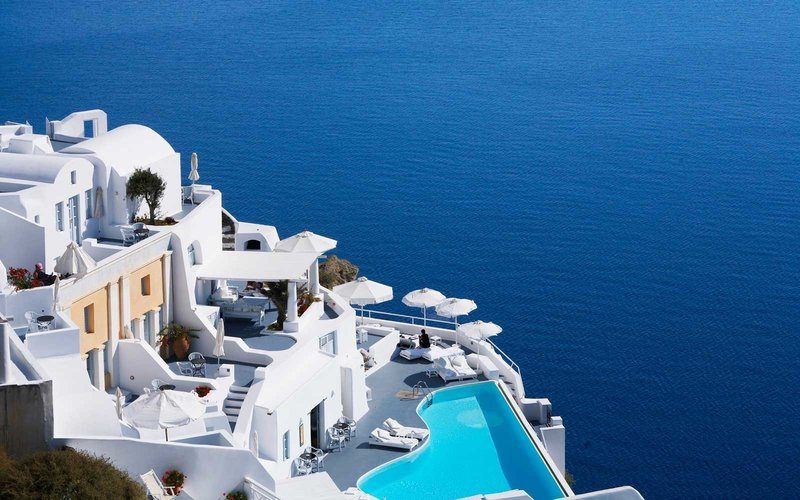
Travel tastes shift like sand in the wind. One month, a remote island is the only place to be; the next, geopolitical tension or a crashing currency makes it a hard pass. Yet, certain destinations and properties remain anchored in the top tier of global luxury. They don’t chase trends. They set them.
When you are looking for the most iconic luxury resorts in the world, the criteria rarely change. It’s about service that feels intuitive rather than intrusive. It’s about space. It’s about a level of exclusivity that makes the rest of the world fade into the background.
Why Amanpuri Phuket is a Non-Negotiable Stay
If you are planning a trip to Southeast Asia and trying to figure out which luxury hotel in Phuket offers the best private beach experience, the answer almost always circles back to Amanpuri.
Located in the quiet western corner of the island, this isn’t just a hotel. It’s a sanctuary. The property sits within a crescent-shaped bay, surrounded by coconut palms and protected from the main tourist hubs. The result? Turquoise water that seems too clear to be real, and silence that feels heavy.
The Architecture of Calm
Amanpuri translates to “place of peace.” The design reflects that. There are no towering high-rises here. Instead, you’ll find low-slung pavilions built from natural stone and teak, blending into the landscape rather than dominating it.
The villas are the real draw. Many come with their own infinity pools that seem to spill directly into the Andaman Sea. Waking up here, with nothing between you and the horizon but water and sky, changes your perspective on what “relaxing” actually means.
The Service Standard
What separates Amanpuri from other five-star properties is the staff-to-guest ratio. You won’t feel like a number. You’ll feel like a guest in someone’s home. The attendants, known as Amanpuri Assistants, learn your preferences quickly. Your favorite drink? Already on the table before you ask. The book you were reading? Placed on the nightstand with a bookmark.
This level of service is not scripted. It’s cultivated. It’s the kind of detail that makes you want to stay longer, even if your flights are booked.
Dining with a View
Food here is an extension of the location. The in-house restaurants source ingredients locally, highlighting the freshness of the Andaman Sea. Breakfast might be a spread of tropical fruits and local delicacies served on your private terrace. Dinner could be a seafood feast under the stars, with the sound of waves as your soundtrack.
You don’t need to leave the property for a great meal. In fact, trying to leave often feels like a downgrade. The privacy is part of the product.
Is It Worth the Price Tag?
Amanpuri is expensive. Very. Room rates can start in the thousands of dollars per night, depending on the season and the type of villa. But consider what you’re paying for:
- Privacy: No crowds. No noise. Just you and the ocean.
- Exclusivity: Limited rooms mean you are never waiting for anything.
- Design: Every detail is intentional. From the

Why Qualia on Hamilton Island Is Worth the Splurge
Let’s be honest. You aren’t coming here for the budget. You’re coming because you want to disappear into one of the most exclusive pockets of the Great Barrier Reef. Qualia Hotel isn’t just a place to sleep; it’s a fortress of privacy set on the western side of Hamilton Island, part of the Whitsundays in Queensland, Australia.
The resort occupies roughly half of Hamilton Island itself. That’s not an exaggeration. This scale allows for a level of seclusion you simply can’t find at larger, busier resorts on the reef. If you are looking for luxury Great Barrier Reef accommodation, this is the benchmark.
The Logistics of Getting There
First, the travel. You fly into Hamilton Island Airport (HTI). It’s about a 1.5 to 2-hour flight from Sydney or Melbourne, depending on connections. Once you land, you’re not driving a rental car. The island is pedestrian and bike-friendly. You take the shuttle to your villa.
Accommodation here is strictly private villas. There are no standard rooms. You get your own slice of earth, usually nestled into the hillside or perched on the cliff edge. Some overlook the lagoon. Some look out over the deep blue of the Pacific. The design is all about blending in. Low profile. Local stone. Timber. It doesn’t scream “hotel.” It whispers.
What’s Actually Worth Seeing (and Doing)
You don’t need a map. The resort is designed so that you barely notice the boundary.
1. The Private Beaches
Qualia controls access to specific stretches of beach. Whitehaven Beach is famous for its silica sand, but that’s further down the coast. Qualia offers its own secluded coves. The water here is calm. Turquoise. You can snorkel right off the shore if you’re careful, but the reef itself is a boat ride away.
2. The Reef Access
To see the coral, you need a boat. Qualia has its own fleet. They don’t just drop you off. They curate the experience. You choose between:
* Morning Reef Excursions: Best for visibility. The water is clear. Guides explain the marine biology.
* Sunset Sailing: Less about the fish, more about the light. The sun dips behind the islands. The sky turns purple.
3. Dining in the Wild
Breakfast is served in your villa. Lunch is often al fresco. Dinner? That’s where it gets specific.
* The Ocean Restaurant: Overlooks the lagoon. High-end. French-inspired.
* The Cliff Restaurant: Perched on the edge. Dramatic views.
* In-Villa Dining: You can order almost anything to your villa. The service is invisible until the food arrives.
The Cost Reality
This isn’t for the casual traveler.
* Villas: Start around $2,500 AUD per night for a one-bedroom. Two-bedroom villas go up from $4,500 AUD. Peak season (June to August) adds a premium.
* Experiences: A private yacht charter for the reef can run $10,000+ AUD for half a day
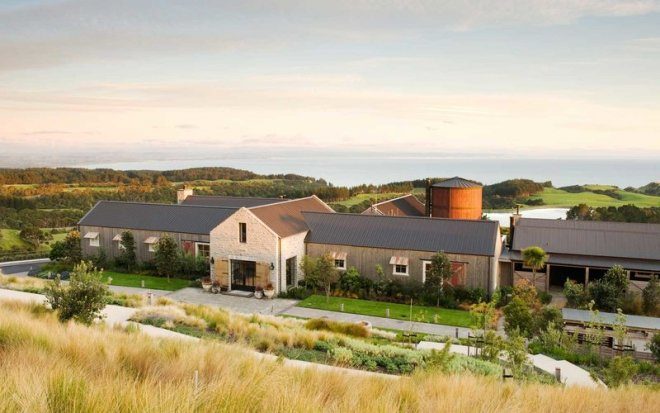

Where Diplomats Check In: The Taj Diplomatic Enclave
You don’t find the Taj Diplomatic Enclave by accident. You find it because you have clearance, or because you’ve been invited somewhere that doesn’t officially exist on tourist maps. Located in the leafy, secure sprawl of Lutyens’ Delhi, this property sits at the intersection of old-world colonial grace and high-stakes geopolitics. It isn’t just a hotel. It is a fortress of hospitality.
Opened in 1903, the complex has watched empires fall and rise within its walls. It is part of the Taj group, widely considered Asia’s most prestigious hotelier, but this specific enclave operates on a different frequency than the bustling Taj Mahal Palace in Mumbai. Here, the air is thinner. The stakes are higher. The silence is heavier.
Why Book the Diplomatic Enclave?
If you are not a diplomat, you might wonder why anyone would pay premium rates to stay in a place where Wi-Fi can be spotty and the menu changes based on who is visiting from whom. The answer lies in the atmosphere. You cannot buy this kind of quiet elsewhere in New Delhi.
The architecture is a lesson in muted power. High ceilings. Heavy drapes. Floors polished to a mirror shine. It feels less like a hotel and more like a private club that has survived centuries. The gardens are vast, tucked behind high walls that block out the chaotic hum of the city. You can walk for an hour without seeing a single street vendor or honking rickshaw.
Logistics and Access
Getting in requires preparation. This is not a walk-in property. You need an invitation, a reservation confirmed through official channels, or a membership. If you are a traveler without diplomatic credentials, your options are limited. However, the restaurants and bars are sometimes accessible to the public, though you must dress well and be prepared for scrutiny.
The location is strategic. It sits near the India Gate and the Rashtrapati Bhavan. You are close to history, but insulated from the noise. The nearest metro station is Central Secretariat, but you won’t be taking it. You’ll likely be driven in.
What’s Worth Seeing?
The rooms are spacious but understated. No flashy art. No neon signs. Just high-quality linens and a view of the garden. The dining is where the magic happens. The Taj Darbar restaurant serves Mughlai cuisine that is rich, complex, and historically accurate. It’s not just food. It’s a performance.
The bar is a place for lingering. You’ll sit next to ambassadors, journalists, and ex-presidents. The conversation is hushed. The whiskey is old. The silence is comfortable.
Who Is This For?
This isn’t for the backpacker. It isn’t for the party-goer. It’s for the traveler who wants to experience Delhi without being consumed by it. If you can get in, you’ll see a side of India that is rarely visible. A side that is slow. Deliberate. Powerful.
But getting in is the hard part. The doors are locked. Not physically. Socially. Politically. You have to earn your way in. Or be invited.
If you aren’t invited, you can still walk the gardens. But you’ll be watched. And that’s part of
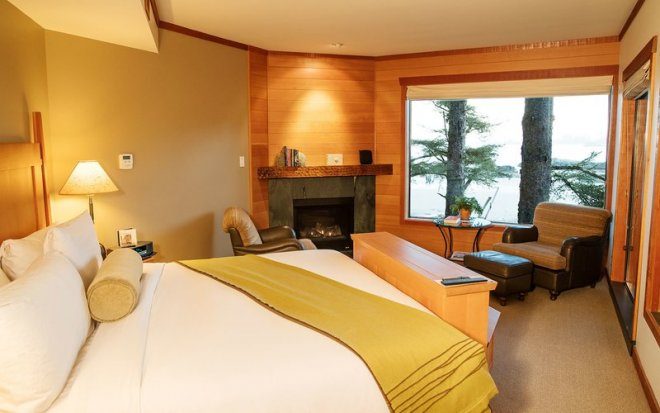
Where to Stay in Capri: The J.K. Place Experience
If you are looking for a base that balances luxury with the raw beauty of the Isola di Capri, J.K. Place Capri is the kind of spot that justifies the price tag. It sits right in the heart of the action but feels removed from it. The views are the main event here. You are looking out over the Bay of Naples, but not from some distant, sterile terrace. From the open-air swimming pool, the water below seems to merge with the sky, creating a dizzying sense of space that makes the whole island feel smaller, more manageable.
The dining situation is handled by JKitchen. This isn’t a hotel restaurant serving reheated pasta to tourists. It focuses on organic and seasonal produce. You get local flavors mixed with classic Mediterranean techniques. It’s grounded. Real food. If you are planning a trip to Capri, knowing that your dinner will reflect the actual season—whatever that may be in that specific week—is a huge plus. The menu changes, which means you are eating what is actually good now, not what was frozen from three months ago.
Getting here requires a bit of legwork, as Capri is an island. You fly into Naples or Rome, then take a ferry or hydrofoil to the harbor. From there, it’s a short taxi or bus ride up the winding roads to the hotel. The drive alone is a spectacle. But once you are inside, the noise of the ferry terminals and the day-trippers vanishing crowds fade away. You are in a curated environment.
The pool area is the social hub during the day. It’s where you see the locals who have escaped the crowded Piazzetta and the tourists who prefer silence over shopping. The design is understated. No gold-plated faucets or velvet ropes. Just clean lines and the best view on the island. For travelers wondering how to find tranquility in Capri, this is the answer. It’s not about hiding; it’s about choosing the right vantage point.
Accommodation costs here are significant. You are paying for the location and the brand reputation. But if you compare it to the larger, more impersonal resorts on the mainland, the value proposition shifts. You are getting intimacy. The staff knows your name. The kitchen knows your preference. It’s a different tier of travel experience.
Nighttime in Capri is another story. The hotel provides a quiet refuge after a day of exploring the Blue Grotto or hiking the Path of the Gods. You return to the pool area, now lit softly, with a drink in hand. The view remains the same, but the mood shifts entirely. The bay turns dark. The lights from Anacapri twinkle across the water. It’s easy to forget about the logistical headaches of island travel—the ferry schedules, the limited transport options—once you settle into this rhythm.
Does it offer the most affordable stay in Capri? Absolutely not. But does it offer one of the most consistent experiences for someone who values view and cuisine over spectacle? Yes. For those planning a Capri luxury getaway, this property stands out as a reliable anchor. It doesn’t try to be everything to everyone. It just does the basics—the pool, the view, the food—exceptionally well. And in a place as chaotic as Capri,
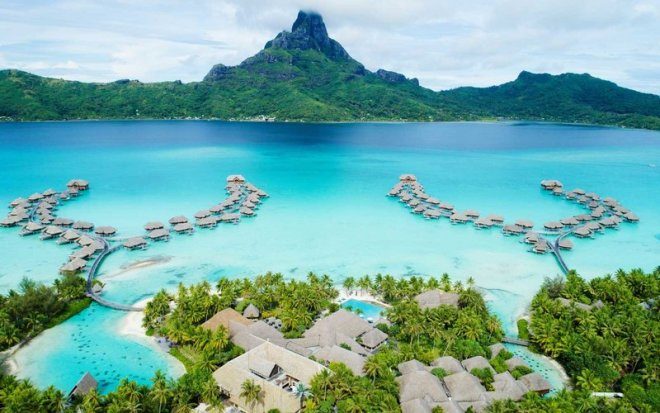
Why the InterContinental Bora Bora is the Ultimate Overwater Escape
If your budget allows for the top tier of Polynesian luxury, the InterContinental Bora Bora Resort & Thalasso Spa isn’t just a place to sleep; it’s a destination in itself. Sitting on the pristine Motu Piti Aau, this five-star property defines the overwater bungalow fantasy. But looking at the photos won’t prepare you for the reality of waking up to the sound of turquoise water lapping against your deck.
The resort is built on stilts over the lagoon, giving you direct access to the water from your private villa. These aren’t cramped hotel rooms; they are spacious sanctuaries with wide, shaded terraces that frame the iconic silhouette of Mount Otemanu. The view isn’t just “nice”—it’s the kind of landscape that makes you question why you ever considered staying on the main island.
The Thalasso Spa Advantage
What truly sets this property apart from other overwater resorts in French Polynesia is the dedicated thalasso therapy center. You aren’t just booking a room; you are booking a wellness experience grounded in the mineral-rich waters of the Pacific. The spa treatments here are renowned, using local seaweed and marine products to rejuvenate your body after days of swimming or hiking.
The villas themselves are designed for privacy and comfort. Each one features its own plunge pool and a ladder leading directly into the lagoon. This means you can dip into the ocean whenever you want, without the hassle of walking back to a main pool area. The attention to detail extends to the dining options as well, with multiple restaurants offering everything from fresh seafood to French haute cuisine, all while you watch the sunset paint the sky in shades of violet and orange.
When to Book and What to Expect
Prices for an overwater villa at the InterContinental run steep, often exceeding $1,000 per night depending on the season. To get the most value, aim for the shoulder months—May or November—when the weather is still warm and dry, but the crowds have thinned out. Booking well in advance is essential, as these villas sell out months ahead, especially during the dry season from June to September.
The resort offers a lagoonarium, a fenced-off area in the sea where you can swim with tropical fish and even stingrays in a controlled, safe environment. It’s a unique touch that adds variety to your stay beyond just lounging on the deck.
Is It Worth the Hype?
For many travelers, the answer is yes. The combination of location, service, and the sheer beauty of the setting creates an atmosphere of unmatched tranquility. The staff anticipates needs before you even realize them, ensuring that your experience feels personalized and seamless. However, be aware that the remote nature of the motu means you are somewhat isolated. While this is part of the charm, it also means you’ll rely on the resort for meals and activities, so plan your budget accordingly.
The InterContinental Bora Bora Resort & Thalasso Spa isn’t just a hotel. It’s an immersion into the idealized version of tropical paradise. Once you’ve spent a week watching the clouds drift over the lagoon from your private terrace, returning to the “real world” feels like a different life entirely.
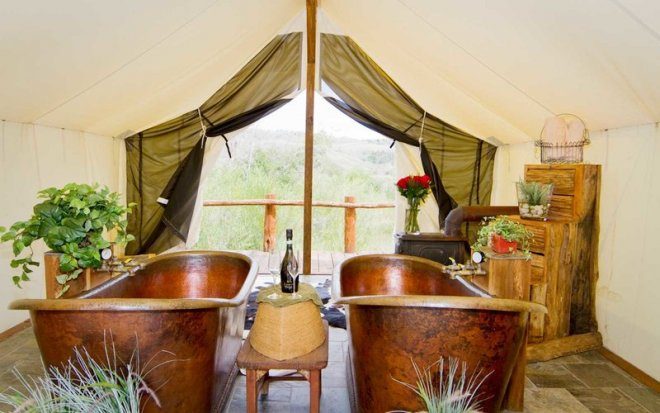
The Quiet Pull of C Lazy U Ranch in Grand County
Most luxury ranches scream for your attention with grandeur. C Lazy U Ranch in Grand County, Colorado, asks for something else entirely. It wants your silence. If your definition of a high-end vacation involves swapping noise for the sound of wind through aspen trees, this is the place. The focus here isn’t on spectacle. It’s on stillness.
The ranch sits in a valley that feels removed from the rush of the world. You aren’t just staying at a hotel. You are inhabiting a landscape. The architecture respects the terrain rather than dominating it. Log cabins dot the property, blending into the forest line. They look less like structures and more like extensions of the rocky ground.
“The true luxury here is the absence of obligation.”
Transportation to the valley can be part of the adventure. Many visitors fly into Denver, then take a scenic drive north through the mountains. The road winds past pine forests and open meadows. The air changes as you climb. It gets thinner. Cleaner. By the time you reach Granby, the transition is complete. The ranch is just a short shuttle ride away, or a drive for those who enjoy the final stretch of pavement.
Accommodations vary by preference. Some guests choose the main lodge for communal meals. Others book private cabins for total isolation. Both options offer high-thread-count sheets and fireplaces. The view from a porch often includes elk grazing in the distance. They don’t mind you watching. They’re busy eating.
Activities revolve around the outdoors, but at a relaxed pace. Horseback riding is a staple. Trails wind through old-growth forests. Guides are knowledgeable but never pushy. You set the speed. If you prefer water, the nearby Colorado River offers fishing and rafting. The ranch organizes trips for those who don’t want to plan details. You just show up.
Dining is another anchor of the experience. Meals are included in most packages. They focus on local ingredients. Game meats, fresh vegetables, and hearty stews. The food matches the setting. It’s comforting. It fuels you for the next day’s hike or kayak trip. There’s no pretension to the menus. Just good, honest sustenance.
Seasons dictate the rhythm here. Winter brings snow sports. Skiing and snowshoeing become the primary pastimes. The slopes are nearby, but the ranch stays quiet. Summer shifts the focus to hiking and fishing. The snow melts. Wildflowers bloom. The valley turns green. Each season offers a different texture to the stay.
Why choose C Lazy U over a resort in Vail or Aspen? The answer is scale. Those towns are crowded. C Lazy U is vast. You can walk for miles without seeing another guest. The privacy is real. It’s not marketing. It’s geography.
Costs reflect the all-inclusive model. It’s not cheap. But the price covers meals, activities, and lodging. There’s no need to budget for extras. The financial friction disappears. You just exist in the moment.
What remains is the feeling of returning to a simpler mode of life. The Wi-Fi is available if needed. But you won’t want to use it. The nights are dark. The stars are bright. The silence is heavy and welcome.
You might stay for a week. Or two
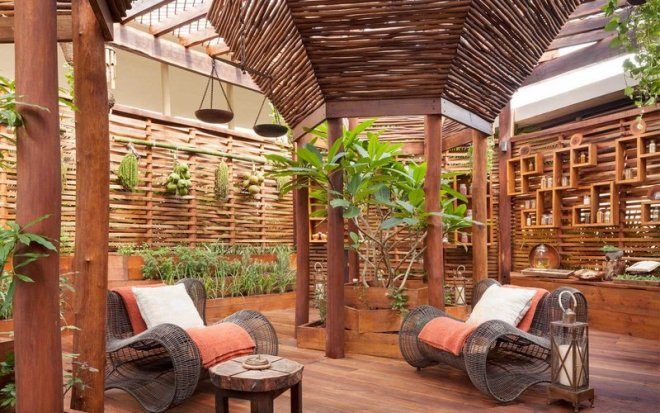
Why Six Senses Yao Noi is the Ultimate Off-the-Grid Escape in Thailand
Most luxury resorts in Thailand try to blend into the busy coastlines of Phuket or Krabi. Six Senses Yao Noi takes a different approach. It doesn’t just sit on the island; it respects it. The property sits on 10 hectares of untouched land on Yao Noi, a small, rugged island tucked between Phuket and the mainland. Here, the goal isn’t just relaxation. It’s about disconnecting completely.
The island itself is quiet. Very quiet. You won’t find neon signs or crowded beaches here. Instead, you get dense jungle, limestone cliffs, and water so clear it looks like glass. This is for travelers who want luxury without the noise. If you are looking for Six Senses Yao Noi private villas with personal butler, you will find them waiting for you.
The Villas: Space, Privacy, and Personal Service
There are 41 villas scattered across the hillside. Each one is built into the natural slope of the land. They don’t block the view; they enhance it. The architecture uses local materials—teak wood, stone, and glass—to keep the feeling grounded.
Every villa comes with its own private pool. Some are larger, with multiple bedrooms and direct beach access. Others are more intimate, perched higher up for panoramic views of the Andaman Sea. But they all share one thing: a dedicated personal butler.
This isn’t just a concierge who calls you from a desk. Your butler is there. They unpack your bags. They arrange your dinners. They know your coffee order by the second day. It’s the kind of service that feels invisible until you notice how much work they’ve done to make your day effortless.
Climate control is built into every villa. The humid Thai air can be heavy, but inside, the air is crisp and cool. Large sliding doors open up to merge the indoor living space with the outdoor deck. You eat, sleep, and lounge with the jungle as your backdrop.
What Makes It Worth the Price?
Travelers often ask which luxury resort in Thailand offers the best privacy. Six Senses Yao Noi is a strong answer. The island layout ensures that even when the resort is full, you don’t feel crowded. The villas are spaced out. The paths are shaded. The sounds of the forest drown out any neighboring conversations.
Activities here focus on nature and wellness. You can hike through the jungle trails that wind through the property. Guides explain the local flora and fauna. You can snorkel in the protected marine areas around Yao Noi. The water is rich with coral and fish. It’s not a playground. It’s an ecosystem.
Dining is another highlight. The resort offers several restaurants, each with a different vibe. One focuses on farm-to-table Thai cuisine. Another serves fresh seafood caught locally. There’s also a beach bar for sunset drinks. The food is fresh. The ingredients are sourced from nearby farms or the sea. It’s not just good food; it’s intentional food.
Logistics: Getting There and Staying
Reaching Yao Noi takes a bit of effort. That’s part of the charm. You typically fly into Phuket International Airport. From there, it’s a 20-minute drive to the pier. Then, a 45-minute long-tail boat ride takes you
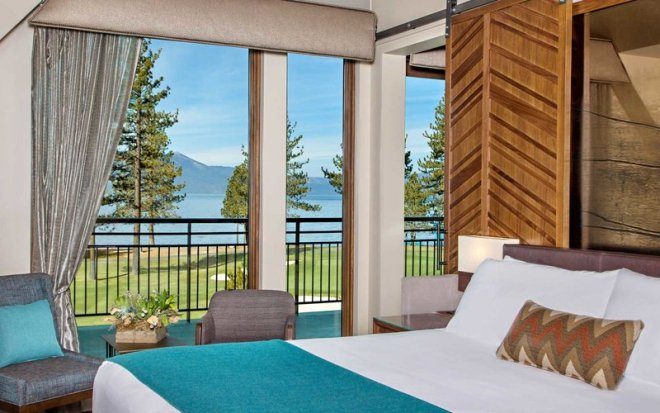
Ascott Raffles Place: A Five-Star Anchor in the Financial District
Forget the historic hotel that shares the name. We are talking about Ascott Raffles Place, the actual five-star property sitting right in the heart of Singapore’s financial grid. It is not a boutique guesthouse. It is a polished, high-end residential hotel designed for travelers who want their sleep to feel like a luxury commodity.
The location is the primary selling point here. You are a five-minute walk from Raffles Place MRT Station. That is the central hub. From there, you can tap into the North South Line and the East West Line without stepping outside. If you are planning a trip that involves hopping between Marina Bay, Orchard Road, or Sentosa, this transit access removes the friction from your itinerary. You do not need to hail a taxi and argue about traffic. You just walk to the station.
The rooms themselves are spacious. They are not the cramped boxes you might find in older parts of the city. The design leans heavily into modern furniture. Think clean lines, neutral tones, and furniture that looks like it belongs in a high-end showroom rather than a tired motel. The atmosphere is intended to be one of quiet luxury. You step inside, and the noise of the street drops away. It is designed for a peaceful stay.
Is it the most “historic” address in Singapore? No. But is it practical? Absolutely. When you are spending your days navigating a dense, tropical metropolis, returning to a room that offers immediate access to transit and a serene environment is a strategic move. You save time. You save energy.
Ascott Raffles Place prioritizes modern comfort and transit accessibility over historical charm.
The price tag reflects the five-star classification. You are paying for the brand, the location, and the consistency of service. If your priority is being in the middle of the action with zero commute stress, this is where you book. If you want the creaky floorboards of a heritage shophouse, you might look elsewhere. But for a smooth, efficient, and luxurious base in the city center, the Ascott delivers.
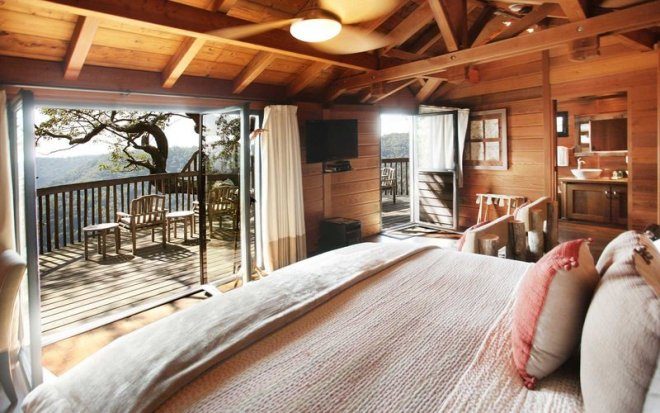
Where to Drink Like a Prohibition-Era Insider in Charleston
If you are planning a trip to Charleston and looking for a Spectator Hotel Charleston stay that feels less like a standard boutique hotel and more like a hidden gem, this is the spot. It sits in the historic district, just a short walk from the Charleston City Market and the harbor. But the real draw isn’t just the location. It’s the atmosphere.
The bar here is designed to feel like a speakeasy. We are talking about the Prohibition era. The vibe is moody, intimate, and intentionally secretive. If you are wondering which Charleston hotels offer a true speakeasy experience, this one leads the pack.
The Prohibition-Inspired Cocktail Scene
Why visit? For the drinks. The menu is rooted in the 1920s. You aren’t getting modern molecular mixology here. You are getting classic, hard-hitting cocktails that were popular when alcohol was illegal. The ambiance matches. Low light. Quiet corners. It feels like you’ve stumbled into a place where you aren’t supposed to be.
The hotel itself draws its inspiration from the 1920s. Every detail, from the decor to the service, leans into that era. It’s a curated experience.
Logistics: Location and Access
Getting there is easy if you are staying downtown. The hotel is within walking distance of the main tourist hubs. You can walk to the market in minutes. The harbor is also close. This matters for travelers who want to avoid renting a car. Charleston’s historic district is best explored on foot.
The Spectator Hotel appeals to travelers seeking a Spectator Hotel Charleston booking that offers more than just a bed. It offers a story. The speakeasy-style bar is a key feature. It’s not just a place to have a drink. It’s a destination.
Is It Worth the Stay?
For history buffs and cocktail enthusiasts, yes. The combination of location and theme is strong. You are close to the action but removed from the noise. The bar’s focus on Prohibition-era drinks sets it apart from other Charleston hotels.
The 1920s theme runs deep. It’s not a gimmick. It’s a consistent aesthetic. This appeals to visitors who value atmosphere over luxury amenities. If you prioritize vibe and location, this fits. If you need a pool and a gym, look elsewhere.
The walk to the Charleston City Market is pleasant. The harbor views are accessible. The bar provides a quiet escape. It’s a specific type of traveler who will appreciate this. The ones who want to feel like they are in a movie.
You leave with a memory of a drink, a dark room, and the feeling of being part of something older.
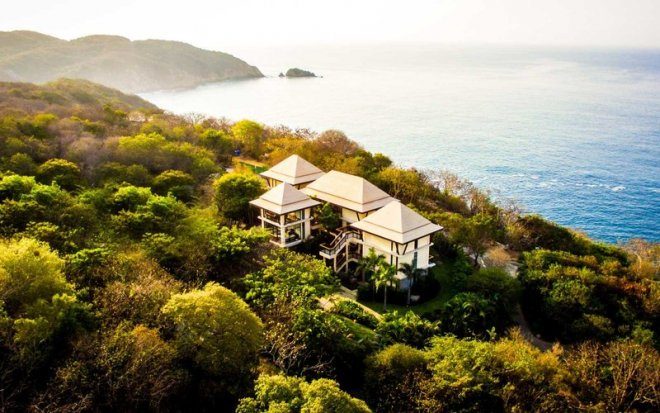
Where Luxury Meets the Imperial Gardens
The Palace Hotel Tokyo doesn’t just sit in Tokyo; it occupies the prime real estate of the Marunouchi business district. If you’re looking for five-star polish with a view that actually matters, this is the spot. It’s not hidden away in a quiet alley. It’s right in the heart of the action, yet somehow silent.
Why choose this over the glitzy towers in Shinjuku or Shibuya? Because location here is about access, not just nightlife. You’re steps away from Tokyo Station. That means Shinkansen connections are a two-minute walk. Narita Express? Close. The Imperial Palace East Gardens? Right there.
The rooms are spacious. High ceilings. Floor-to-ceiling windows that frame the moat and the distant turrets of the Imperial Palace. You wake up to greenery and stone, not neon. The service is understated but impeccable. No fuss. Just efficiency wrapped in quiet luxury.
Dining is a highlight. The hotel houses several restaurants, from high-end Japanese kaiseki to casual international fare. Breakfast alone is worth the stay. Fresh sushi. Perfect coffee. The kind of meal that makes you want to cancel your morning meetings and just sit by the window.
Prices? Expect to pay for the address. It’s one of Tokyo’s most expensive hotels. But for the combination of history, location, and sheer comfort, it holds its own against newer competitors. Book early. The views sell out fast.
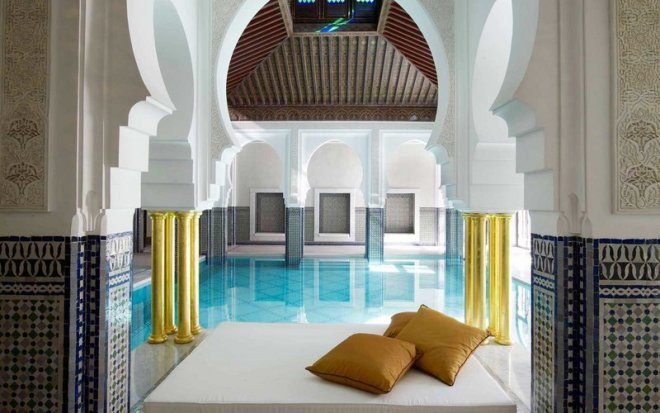
Taj Mahal Palace Bangalore: A Royal Retreat for Classic Travelers
When you’re booking a hotel in Bangalore, the options can feel overwhelming. The city is a mix of modern tech hubs and colonial heritage, so picking the right place to stay matters. If you prefer elegance over edgy minimalism, the Taj Mahal Palace Bangalore stands out. It doesn’t try to be something it isn’t. Instead, it leans hard into its identity as a classic, luxury property that feels less like a hotel and more like a palace.
The design language here is traditional. Think grand arches, warm wood tones, and spacious corridors that echo with history. It’s ideal for travelers who value atmosphere and a sense of occasion. You don’t just check in here; you arrive. The staff treats you less like a guest and more like royalty, which is exactly what the name suggests.
For those planning a trip to India, this isn’t just another stop. It’s a specific experience. The location in Bangalore puts you close to the city’s cultural heart while offering a quiet, refined escape from the urban hustle. If you’re looking for that perfect blend of comfort, style, and timeless service, this is where you start your search.
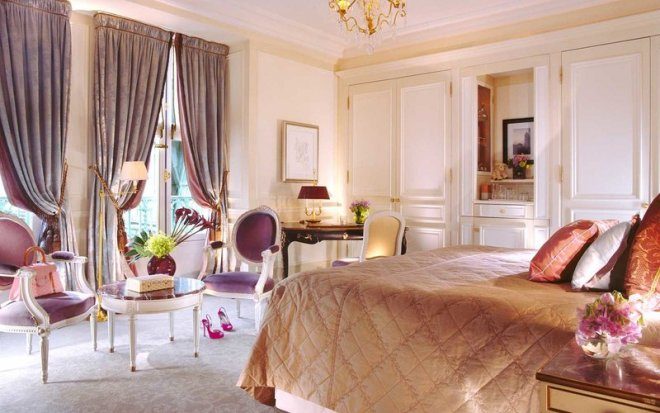
Why Jade Mountain Is the Peak of St. Lucia Luxury
Finding a room with a view is one thing. Finding a room where the view is the room is another. Jade Mountain in Soufrière doesn’t just offer a view; it commits to it. There are no glass walls here. Instead, each of the 42 suites is designed with a fourth wall completely open to the elements. You get the full, unfiltered panorama of the Caribbean Sea or the towering Pitons, depending on which side of the mountain you’re booked on. It’s dramatic. It’s intimate. It’s arguably the most recognizable resort on the island for a reason.
Logistics matter, even at this level. The nearest airport is Hewanorra International Airport, located about 16 kilometers away. That’s a short, breezy drive south along the coast, enough time to see the lush jungle giving way to the dramatic volcanic peaks that define St. Lucia’s southern tip. The location in Soufrière is key. You’re not in a tourist strip with crowded beaches. You’re in the heart of the island’s most scenic region, surrounded by rainforest and close to natural wonders like the Sulphur Springs and the Diamond Falls.
The architecture respects the landscape. Each suite features a private infinity pool, but the real draw is the open-air concept. You can sit by your pool at sunset, hear the ocean, and see the Pitons rising from the water without any barrier between you and the horizon. It’s a specific kind of luxury—one that prioritizes immersion over enclosure.
Is it worth the splurge? If you’re looking for a place to wake up and immediately feel detached from the rest of the world, yes. The service is discreet, the grounds are meticulously kept, and the dining options focus on fresh, local ingredients. But if you prefer a bustling hotel atmosphere with multiple pools and entertainment options, this might feel too serene. Jade Mountain is for those who want their view to be the main event.
“The fourth wall isn’t just missing; it’s replaced by the sky.”
Planning a stay here means booking well in advance, especially during peak season from December to April. Rates reflect the exclusivity and the architectural novelty, so budget accordingly. But for many travelers, the combination of privacy, natural beauty, and that iconic open-air experience makes it a highlight of any trip to the Caribbean. You don’t just stay at Jade Mountain. You inhabit it.
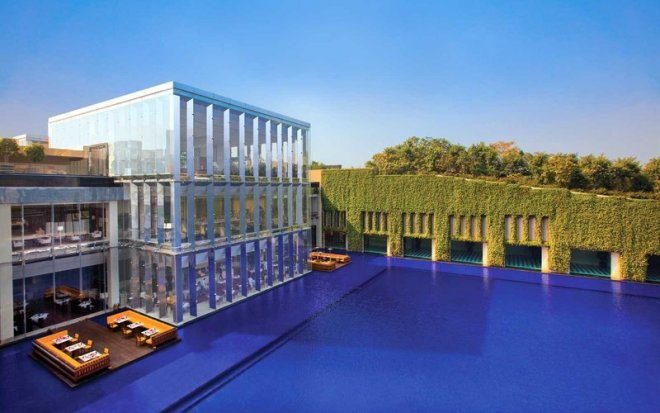
Dining at The Oberoi Gurgaon: From Fine Dining to Late-Night Spirits
If your itinerary for Gurgaon includes The Oberoi, the question isn’t whether you’ll eat well, but which culinary experience fits your current mood. The hotel’s food and beverage scene is split into distinct zones, each catering to a different slice of the traveler’s day.
For those seeking a formal, high-end meal, threesixtyone° is the primary draw. It’s designed for guests who want a luxurious dining experience that transcends a single cuisine. The menu rotates through various global influences, making it a solid choice for special occasions or when you want to impress business associates. The atmosphere is polished, the service attentive, and the price point reflects the “luxury” label without question.
But let’s be honest. Not every dinner calls for white tablecloths. That’s where Amaranta comes in. It serves modern, elevated Indian cuisine. If you want to understand how contemporary chefs in Delhi’s satellite city are reinterpreting traditional flavors, this is the place. It’s less about spectacle and more about refined taste. Adjacent to it, the Oberoi Patisserie and Delicatessen offers a lighter alternative. Grab a coffee, a pastry, or a sandwich if you need fuel between meetings or sightseeing. It’s practical, quiet, and efficient.
Then there’s the night. When the work is done and the traffic outside has finally settled, Piano Bar and Cigar Lounge becomes the default hangout. It’s not just a place to drink; it’s a space to decompress. The vibe is relaxed, the lighting dim, and the music steady. You can sit here, nursing a drink, and let the city’s energy drain out of you.
Which option should you choose?
- Formal business dinner or anniversary: Head to threesixtyone°.
- Authentic, modern Indian flavors: Choose Amaranta.
- Quick bite or coffee break: Use the Patisserie or Delicatessen.
- Unwinding after a long day: Piano Bar and Cigar Lounge.
The Oberoi Gurgaon doesn’t force you into one rhythm. You can start with a light lunch at the deli, move to Amaranta for dinner, and end the night at the piano bar. Or skip straight to threesixtyone°. The logistics are simple. Just decide how hungry you are, and how serious you want to be about it.
What happens when the last guest leaves the cigar lounge? The hotel goes quiet. The city outside hums, indifferent to your itinerary. You’re left with the taste of the meal and the memory of the view. That’s usually enough.
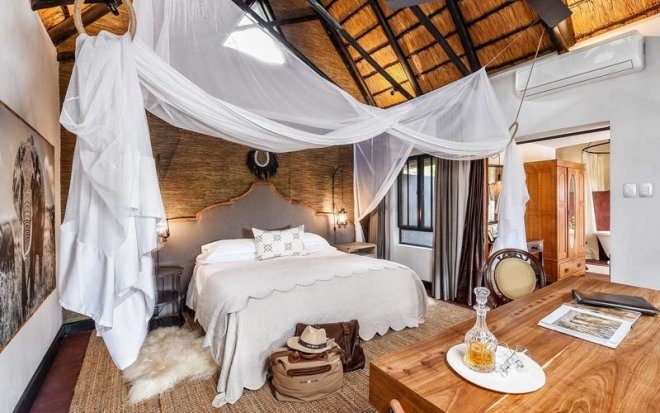
Sabi Sand Game Reserve: Kruger’ın Kapısından İçeri
Kruger Ulusal Parkı’nın batı sınırıyla iç içe geçmiş Sabi Sand, sadece bir oyun rezervi değil, büyük yaban hayatının en keskin izlerini takip edebileceğiniz bir labirent. Resmi sınırların olmadığı bu bölgede, hayvanlar göçebe bir yaşam sürer; sınırlar sadece haritaların kâğıt üzerinde çizdiği çizgilerdir. Bu sayede, Kruger’da beklemekten sıkılan gezginler için Sabi Sand, daha yoğun ve daha kişisel bir deneyim sunar.
Buradaki lüks konaklama seçenekleri, özellikle Sabi Sand Game Reserve jakuzili odaları ile ünlüdür. Günün yorgunluğunu, vadi manzarasında buharlaşırken atmak isteyenler için bu detay, saf bir lüks. Ancak asıl çekim gücü burada değil. Burada avcılık yapılıyor, sadece izleniyor.
Neden Sabi Sand Kruger’dan Farklı?
Çoğu kişi Sabi Sand’i Kruger’ın “özel versiyonu” olarak görür. Bu yanlış. Kruger büyük, kalabalık ve kendi kendine gezilebilir. Sabi Sand ise daha küçük, daha pahalı ve rehberli.
- Geceleri Gezin: Kruger’da gece geçişi yasakken, Sabi Sand’de gece sürüşleri standarttır. Ay ışığında avlanan leoparları görmek neredeyse garantidir.
- Açık Araçlar: Kruger’da kapalı araçlarla sınırlısınız. Sabi Sand’de yanınızda en az üç kişinin olduğu açık araçlarda, kuşların sesini ve leoparın nefesini duyarak yol alırsınız.
- Leopar Odaklı: Afrika’nın büyük beşlisinden en gizemlisi olan leoparlar, Sabi Sand’de daha sık görülür. Kruger’da günlerce bekleyebileceğiniz leopar, burada daha şansı vardır.
Maliyet ve Rezervasyon
Bu ayrıcalık ucuz değil. Sabi Sand’deki konaklama, gece başına kişi başı 500-1500 ABD Doları aralığında değişir. Bu fiyata genellikle tüm yemekler, içecekler ve iki kere safari turu dahildir. Dışarıda yemek yeme derdi yok. Sadece deneyime odaklanırsınız.
Rezervasyonlar aylar önce kapatılır. Özellikle Temmuz-Eylül arası kurak sezon, bitki örtüsü azaldığı için hayvanları görmek en kolay zamandır. Ancak Ocak-Mart ayları, doğum zamanı olduğu için yavru hayvanlar daha kolay izlenir, ama hava nemli ve sıcak olur.
Nereye Kalınır?
Sabi Sand’de on civarı lüks lodge bulunur. Lion Sands, Sabi Sabi, Timbavati (bazen ayrı sayılsa da coğrafi olarak iç içedir) gibi isimler öne çıkar. Her
Luxury in the Shadow of Arenal: The Nayara Experience
You don’t just stay at Nayara. You inhabit it.
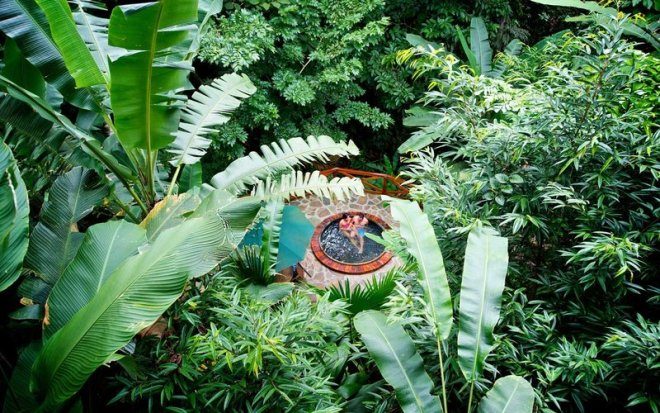
Perched right on the edge of the Arenal Volcano National Park, this isn’t a sprawling resort with hundreds of rooms. It’s a boutique sanctuary. Roughly 20 villas total. That’s it. The intimacy is the point. The air here smells like wet earth and blooming orchids, not chlorine.
The layout is clever. Private bungalows are scattered through the dense rainforest canopy. You get privacy, sure, but you also get the sense that the jungle is watching. And it is. Howler monkeys scream at dawn. Toucans steal fruit from your yard. It’s loud. It’s alive.
Then there’s the view. The volcano dominates the horizon. Even when it’s dormant, the sheer scale of it presses against the glass. On clear days, you can see the smoke plume rising. It’s haunting.
Each villa comes with a private terrace. And on that terrace? A two-person whirlpool. This isn’t an afterthought. It’s central to the design. You soak in hot water while staring at the mist rolling off the mountain. The contrast is visceral. Hot skin. Cold air. The volcano looms.
Service is discreet but omnipresent. Staff move like shadows. They know your name before you do. They anticipate needs you didn’t know you had. Breakfast is served on your terrace. Dinner can be too, if you prefer the stars over a dining room.
Cost? High. Expect to pay premium rates for the exclusivity. But for many travelers, the price buys silence. It buys time. It buys a disconnect from the grid that feels less like a vacation and more like a retreat.
The spa is part of the name for a reason. Treatments use local ingredients. Coffee scrubs. Fruit masks. You leave feeling less like a tourist and more like someone who has been tended to.
It’s not for everyone. If you want nightlife, crowds, or easy access to town, look elsewhere. Nayara is for those who want to disappear into the landscape. To listen to the rain. To watch the volcano breathe.
The real question isn’t whether it’s worth it. It’s whether you’re ready to give up your schedule for a while. To let the jungle set the pace. The bungalows are ready. The hot tubs are warm. The volcano is waiting.
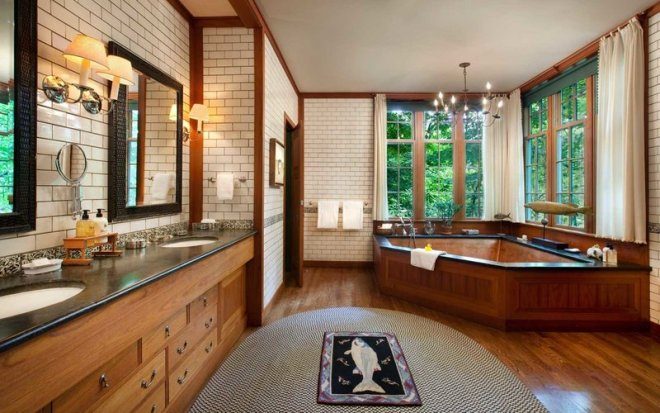
The drive from Burlington’s commercial airport takes about ninety minutes. You leave the noise behind. The road winds into Barnard, Vermont, where the landscape opens up into rolling pastures and quiet woodlots. This is where the Twin Farms experience begins. Not with a check-in desk, but with a shift in atmosphere.
The property sits tucked away in the Green Mountains. It is not a standard hotel. It is a restored 19th-century farmstead that has been reimagined as an ultra-luxury retreat. If you are looking for a place to disconnect, this is it. The village of Barnard itself is tiny. Population around 1,500. It feels like time slowed down here decades ago.
Why Twin Farms Stands Out
Most luxury resorts offer polished rooms and pristine lawns. Twin Farms offers history. The main house is a historic building. The other accommodations are renovated barns and outbuildings scattered across the grounds. You stay in a space that was once used for work. Now it is used for rest.
The architecture blends old stone and wood with modern design. Large windows frame the forest. The interiors are warm. There is no televisual noise. The goal is immersion. You walk through the woods. You sit by the fire. You eat food that came from the land nearby.
Where to Stay on the Grounds
There are several types of lodging. The main house has guest rooms. They are elegant. Heavy drapes. High ceilings. The barn cottages are more rustic. One bedroom. Stone floors. A wood-burning stove. Which one you choose depends on your comfort level. The cottages are private. The rooms in the main house share common spaces.
The prices are high. This is not budget travel. You are paying for seclusion. You are paying for the lack of crowds. You are paying for the specific quality of the silence.
What to Do When You Are There
The activities are low-key. Hiking trails wrap around the property. They are well-marked. The terrain is gentle. You can walk for hours without seeing another soul.
In the winter, the snow is thick. Cross-country skiing is available. The trails are groomed. You ski through the trees. The air is cold and crisp. It feels good.
In the summer, you can swim in the lake. The water is clear. The shore is rocky. Bring sturdy shoes. The woods are full of birds. Warblers. Bluebirds. Hawks circle overhead. You just watch.
Food is central to the experience. The restaurant focuses on local ingredients. Vermont lamb. Local cheese. Wild mushrooms. The menu changes with the seasons. You eat what is available. It tastes like the place.
Logistics and Timing
Best time to visit? Late fall for the colors. The leaves turn red and gold. The mountains look bright. Winter for the snow sports. Summer for the hiking. Spring is muddy. Avoid it unless you like mud.
How to get there? Fly into Burlington. Rent a car. The drive is scenic. Take your time. Do not rush. The journey is part of the stay.
Twin Farms is not for everyone. It is quiet. It is expensive. It is slow. But if you need to reset, it works. You
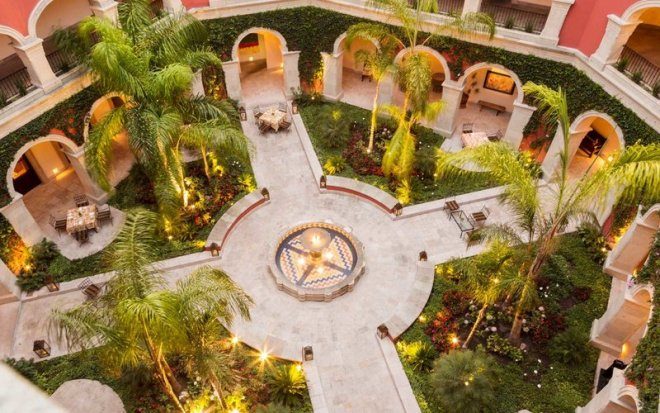
Finding this place feels like stepping into a private garden rather than a hotel lobby. Rosewood San Miguel de Allende doesn’t just offer a room; it offers a pause button for your entire trip. Nestled within the historic center but shielded by dense, manicured greenery, the property creates an immediate sense of separation from the bustling cobblestone streets outside.
The architecture blends modern luxury with colonial charm, but the real draw is the atmosphere. You spend hours on the terraces. The views aren’t just scenic; they are immersive. You can watch the light shift over the Parroquia de San Miguel Arcángel’s pink facade while sipping mezcal. It is the kind of spot that makes you forget to check your phone.
Why Rosewood Stands Out in San Miguel
For travelers looking for luxury boutique hotels in San Miguel de Allende, this property delivers on every front. It is not just about the price tag, which sits firmly in the high-end category, but about the specificity of the experience.
- Location : Deep in the historic district, yet surprisingly quiet.
- Design : Earth tones, local art, and open-air courtyards.
- Vibe : Relaxed elegance. No stiff service here.
The green spaces are not an afterthought. They are integral. Walking through the gardens feels like a meditation. The sound of water features masks the distant church bells. It is a deliberate contrast that works.
Practical Details for Your Stay
If you are planning a visit, keep these logistics in mind. San Miguel de Allende is a walkable town, but this hotel requires a moment to decompress.
- Best Time to Visit : The dry season (November to April) offers the clearest skies for those terrace views.
- Cost Expectation : Expect premium rates. You are paying for the privacy and the curated landscape.
- Dining : The on-site restaurants focus on local Mexican cuisine with a contemporary twist. Book ahead for dinner.
“The view from the terrace is something you will carry with you long after you leave.”
This isn’t just a place to sleep. It is a place to reset. The greenery envelops you. The luxury is understated. You leave feeling lighter.
What is your ideal balance of activity and rest when you travel? Do you seek out hidden gardens like this, or do you prefer being in the thick of the action? The answer might dictate whether you book here or somewhere else in the historic center.
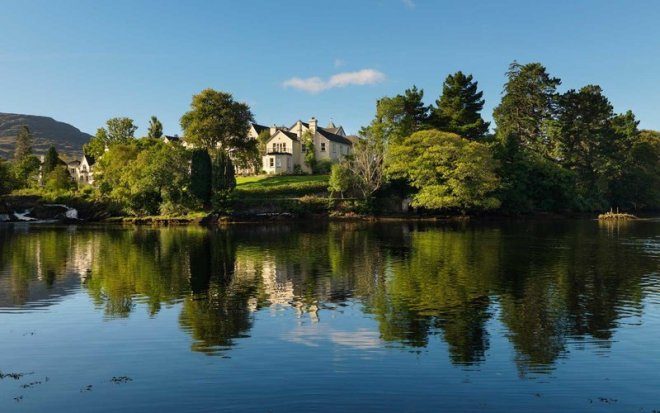
Where Sky Meets Serenity in Wyoming
Booking a room at the Lodge & Spa at Brush Creek Ranch in Saratoga, Wyoming, isn’t just planning a vacation. It’s securing a spot in a rarefied atmosphere. You’ll likely need to reserve months in advance. The waitlist doesn’t care if you’re a celebrity or a corporate executive. Everyone plays by the same tight schedule.
The architecture here defies the typical mountain lodge vibe. Instead of heavy timber and dark wood, think glass, steel, and stone. The main lodge floats above the valley. Large windows frame the Bighorn Mountains like living paintings. You step off the plane in Jackson or Casper. You drive west. The landscape opens up. The air gets thinner. The silence gets louder.
Saratoga is the gateway. It’s a small town with a big history. Known for its hot springs since the 1800s, it attracts a specific type of traveler. Someone who wants luxury without the chaos of Aspen or Vail. The ranch sits on 1,800 acres. Private. Secluded. You can walk for miles without seeing another human soul. Or you can stay put and let the service come to you.
The pool area is the centerpiece. It’s heated. It overlooks the valley floor. In winter, steam rises from the water while snow blankets the slopes. In summer, the grass is green. The horses are grazing. You sip a martini. You watch the light change over the peaks. Time slows down.
What to Do When You Arrive
This isn’t a place for rushing. It’s a place for doing whatever you want, whenever you want. The activities list is long. The actual engagement with those activities is flexible.
Horseback riding is the primary draw. Brush Creek is famous for its equestrian culture. You can ride through the sagebrush. You can trot along creek beds. Guides know every trail. They point out bighorn sheep. They stop for coffee at a remote camp. The horses are well-trained. If you’ve never ridden, they’ll teach you. If you’re an expert, they’ll take you somewhere hard.
Fly fishing is another major attraction. The ranch has its own private fishing rights on Brush Creek. The trout here are wild. They are hard to catch. The guides are patient. They provide the gear. They provide the waders. You just need the patience to sit on the bank and watch the water. It’s meditative. It’s expensive. It’s worth it.
The spa handles the rest. It’s not a quick massage. It’s a full-body experience. The treatments use local ingredients. The therapists are skilled. You can book a couples’ suite. You can spend the entire afternoon there. The view from the treatment room is the same as the pool. The sky is the same. The mountains are the same. The only difference is that you’re lying down.
Cost and Logistics
The price tag is high. Expect to pay several thousand dollars per night. Minimum stays often apply during peak season. That’s June through October. Winter has its own charm. The ski slopes nearby are less crowded. The hot springs are more inviting. The rates drop slightly. The cold air is sharper.
Transportation requires planning. The nearest major airport
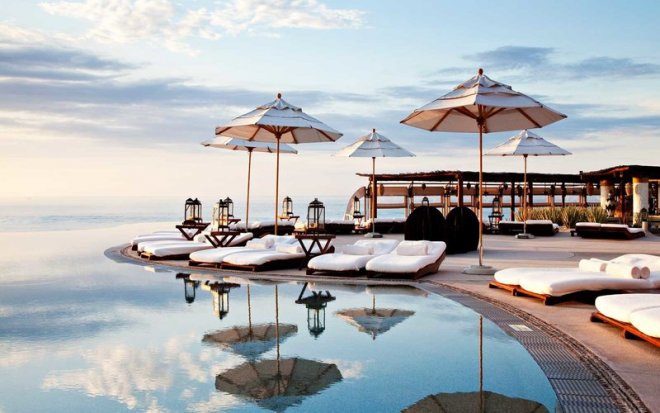
Montage Kapalua Bay: Where Luxury Meets the Pacific
Ninety-six acres of pristine coastline. That is the footprint of Montage Kapalua Bay on Maui’s northwest shore. It is not just a hotel. It is widely cited as one of the finest resorts on the planet. The views are aggressive in their beauty.
Guests do not just stay here. They immerse themselves in a landscape that feels curated by nature itself. The property sits directly on Kapalua Bay. This location is key. It offers a sheltered cove where the water is calm enough for swimming and snorkeling, yet vast enough to feel like the open ocean.
The architecture respects the land. Low-rise bungalows and suites are scattered among native trees. There are no towering glass monoliths blocking the horizon. Instead, you get floor-to-ceiling windows that frame the Pacific. The design prioritizes privacy. Each unit feels secluded, even when the resort is full.
Why do travelers choose this specific spot? The answer lies in the balance. It is high-end without being stiff. Staff anticipate needs before you voice them. The service is quiet. Efficient. Invisible until needed.
Dining here is not an afterthought. Several restaurants occupy the grounds. They source locally. You might find fresh ahi poke or Hawaiian seafood dishes that taste like the island itself. Prices are steep, naturally. This is luxury pricing. But for many, the experience justifies the cost.
Activities range from simple to adventurous. The golf courses nearby are world-class. The beaches are clean. Not crowded with locals or day-trippers. Reserved for those staying on-site or visiting for the day. The water clarity is high. Coral reefs protect the bay. This creates a natural aquarium effect.
Timing matters. Visit during whale season, from December to April. Humpbacks breach right off the shore. It is a spectacle. No ticket required. Just a spot on the lanai or the beach.
Accommodations vary. Some units have private pools. Others offer direct beach access. The difference is subtle but impactful. For a truly secluded vibe, pick a villa away from the main hub. For convenience, stay closer to the spa and restaurants.
The resort is part of a larger development. Kapalua is a master-planned community. This means infrastructure is solid. Roads are good. Shops are nearby. But the hotel itself feels disconnected from the mainland. Isolated in the best way.
Health and wellness are integrated into the stay. The spa uses local ingredients. Kona coffee. Coconut oil. Maile scent. Treatments are lengthy. Two hours is standard. You leave feeling reset. Not just relaxed.
Transportation logistics are simple. The airport is about an hour and a half away. Rent a car. Maui is large. You will want freedom. But you can also rely on the resort for tours. They have partnerships with local operators. Whale watching. Surf lessons. Historical tours.
The cost? Expect to pay a premium. Rates fluctuate with season. Peak times in winter and summer are most expensive. Shoulder seasons offer better value. But availability is tight. Book months in advance.
Is it worth the hype? For some, yes. For others, it might feel too polished. Too perfect. But for those seeking a seamless blend of nature and luxury, it delivers.
The sunset here is different.
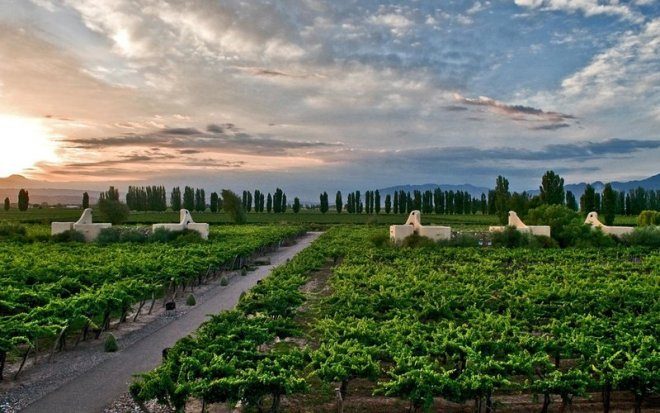
The Tennis Hub at Rancho Santana
If you’re chasing good light and harder courts, Rancho Santana in Rivas is the move. The property anchors its tennis scene at Casa Santana, a spot that sits in the El Limón area of the resort. It’s not just a hobby here. It’s a draw.
The logistics are surprisingly clean. You’re roughly 31 kilometers from the surf hubs of San Juan del Sur and the quieter San Jorge. That’s a short drive if you want to swap racket for board. For international arrivals, the Augusto Cesar Sandino International Airport is 78 kilometers away. Not an airport hop, but manageable. You can fly into Managua, grab a car, and be on the red clay within two hours of landing.
Why does this matter for your itinerary? Because Rancho Santana isn’t just a resort. It’s a destination that pulls you in for the game, keeps you for the ocean views, and lets you leave without feeling like you missed the rest of Nicaragua. The courts are well-maintained. The sand is firm. The heat is real.
Bring your own strings. The pro shop carries basics, but if you’re particular about tension or grip size, pack what you know. The light hits the courts in the late afternoon. That’s when the shadows stretch, the temperature drops five degrees, and the matches get interesting.
“The courts are part of the landscape, not just an amenity.”
You won’t find crowds here. You’ll find locals who play seriously and visitors who play for the view. Both work. The silence between points is long. The breeze from the Pacific helps.
Don’t schedule back-to-back matches. Your legs will thank you. Take an hour between sets. Hydrate. Watch the swallows dive over the fairways. It’s easy to lose track of time when the ball stays in play.
Rancho Santana offers a different rhythm. Slower. Sharper. You come for the tennis. You stay for the light. You leave knowing exactly where you’ll be next time.
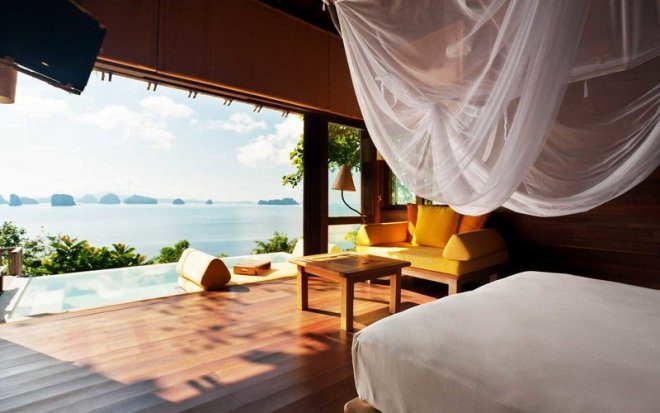
Why the Lodge at Edgewood Tahoe Belongs on Your Nevada Bucket List
If you are looking for the kind of luxury that doesn’t feel like it’s trying too hard, the Lodge at Edgewood Tahoe is where you want to be. This isn’t just another resort; it’s consistently ranked among the world’s top hotels, holding its own against global giants despite its specific location in Stateline, Nevada.
The setting is the real draw. Perched on the shore of Lake Tahoe, the property offers immediate access to some of the most dramatic scenery in the American West. You are roughly 5 kilometers from the North Bowl ski area, which means easy access to winter sports without being right in the chaos of the base lodge. In the summer, those same trails become hiking paths. Boulder, another local landmark, is also just 5 kilometers away, keeping you close to local amenities without needing to drive far.
The appeal here lies in the balance. You get the prestige of a top-tier global hotel—think impeccable service, high-end dining, and rooms that actually respect the view—but with the relaxed, slightly rugged vibe that Lake Tahoe demands. It’s not stuffy. It’s just excellent.
How to Plan Your Stay for Maximum Impact
Planning a trip here requires a bit of strategy because the “world-class” label comes with specific expectations.
Timing is everything.
* Winter: Book early. Being 5 km from the North Bowl makes this a prime spot for skiers who want a quiet night’s sleep but don’t want to spend an hour commuting to the lifts. The snow in this part of Nevada can be heavy, so the hotel’s shuttle services become a valuable asset.
* Summer: This is when the lake shines. The proximity to water activities means you can skip the crowded public beaches. The Lodge offers private beach access in many cases, which is a significant upgrade if you hate fighting for towels.
Logistics and Costs.
Since this property ranks in the top 10 of global hotel lists, expect pricing to reflect that status. It is a premium experience. However, the value proposition is clear: you are paying for location and service. The 5 km distance to Boulder means you can still enjoy local, more affordable dining options if the resort restaurants feel too formal for your taste that night.
What’s Actually Worth Seeing?
Don’t just stay in the room. The primary reason people visit the Lodge at Edgewood Tahoe is the lake itself. The water is clearer than most places you’ll find in the US. Spend your days kayaking or simply walking the shoreline. At night, the stars are unnervingly bright. There’s no light pollution from the resort grounds.
Is it worth the splurge? If you value quiet luxury over nightlife, yes. If you want a party scene, look elsewhere. This is a place for breathing in the air, watching the mountains, and remembering why you travel in the first place. The rest is just details.
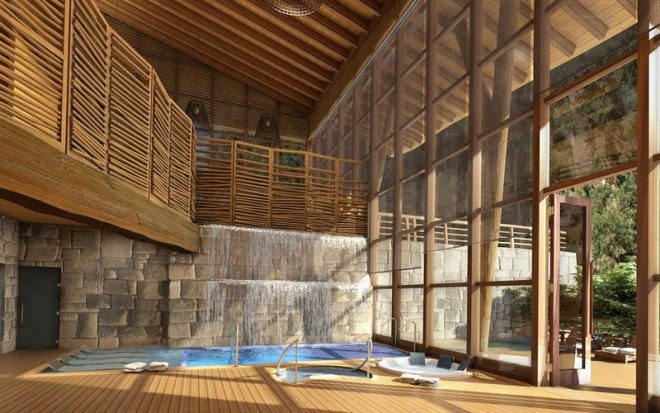
The Only Hotel with Its Own Private Rail Line to Machu Picchu
If you’re tired of the chaotic shuffle of public buses and the haggling over taxi fares in the Sacred Valley, Tambo del Inka offers a different kind of luxury. It’s not just about the thread count or the spa treatments, though they’re plenty. The real draw is logistical. This is the only hotel in Urubamba with a dedicated private train station on its grounds.
Why does that matter? Because it bypasses the peak-season crush at the Ollantaytambo station. You don’t wait in line. You don’t fight for seats. You walk from your room to a platform, board a private carriage, and glide directly into Aguas Calientes. The ride takes about 24 minutes. The scenery is steep, green, and dramatic. The experience is silent.
The resort itself sits high above the Urubamba River. You can see the mist rolling through the canyon below. The architecture blends Incan stone with Andean wood. The spa focuses on local ingredients—coca leaves, quinoa, medicinal plants. The rooms are spacious. They have private terraces. The beds are huge.
But let’s be honest. You’re paying for the convenience. And the exclusivity.
The private train runs daily. It departs early in the morning. It returns in the evening. You get priority access to Machu Picchu. You don’t need to worry about the last bus back. You don’t need to stress about missing the connection. It’s a seamless loop.
Is it worth the price tag? If you value sleep. If you hate crowds. If you want to arrive at the ruins fresh and calm. Then yes. The convenience is unparalleled. You step off the train. You walk straight to the entrance. The rest of the world is waiting in line back at the station.
Some say it’s too easy. That it lacks the “authentic” struggle. Maybe. But isn’t the goal to see the ancient city? Not to endure the journey?
The hotel also offers guided hikes. Not just to Machu Picchu, but into the surrounding valleys. The Sacred Valley is vast. There are ruins hidden in the hills. There are markets in Pisac. There are terraces that still hold water. The guides know the shortcuts. They know the best light for photos.
The food is excellent. Local ingredients. Quechua-inspired dishes. Cuy. Llama. Corn. It’s hearty. It’s flavorful. It’s different from what you’ll find in Lima or Cusco.
If you’re planning a trip, book the room with the train view. Watch the steam rise from the valley. Listen to the distant rumble of the train. It’s a reminder that you’re close to the heart of the Inca empire. But you’re also safely tucked away.
The private train isn’t just a perk. It’s a statement. You’re here to explore. Not to wait.
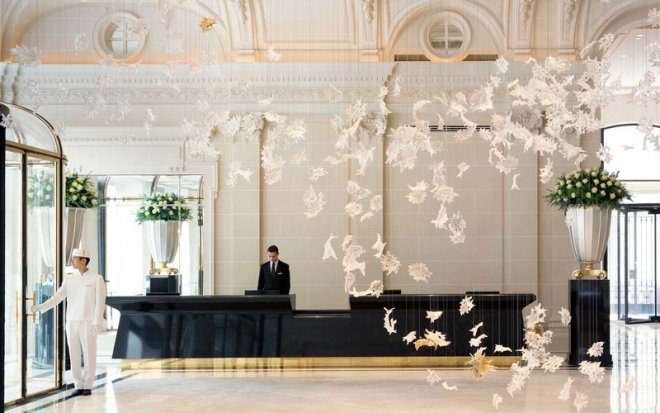
Where luxury meets the river: Inside the Mandarin Oriental Bangkok
If you want to understand why this property has been voted one of the best hotels in the world for over a century, you just need to look at the view. The Mandarin Oriental, Bangkok doesn’t hide from the city. It leans into it. Perched right on the banks of the Chao Phraya River, the hotel offers a vantage point that most travelers never get to see from such an intimate distance.
The location is the first selling point. You are in the heart of Bangkok, yet the noise of the traffic fades into a distant hum. Instead, you hear the river. It’s a sensory shift that hits you the moment you step off the boat or into the lobby. The air here feels different. Cooler. Heavier with the scent of jasmine and old wood.
The interior design speaks volumes
Walk inside, and the design choices tell a story about heritage. This isn’t generic modern luxury. It’s specific. It’s Thai. The rooms are decorated with teak wood furniture. Not veneer. Solid, carved teak that has been polished to a deep, rich glow over decades of use. The textiles are Thai silk, woven in patterns that have existed for generations.
It creates an atmosphere that is both opulent and grounded. You aren’t just staying in a room; you’re staying in a piece of history. The light that filters through the windows at golden hour hits that teak just right. It’s the kind of detail that makes you linger.
Why this hotel matters for your trip
Booking a room here isn’t just about comfort. It’s about logistics and access. The hotel is directly on the river, which means you can skip the notorious Bangkok traffic entirely. You can take a private long-tail boat or a public klong boat right to the hotel’s pier. It’s a journey in itself. The ride down the Chao Phraya past Wat Arun and the Grand Palace is free entertainment. You see the city from the only angle that truly matters.
The cost is high. Very high. But you’re paying for the uninterrupted view. The service, which has set the standard for Asian hospitality for over 140 years. The fact that the hotel manages to feel private despite being in the middle of a megacity.
Practical details for the traveler
- Location: Silom Road, directly on the Chao Phraya River. Easy access to the Skytrain (BTS) via a short shuttle or walk, but the river transport is the real draw.
- Vibe: Classic, colonial-meets-Thai. Quiet. Refined.
- What to do: Take the afternoon tea. Walk the riverside gardens. Watch the sunset from the terrace.
- The catch: It’s expensive. And it’s iconic. Which means you need to book months in advance, especially for river-view rooms.
The rooms are large. They have high ceilings. They smell faintly of lemon polish and expensive soap. It’s a sensory experience that lingers long after you leave. You’ll find yourself thinking about the teak wood. The way the light hits the silk. The sound of the river.
It’s not just a place to sleep. It’s a place to remember that travel can still be slow. Can still be beautiful.
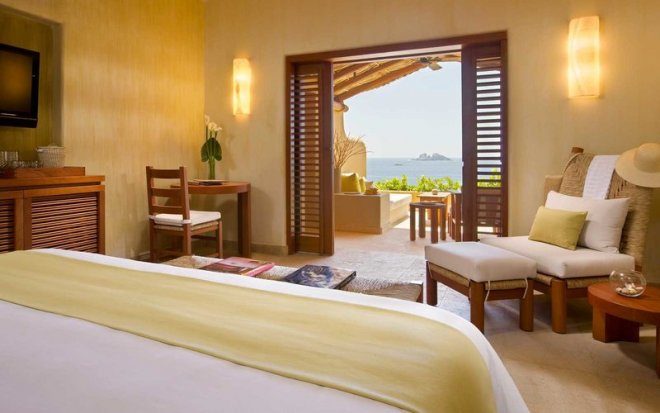
The Saxon Hotel: Where Sandton’s Heart Meets Colonial Grandeur
You want the city’s pulse, but you refuse to sleep in the noise.
That is the specific niche the Saxon Hotel, Villas & Spa fills in Johannesburg. It sits in Sandton—technically the financial district, practically the wealthy suburb where the skyline mimics Manhattan and the air conditioning never quits.
It is five kilometers from the absolute center of Sandton. Not a walkable distance in the humid summer heat, but close enough that you can dip in for a meeting or a high-end lunch without losing half your day to traffic. Ten kilometers to Rosebank Shopping Mall. That’s your grocery run, your art gallery hop, your evening drink with a view of the Jacaranda trees.
Logistics are the real story here.
Most travelers land at OR Tambo, the massive Johannesburg International Airport. It is 40.5 kilometers away. A drive of forty minutes to an hour, depending on whether the N1 highway is moving or stuck. If you arrive at Lanseria—smaller, quieter, often where private jets and charter flights touch down—you are only 29 kilometers out. A swift twenty-minute drive.
The Saxon doesn’t try to be a boutique inn. It is a statement.
Luxury suites are the standard. Not the “boutique room with a nice view” kind of luxury. We are talking about space. High ceilings. Marble floors that echo the weight of history. The architecture draws heavily on a colonial aesthetic, but stripped of the stuffiness. It feels established. Solid.
Why stay here?
Because Sandton can feel sterile. It is clean, efficient, and expensive. The Saxon adds texture. It has a spa that actually offers treatments beyond a basic massage. It has villas that suggest privacy in a city where privacy is a premium commodity.
Which airport is better for this location?
Lanseria is faster. Sandton is closer. If you are on a tight schedule and can afford the slightly higher ticket price for a Lanseria arrival, take it. The traffic into central Johannesburg is not a joke during rush hour. It is a test of patience you do not want to pass through with your luggage.
The hotel is about 5 km from the Sandton City malls. You can see the glow from the grounds.
It is about 10 km to Rosebank. A short Uber ride. You get the shopping, the African craft markets, the restaurants that aren’t hotel food.
The cost is high. You are paying for the silence. The security. The sheer volume of space in a single room.
But if you are looking for the soul of Johannesburg, this might not be the first place you go. For that, you head south to the Maboneng Precinct or the historic streets of Newtown. However, if you want to wake up in a suite that feels like a private estate, surrounded by manicured gardens, with the city’s financial engine humming just five kilometers away, this is the place.
It is a base. A secure, opulent base.
The question is whether you plan to use it as one.
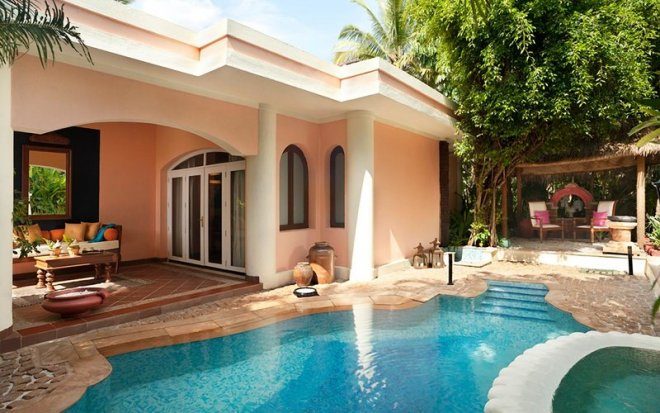
Tucked away on 6.8 hectares of rural land along the Waikato River, Huka Lodge doesn’t shout for attention. It waits. It’s positioned perfectly if you want to escape the chaotic energy of Taupo town center while staying close to the action. You’re looking at a 10-minute walk to the thunderous Huka Falls. That’s it. Just stroll down. Feel the spray. Hear the roar. It’s not a hike. It’s a commute to nature’s power source.
For golfers, the Wairakei International Golf Course is a quick five-minute drive away. Less time in the car, more time on the fairway. The location is practical. The setting is serene.
Why this spot works for travelers
Most visitors to Taupo are either chasing adventure sports or just passing through. Huka Lodge caters to those who want a base that feels detached from the rush but is still accessible. You aren’t isolated. You’re just set back. The river sounds replace traffic noise. The proximity to the falls means you can catch the early morning light without waking up at dawn. The proximity to golf means you can start your day with a round, not a commute.
It’s a specific kind of convenience. You get the rural quiet without the logistical headache of being too far from amenities. If you’re planning a trip around the North Island, this is the kind of place that makes the itinerary feel smoother. Less driving. More staying.
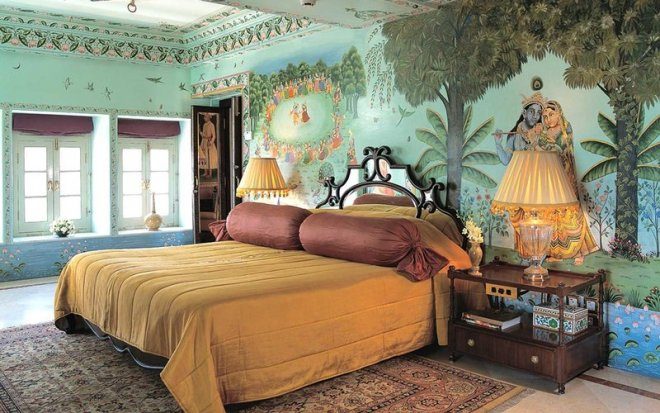
Stay Like Royalty at Rajasthan’s Former Palace
You don’t just book a room at the Taj Rambagh Palace ; you inherit history. This isn’t a hotel that pretends to be old. It is old. The Maharaja of Jaipur’s former residence now operates as one of India’s most exclusive luxury hotels, but the transition from private estate to public hotel hasn’t erased its soul. The grounds are meticulously kept. The architecture is distinctly Rajput, blending intricate latticework with wide, shady courtyards.
Getting there is straightforward if you know the layout. The palace sits roughly 3.5 km from the City Palace, Hawa Mahal, and Jantar Mantar. That’s a short auto-rickshaw ride or a brisk walk if you want to stretch your legs through the older streets. The Jaipur Airport is about 11 km away. A taxi ride takes you right to the gates. No navigating tight alleys with heavy luggage.
Why here? Because most heritage hotels in Jaipur feel like sets. Rambagh feels lived-in. The scale of the gardens alone sets it apart. You aren’t just looking at a building; you’re standing in a landscape that was designed for kings. The proximity to the main tourist sites means you can see the major sights by day and return to silence by night. It’s a specific kind of luxury. Not just thread counts. Space. Privacy. A sense of continuity.
The distance to the main attractions is short enough for convenience, but far enough to escape the city noise.
If you’re planning a trip, consider the logistics carefully. Book early. Rooms in heritage properties like this vanish months ahead. You’re paying for the privilege of sleeping in a space that has hosted diplomats, celebrities, and royalty for decades. The cost is high. The experience is singular. There isn’t a direct comparison. You can stay in the Hawa Mahal area, sure. But you won’t get the palace grounds. You won’t get the scale.
The question isn’t whether you should go. It’s whether you can justify coming back to a normal hotel afterward.
The Parisian Enclave Where Silence Costs Extra
Forget the marble lobbies of the old guard. If you are looking for a honeymoon that feels less like a hotel and more like a private sanctuary, La Reserve Paris is the answer most concierges hesitate to give because they don’t want to lose the business.
This is not a place for noise. It is a 68-room palace hidden behind heavy wooden doors on Rue Boissière, a street known for diplomats and discretion. You do not “check in” here; you arrive. And once you are inside, the rest of the city effectively ceases to exist.
Why the waitlist is real
The property has spent years cultivating an aura of exclusivity that borders on intimidation. It was designed by Axel Vervoordt, a Belgian aesthetician who treats interior design as spiritual practice. The result is a space that smells of aged wood, incense, and money.
For travelers asking where to stay in Paris for ultimate privacy, this is the top tier.
The rooms are sparse. No clutter. No televisions shouting news. Just massive beds draped in Egyptian cotton, private terraces, and bathrooms carved from stone. You pay for the silence. You pay for the fact that you can walk through the gardens without seeing another guest.
The logistics of luxury
Getting there requires planning. The hotel is located in the 16th arrondissement, far from the tourist crush of the Louvre or Notre Dame. This is by design.
- Transport: A taxi from Charles de Gaulle takes about 45 minutes. From the airport, expect to pay around €60-€70.
- Booking: You cannot just walk in. Reservations often open months in advance.
- Cost: Expect to pay upwards of €1,000 per night for a standard room. Suites run significantly higher.
Is it worth the price tag? For a special occasion, yes. For a week-long stay? Probably not. Most visitors use it as a base for three nights, then move on.
Dining without the drama
The restaurant, also named La Réserve, holds three Michelin stars. But here is the thing: the food is good, not revolutionary. The real draw is the atmosphere. The dining room is intimate. The lighting is low. The service is invisible until you need it.
If you are wondering how to get a table at La Réserve, you need to book weeks ahead. Walk-ins are non-existent. The menu changes with the seasons. French classics are executed with precision. Think foie gras, lobster, and wines from vineyards you have never heard of.
The spa as a destination
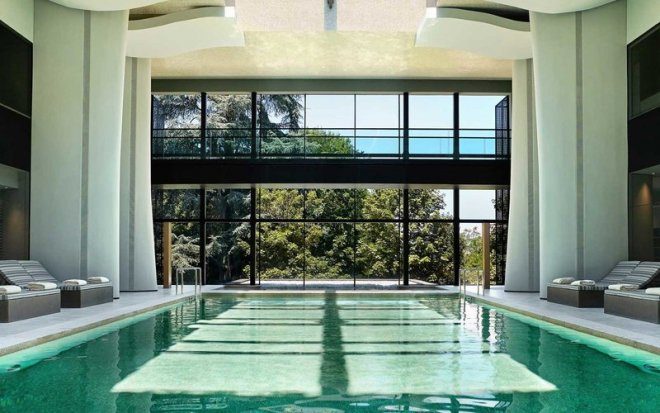
The spa is the heart of the hotel. It features a heated indoor pool, a steam room, and a sauna. But the real luxury is the time. You can spend hours here. The treatments are expensive, but the space itself is free if you are a guest.
Many couples skip the museum hopping and stay here. They walk through the garden. They sit by the pool. They eat. They sleep. It is a rare pause in a city that never stops moving.
Who is this for?
This is not for the budget traveler. It is not for the party-goer. It is for the person who values peace over
Where to Find Quiet in South Africa’s Wine Country
If you are chasing that rare mix of isolation and luxury, La Residence in Franschhoek, South Africa isn’t just a suggestion. It’s a destination for people who want to disconnect without giving up comfort. Nestled in the Cape Winelands, this boutique hotel sits high above the valley. The view alone justifies the trip, but the real draw is the pace.
Most travelers rush through Cape Town and head straight to the safari parks. They miss the wine country entirely. Franschhoek is different. It’s smaller, quieter, and distinctly European in feel. The language changes to French. The architecture shifts to Cape Dutch. And the food? It’s world-class.
La Residence has won numerous awards for its service, but awards don’t matter when you are sitting on your balcony at 5 PM. The sun dips behind the mountains. The air cools down. You hear nothing but the wind in the trees. That silence is expensive. It’s also worth every cent if you value your peace of mind.
Why Franschhoek Beats the Crowd
Why do seasoned travelers prefer Franschhoek over Stellenbosch or Constantia? The answer lies in size. Stellenbosch is big. It has traffic. It has crowds. Franschhoek fits in a pocket. You can walk from your hotel to the best restaurants in twenty minutes. No cars needed. No stress.
The village itself is a maze of cobbled streets and heritage buildings. You’ll find vintage shops, art galleries, and cafes that serve lunch until late. It’s relaxed. It’s sophisticated. And it’s nowhere near the tourist traps of Cape Town’s city center.
La Residence sits at the top of the Franschhoek Wine Tram route. This is key. You can hop off at various vineyards, eat, drink, and hop back on the train. No driving. No worries. No designated driver fees. The train runs from mid-morning to late afternoon. It’s the perfect way to explore the vineyards without the headache.
The Cost of Doing Nothing
This isn’t a budget stay. La Residence is luxury. Expect to pay premium prices for rooms. The suites are spacious, with private terraces and views that stretch for miles. But you’re not just paying for the room. You’re paying for the experience.
Breakfast is included. It’s lavish. Fresh pastries, local cheeses, fruits flown in daily, and coffee that actually tastes good. Lunch and dinner are available at the hotel’s restaurant, but many guests choose to dine in the village. The Village Market on Sundays is legendary. It’s open-air. It’s crowded. It’s incredible. Go early. Get there before noon. The best stalls sell out.
Accommodation costs vary by season. Peak season is summer (December to February). Rates double. Winter (June to August) is cheaper but colder. The rain comes in waves. It’s dramatic. It’s beautiful. If you want sun, book between October and April. If you want quiet and lower prices, go in May or September. The weather is still good. The crowds are gone.
Practical Tips for Your Stay
- Transport: Rent a car if you plan to leave Franschhoek. The train is great for the valley, but if you want to visit Constantia or the Cape Peninsula
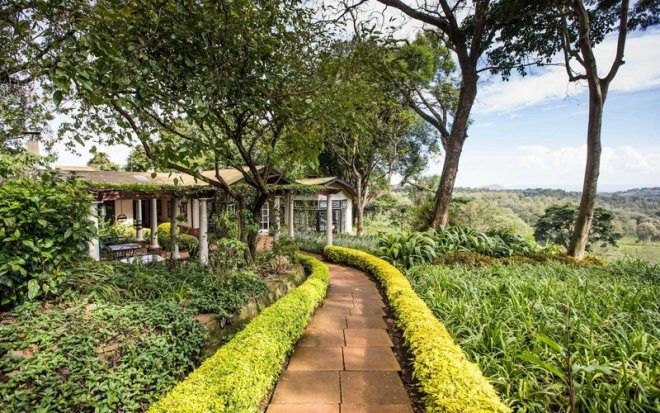
Eolo Hotel: Where Patagonia’s Wild Soul Meets Extreme Luxury
Nestled on the edge of the Perito Moreno Glacier in El Calafate, Argentina, Eolo isn’t just a hotel. It’s a statement. If you’re tracking down the most expensive hotels in the world, this is where the list usually ends. The service here defies standard comparison. You can’t really stack it up against other five-star properties because the operating logic is entirely different.
The design reflects the landscape. Glass walls dissolve the boundary between the interior and the Patagonian steppe. You aren’t just observing the ice; you’re sitting inside it. The architecture mirrors the ruggedness of the region while offering an internal sanctuary of warmth and precision.
Why travelers choose Eolo
The draw isn’t just the price tag. It’s the isolation. El Calafate is the gateway to Los Glaciares National Park, but Eolo positions itself as a destination in its own right. The cost reflects the logistical challenge of building in such a remote corner of South America. Everything arrives here. Nothing is taken for granted.
What to expect
– Location: Direct views of the Perito Moreno Glacier.
– Vibe: Minimalist, cold, intense.
– Service: Invisible until needed.
– Cost: Among the highest in South America.
Is it worth the premium? For many, yes. The experience of watching calving ice from a heated lounge chair while sipping Argentine wine is a rarity. It captures the spirit of Patagonia without the bite of the wind.
The hotel operates seasonally. Booking requires planning months ahead. During the peak summer months, availability vanishes quickly. Winter brings solitude, but also harsher weather patterns that can restrict outdoor activities.
Travelers often ask how to balance the high cost with the actual experience. The answer lies in the immersion. This isn’t a stopover. It’s a pilgrimage to the edge of the ice. The staff anticipate needs before you voice them. The food highlights local ingredients with technical precision. The rooms are spacious, designed for silence and observation.
Some find the atmosphere too austere. The lack of clutter is intentional. It forces you to look outward. To the glacier. To the sky. To the vast, empty plains. It’s not a place for parties or noise. It’s for reflection.
For those who can access it, Eolo offers a perspective on nature that standard tourism rarely provides. You see the scale of the ice. You feel the age of the landscape. The luxury serves as a buffer, allowing you to engage with the wild without being consumed by it.
The question remains whether the isolation is a feature or a flaw. It depends on what you seek. Comfort? Yes. Connection to the earth? Also yes. But you pay for the privilege of witnessing something raw, framed by the finest hospitality imaginable.
The ice moves. Slowly. Inevitably. The hotel stands firm against it. A testament to human ingenuity in one of the most unforgiving environments on the planet.
You leave with more than memories. You leave with a sense of scale that lingers. The world feels larger. And smaller. All at once.
This isn’t for everyone. It never is. But for the right traveler, it’s unforgettable.
The Perito
Six Senses Douro Valley: A Lamego Sanctuary in the Vineyards
You are perched above the world here. Not metaphorically.
Six Senses Douro Valley sits on a steep hillside in Lamego, Portugal, where the air is thinner and the views are aggressively beautiful. This isn’t just a hotel. It is a restored 19th-century manor house that has been gutted and rebuilt into a modern retreat, yet it still breathes with the history of the land.
The location is the hook. You are in the heart of the Douro Valley, a UNESCO World Heritage site. From the terrace, you see the terraced vineyards cascading down toward the river like green staircases. The Douro River winds below, a silver ribbon cutting through the rock. It is the kind of view that makes you pause your phone recording and just stand there for a minute.
But the property itself is the real draw.
The spa is legendary. Not because it is flashy, but because it is designed for deep restoration. Think of treatments that target jet lag, wine fatigue, or just the general noise of modern life. The facilities are extensive. You can spend hours here without stepping foot in the room.
Then there is the pool. It is an infinity pool, yes, but the design creates a specific optical illusion. The edge blends so perfectly with the valley below that it feels like you are floating in mid-air. The “mirror effect” they advertise isn’t marketing fluff. It is genuine.
Wine is the local currency. Tastings are not an add-on; they are the main event. You will taste the region’s famous Port wine and the lighter, crisp Douro whites and reds. The estate has its own vineyards, so the connection to the glass in your hand is direct.
If you are planning a trip to Lamego, this is the anchor.
It is expensive. You know the drill. But for the combination of architecture, location, and the sheer scale of the spa, it holds up. The terraces are best at sunset. The light turns the vines gold. The river turns copper.
Why come here?
Because the Douro Valley can feel chaotic with tour buses and crowded tastings. This place offers an exit. A quiet hill. A place to watch the vineyards change color from green to amber as autumn sets in.
The manor’s history dates back centuries, but the current iteration feels new. Sharp edges. Clean lines. Large windows that frame the landscape like paintings.
Pack light. Leave the stress at the gate.
The pool water is cool. The wine is warm. The view is infinite.
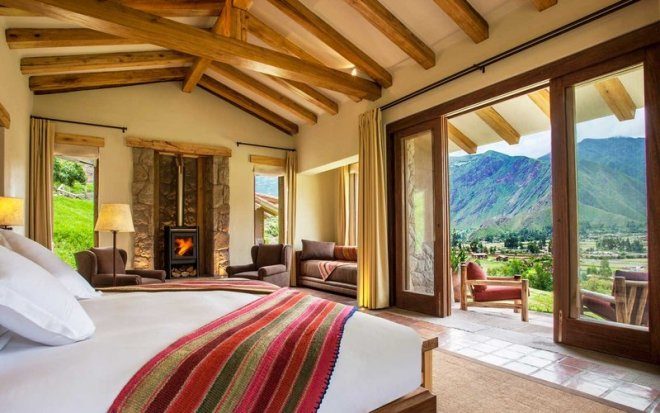
Imagine drifting off to sleep with a view of the Andes instead of a streetlight. That is the vibe at Inkaterra Hacienda Urubamba. Located in Peru’s Sacred Valley, this isn’t just a place to crash; it’s a deliberate slow-down.
The property sits high above the Urubamba River. You can hear the water rushing far below, a constant white-noise track for your brain. The architecture blends into the cloud forest. Wood, stone, thatched roofs. It feels less like a hotel and more like a carefully curated extension of the jungle.
Where to stay in the Sacred Valley for nature lovers
If you are weighing where to stay in the Sacred Valley for nature lovers, this spot competes with the big resorts in Aguas Calientes. But it offers something different. Less crowded. More integrated.
The rooms are spacious. Many feature private terraces. Some even have plunge pools. The bedding is heavy, local cotton. The air is thin and crisp. You wake up to mist clinging to the canopy.
Why choose an eco-lodge in Peru’s Sacred Valley
Travelers often ask why choose an eco-lodge in Peru’s Sacred Valley over a city hotel. The answer is the access. You are minutes from the archaeological sites of Ollantaytambo and Pisac, but you return to silence. The lodge manages its own reserve. You can hike trails that don’t see the foot traffic of Machu Picchu.
Birdwatching is huge here. You might spot the Andean cock-of-the-rock. Or the elusive Spectacled Bear. The staff includes local guides who know the flora better than most botanists.
How to book a stay at Inkaterra Hacienda Urubamba
Booking this place requires planning. It is not a walk-in destination. How to book a stay at Inkaterra Hacienda Urubamba involves checking availability early, especially during the dry season from May to September. The views are the selling point. Rooms facing the valley command a premium.
Costs vary. A standard room starts around $300 per night. Suites go higher. But you get the pool. The spa. The restaurant that sources ingredients from the on-site organic garden.
The trains to Machu Picchu leave from nearby Ollantaytambo. You can take a taxi or the lodge shuttle. It takes about 20 minutes. You spend the day at the ruins. You come back to the quiet. The contrast is the point.
Is it worth the price? For some, yes. For others, it’s just expensive wood and stone. But the silence? That is hard to put a price on. You lie there. You listen. The river keeps going.
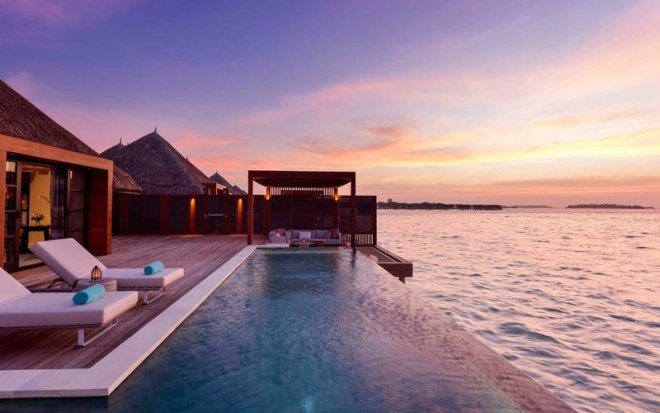
Why Four Seasons Kuda Huraa is the Fastest Luxury Escape in the Maldives
If you are tired of spending half your vacation in transit, this is where you land. The Four Seasons Resort Maldives at Kuda Huraa isn’t hiding on a remote aton. It sits on its own coral island, designed to look and feel like a traditional Maldivian village, but with the polished edges of a high-end garden estate. You can be sipping your first drink in the sun, just thirty minutes after touching down at Malé International Airport. That is the real draw. No seaplane waitlists. No long boat rides through the dark. Just a quick speedboat hop and you are there.
The location works for more than just convenience. It offers year-round access to swimming, surfing, and diving. While many resorts are seasonal, Kuda Huraa keeps its waters active regardless of the month. The coral island setting means the marine life is accessible right from the shore in some spots, and the house reef is healthy enough for serious diving enthusiasts.
It is a garden-style property, which sounds soft until you realize it means lush landscaping wraps around the villas. You get that sense of seclusion without actually being isolated from the rest of the world. For travelers who want to maximize their days underwater and minimize the time spent in a seat, this is the logical, luxurious choice. It does not promise a rugged adventure. It promises comfort, fast, and clear water.
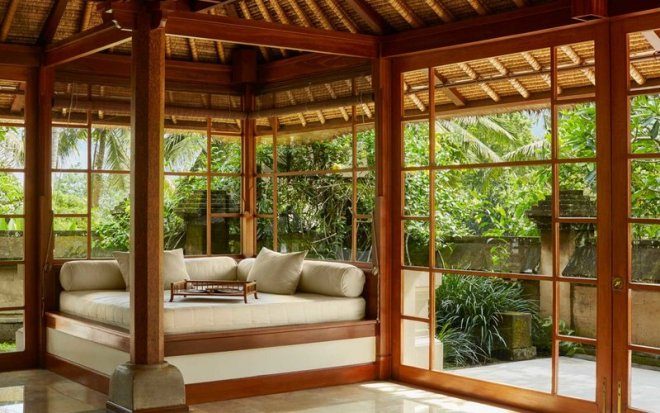
Staying Close to the Stone: Oberoi Amarvilas
**
If you want to stand on the same ground the Mughals did, skip the chaotic hotels near the railway station. Go for Oberoi Amarvilas, Agra, India. It sits exactly 600 meters from the Taj Mahal. That is not a typo. That is a walk you can take in ten minutes without breaking a sweat or dodging a rickshaw.
**
The View from Your Room
Most luxury hotels sell you a “view” of a distant dome. Here, you sleep with the monument in your peripheral vision. The rooms are modern. Flat-screen TVs. Crisp linens. Five-star polish. But the real luxury is silence. You are close enough to hear the echo of history, but far enough to escape the tourist crush.
**
Why This Matters for Your Trip
Travelers often ask where to stay in Agra for a Taj Mahal sunrise. The answer is usually “too far to walk.” Oberoi Amarvilas changes the logistics. You can step out at 5:30 AM. The light hits the white marble in a specific way—pink, then gold, then white. You can catch it from the hotel terrace or walk the short distance. No rush. No panic. Just you and the stone.
**
Is It Worth the Price?
Yes, if you value time and tranquility. Agra is loud. It is hot. It is busy. This hotel is a controlled environment. You get air conditioning that actually works. You get staff who anticipate needs before you voice them. It is not just a place to sleep. It is a buffer.
**
Practical Details
- Location: 600 meters from the Taj Mahal entrance.
- Room Feature: Flat-screen TVs in every unit.
- Vibe: Quiet luxury. No street noise.
- Best For: Couples wanting a romantic, stress-free sunrise experience.
**
You do not need to shout to appreciate beauty. Sometimes, you just need to be quiet enough to hear it.
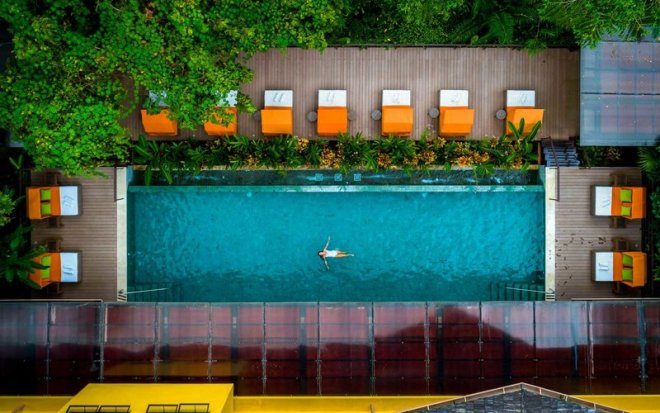
Why Nayara Springs Is the Ultimate Arenal Retreat
You’re only seven kilometers from the bustle of La Fortuna, but step onto the grounds of Nayara Springs and the noise just vanishes. This isn’t a resort for families or large groups. It’s an adults-only boutique hotel tucked deep into the tropical rainforest, where the air smells like wet earth and orchids. If you are looking for a place to unwind after hiking the Arenal Volcano trails, this is it.
The property is famous for its natural hot springs. You don’t need to travel to find thermal waters; they bubble up right on the property. The pools are fed by the volcano’s heat, offering a mix of heated and cooler sections. It’s the kind of place where you soak until your fingers prune, watching toucans fly overhead.
Accommodations here lean toward luxury but keep a rustic charm. Many rooms feature private plunge pools or direct access to the gardens. The service is attentive without being intrusive. You’re not just booking a bed; you’re booking an experience in the heart of Costa Rica’s most active volcanic zone.
Key Details for Travelers:
– Location: 7 km from La Fortuna town center
– Type: Adults-only boutique hotel
– Vibe: Secluded, romantic, nature-immersed
– Main Draw: Volcanic hot springs and rainforest setting
It’s pricey, sure. But when you’re lying in a heated pool with steam rising around you and the volcano looming in the distance, the cost feels less like an expense and more like an entry ticket to paradise. Just remember to pack bug spray. The rainforest doesn’t care that you’re in luxury mode.
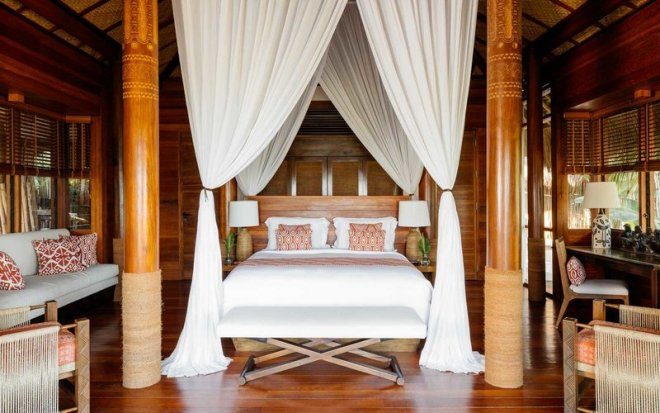
Why Temple House Fits the Chengdu Itinerary
Skip the generic business hotels. If you want to sleep in the heart of the chaos, look at Temple House, Chengdu.
The location is the main selling point. It sits right on Chunxi Road. This is the main pedestrian street. It is loud. It is crowded. It is where the city happens. The hotel is nestled just beside the Daci Temple. You get the spiritual quiet of the temple grounds, then step outside into the neon glare of shopping and street food. That contrast is the point.
Modern Comforts with a Traditional Twist
The rooms don’t look like ancient palaces. They are modern. Clean lines. Efficient spaces. But they avoid feeling sterile. Designers added subtle Chinese touches. You see it in the woodwork. The color palettes. The attention to detail that says “this isn’t just a box to sleep in.”
They offer two types of accommodations:
– Standard modern rooms
– Serviced apartments
Need a kitchenette? Take the apartment. Want a quick night out? The standard room puts you closer to the action. Both options keep you within walking distance of the best tea houses and late-night snack stalls in the district.
How to Get There and What to Expect
Getting there is easy. The nearest subway station is on Line 2 or Line 3. It’s a short walk from there, but the walk from the station to the hotel takes you right through the commercial hub. You’ll see the crowds, the lights, the energy. It sets the mood for your trip.
Prices vary by season. Book in advance during holidays. Chinese New Year and Golden Week see spikes. Otherwise, it’s mid-range for the location. You are paying for the address as much as the room.
Is it worth it? If you hate being in the center of the city, no. If you want to feel the pulse of Chengdu without digging through trash in an alleyway, yes. The Daci Temple is a cultural anchor. The Chunxi Road is a shopping beast. Temple House sits in the middle. It’s practical. It’s central. It’s a smart base for exploring the Sichuan capital.
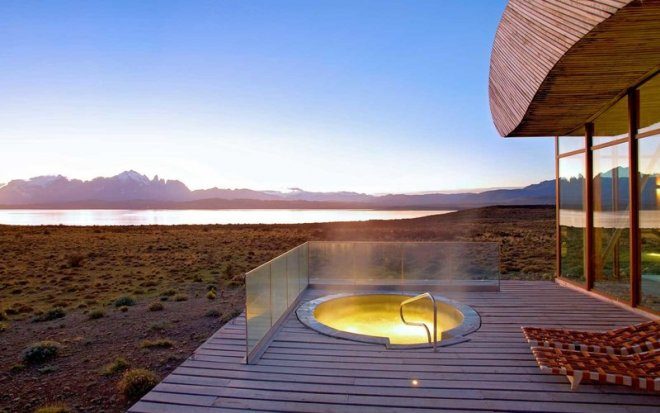
Mulia, Bali, Indonesia
If you are looking for a base that balances island accessibility with resort comfort, Mulia in Bali fits the bill. It sits in the Nusa Dua district, which is basically Bali’s polished, upscale enclave. The location is pragmatic. You are five kilometers from the beach—just enough distance to avoid the humidity and noise, but close enough to walk over if you feel like it. Six kilometers away sits the Pasifika Museum, a good spot to kill a morning if you want culture without the crowds. The Bali International Convention Centre is also six kilometers out, handy if your trip involves business or major events.
Ngurah Rai International Airport is the closest point of entry. It’s only ten kilometers away. That’s a fifteen-to-twenty-minute drive depending on traffic, which in Bali can be anything from light to gridlock. You want to factor that into your transport budget. Grab or Gojek will handle the ride, but having a driver for the day is often smoother if you’re hopping between venues.
Staying here means you are in the heart of the tourist infrastructure. You won’t be wandering through rice paddies or fishing villages from your doorstep. You’ll be near hotels, clubs, and high-end shops. Is that a drawback? Maybe, if you’re chasing raw, untamed Bali. But if you want reliable Wi-Fi, air conditioning, and a pool that doesn’t dry up by noon, this is the place. The trade-off is the vibe. It’s curated. Clean. Safe. You can always venture out, but the immediate surroundings are designed for relaxation and convenience, not adventure. Just remember: Bali traffic is real. Ten kilometers can take an hour. Plan accordingly.
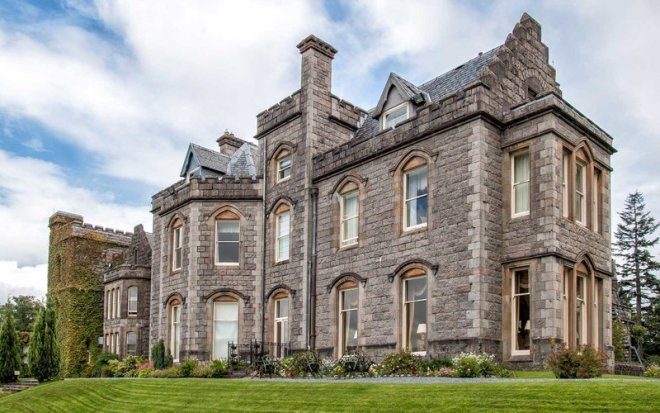
Inverlochy Castle Hotel: A Highland Sanctuary Near Fort William
It sits in the West Highlands where the light actually does something different. Inverlochy Castle Hotel in Torlundy isn’t just a place to sleep; it’s a 19th-century structure that has earned its stripes as an award-winning luxury destination. You are far enough out to hear the silence, but close enough to Fort William’s center to grab a pint if you want—only 6.4 km away.
The draw here isn’t just the history. It’s the view. The location frames the rugged beauty of the Highlands in a way that feels intentional. You check in, drop your bags, and realize the rest of the trip is secondary to this specific patch of earth. The hotel and its restaurant have built a reputation on handling the details so you don’t have to.
“It’s about letting the landscape dictate your pace.”
Why go here? Because some travelers need a base that feels like a retreat rather than a transit hub. It’s convenient for accessing the wider region, yet insulated. You get the accolades without the chaos. The balance between accessibility and isolation is rare.
If you’re planning a trip to Scotland and looking for luxury accommodations with historical charm, Inverlochy Castle Hotel fits the bill. It’s a solid choice for those who want to ground their Highlands itinerary in comfort.
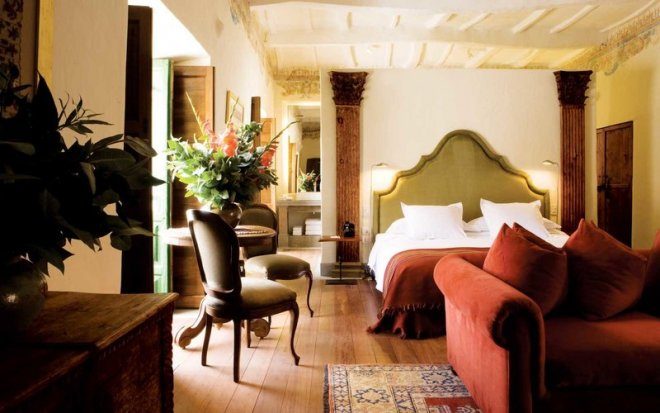
A Stay That Feels Like Walking Through History
You don’t just book a room at Inkaterra La Casona ; you step into a preserved slice of colonial Cusco. This isn’t a generic chain hotel with a local name slapped on the door. It is a meticulously restored, four-century-old mansion that sits quietly in the heart of the city, far enough from the chaotic Plaza de Armas to breathe, but close enough to walk everywhere.
The architecture does the heavy lifting here. You are housed within a structure that has survived earthquakes, renovations, and the passage of time. The result is a property that feels less like accommodation and more like a private museum.
Rooms With Soul (and Marble)
The rooms are spacious, which is a luxury in narrow Cusco streets where space is at a premium. But it’s the details that matter. Expect heavy wooden doors, thick stone walls that keep the heat out (and the noise out), and marble fireplaces in the suites. Yes, fireplaces. In the tropics. They are mostly decorative, yes, but they add to the weight of the place.
The interiors lean heavily into the Spanish Colonial style. Think dark woods, wrought-iron fixtures, and artwork that doesn’t feel like it was bought in bulk from a catalog. The stone-decorated Spanish gallery is the centerpiece of the common areas. It’s a long, airy corridor lined with arches and plants, perfect for walking off the altitude sickness or just staring at the ceiling frescoes while sipping a mate de coca.
The Courtyard as a Sanctuary
The soul of the hotel, however, is the central courtyard. It’s a classic Andean patio design: open to the sky, surrounded by walkways, and usually filled with the sound of trickling water from a fountain. During the day, it’s bright and airy. At night, it’s dimly lit by lanterns, creating an atmosphere that is intimate and surprisingly quiet given the city’s energy outside its gates.
This is where the Inkaterra brand ethos starts to show. They aren’t just about luxury; they are about conservation. Part of your stay contributes to their jungle conservation projects in the Peruvian Amazon. It’s a subtle touch, not pushed in your face, but it changes how you view the space. You aren’t just consuming history; you’re helping to protect the future.
Location: The Sweet Spot
Finding Inkaterra La Casona is easy if you know where to look, and hard if you’re navigating Cusco’s grid for the first time at 11 PM. It’s located in a residential neighborhood just off the main drag. This is intentional. You get the convenience of being five minutes from the San Pedro Market and the cathedral, but you sleep in a neighborhood that locals actually use.
The best parts of Cusco aren’t always the ones on the postcard. They’re the quiet alleys and the courtyards that feel like they belong to you alone.
Practical Details for the Traveler
- Price Point: This is high-end. Expect to pay a premium for the location and the heritage. It’s not cheap, but it’s not the most expensive in Cusco either. You are paying for the building and the brand’s conservation efforts.
- **Altitude
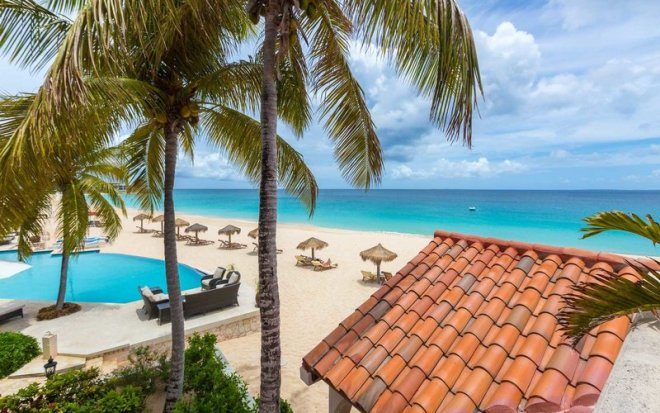
Dining at Frangipani Beach Resort
Skip the generic resort buffet trap. At Frangipani Beach Resort in Anguilla, the food scene actually has some backbone. You are not just looking at standard island fare here. The kitchen bridges two distinct culinary worlds: the warmth of the Mediterranean and the spice-heavy depth of Asian cuisine.
But the real draw? The seafood. It is fresh, local, and treated with respect.
If you want something that feels like the island itself, order the Antillean street food. These aren’t watered-down tourist snacks. They are Antilles -specific flavors—bold, spicy, and rooted in the Caribbean tradition. Think heavy on the heat, light on the pretense.
Where to eat:
* Main Restaurant: For the Asian-Mediterranean fusion. It is elevated but not intimidating.
* Beach Bar/Grill: For the street-style Antillean bites. Grab a seat under the palms.
* Private Dining: Some residences offer in-villa chefs. Worth the extra cost if you want privacy with that same Antillean flair.
Why it works:
Most Caribbean resorts play it safe. Frangipani takes a risk. The combination of Mediterranean olive oil and citrus with Asian lemongrass and ginger creates a profile you won’t find at every other beachfront hotel in Anguilla. It is not just “tropical.” It is intentional.
Logistics:
* Reservations: Book dinner slots a day in advance. The Antillean menu sells out fast.
* Price Point: Mid-to-high. But you are paying for the fusion concept and the quality of the seafood.
* Best Time: Sunset. The light hits the table just right when you are eating something spicy and cold.
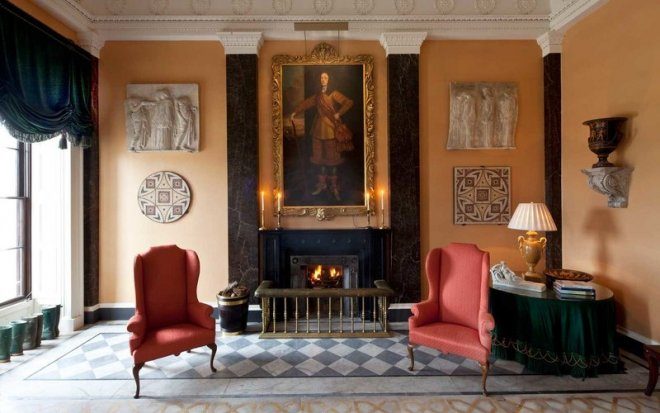
Ballyfin: Laois’ta Tarihi Bir Konak Deneyimi
Slieve Bloom Dağları’nın gölgesine saklanmış Ballyfin, İrlanda’nın Laois kontluğunda geleneksel misafirperverliğin modern bir yorumunu sunuyor. Sadece bir otel değil, tarihi dokusuyla sizi içine çeken bir konaklama noktası.
Dağların eteklerinde, sakin ve huzurlu bir atmosfer arayanlar için ideal bir adres. Burada mimari detaylar, geçmişin izlerini taşıyor. Her köşe, İrlanda’nın zengin kültürel mirasını yansıtıyor.
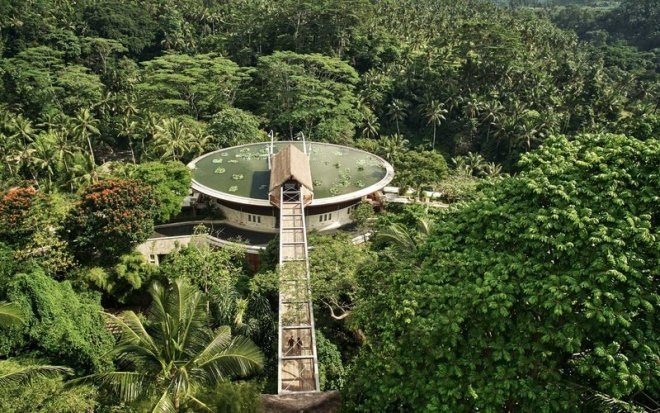
Why Sueno Hotels Deluxe Belek Is the Fresh Pick in Turkey’s Hospitality Scene
Turkey’s tourism sector is evolving, and Sueno Hotels Deluxe Belek is leading the charge. As the youngest member of the Sueno Hotels family, it brings a modern edge to an established brand known for setting industry standards. This isn’t just another resort opening; it’s a statement about where luxury travel in the Mediterranean is heading.
If you are planning a trip to the Turkish Riviera, knowing how to identify what’s new versus what’s legacy matters. Sueno Hotels Deluxe Belek offers a distinct advantage: the reliability of a mature brand combined with the amenities of a fresh build.
The Value of Being the “Youngest”
Why does age matter in hotel selection?
- Modern Amenities: Newer properties typically feature the latest in HVAC efficiency, smart room controls, and contemporary design trends. You aren’t fighting outdated infrastructure.
- Current Standards: It aligns with current health and safety protocols without retrofitting old systems.
- Brand Evolution: It represents the latest interpretation of the Sueno brand identity, focusing on what today’s travelers actually want.
What to Expect in Belek
Belek has long been Turkey’s premier golf destination, but it’s also becoming a hub for high-end family vacations. Sueno’s entry into this market targets travelers who want:
- Luxury Accommodation: Spacious suites with views of the Mediterranean or lush gardens.
- World-Class Golf: Proximity to some of the most challenging courses in Europe.
- All-Inclusive Convenience: High-quality dining and entertainment without hidden costs.
How It Compares to Older Sueno Properties
You might wonder how Sueno Hotels Deluxe Belek stacks up against its older siblings. While the service culture remains consistent, the physical experience differs. The deluxe offering in Belek is designed for those who prioritize aesthetics and technology alongside comfort. It’s less about tradition and more about experience.
Planning Your Stay
For travelers deciding on timing, Belek is accessible year-round, but spring and autumn offer the best balance of weather and crowd levels. Golfers should book tee times well in advance, especially during peak seasons.
Is it worth the premium? If you value a blend of brand trust and modern luxury, yes. The market is crowded, but a fresh entry like this often pushes the entire sector upward, benefiting all guests through better standards.
The question isn’t just where to stay, but what kind of stay you want. Sueno Hotels Deluxe Belek offers a clear answer for those who refuse to compromise on the present.
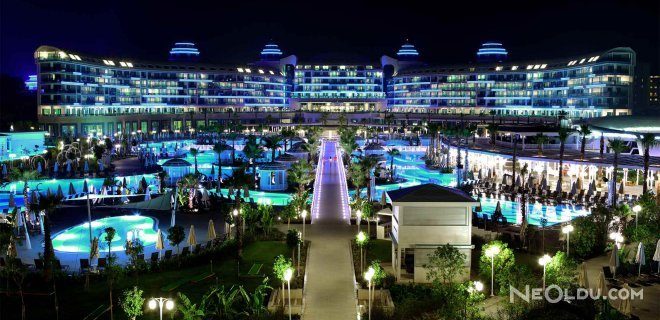

Belek’in lüks tatil haritasında, adını sıkça duyduğumuz bir isim var. Sueno Hotels Deluxe. Burası sadece otel değil, aynı zamanda haftada dört gün canlı müzikle dönen bir atmosfer. Yabancı turistlerden yerel misafirlere kadar herkesin ilgisini çeken bu nokta, “7 yıldızlı tatil” iddiasını somut adımlarla destekliyor. Peki, bu iddia pratikte nasıl işliyor?
Müşteri deneyiminin omurgası, sınırsız hizmet anlayışıyla birlikte sunulan konserler. Ebru Gündeş’den Sibel Can’a, Altay’dan Enbe Orkestrası’na uzanan bir yelpaze. Haftanın dört günü, turistin akşam rutinine müzik entegre ediliyor. Bu, standart bir otel programı değil. Sueno Ailesi, yılların verdiği tecrübeyle turizmde öncü olmayı hedefliyor.
Canlı Müzik ve Sınırsız Hizmet Dengesi
Konserlere katılmak için ekstra bilet satın almak gibi bir zorunluluk yok. Paketin içinde bu deneyim var. Sibel Can gibi efsane isimlerin performansları, akşam yemeği sonrası keyifli bir geçiş sağlıyor. Altay’ın hit şarkıları veya Enbe Orkestrası’nın canlı yorumları, ortamı gerilimden uzak, eğlenceli bir noktaya taşıyor.
Bu düzen, özellikle ailelerle veya gruplarla gelen tatilciler için büyük bir avantaj. Akşamları ne yapacağınızı düşünme derdi ortadan kalkıyor. Otel, bu boşluğu profesyonel organizasyonla dolduruyor.
Neden Belek? Neden Sueno?
Belek, Antalya’nın en pahalı ve en lüks bölgelerinden biri. Burada rekabet yoğun. Sueno, bu rekabette farklılaşmak için müziği stratejik bir silah olarak kullanıyor. Yabancı turistler için bu, kültürel bir köprü. Yerli turistler için ise tanıdık ve sevilen sanatçılarla rahat bir akşam geçirmenin garantisi.
7 yıldızlı hizmet standardı, genellikle konforlu yataklar, geniş havuzlar ve gourmet restoranlarla eşleştirilir. Sueno ise buna “duygusal değer” ekliyor. Canlı müzik, tatil anılarını kalıcı kılıyor. Sibel Can sahne aldığında, kalabalıkta统一 (birlikte) duygular paylaşılıyor. Bu, soyut bir lüks değil, somut bir anı.
Logistiki Detaylar ve Planlama
Konserlere katılım otel konaklamasıyla birlikte geliyor. Ancak, belirli zamanlama detaylarına dikkat etmek gerek. Haftada 4 gün tekrarlanan bu program, her akşam farklı bir sanatçıyla veya grupla sunuluyor. Plan yaparken otelin güncel program listesini kontrol etmek faydalı. Ebru Gündeş’in akşamı mı, yoksa Enbe Orkestrası’nın