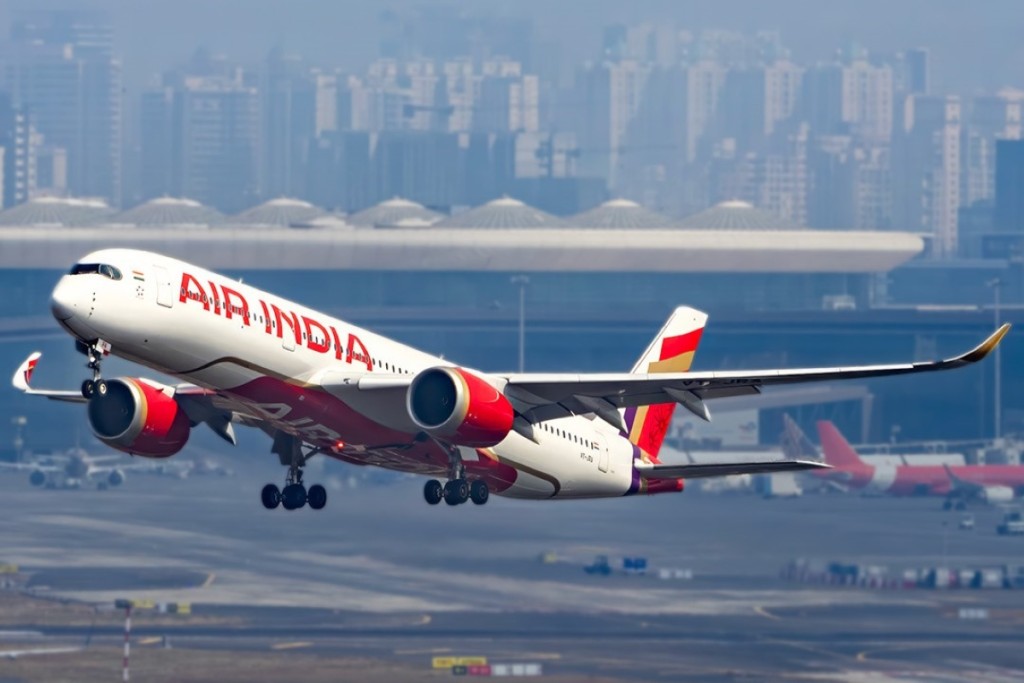
The aviation industry is currently navigating a dual challenge: the volatile cost of operating aircraft and the critical importance of seamless financial transactions. As fuel prices climb, airlines are forced to adjust their pricing models, while simultaneously realizing that the “behind-the-scenes” technology of payments is becoming a deciding factor in customer loyalty.
The Fuel Crisis: Can High Demand Offset Rising Costs?
A major shift is occurring in airline pricing strategies. Following the lead of budget carrier IndiGo, Air India has recently revised its fuel surcharges. This move is part of a broader, industry-wide struggle to manage skyrocketing operational expenses.
The central question facing the sector is whether consumer demand is strong enough to absorb these rising costs. As major players like Delta Air Lines prepare to report quarterly earnings, analysts are closely watching the impact of fuel volatility.
Key implications of rising fuel costs include:
– Margin Compression: Even with high passenger volumes, the sheer scale of fuel price increases threatens to erase profit margins.
– Pricing Pressures: Airlines are increasingly passing these costs directly to consumers through surcharges, which could eventually impact travel frequency.
– Profitability Risks: There is a growing concern that many airlines may struggle to remain profitable throughout the year if fuel prices do not stabilize.
The Invisible Hurdle: Why Payments Matter for Travel
While fuel costs affect the airline’s bottom line, payment infrastructure dictates the customer’s experience. In the modern travel landscape, the ease of a transaction is no longer a minor detail; it is a fundamental component of service quality.
A “broken” checkout process—whether through blocked transactions, confusing interfaces, or slow processing—can instantly derail a travel booking. For airlines and hospitality groups, elevating payment systems from a back-office function to a strategic priority offers several advantages:
- Enhanced Customer Experience: Frictionless payments reduce frustration during the booking process.
- Operational Efficiency: Modernized financial infrastructure streamlines reconciliation and reduces errors.
- Increased Profitability: Reliable payment gateways reduce abandoned carts and lost revenue opportunities.
The Broader Context: A High-Pressure Environment
The combination of rising costs and technological demands has created a high-pressure environment for industry leadership. Airline CEOs are currently managing unprecedented volatility, balancing the need to maintain strong demand while navigating a relentless cycle of rising overheads and the necessity for digital transformation.
The aviation industry is caught in a