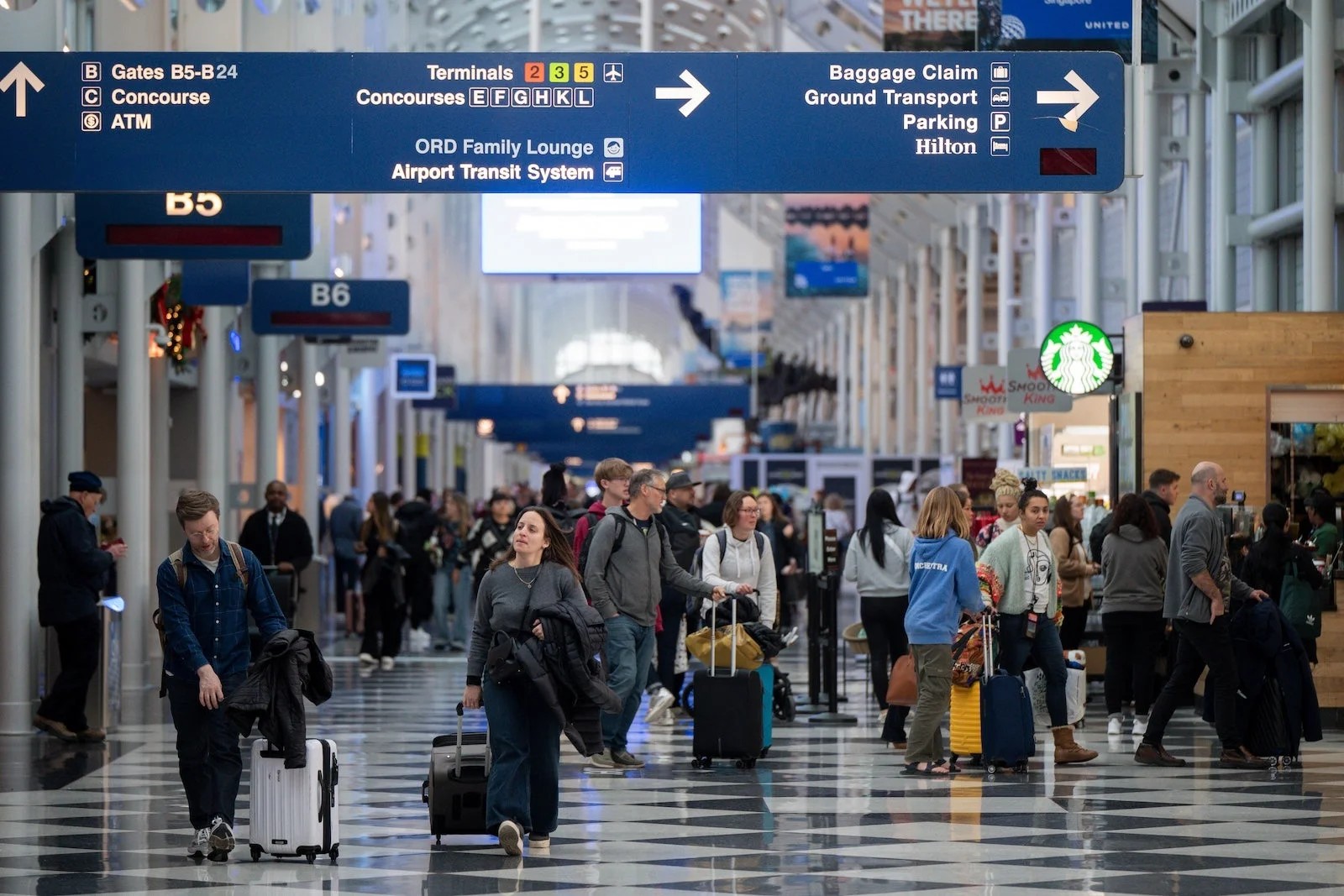
Global oil prices are rising, and airlines are passing the cost on to consumers. Fares are increasing sharply, with fuel surcharges being added to tickets and airlines admitting to raising prices across the board. This impacts travelers booking spring break trips or summer flights, as data from the past week confirms a substantial increase in fares for domestic, transatlantic, and Caribbean routes.
The Ripple Effect of Middle East Instability
The spike in airfare is directly linked to disruptions in oil transport corridors in the Middle East. The conflict in the region has led to higher oil prices worldwide, and airlines are reacting quickly. United Airlines CEO Scott Kirby predicted higher prices would take effect “probably quick” – and they have. Deutsche Bank’s airfare tracker shows significant increases since last week, with nearly every airline affected.
International Airlines Respond
The issue extends beyond the U.S. Air Canada acknowledges adjusting its pricing to reflect higher fuel costs, while Air France-KLM has doubled its fuel surcharges from 30 euros to 50 euros. Air New Zealand is cutting 4% of its planned flights in the coming weeks as a result. Airlines are already reducing flight schedules in response to rising fuel expenses.
What Travelers Should Do
Experts recommend booking summer fares immediately, especially for June and July travel. If possible, lock in fares with change flexibility or book using travel points. Consider traveling in August, when demand (and prices) typically drop.
Uncertainty and Economic Impact
The duration of these higher prices depends on how long the Middle East instability lasts. Supply chain expert Rob Handfield notes that the situation is unpredictable, potentially lasting a week or escalating further. Full-service airlines may absorb costs more easily than budget carriers due to differing consumer price sensitivity.
Rising energy prices are also impacting consumer sentiment: preliminary March data from the University of Michigan shows a nearly 2% drop in consumer confidence and a 4% decline in economic outlook. Gas prices have risen 25% in the past month, further straining wallets.
The situation remains fluid, with airlines testing how much they can pass onto customers and economic indicators showing potential strain. The coming months will reveal how global demand adapts to significantly higher energy costs.