In the traditional hierarchy of hospitality, room service has long been a cornerstone of the high-end experience. It represents convenience, privacy, and a level of “high-touch” service that defines luxury. However, a growing trend suggests that this expectation may be becoming a relic of the past.
The Royal Hawaiian Case Study
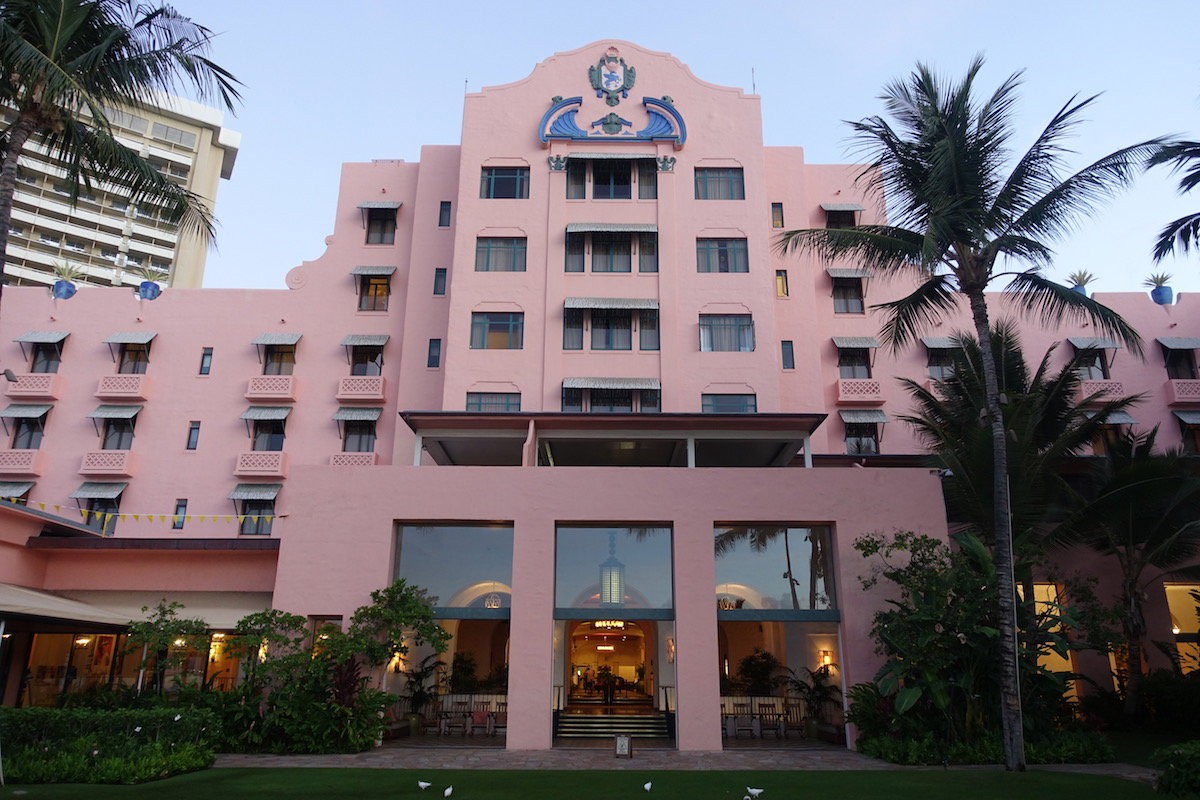
A notable example of this shift can be found at The Royal Hawaiian in Waikiki. Despite being a 528-room property within the Marriott Luxury Collection —a brand specifically positioned to cater to upscale travelers—the hotel does not offer in-room dining.
This is not a matter of limited overnight hours or reduced menus. The hotel simply lacks a dedicated room service operation entirely. Instead, guests are directed to use third-party food delivery services, which still requires them to meet couriers in the lobby. For a property positioned in the luxury tier, this creates a significant friction point in the guest experience.
Why is Room Service Vanishing?
The decline of in-room dining is not an isolated incident; it is part of a broader structural shift in the hospitality industry, particularly in the United States. Several factors are driving this change:
- The Profitability Gap: Contrary to popular belief, room service is rarely a high-margin service. Between specialized kitchen staffing, dedicated delivery personnel, and the logistical overhead of maintaining equipment, most hotels find that the service operates at a loss.
- The Post-Pandemic Pivot: During the COVID-19 pandemic, many hotels suspended room service to manage labor shortages and safety protocols. In many cases, these services were never reinstated, as hotels realized they could cut costs without a massive revolt from guests.
- Labor Shortages: Maintaining a 24/7 or even a high-quality daytime dining operation requires a reliable, skilled workforce. In many tourist hubs, such as Waikiki, finding and retaining staff for these specific roles has become increasingly difficult and expensive.
The Luxury Paradox
The absence of room service raises a fundamental question about the definition of “luxury” in the modern era.
The core value proposition of a luxury hotel is frictionless service. A guest pays a premium price not just for a high-quality bed, but for the ease of having their needs met without effort. When a hotel requires a guest to navigate third-party apps or walk to a lobby to retrieve a meal, that sense of seamlessness is broken.
If a brand claims to offer a “luxury” experience but lacks the infrastructure to provide basic in-room dining, it suggests a disconnect between marketing promises and operational reality.
Conclusion
The disappearance of room service marks a transition from service-oriented hospitality to efficiency-driven management. While cost-cutting may improve a hotel’s bottom line, it risks eroding the very premium experiences that justify luxury price tags.