The travel industry is undergoing rapid change, with airlines and hotels alike reassessing their tech strategies. The current wave of AI integration isn’t just about adding tools – it’s about fundamentally rebuilding platforms to handle personalized experiences and proactive operations.
Airlines Focus on Core Infrastructure
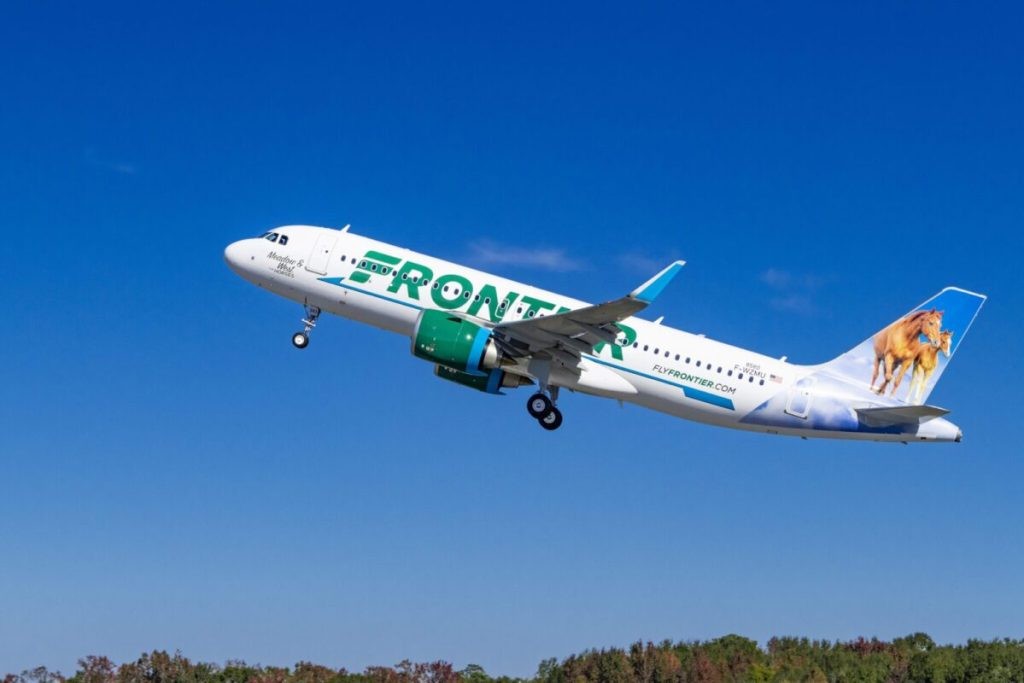
Frontier Airlines’ new CEO is prioritizing profitability through strategic tech investments. The focus isn’t solely on flashy AI add-ons, but on solidifying the airline’s core systems to enable smoother, scalable personalization. The launch of in-flight Wi-Fi is a key part of this strategy, as it provides a direct channel for data collection and targeted offers.
This shift highlights a broader trend: airlines recognize that true AI effectiveness requires modern, adaptable backends. Simply layering AI onto outdated systems won’t deliver the same results.
Measuring TV Ad Impact on Travel Bookings
Comcast is partnering with Adara to directly link TV advertising spend to travel bookings. This collaboration is significant because it addresses a long-standing challenge in the industry – proving the ROI of TV ads. If successful, it could reshape how travel marketers allocate budgets, moving away from broad reach and toward verifiable conversions.
The effectiveness of this approach will depend on scaling: can it accurately track bookings across diverse channels and platforms? This is a key question for travel brands considering similar investments.
India’s Digital Payments Influence Global Travel
Indian travelers are driving global demand for digital payment integration in travel. The industry is now adapting to cater to their preferences, rather than expecting them to adjust to legacy systems. This signals a broader shift in power, as emerging markets dictate standards for convenience and accessibility.
This trend underscores how travel tech must evolve to meet diverse consumer expectations.
AI Risk and Direct Booking Concerns for Hotels
Marriott and Hilton’s legal teams are preparing for a future where AI platforms could disrupt direct booking models. Currently, AI isn’t charging hotel commissions, but that could change as these platforms gain influence. The concern is that AI could become the next dominant gatekeeper in travel distribution, potentially bypassing traditional hotel booking channels.
This proactive legal preparation suggests hotels anticipate AI’s role expanding beyond customer service to revenue control. The industry is bracing for a potential power shift in how bookings are managed.
In conclusion, the travel sector is witnessing a convergence of infrastructure upgrades, data-driven marketing, and AI-