The airline industry is undergoing rapid change, driven by technology, economic pressures, and increasingly severe weather events. Here’s a breakdown of key trends and recent developments:
Green Fuel Adoption Stalls Amid Cost Concerns
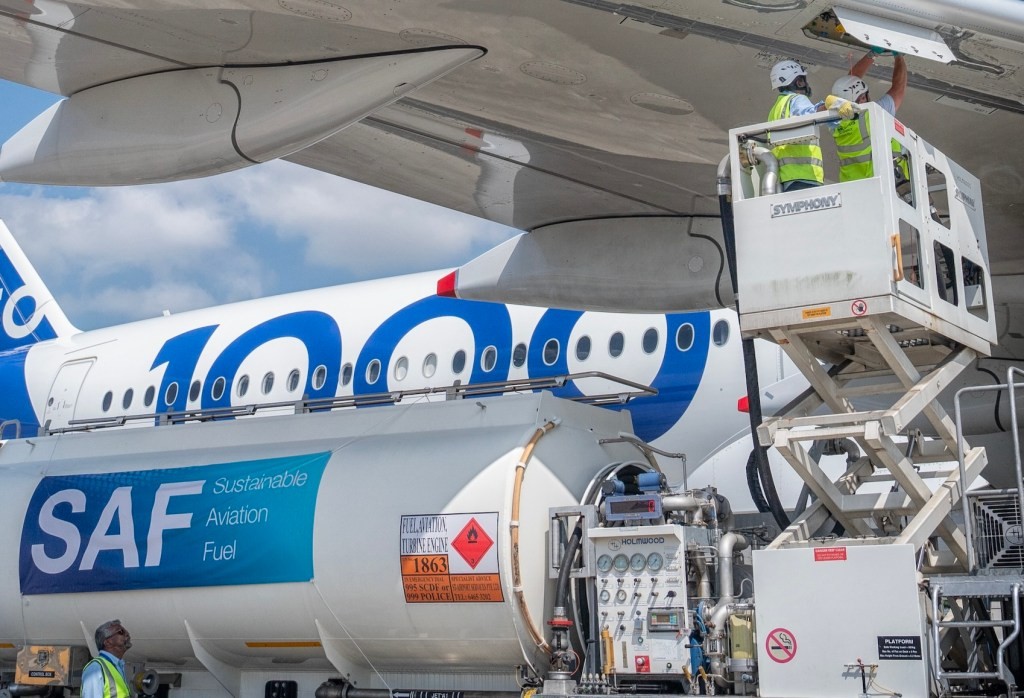
TotalEnergies CEO Patrick Pouyanné has publicly stated that airlines are the primary obstacle to wider adoption of sustainable aviation fuel (SAF). The core issue is price: airlines are reluctant to pay the premium required for SAF, even as pressure mounts from regulators and environmental groups. This resistance isn’t just about immediate costs; it also reflects a broader industry reluctance to absorb higher operational expenses unless mandated.
Why this matters: The aviation sector accounts for roughly 2.5% of global carbon emissions. Without significant SAF uptake, meeting net-zero targets by 2050 becomes increasingly unlikely. Airlines face a delicate balancing act between profitability and sustainability.
AI-Driven Transformation: Beyond Surface-Level Implementation
Airlines are aggressively exploring artificial intelligence, but true innovation requires a fundamental overhaul of legacy systems. Simply adding AI tools to outdated infrastructure yields limited benefits. The most successful deployments will involve rebuilding operational foundations with AI at their core.
This means: airlines can leverage AI for proactive maintenance, dynamic pricing, personalized customer experiences, and streamlined operations. The challenge is not just technological, but also organizational – retraining staff and adapting workflows to maximize AI’s potential.
Winter Storm Disruptions: A Recurring Crisis
A major winter storm has already caused over 10,000 flight cancellations across the U.S., with disruptions expected to continue into Monday. This highlights the industry’s vulnerability to extreme weather events – a problem exacerbated by climate change. Airlines have become better at anticipating and managing these disruptions, but passenger inconvenience remains unavoidable.
The long-term trend: Severe weather events are becoming more frequent and intense, forcing airlines to invest in more resilient infrastructure and improved forecasting models.
Leadership Insights: The Evolution of Travel Platforms
Former Priceline CEO Brett Keller observes that the AI revolution will follow historical patterns of platform disruption. His 26 years in the industry suggest that successful adaptation requires embracing fundamental shifts rather than incremental adjustments.
Keller’s insight: Major changes are inevitable, and airlines that resist them risk falling behind. The key is to anticipate how AI will reshape travel – not just for customers, but also for internal operations.