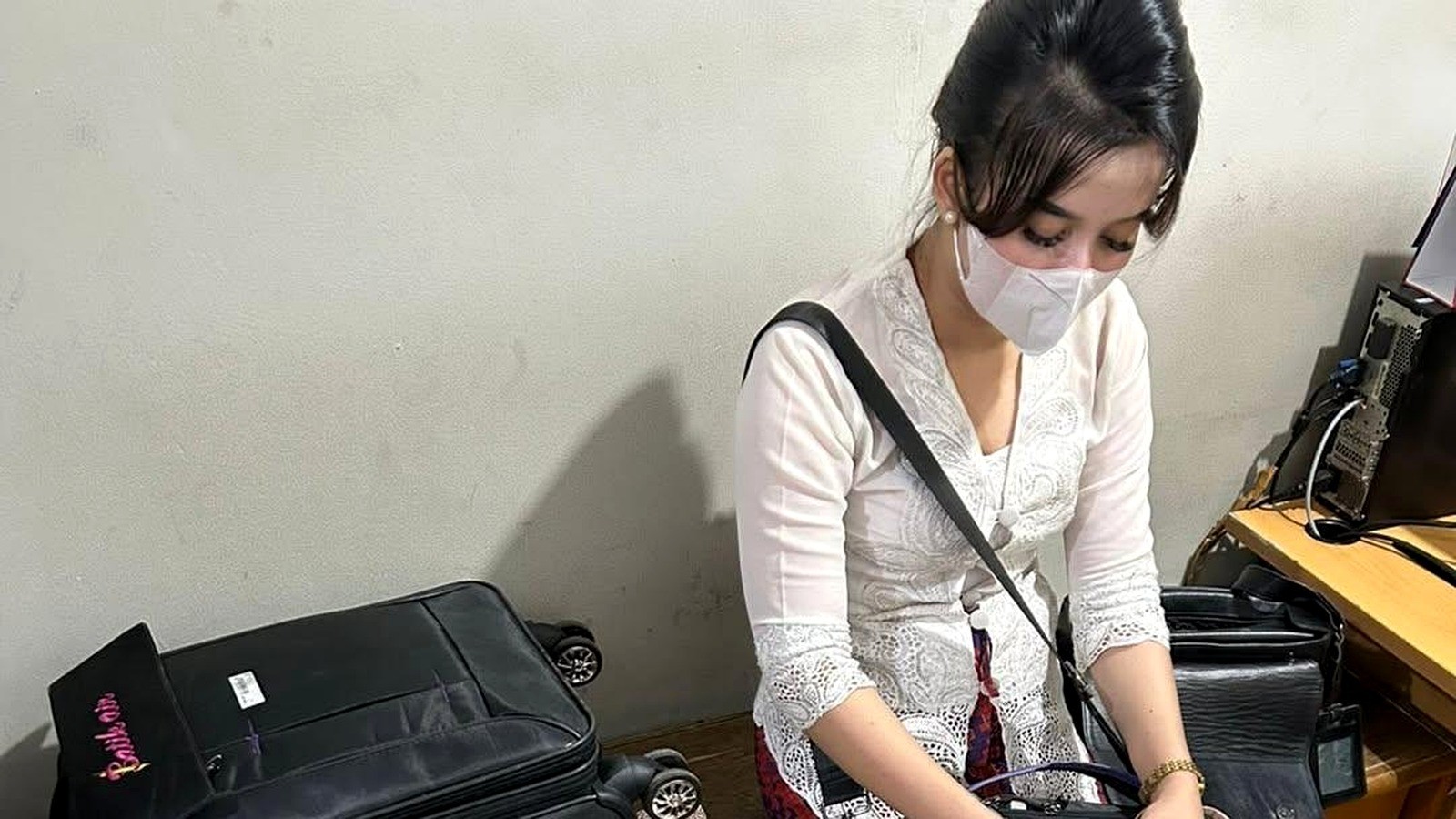
A 23-year-old woman in South Sumatra, Indonesia, fabricated her employment as a Batik Air flight attendant to deceive her family and gain access to crew-only privileges at the airport. On January 6th, she successfully boarded Batik Air flight 7058 from Palembang to Jakarta by wearing a convincing replica uniform – including a white kebaya top and matching batik skirt – and carrying a forged employee ID.
Deception at the Fast Track
The woman exploited the crew fast-track lane, typically reserved for airline staff, despite holding a valid passenger boarding pass. Her scheme unraveled when onboard crew grew suspicious of inconsistencies in her uniform and her inability to answer basic operational questions.
Social Media Ruse and Family Deception
She had been actively maintaining the illusion on social media, posting staged content to reinforce the false narrative of her employment. Her parents, unaware of the deception, regularly drove her to the airport believing she was going to work. The woman confessed she was driven by embarrassment after failing Batik Air’s recruitment process.
No Criminal Charges Filed
Police detained her upon arrival in Jakarta, seizing her uniform, fake ID, and personal belongings. Despite the elaborate ruse, authorities found no criminal intent and released her without charges. She may have been defrauded out of Rp30 million (approximately $1,781) by an individual promising illicit employment.
Context: Batik Air’s Troubled History
Batik Air, a subsidiary of Lion Air, has faced scrutiny in the past due to safety concerns. Lion Air was involved in the 2018 Boeing 737 MAX crash, which killed all 189 people on board. There have also been reports of Lion Air pilots falling asleep in the cockpit while on duty, raising further questions about the airline’s operational oversight.
This incident highlights the ease with which individuals can exploit security vulnerabilities in airport procedures. While no charges were filed in this case, it underscores the potential for more serious breaches and the need for stricter verification measures to ensure passenger and crew safety.