In the high-altitude foothills of India’s Uttarakhand state, a quiet revolution is taking place. While many mountain villages face the threat of abandonment as younger generations migrate to cities in search of work, a unique model of community-based tourism is proving that tradition and economic survival can go hand in hand.
Through the work of the social enterprise Village Ways, rural communities in the Kumaon region are transforming their ancestral landscapes into sustainable walking destinations, ensuring that their villages remain lived-in, vibrant, and economically viable.
The Challenge: Rural Flight and Vanishing Villages
For decades, the Himalayan foothills have faced a demographic crisis. As local livelihoods became harder to sustain, families moved to urban centers, leaving behind stone ruins and aging populations. This “brain drain” doesn’t just deplete the workforce; it erodes the cultural fabric of the region.
The initiative led by Village Ways—founded in 2005 by Himanshu and Manisha Pande—tackles this problem directly by creating a “low-impact” tourism model. Unlike mass tourism, which can overwhelm local infrastructure and degrade the environment, this project focuses on:
– Small-group excursions: Limiting guests to five or six at a time to protect the landscape.
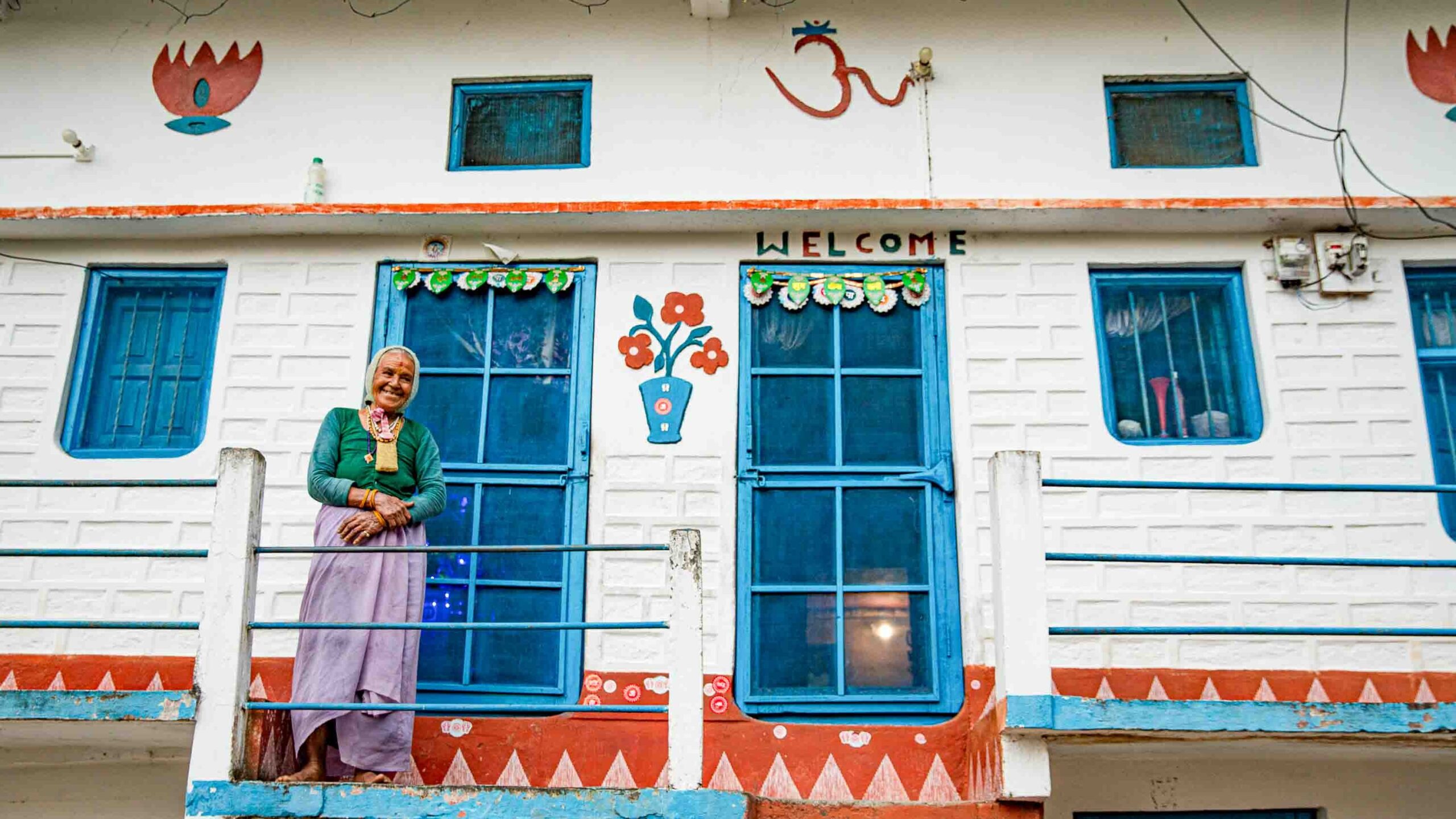
– Local ownership: Guesthouses are built, owned, and managed by the villagers themselves.
– Profit sharing: Income is distributed through Village Tourism Committees, ensuring that every household benefits from the presence of travelers.
A Model for Sustainable Development
The impact of this model is visible in villages like Kathdhara and Gonap. In areas where populations were once dwindling, the influx of tourism has provided a reason to stay.
“Initially, the villagers were reluctant… they never thought tourists would come here,” says Deepak Joshi, a senior guide trainer. “But income from the project has actually allowed them to stay.”
This economic stability is bolstered by professional training. Villagers are not just hosts; they are trained as professional guides, safety experts, and sanitation managers. This professionalization has also bridged a significant gender gap: Village Ways reports an almost even split in employment, with 49% of its 470 members being women. This empowers women to participate in the local economy while maintaining their traditional roles and community ties.
Walking Through History and Nature
The tourism experience is anchored by the Khali Estate, a historic property located within the Binsar Wildlife Sanctuary. The estate offers a bridge between the region’s complex past and its sustainable future:
- Historical Context: Originally a colonial refuge built by General Sir Henry Ramsay in the 19th century, the estate carries the heavy legacy of British rule. However, the current mission seeks to build upon the infrastructure (schools and hospitals) established during that era to foster modern self-sufficiency.
- Biodiversity: The sanctuary serves as a vital corridor for over 200 bird species, leopards, and wild boar. The walking routes through rhododendron and oak forests allow tourists to experience this biodiversity without disrupting the delicate ecosystem.
The Human Connection
Beyond the economics and the ecology, the true value of this initiative lies in cultural preservation. By inviting travelers into their homes for traditional meals—such as thali featuring local bhang ki chutney—villagers are sharing their way of life rather than merely performing it for profit.
The project has even seen a post-pandemic trend of younger people returning to rural life, drawn by the newfound employment opportunities created by the walking holiday circuits.
Conclusion
By shifting the focus from mass consumption to community empowerment, Village Ways is demonstrating that tourism can be a tool for conservation rather than destruction. This model provides a blueprint for how remote regions can embrace the modern world without losing their soul.