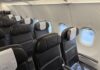
A SkyWest flight operated as Delta Connection flight 4279 from Salt Lake City to St. George, Utah, was held on the ground Thursday night while awaiting late-arriving passengers. However, passengers allege that the primary reason for the delay was to accommodate the daughter of SkyWest CEO Russell Childs, with one upgraded traveler being forced to give up their first class seat.
The Incident: A Delayed Flight and a Downgraded Passenger
According to reports, the flight crew announced the delay was due to a request from their “boss,” prompting confusion and frustration among passengers. One passenger, Jay Leishman, who had been upgraded to first class, was asked to return to his original seat when the CEO’s daughter arrived. Leishman stated that crew members appeared uncomfortable and repeatedly apologized for the inconvenience.
The flight ultimately departed 53 minutes late. Passengers claim airline staff confirmed that the delay was specifically to accommodate the CEO’s daughter.
SkyWest’s Response and Conflicting Statements
SkyWest initially acknowledged holding the flight for late connecting passengers, citing operational allowances and weather delays on the East Coast. The airline stated the delay was due to “several late connecting customers” and apologized for the prolonged wait. However, SkyWest refused to confirm the identity of the late-arriving passenger, only stating that the delay impacted “more than one customer.”
A History of Executive Privilege
This incident echoes a similar case from 1999 involving then-Delta CFO Warren Jenson. A flight from Atlanta was held for 24 minutes to ensure his children could board, allegedly at the expense of paying passengers in first class. Jenson later apologized and voluntarily relinquished his flying privileges for six months before departing Delta for Amazon.
Implications and Consumer Concerns
The incident raises questions about the preferential treatment given to airline executives and their families, potentially at the detriment of paying customers. While airlines may prioritize certain passengers under specific circumstances, this case highlights a perceived abuse of power that erodes trust in the industry.
The events underscore the challenges in balancing operational flexibility with fairness and transparency in air travel. Passengers are left questioning whether their comfort and convenience are secondary to the privileges afforded to those in positions of authority.