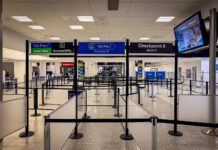
The ongoing partial government shutdown, specifically affecting the Department of Homeland Security (DHS), is now causing significant disruptions at major airports across the United States. As TSA screeners work without guaranteed paychecks, absenteeism is rising, leading to dramatically increased wait times for travelers. This situation highlights the immediate and tangible consequences of political gridlock, extending beyond budgetary debates to directly impact everyday citizens.
Rising Wait Times at Key Airports
Reports indicate that wait times at security checkpoints have surged in several major hubs. Atlanta, New Orleans, and both Houston airports (Hobby and Intercontinental) are experiencing delays exceeding one hour. Charlotte Douglas International Airport is also seeing lines stretch up to 47 minutes. These extended wait times are not merely an inconvenience; they create logistical problems for travelers, potentially leading to missed flights and broader travel disruptions.
Political Standoff and Demands
The shutdown stems from a dispute between Democratic congressional leaders (Hakeem Jeffries and Chuck Schumer) and the administration over DHS funding, specifically tied to immigration enforcement policies. Democrats have outlined ten demands for ending the shutdown, including:
- Judicial warrants for entering private property: Ensuring due process before immigration enforcement actions.
- Transparency in enforcement: Requiring visible identification for immigration agents and banning masks during operations.
- Restrictions on enforcement locations: Prohibiting enforcement near sensitive areas like schools, hospitals, and polling places.
- Anti-profiling measures: Explicitly banning racial profiling based on ethnicity, language, or location.
- Accountability and oversight: Implementing body cameras, statutory use of force rules, and expanded training for agents.
Escalating Tensions and Concessions
While the administration has made some concessions – including ramping down enforcement in Minnesota and removing DHS Secretary Kristi Noem (partly due to unrelated personal scandals) – Democrats insist these are insufficient. The key sticking points remain immigration enforcement protocols, with Republicans reportedly unwilling to budge on issues like warrants, ID requirements, and limitations on enforcement locations.
The situation has escalated because the shutdown initially impacted less visible parts of the government. With airport security now affected, the issue has gained urgency as it directly impacts a broad public. This pressure may be the catalyst for a deal, but neither side has yielded significantly enough to break the deadlock.
Conclusion
The DHS shutdown is no longer an abstract political debate. The rising chaos at airports demonstrates the real-world consequences of government dysfunction, and underscores the need for immediate compromise to restore essential services and prevent further disruptions. The standoff is a clear example of how policy disagreements can translate into tangible hardships for travelers and employees alike.