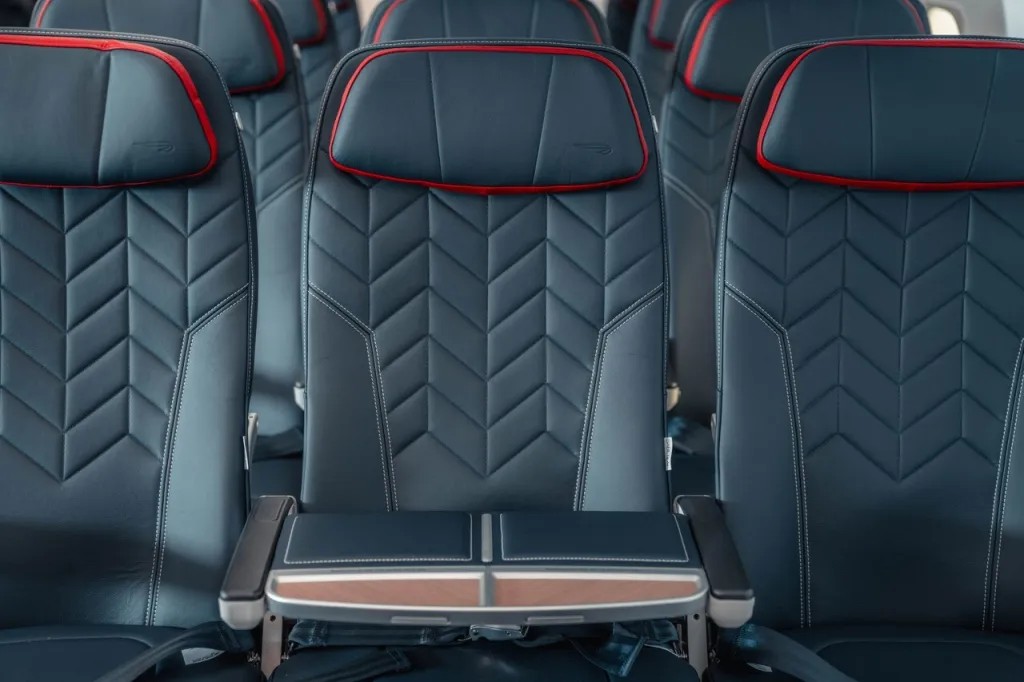
European airlines are unapologetically maintaining a premium cabin experience that many outside the continent would consider an enhanced economy product. This model, often dubbed “Eurobusiness,” relies on standard economy seats with the middle seat blocked to provide extra space, yet it’s marketed and priced as full business class.
The Eurobusiness Model
The concept isn’t unique: airlines like Air New Zealand sell similar configurations on short-haul routes, and US budget carriers like Frontier offer extra-legroom options. Even some Asian low-cost airlines feature “space seats” for an added fee. However, in Europe, legacy carriers have standardized this approach, branding it as a legitimate business class offering.
Why Europe Stands Out
The key difference lies in the branding and pricing. Rather than positioning this as a premium economy option, European airlines actively sell it as business class, often at a significant markup. This approach is not diminishing; carriers are doubling down on it, even after acquisitions like Air France-KLM’s takeover of SAS.
SAS’s Shift Back to Eurobusiness
Scandinavian carrier SAS recently reverted to a traditional Eurobusiness layout, replacing previous experimental configurations. This move demonstrates a commitment to maintaining the premium model despite potential customer confusion or criticism. The practice highlights a willingness to prioritize profitability over strict cabin-class definitions.
European airlines are choosing to define business class by space rather than amenities, signaling a shift in expectations for short-haul premium travel. The persistence of this model suggests it remains profitable and acceptable to a segment of travelers willing to pay for extra space, regardless of the product’s technical classification.