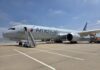
United Airlines is rolling out a new generation of Boeing 787-9 aircraft with enhanced cabin features, starting April 22 on the San Francisco-Singapore route. The upgrade prioritizes premium travel experiences while also increasing revenue potential through new upsell options.
New Cabin Configurations
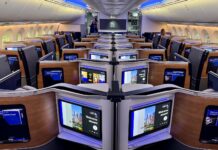
The newly delivered aircraft feature a redesigned interior including:
- 8 Polaris Studios: These exclusive bulkhead seats offer 25% more space and are positioned as a separate, premium product with caviar and wine pairing services.
- 56 Doored Business Class Suites: The business class cabin now includes fully enclosed suites (though doors are currently locked pending certification).
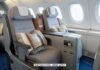
- 35 Premium Economy Seats: Offering an elevated comfort level between business and economy.
- 123 Economy Seats: Standard economy seating for the majority of passengers.
The airline plans to deploy 33 of these 787-9s by 2028, increasing capacity on long-haul routes. Some domestic flights, such as San Francisco-Houston, will test the aircraft before its international debut.
Strategic Upselling and Market Positioning
United’s move is part of a broader trend among airlines to segment premium inventory and maximize revenue from high-value passengers. The Polaris Studio represents a deliberate effort to create a higher-priced offering, competing directly with similar products on other carriers.
This strategy underscores the growing importance of ancillary revenue in the airline industry. Airlines are increasingly focused on extracting additional value from premium travelers willing to pay for enhanced comfort and exclusivity.
Legacy Fleet and Competitive Landscape
Notably, United is not retrofitting its existing fleet with these new interiors. The older Polaris seat (originally approved under previous leadership) will remain in service, putting United behind competitors like Delta and American Airlines in terms of overall business class quality.
The decision to focus on new aircraft rather than upgrading the legacy fleet suggests a calculated bet on attracting new premium customers rather than directly addressing existing complaints. This approach may accelerate the shift towards a two-tiered system where older planes serve cost-conscious travelers while the latest models cater to luxury demand.
The new United 787-9 interiors closely resemble American Airlines’ Flagship Suite on its 787-9P, indicating industry convergence on fully enclosed business class seating. However, United’s version features slightly higher premium density, suggesting a willingness to prioritize revenue over maximizing space per passenger.
The launch of these upgraded aircraft reinforces the trend towards segmented cabin classes and strategic upsell opportunities within the long-haul travel market.