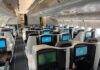
United Airlines is introducing a new fleet of Airbus A321neo aircraft, dubbed ‘Coastliner,’ specifically designed for premium transcontinental routes between Newark, Los Angeles, and San Francisco. This move represents a shift towards higher-fare passengers over pure capacity, even as it reduces overall seating.
Premium Cabin Configuration
The new Coastliner planes will feature a reduced total seat count compared to existing configurations. Each aircraft will have:
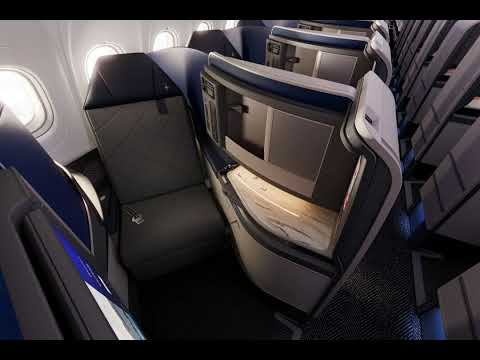
- 20 Polaris business class suites: Lie-flat seating designed for long-haul comfort.
- 12 Premium Plus seats: An enhanced premium economy option.
- 129 economy seats: A significantly smaller coach cabin than many current United transcontinental planes.
Notably, United has removed seats to accommodate a dedicated snack bar, a feature aimed at improving passenger experience but further reducing capacity. The first planes enter service this summer, with a projected rollout of 40 out of 50 by early 2028.
Competitive Lounges, Controversial Seating
United’s decision to include Polaris lounge access for business class passengers aligns the airline with competitors Delta and American. Polaris lounges are generally considered superior to American’s Flagship lounges, though they lag behind Delta One in terms of space and amenities. However, this addition will likely exacerbate overcrowding issues, as the lounges were already strained during peak hours.
The business class seating configuration—a herringbone layout with seats facing away from the window—is a point of contention. While well-received by JetBlue customers, it has been criticized by American Airlines passengers on similar aircraft.
Capacity Reduction and Fare Strategy
This fleet refresh does not increase capacity on these routes; in fact, it reduces it. Fewer premium and coach seats mean United is betting on higher fares to offset the loss of potential revenue. The cost per passenger will likely increase, even as individual trip costs fall, suggesting a deliberate strategy to attract high-paying travelers.
United’s Coastliner fleet is a clear signal that airlines are prioritizing revenue per passenger over sheer volume, even if it means sacrificing seats. This trend reflects a broader industry shift towards premiumization, where airlines are betting that higher fares will outweigh the impact of reduced capacity.