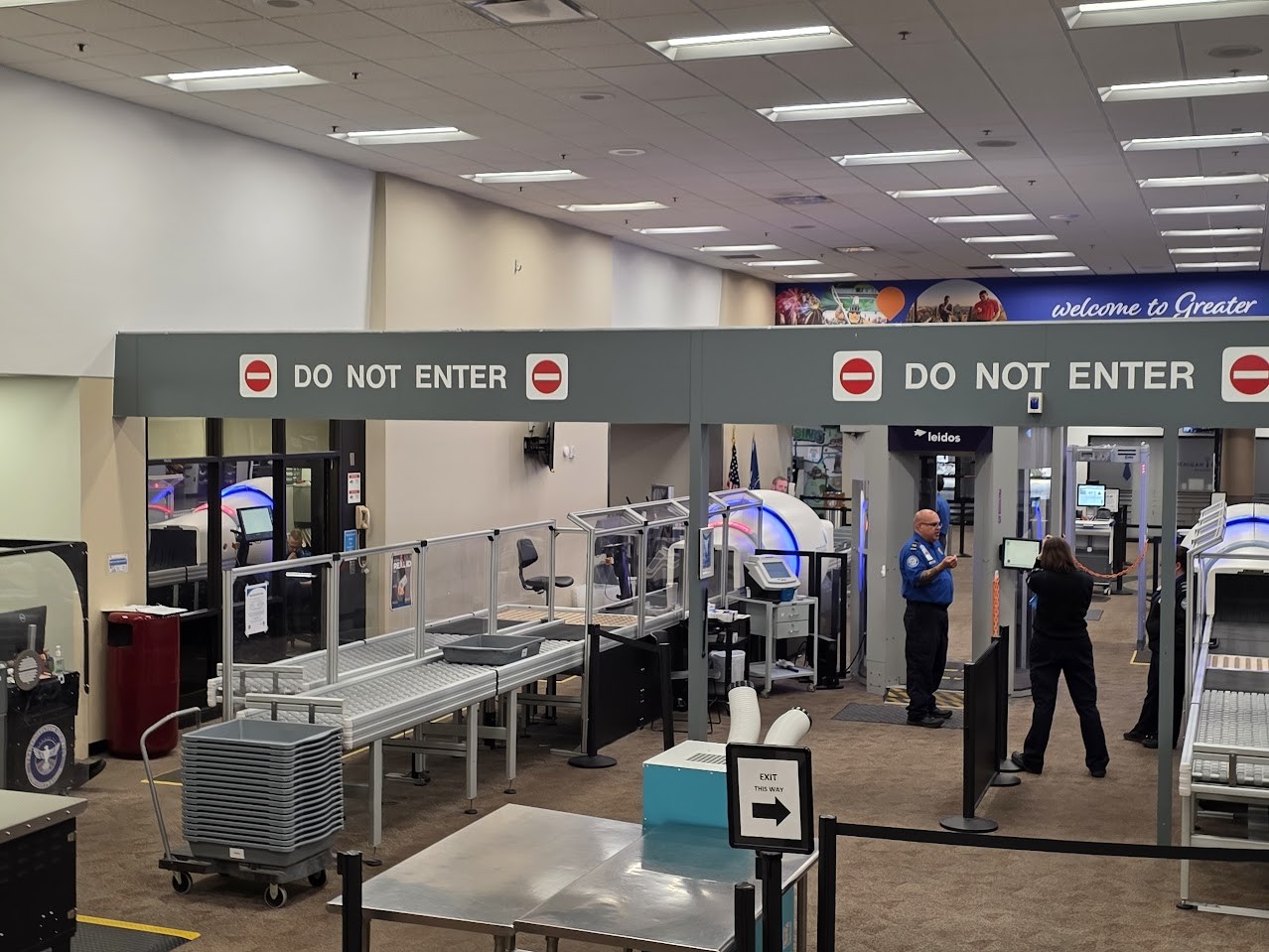
A traveler recently faced scrutiny from the Transportation Security Administration (TSA) not for what she was wearing, but for how little of it there was. The incident highlights a quirk in security protocols: TSA enforces rules about bulky clothing, but doesn’t generally police attire itself. This differs sharply from airlines, which do reserve the right to deny boarding based on dress code violations.
The Incident
The traveler, identified via social media as @fruityswagmoney, posted a viral video detailing her encounter. She was wearing a hoodie but no shirt underneath, leading TSA agents to intervene. The issue wasn’t the hoodie itself, but that it obstructed proper screening due to the lack of undergarments.
TSA policy requires passengers to remove bulky items like hoodies for inspection. Without a shirt, the situation necessitated a pat-down, which the traveler apparently found objectionable. The incident quickly drew attention, with many questioning the agency’s handling of the situation.
Why This Matters
This case isn’t an isolated incident. Over the years, airlines and TSA have clashed over dress codes.
- In 2006, a JetBlue passenger sued after being denied boarding for wearing a political t-shirt, settling for $240,000.
- In 2010, a man protested by writing the Fourth Amendment on his bare chest, leading to his detention.
- More recently, disputes over head coverings, such as turbans and hijabs, have triggered legal challenges.
The common thread is the tension between security measures and personal expression. While TSA primarily focuses on prohibited items, airlines often enforce stricter standards.
TSA vs. Airlines: A Clear Distinction
Airlines can dictate attire (within limits) because they’re private entities. TSA, as a government agency, has less latitude. It’s designed to detect threats, not enforce fashion rules. The agency’s policy on head coverings is proof: they may trigger additional screening, but aren’t outright banned.
The hoodie incident underscores this difference. TSA didn’t object to the garment, but to the lack of clothing underneath it, which complicated the screening process.
In short, the traveler wasn’t violating any dress code; she was creating a logistical problem for security personnel. The incident raises questions about how strictly TSA should interpret its own rules and whether its enforcement aligns with common sense.