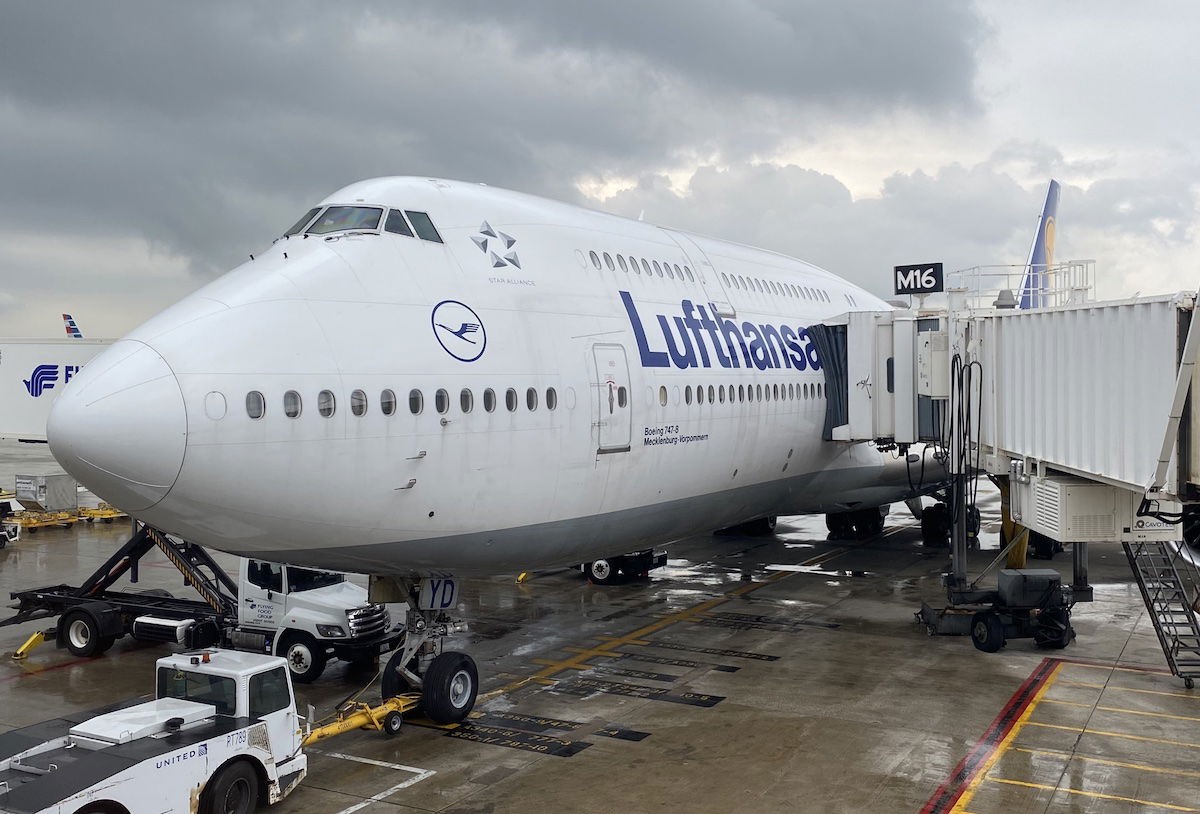
Lufthansa is facing a significant wave of industrial action as its cabin crew prepares for a widespread strike. Following recent pilot strikes, the Independent Flight Attendants Organization (UFO) has called for a one-day strike on Friday, April 10, 2026, which is expected to paralyze much of the airline’s operations.
Widespread Cancellations and Passenger Impact
The strike is projected to impact nearly all flights departing from Germany between 12:01 AM and 10:00 PM on the scheduled date. While Lufthansa is attempting to mitigate the fallout by utilizing other airlines within its group, the scale of the disruption is substantial.
- Estimated Impact: Approximately 100,000 passengers.
- Affected Carriers: Lufthansa and Lufthansa CityLine.
- Unaffected Carriers: Other Lufthansa Group airlines, such as Austrian and SWISS, are not part of this specific labor action.
The timing of the strike is particularly disruptive, as it coincides with the end of the Easter holiday, a peak travel period when many passengers are returning from vacations.
The Core of the Dispute: Stalled Negotiations
The strike is the result of a five-month deadlock in collective bargaining negotiations. According to the union, progress has stalled because the two parties cannot agree on a new contract.
The conflict highlights a fundamental disagreement over the direction of labor terms:
– The Union’s Position: UFO members voted overwhelmingly—94% in favor —to pursue industrial action, alleging that Lufthansa has failed to provide a viable offer and has shown no willingness to negotiate.
– Lufthansa’s Position: The airline maintains that it remains open to dialogue and suggests that strikes should be a “last resort.”
A significant point of contention involves the airline’s attempts to adjust existing benefits and protections, which the union has refused to entertain.
Structural Shifts and Labor Costs
The strike also carries deeper implications for the airline’s organizational structure. Lufthansa is currently in the process of dissolving Lufthansa CityLine and replacing it with Lufthansa City Airlines.
This move is widely viewed as a strategic effort to reduce labor costs through “labor arbitrage”—a practice where companies shift operations to entities with lower wage requirements or different regulatory environments. The union has expressed grave concerns regarding this transition, noting that the lack of a “social plan” threatens the livelihoods of approximately 800 cabin crew members facing the cessation of operations at CityLine.
This cycle of industrial action follows closely on the heels of pilot strikes, suggesting a period of prolonged instability for Lufthansa’s labor relations.
Conclusion
The upcoming strike on April 10 threatens to disrupt travel for 100,000 passengers during a busy holiday period. The conflict underscores a broader tension between Lufthansa’s drive for cost-efficiency through structural reorganization and the union’s fight to protect established labor protections and job security.