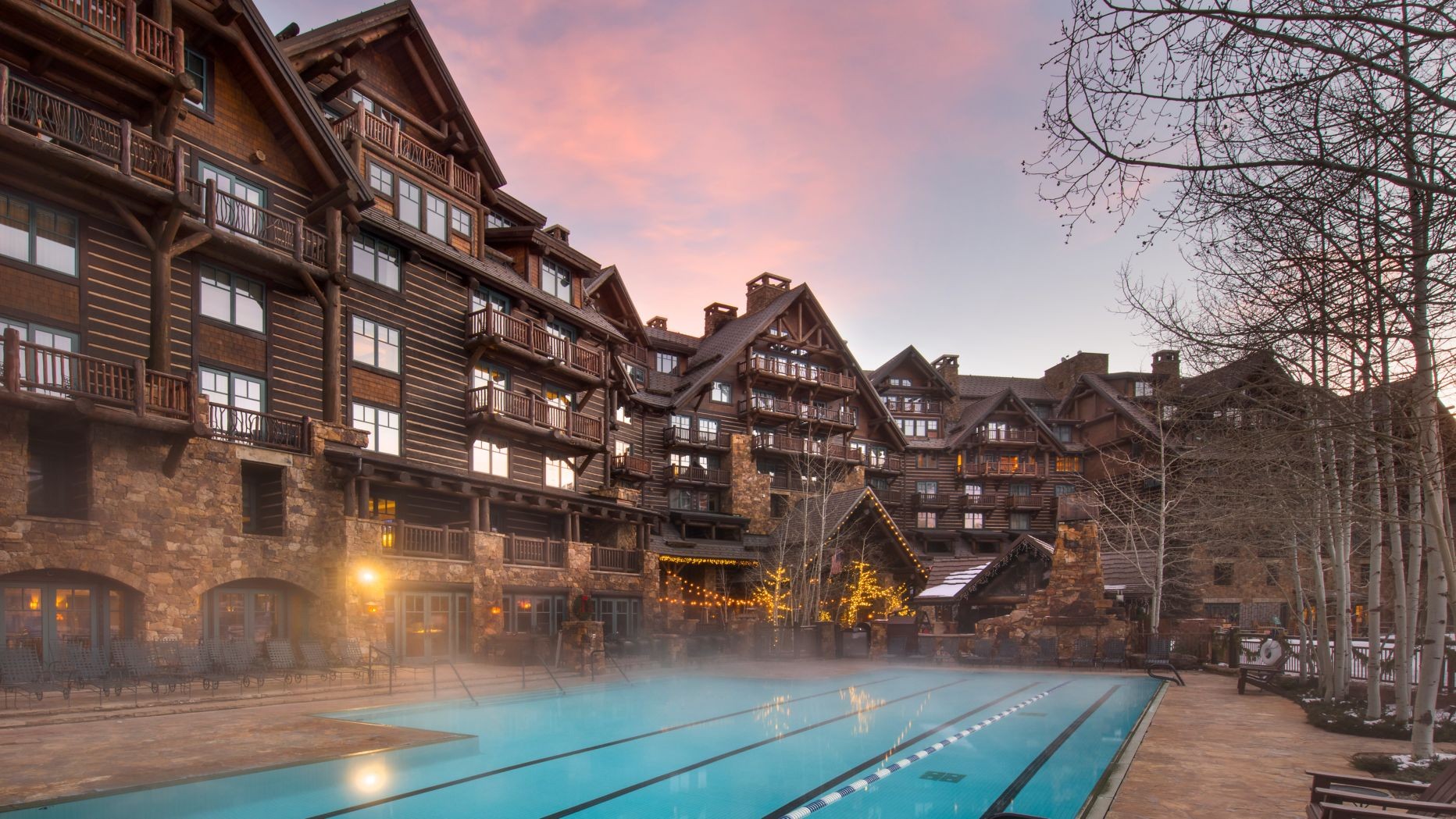
The Ritz-Carlton, Bachelor Gulch, recently alerted guests to a presumptive Legionnaires’ disease outbreak within the property’s water systems. A notice circulated to guests confirmed the closure of hot tubs and encouraged them to seek further information about potential risks, without offering refunds, relocation assistance, or clear guidance regarding safe water usage.
What is Legionnaires’ Disease?
Legionnaires’ disease is a severe form of pneumonia caused by Legionella bacteria, often contracted by inhaling contaminated water mist from sources like showers, hot tubs, and plumbing systems. The disease can also manifest as Pontiac fever, a milder, flu-like illness. The fatality rate is around 10%, making it a serious health concern, especially for individuals over 50, smokers, those with compromised immune systems, or pre-existing conditions like cancer, diabetes, or kidney/liver disease.
The Ritz-Carlton Response
The hotel’s communication has drawn criticism for its lack of proactive support. Unlike standard crisis management protocols, no immediate options were provided for penalty-free cancellations, alternative accommodations, or even compensation for affected guests. Guests are now left to decide whether to risk showering or drinking tap water at their own discretion. This approach highlights a common pattern within the hospitality industry where guest safety is often secondary to maintaining revenue streams.
Recurring Problem: Marriott’s Past Failures
This incident is not isolated. Two years ago, Marriott’s Renaissance Newark airport faced a similar outbreak, also advising guests not to shower while refusing refunds or cancellations. In both cases, Marriott customer service framed the situation as an “extenuating circumstance,” asking guests to be “understanding” of the hotel’s “difficult challenge.”
The Ritz-Carlton’s response further illustrates how hotels often prioritize financial interests over guest well-being during health emergencies. The industry standard seems to be minimal accommodation, leaving travelers to navigate potentially hazardous conditions with limited support.
Extreme Measures Elsewhere
In some cases, hotels have resorted to extreme measures to prevent Legionella growth. At the W Barcelona during the pandemic, a single employee lived on-site for months, manually flushing water taps every five days to avoid stagnation and bacterial buildup.
The Ritz-Carlton’s current handling of the Legionnaires’ outbreak raises questions about corporate responsibility and guest safety. While hotels may face genuine operational challenges, failing to provide basic support during a health crisis underscores a pattern of prioritizing profits over people.