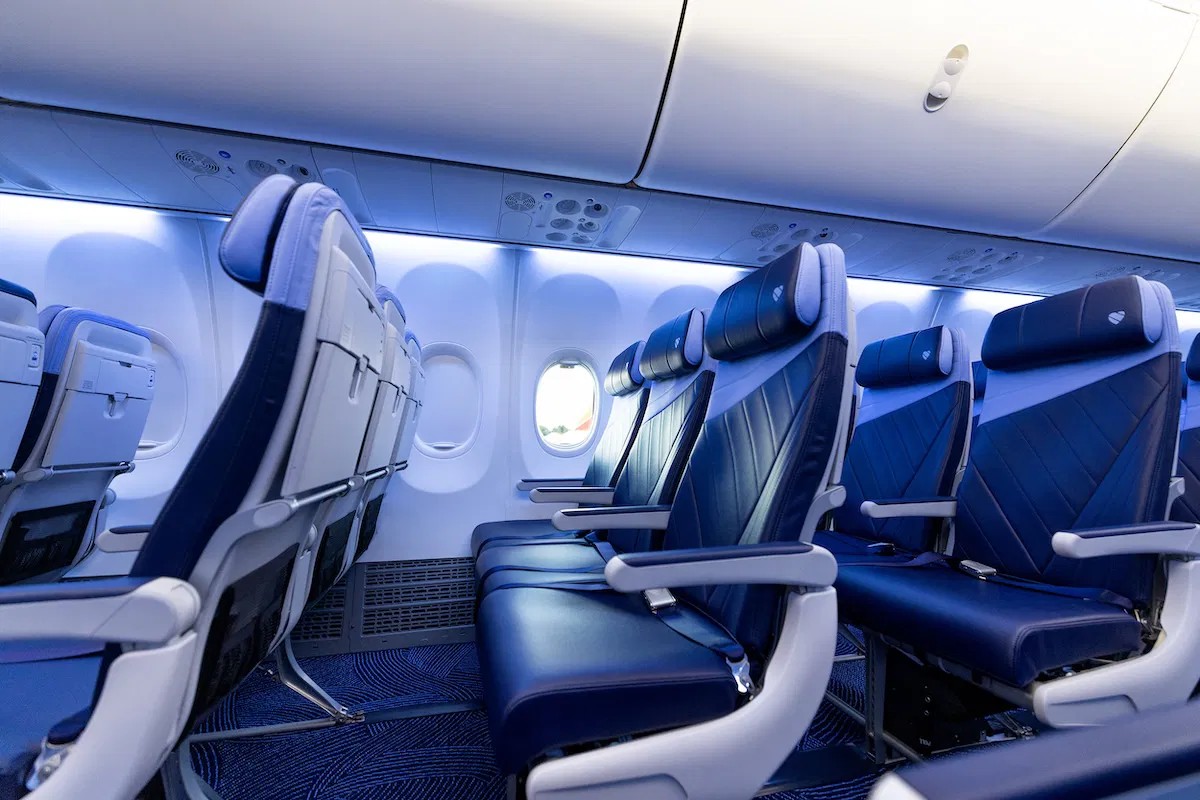
Southwest Airlines has officially abandoned its decades-long open seating policy, marking a significant change in how millions of passengers fly. As of January 27, 2026, all flights now feature assigned seating, including a new premium option with extra legroom. This decision follows years of pressure from investors and a recognition that consumer preferences have evolved.
Why Now? The Business Case for Change
For over 50 years, Southwest’s first-come, first-served boarding process was a defining feature. However, the airline’s financial performance has lagged behind competitors, particularly in capturing revenue from premium travelers and longer-haul routes. The industry has moved toward assigned seating and ancillary fees, and Southwest was losing ground. The company claims research shows 80% of its customers and 86% of potential customers prefer assigned seating, citing open seating as the top reason passengers switch to other airlines.
The shift is part of a larger modernization effort, including planned upgrades like larger overhead bins, in-seat power, and free Wi-Fi for frequent flyers. CEO Bob Jordan described the change as “transformational,” designed to improve financial performance and customer satisfaction.
How the New System Works
Southwest has reconfigured aircraft with three seating tiers:
- Extra Legroom: Located at the front of the cabin and in exit rows, these seats offer 34 inches of pitch.
- Preferred: Situated behind extra legroom seats and in front of exit rows.
- Standard: Available behind the exit row, with 31 inches of pitch (a 1-inch reduction from the previous standard).
Seat assignments are now integrated into the booking process, with pricing varying based on route and demand. On shorter flights (like Tampa to Fort Lauderdale), premium seats range from $23 to $41, while preferred seats cost $36 to $41 on longer routes (Baltimore to Los Angeles). The airline is also introducing an eight-group boarding process to streamline the new system.
The Broader Industry Trend
Southwest’s move isn’t isolated. Airlines increasingly rely on ancillary revenue streams, including seat upgrades, baggage fees, and other add-ons. Modernizing seating options allows Southwest to capture more of this revenue while appealing to a wider range of travelers. Investors appear optimistic, with some analysts recently upgrading the airline’s stock based on improved financial prospects.
The changes also reflect a shift in passenger expectations. Consumers now value predictability and comfort more than ever, making assigned seating a competitive necessity. Southwest’s adaptation is likely to be seen as a long-overdue adjustment, rather than a radical departure from its core identity.
In conclusion, Southwest’s decision to end open seating is a strategic move to improve financial performance and remain competitive in a changing travel landscape. The new system aims to satisfy passenger demand for assigned seating while unlocking new revenue opportunities for the airline.