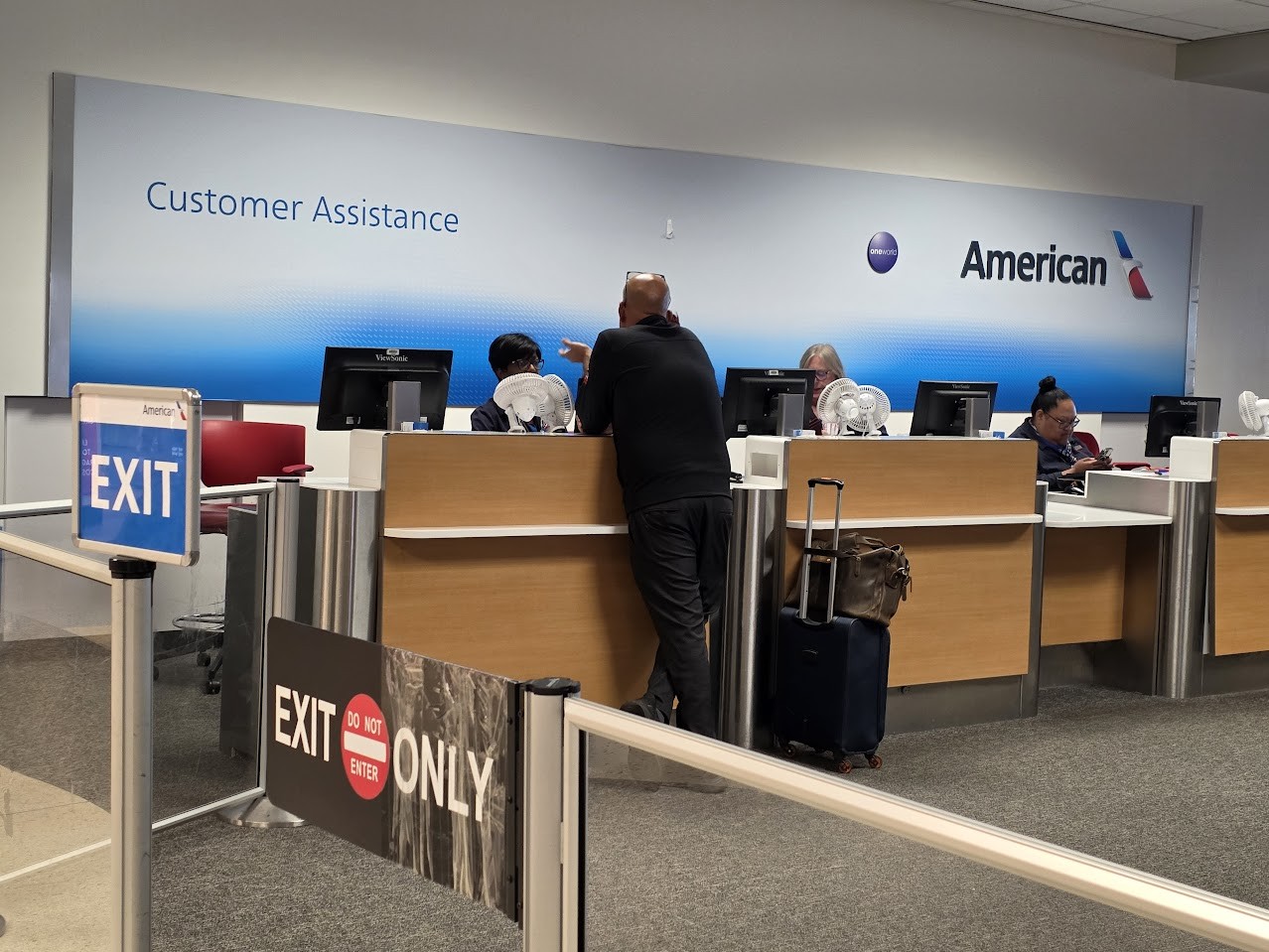
A recent incident involving American Airlines flight 2324 from Dallas–Fort Worth to Austin has highlighted a troubling breakdown in airline boarding procedures and passenger rights. A high-status passenger, who had already successfully boarded the aircraft, was forcibly removed from the flight due to a technical discrepancy in the airline’s manifest.
The Incident: From Boarding to Deplaning
The passenger, an Executive Platinum member, followed all standard protocols: they scanned their boarding pass at the gate, answered mandatory safety questions for the exit row, and took their seat. However, as the boarding process concluded, a conflict arose when a standby passenger was assigned to the same seat.
According to the passenger, the flight attendants were confused by the discrepancy, noting that while the passenger held a valid boarding pass, they no longer appeared on the digital check-in list on the crew’s iPads. Despite the flight attendants confirming there were available empty seats on the aircraft, the gate agent intervened.
The gate agent reportedly refused to rectify the manifest error, opting instead to remove the boarded passenger. The agent’s justification was startling: she claimed she had to remove the passenger to avoid a potential $50,000 fine for a late departure.
Analyzing the Breakdown
While the airline’s official reason for the removal was a “failure to check in,” the facts suggest a systemic error rather than passenger negligence:
- The Manifest Discrepancy: It appears that during the final stages of boarding, a system error altered the passenger’s status, causing them to appear as “not boarded” in the gate agent’s system.
- The Standby Conflict: Because the passenger’s seat appeared “releasable” due to the system error, it was given to a standby traveler.
- The Decision to Deplane: Rather than correcting the digital manifest to reflect the passenger’s actual presence on the plane, the agent chose to remove the passenger to ensure the flight departed on time.
Why this matters: This incident highlights a “process over people” mentality. The agent prioritized avoiding a departmental reprimand or a perceived fine over resolving a documented technical error that could have been fixed without displacing a revenue passenger.
Regulatory and Contractual Implications
The removal of this passenger raises significant legal questions regarding aviation consumer protections.
1. Violation of DOT Regulations
Under 14 CFR 250.7 (often referred to as the post-David Dao regulation), airlines are prohibited from involuntarily removing a revenue passenger who has already checked in and had their boarding pass accepted, unless there is a safety, security, or health risk, or the passenger is being disruptive. In this case, the passenger was neither a safety risk nor disruptive.
2. Breach of Contract of Carriage
American Airlines’ own Contract of Carriage states that the airline will not involuntarily remove a revenue passenger who has already boarded simply to accommodate another passenger.
3. The Compensation Gap
Interestingly, because this was a technical error rather than a traditional “overbooking” scenario (where an airline sells more tickets than seats), the standard compensation rules for oversales—which can reach up to $2,150 —may not strictly apply under current law. This creates a loophole where passengers may suffer significant inconvenience due to airline errors without the automatic financial recourse provided in overbooking cases.
Conclusion
The passenger was eventually rebooked on a later flight, arriving home in the early hours of the morning after significant delays and additional travel costs. This incident serves as a stark reminder of how technical glitches, combined with rigid gate protocols, can override passenger rights and airline service commitments.