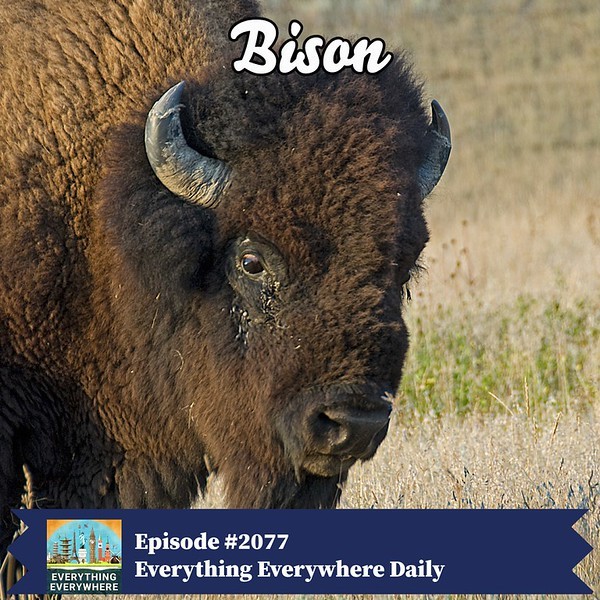
For millennia, the North American bison has been a defining force on the continent, shaping ecosystems, sustaining cultures, and leaving an indelible mark on history. Once numbering in the tens of millions, these majestic creatures nearly vanished within a single generation, a testament to both human impact and the resilience of nature. This is the story of their abundance, near-extinction, and ongoing recovery.
From Pleistocene Migrations to Modern Subspecies
The bison’s journey began during the Pleistocene epoch, when herds migrated from Asia across the Bering Land Bridge—a landmass exposed during periods of lower sea level. This migration, driven by climate shifts and competition with other megafauna, led to the establishment of distinct subspecies. Today, two remain: the wood bison (Bison bison athabascae ) found in Western Canada and Alaska, and the more familiar plains bison (Bison bison bison ).
Despite common usage, the term “buffalo” is a misnomer. True buffalo species reside in Africa and Asia. The name stuck due to early European explorers’ familiarity with buffaloes, leading to its continued use in North America.
Adapting to a Changing Landscape
Over time, the bison evolved in response to shifting environments. Ancestral bison species, such as Bison latifrons, boasted massive horn spans of nearly nine feet and weighed up to 4,000 pounds. As the climate warmed and predators like the American lion and short-faced bear emerged, smaller, more agile subspecies developed. The modern bison, though still imposing, is significantly smaller than its Pleistocene ancestors, better suited to North America’s mixed grasslands and forests.
Early human hunters, dating back 20,000 years, preyed upon these ancient bison, demonstrating a long-standing relationship between humans and the animal. The bison adapted, becoming faster—capable of reaching speeds up to 35 mph—and more selective in their grazing habits.
The Ecological Role of the Bison
The bison’s impact on the Great Plains is profound. Their hooves aerate the prairie grass, while their dense undercoat disperses wildflower seeds through migration. The resulting wallows, shallow depressions created during dust baths, become micro-ecosystems, trapping rainwater and promoting seed germination.
Unlike cattle, bison do not graze to the root, creating a unique quilt-like pattern on the plains that increases photosynthesis by reducing competition for resources. Their dung—rich in nutrients—supports a thriving insect and bird life. At their peak population of around 60 million, bison were chemically altering the landscape on a massive scale.
The Near-Extinction and Revival
For centuries, Indigenous peoples of the Great Plains relied on bison for nearly every aspect of life. Hides became clothing and shelter, hooves formed adhesives, bladders served as vessels, and bones were crafted into tools. The bison was not merely a resource; it was sacred, integral to their cosmology and survival.
However, the 19th century brought catastrophic decline. Driven by expansion, demand for hides, and deliberate extermination policies intended to subdue Native populations, the bison population plummeted from tens of millions to fewer than 1,000 by the 1880s. Hunters slaughtered them for hides, leaving carcasses to rot. Railroad expansion further exacerbated the crisis, as trains were frequently blocked by herds.
A coalition of conservationists, including future President Theodore Roosevelt and Smithsonian taxidermist William Hornaday, spearheaded the effort to save the bison. Roosevelt secured federal protection for the National Bison Range in Montana, while Hornaday’s expeditions collected specimens for zoos and exhibits that aimed to inspire public support.
By 1905, only 85 free-range bison remained. Through dedicated preservation efforts, including strict enforcement by the US Army in Yellowstone National Park, the population began to recover. The bison’s image on the 1913 “buffalo nickel” further galvanized public awareness.
Bison Today and the Future of Conservation
Today, approximately 400,000 to 500,000 North American bison exist, though only 20,000 to 30,000 roam in truly wild conservation herds. The majority are managed as livestock on private ranches.
Ongoing conservation programs, spearheaded by groups like the American Prairie project and Native American tribes, are restoring bison to their historic ranges. These efforts aim not only to rebuild bison populations but also to revitalize the prairie ecosystems they once dominated.
The story of the North American bison is a stark reminder of humanity’s capacity for both destruction and restoration. Its survival stands as a testament to the power of conservation and the enduring importance of preserving ecological balance.