Route 66 isn’t known for polished perfection. It’s a road of roadside attractions, quirky stops, and places that defy easy categorization. The museums along this historic highway are no different. They lack the budgets of national institutions, but what they offer is raw, unfiltered Americana that you won’t find anywhere else. Here are eight of the most unforgettable stops along the Mother Road.
Illinois Route 66 Hall of Fame & Museum: The Roadside Legacy
Located in Pontiac, Illinois, about 100 miles southwest of Chicago, the Route 66 Hall of Fame and Museum isn’t just a collection of memorabilia—it’s a tribute to the spirit of the road itself. Founded in 2004, it’s housed in a former firehouse and features exhibits on figures like Bob Waldmire, the “Johnny Appleseed of Route 66.” Waldmire’s orange VW Microbus inspired the character Fillmore in Pixar’s Cars. His converted school bus, dubbed the “Road Yacht,” and handmade sauna stand as testaments to his nomadic lifestyle.
The museum also holds relics from the first Steak ‘n Shake location, jail artifacts, and even original pavement bricks saved from the old highway.
Devil’s Rope Museum: The History of Barbed Wire
In McLean, Texas, the Devil’s Rope Museum is dedicated to one of the most iconic symbols of the American West: barbed wire. Housed in a former bra factory, this museum explores how barbed wire transformed ranching and farming, allowing for aggressive land control that defined the era. Its collection of over 2,000 barbed wire types is the largest in the world. The museum also includes a stark exhibit on the Dust Bowl, a reminder of the ecological disasters that shaped the region.
The Poozeum: A Celebration of Fossilized Feces
Williams, Arizona, is home to the world’s only museum dedicated to fossilized feces: The Poozeum. Founder George Frandsen began collecting coprolites (ancient poop) in his youth, and by 2024, he’d amassed enough to open a museum. The star attraction is a two-foot-long piece believed to be from a Tyrannosaurus rex, containing bone fragments that suggest the dinosaur swallowed its prey whole. The New York Post dubbed it the “sh*tiest museum in the world,” a compliment in this case.
First Americans Museum: A Tribal Cultural Center
Oklahoma City’s First Americans Museum opened in 2021 and is the largest single-building tribal cultural center in the United States. The 40-acre complex features a 110-foot-tall glass dome inspired by Wichita and Caddo grass lodges, with columns representing the forced marches endured by Indigenous peoples during removals like the Trail of Tears. The museum is entirely curated by members of Oklahoma’s 39 federally recognized tribes, offering an authentic and immersive experience. Exhibits frequently feature loans from the Smithsonian, and the on-site teaching garden adds another layer of cultural depth.
American International Rattlesnake Museum: A Reptilian Obsession
In Albuquerque, New Mexico, the American International Rattlesnake Museum showcases Bob Myers’ lifelong passion for these reptiles. Myers claims his collection surpasses those of major zoos combined, with 34 species on display alongside other rescued animals. Every visitor receives a Certificate of Bravery signed by Myers himself.
Meteor Crater & Barringer Space Museum: A Cosmic Impact
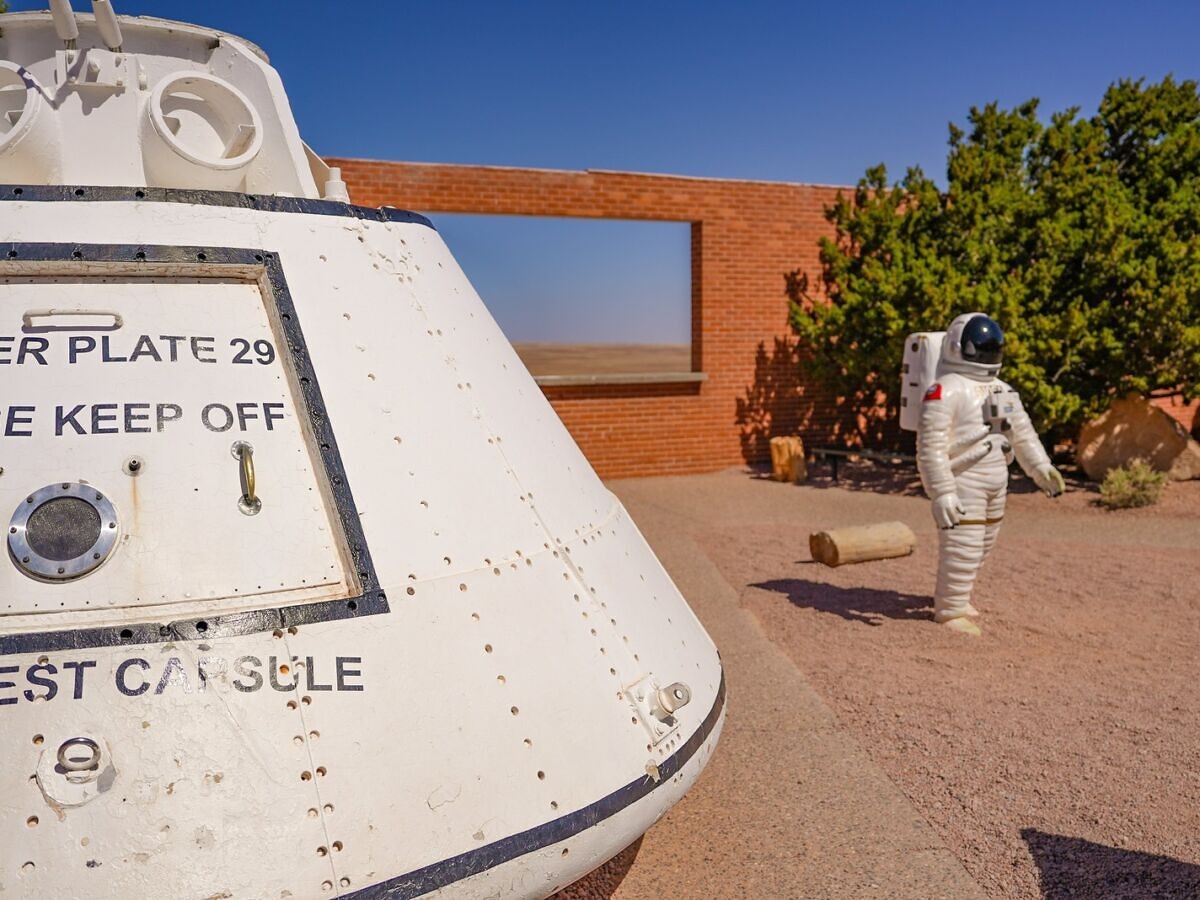
Near Winslow, Arizona, the Meteor Crater is one of the best-preserved meteorite impact sites on Earth. Formed roughly 550,000 years ago, it measures nearly 4,000 feet wide and 560 feet deep. NASA used the crater to train astronauts for Apollo missions due to its lunar-like terrain. The adjacent museum covers meteorites, space exploration, and the solar system.
Philbrook Museum of Art: A Gilded Age Villa
Tulsa, Oklahoma, is home to the Philbrook Museum of Art, housed in a former 1920s villa owned by an oil tycoon. This Italian Renaissance mansion features 25 acres of formal gardens, sculptures, and fountains. The collection includes Native American art, Italian Renaissance paintings, and modern works by Picasso and Pollock.
Route 66 Car Museum: An Automotive Shrine
Springfield, Missouri’s Route 66 Car Museum is a must-see for auto enthusiasts. The museum features a collection of classic cars that capture the spirit of the highway.
These museums prove that Route 66’s charm lies in its refusal to conform. They are places where you can learn about barbed wire, admire fossilized poop, and reflect on the history of a road that continues to captivate travelers to this day. They are not polished or refined, but they are authentic, memorable, and utterly unique.