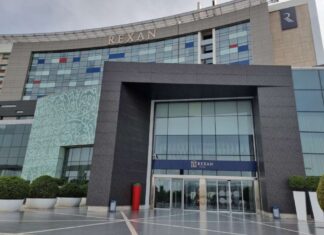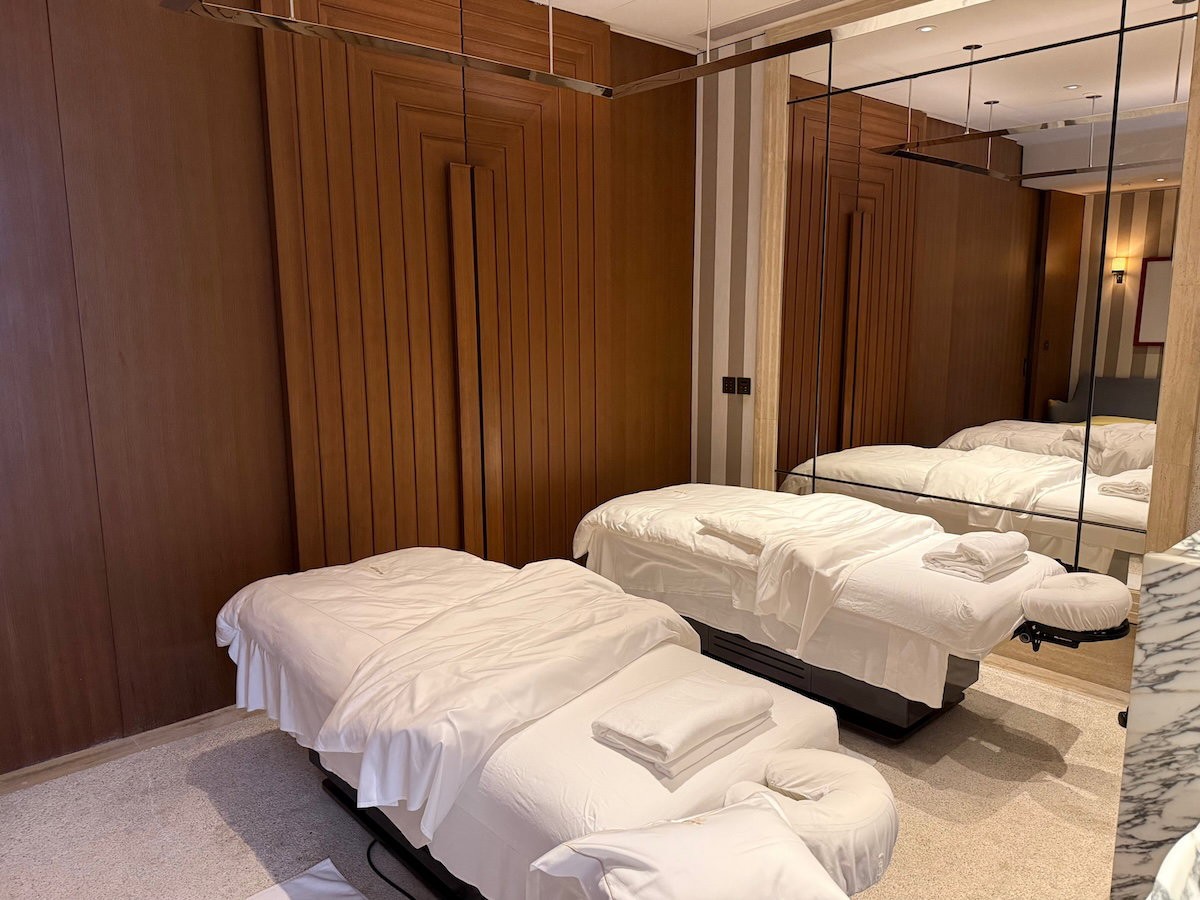
A recent report from a frequent traveler has sparked a complex discussion regarding the boundaries of luxury hospitality. A guest, who has stayed at more than 20 Four Seasons properties, reported being offered an illicit “happy ending” during a massage at a luxury hotel in Asia.
The encounter was not merely a subtle suggestion; the practitioner explicitly stated a price—approximately $88—and suggested the amount could be added to the tip on the final bill. This detail raises significant questions about the level of institutional awareness within high-end hotel chains.
The Disconnect Between Luxury and Conduct
The incident highlights a growing tension between the “anticipatory service” models used by luxury brands and the ethical boundaries of professional wellness. For many premium hotels, the gold standard is to never say “no” to a guest’s request. However, when that request involves illicit services, the line between extreme hospitality and professional misconduct becomes blurred.
The report suggests three potential levels of involvement in such practices:
1. Individual Initiative: A practitioner acting independently of hotel policy.
2. Localized Knowledge: Spa staff being aware of the practice but not actively promoting it.
3. Institutional Complicity: Front desk or management facilitating the transaction through billing adjustments.
In the case described, the suggestion to hide the payment within the “tip” section of the bill implies that the hotel’s administrative processes may be being used to mask non-professional services.
A Global Divide in Cultural Norms
One cannot analyze this issue without acknowledging the massive disparity in global cultural norms. What is considered a scandalous breach of ethics in one region may be viewed as a standard, albeit unofficial, part of the service industry in another.
- In Western Markets (e.g., the U.S.): Such offers are generally viewed as highly inappropriate and a violation of the professional standards expected at luxury establishments.
- In Certain Asian Markets: The practice can be more common, sometimes integrated into the “unofficial” service culture of local spas, even within legitimate, high-end venues.
The Ethical Dilemma for Staff and Guests
Beyond the legal and professional implications, this issue presents a significant ethical challenge for the workforce. There is a fine line between a service being “offered” and a guest being “aggressively upsold.”
“A massage at a luxury hotel shouldn’t feel like a basic economy fare, where you’re aggressively upsold on something else.”
This highlights two critical concerns:
– Guest Autonomy: The frustration arises not necessarily from the offer itself, but from the lack of respect for a “no.” When a service becomes a high-pressure sales tactic, it destroys the relaxation central to the spa experience.
– Employee Safety and Dignity: It is vital to distinguish between practitioners who choose to offer such services and those who are pressured into them. Sexualizing a profession can create uncomfortable and unsafe environments for workers who wish to remain strictly within the bounds of therapeutic massage.
Conclusion
The intersection of luxury hospitality and illicit services creates a complex dilemma where cultural norms, hotel policies, and professional ethics collide. As luxury brands strive to meet every guest’s desire, they face the difficult task of defining where “bespoke service” ends and professional misconduct begins.