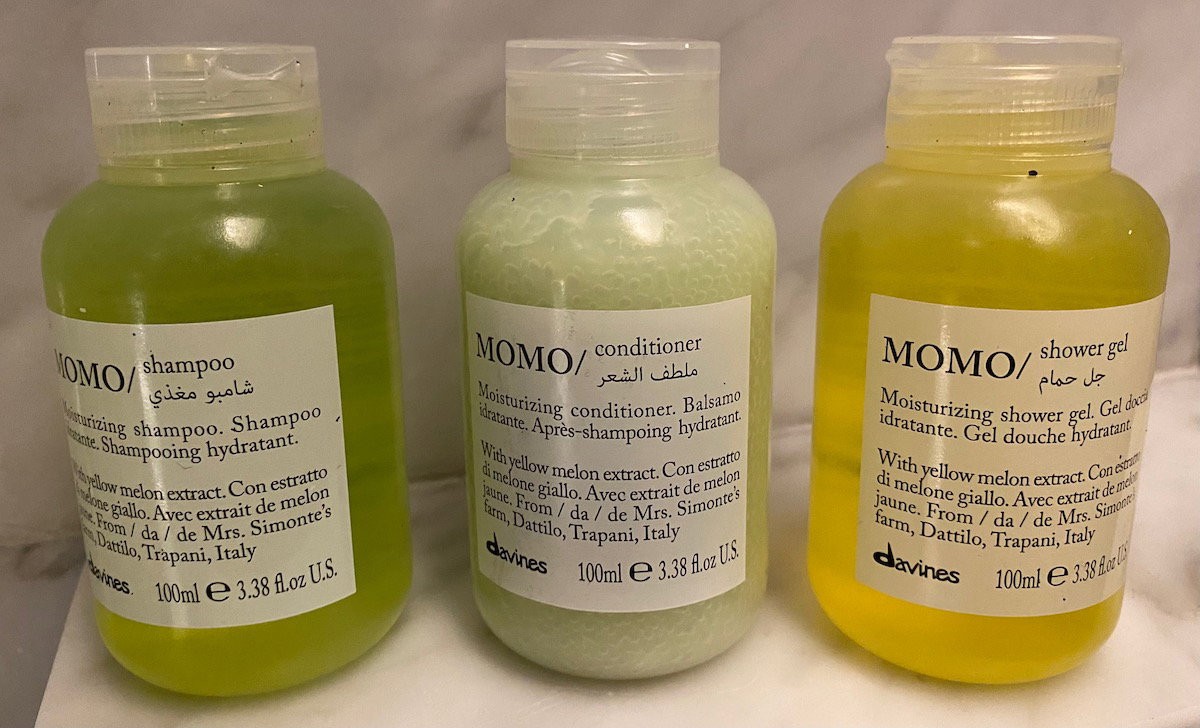
A recent investigation by a traveler has uncovered a puzzling discrepancy in the luxury amenities provided by W Hotels. What began as a simple observation about a thin, watery shampoo has evolved into a broader question regarding quality control and brand consistency within the Marriott portfolio.
The Discovery: A Consistency Issue
While staying at the W Amsterdam, a guest noticed that the MOMO shampoo provided in the room felt unusually thin and watery. Initially suspecting that a previous guest might have diluted the product, the guest requested a replacement bottle, only to find the exact same consistency.
To determine if this was an isolated incident or a systemic issue, the guest conducted a comparative experiment:
1. The Hotel Experience: Used the shampoo provided on-property at the W Amsterdam.
2. The Retail Test: Purchased a bottle of the same MOMO shampoo directly from the Marriott online store.
3. The Control Group: Purchased the same product directly from Davines, the manufacturer of the MOMO line.
The Results: A Clear Discrepancy
The findings were stark. Both the hotel-provided bottle and the bottle purchased from Marriott’s own retail site exhibited the same watery, low-viscosity texture. In contrast, the bottle purchased directly from the manufacturer, Davines, possessed the thick, premium consistency expected of a high-end hair care product.
Comparing the Details
A side-by-side visual comparison reveals a significant difference in how the liquids behave. While the ingredient labels appear similar at first glance, there are notable differences in terminology and labeling:
* Manufacturing Labels: While both versions are labeled “Made in Italy,” the version intended for W Hotels includes a reference to a UK-based firm, Angel Consulting.
* Formulation Mystery: It remains unclear whether Marriott has commissioned a specific, thinner formula for its hotels, or if the product is being diluted during the supply chain process.
Why This Matters for Luxury Hospitality
In the premium hospitality sector, brand promise is everything. Guests pay a premium not just for a room, but for a curated, high-quality experience that extends to the smallest details, such as bath amenities.
This situation raises two critical questions for Marriott:
1. Is this a formulation choice? If W Hotels intentionally uses a different, thinner formula, it raises questions about why a “premium” brand would opt for a product that feels inferior to the standard retail version.
2. Is this a quality control failure? If the product is being diluted or altered by a third party (such as Angel Consulting) without Marriott’s oversight, it represents a significant lapse in maintaining the standards of their luxury brands.
“Is this a widespread and systemic issue that has gone unnoticed, or has it been noticed and simply ignored?”
Conclusion
The investigation suggests that the MOMO shampoo supplied by W Hotels and Marriott’s retail arm is significantly thinner than the version sold directly by the manufacturer. Whether this is a deliberate change in formula or a breakdown in quality control, it highlights a disconnect between the luxury experience promised and the products actually delivered.