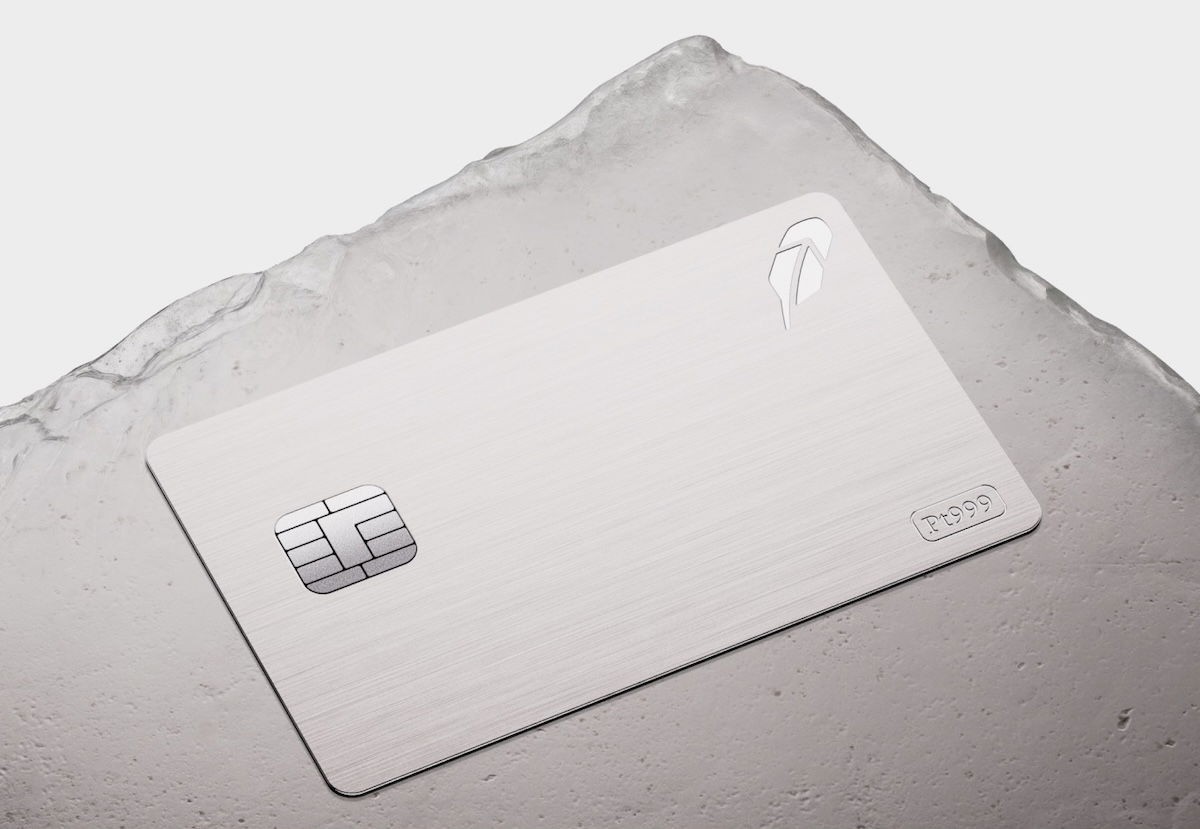
Investment platform Robinhood is entering the premium credit card market with a bold offering: a $695 annual fee Visa Infinite card marketed as “the actual Platinum Card.” The move raises the question of whether the benefits justify the steep cost. While the card boasts extensive credits and perks, its value hinges on whether users are willing to actively maximize those benefits – essentially treating it as a high-end coupon book.
The Core Offering: High Fee, Extensive Credits
The Robinhood Platinum Card’s primary draw is its extensive collection of credits, designed to offset the $695 annual fee. These include:
- Travel Credits: Up to $500 in hotel credits, $300 in general travel (rideshares, flights, etc.), and $250 in DoorDash and restaurant credits annually.
- Wellness Perks: Memberships to Robinhood Gold, Amazon One Medical, Function Health, and Oura, potentially representing significant value for health-conscious users.
- Miscellaneous Credits: Up to $250 for autonomous ride spending and $200 towards health wearables.
The card also provides a Global Entry/TSA PreCheck credit (up to $120 every four years) and Priority Pass membership. The company claims the total value exceeds $3,000 annually, but this relies heavily on consistent utilization of the credits.
Rewards Structure: Limited Appeal Beyond Credits
Beyond the credits, the card’s rewards structure is unremarkable. It offers:
- 10% cash back on hotels booked through the Robinhood travel portal
- 5% cash back on flights booked through the Robinhood travel portal
- 5% cash back on dining (up to $50,000 annually)
- 1% cash back on all other purchases
The 1% baseline return is uncompetitive, and the higher rates are tied to using Robinhood’s booking services, limiting flexibility. This suggests the card is less about maximizing spending rewards and more about leveraging the bundled credits.
Is It Worth It? A Matter of Effort vs. Benefit
The Robinhood Platinum Card is not a traditional rewards powerhouse. Its value lies in the aggressive credit system, which requires active management to recoup the annual fee. For casual spenders, the card likely isn’t worth the cost. However, users who frequently utilize travel, dining, and wellness services and are already invested in the Robinhood ecosystem may find it worthwhile.
The card’s appeal may also stem from brand loyalty. Like Apple’s popular (but not exceptionally competitive) credit card, the Robinhood Platinum Card likely benefits from attracting users already embedded in the platform’s services.
Ultimately, the Robinhood Platinum Card is a niche product: a high-fee, high-effort card that rewards active credit utilization. It’s a luxury perk for those willing to work for the benefits, but an overpriced coupon book for everyone else.