A recent Philippine Airlines flight from Los Angeles to Manila experienced a catastrophic failure of all onboard lavatories, forcing crew members to resort to manually removing waste to prevent overflows. The incident, which occurred on a Boeing 777-300ER operating flight PR113, has sparked outrage from flight attendant unions who criticize the airline’s decision not to divert the aircraft.
The Incident: A 15-Hour Crisis Over the Pacific
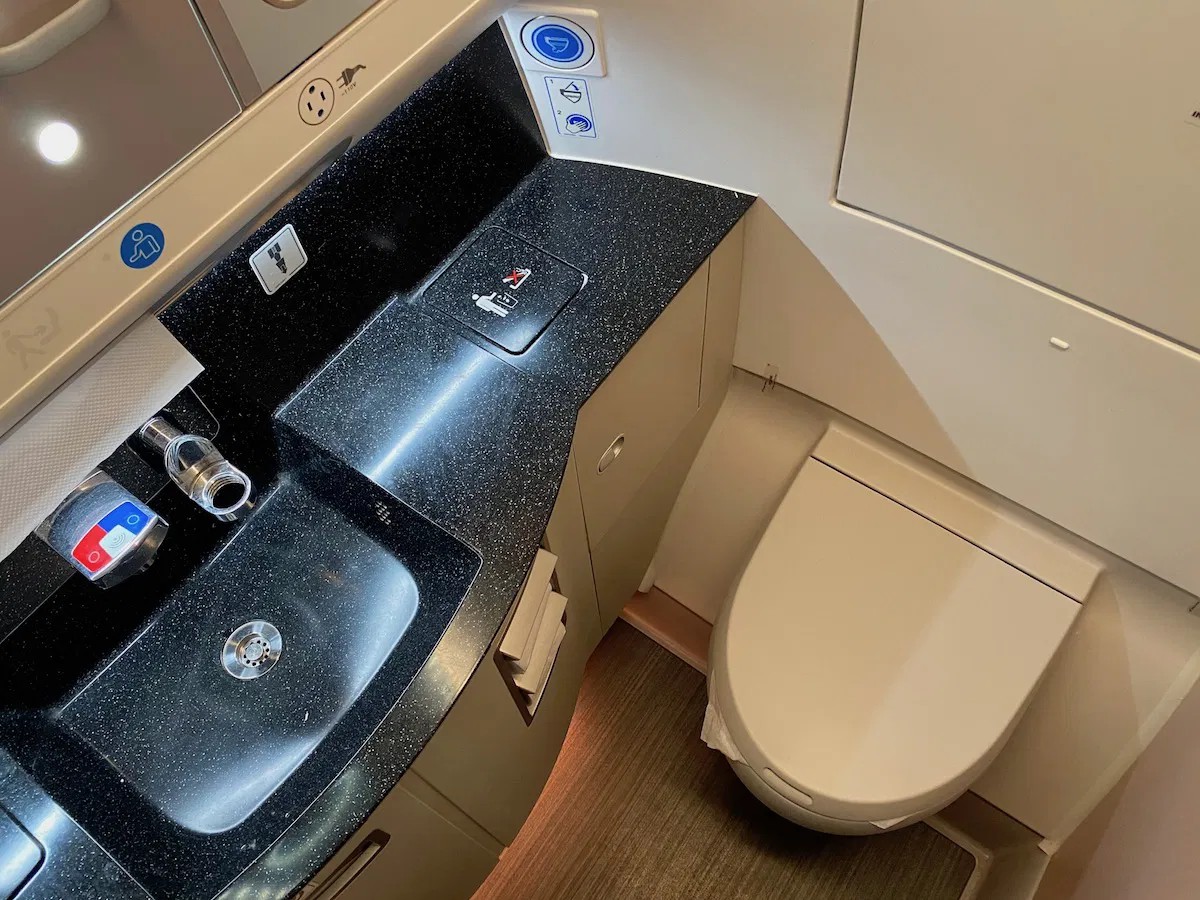
Midway through the roughly 15-hour flight over the Pacific Ocean, all 11 lavatories on the aircraft became completely unusable, with waste backing up and rendering flushing impossible. The nearest viable diversion point, Guam, was still several hours away, yet the captain and operations team reportedly chose to continue the flight rather than reroute.
This decision left the crew with an unprecedented problem: overflowing toilets on a long-haul flight with no immediate solution. According to reports from InsiderPH, supervisors allegedly instructed flight attendants to manually scoop human waste out of the lavatories and dispose of it in sinks to keep the facilities from becoming completely unusable.
Why This Matters: Sanitation, Safety, and Crew Welfare
While aircraft malfunctions are not uncommon, a total failure of all lavatories is highly unusual. More critically, the airline’s response raises serious concerns about sanitation, crew safety, and operational protocols. No standard airline procedures authorize or support the manual removal of waste by flight attendants.
The incident highlights a disturbing prioritization of profit and punctuality over the wellbeing of both passengers and crew. The flight attendants’ union is rightfully furious, with sources stating that no formal investigation was conducted by management after the event, increasing the likelihood of similar situations occurring in the future.
The Fallout: Union Outrage and Leadership Scrutiny
The outrage isn’t coming from passengers; it’s coming from the union representing flight attendants. They view this as a complete leadership breakdown, with the crew blaming the captain for not diverting and the supervisor for allowing the situation to escalate without intervention.
This incident underscores a larger trend in airline operations where cost-cutting and schedule adherence sometimes overshadow basic sanitation and crew safety. While diversions can be expensive and disruptive, they are designed to protect passengers and personnel from hazardous conditions.
In conclusion, the Philippine Airlines flight PR113 lavatory crisis is a stark reminder that prioritizing efficiency over wellbeing can lead to unacceptable outcomes. The lack of investigation and apparent disregard for crew safety raise questions about the airline’s operational standards and future risk management practices.