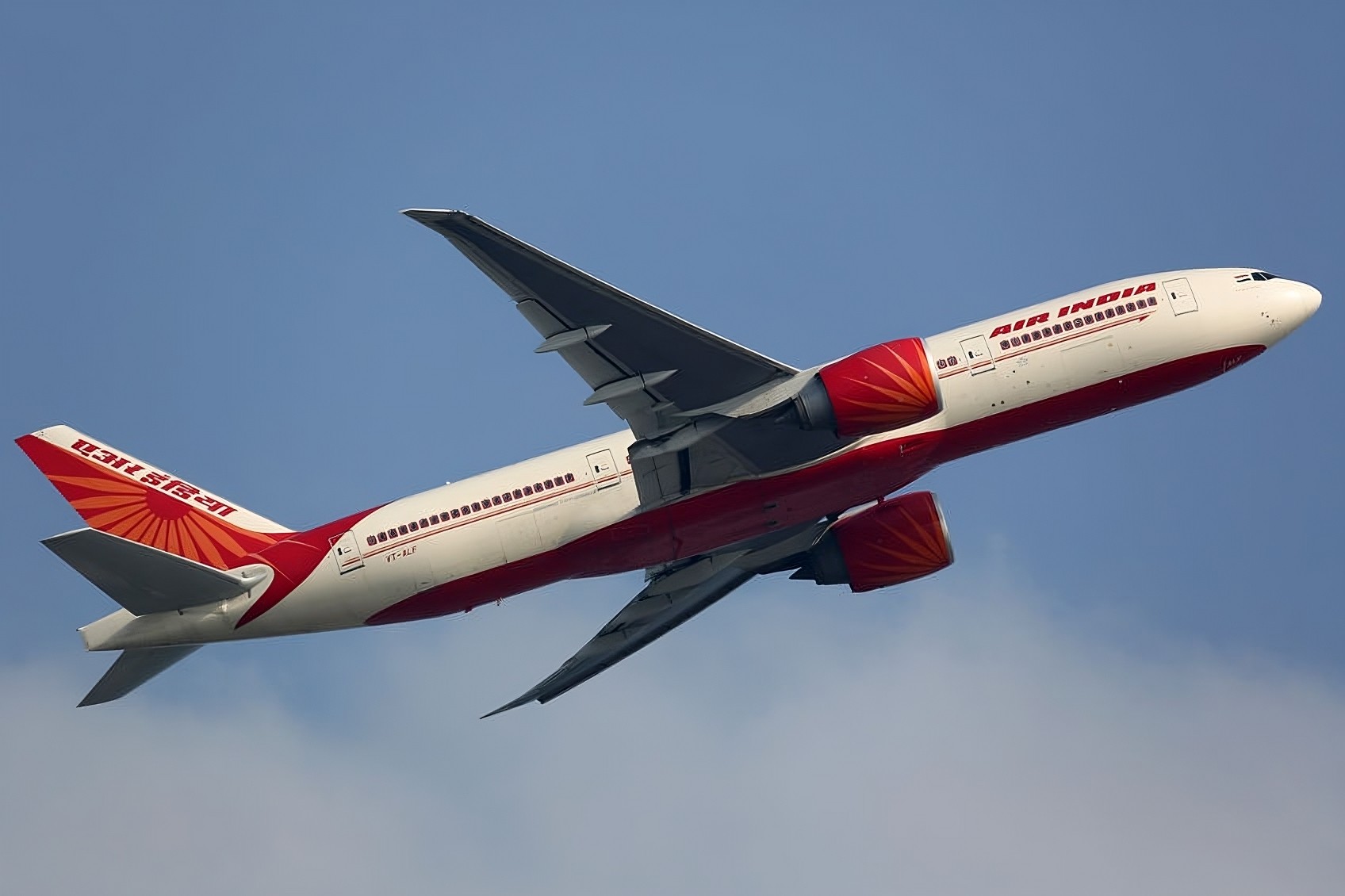
An Air India flight from Delhi to Vancouver was forced to return mid-flight after it was discovered the aircraft lacked sufficient emergency oxygen for the planned route. The incident, which occurred over Chinese airspace, highlights a systemic issue within the airline’s fleet management rather than a simple regulatory oversight.
The Root Cause: Ex-Delta Aircraft and Oxygen Capacity
The flight, operated by a Boeing 777-200LR registered as VT-AEI, was dispatched with inadequate oxygen reserves for routes traversing high-altitude terrain. Air India has been leasing aircraft from Delta Air Lines that were retired during the pandemic, and these planes are not equipped with the extended-duration oxygen systems necessary for certain long-haul flights. The 777-200LR typically used on this route has ample oxygen, but the leased aircraft do not.
This isn’t a matter of Canadian aviation authorities not permitting the aircraft type; rather, it’s an internal problem with a specific subfleet. Air India operates routes over the Himalayas and the Hindu Kush, where rapid emergency descents may require more than the 12-minute oxygen supply installed in the ex-Delta planes.
The Regulatory Context and Past Incidents
India’s Directorate General of Civil Aviation (DGCA) fined Air India in January 2024 for operating these leased 777s on “long-range terrain critical routes” without proper emergency oxygen. The problem isn’t new: a pilot previously identified the same deficiency on a flight to the U.S. and rerouted to avoid high-terrain areas.
Similar incidents, though less publicized, have occurred elsewhere. In 2015, American Airlines mistakenly dispatched an Airbus A321 not approved for long overwater flights to Hawaii, illustrating that operational errors can slip through even stringent systems.
The Affected Aircraft
The following ex-Delta 777-200LRs are reportedly affected:
- VT-AEE (ex N704DK)
- VT-AEF (ex N702DN)
- VT-AEG (ex N706DN)
- VT-AEH (ex N707DN)
- VT-AEI (ex N708DN)
These planes are being phased out as Air India returns them to lessors, but until then, they pose a risk on terrain-critical routes.
Why This Matters
This incident underscores the importance of detailed fleet management and the potential consequences of cost-cutting measures. Relying on leased aircraft with different equipment standards can create dangerous operational gaps, especially on routes where emergency procedures depend on specific capabilities.
The situation highlights that regulatory compliance isn’t merely about paperwork; it’s about ensuring that the aircraft physically meets the requirements of the routes it flies. This case wasn’t about Air India being barred from flying a 777-200LR to Canada, but about sending an aircraft that couldn’t handle a specific flight profile safely.