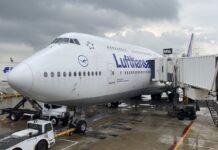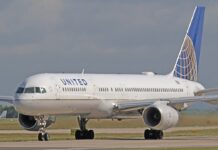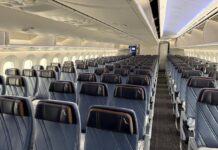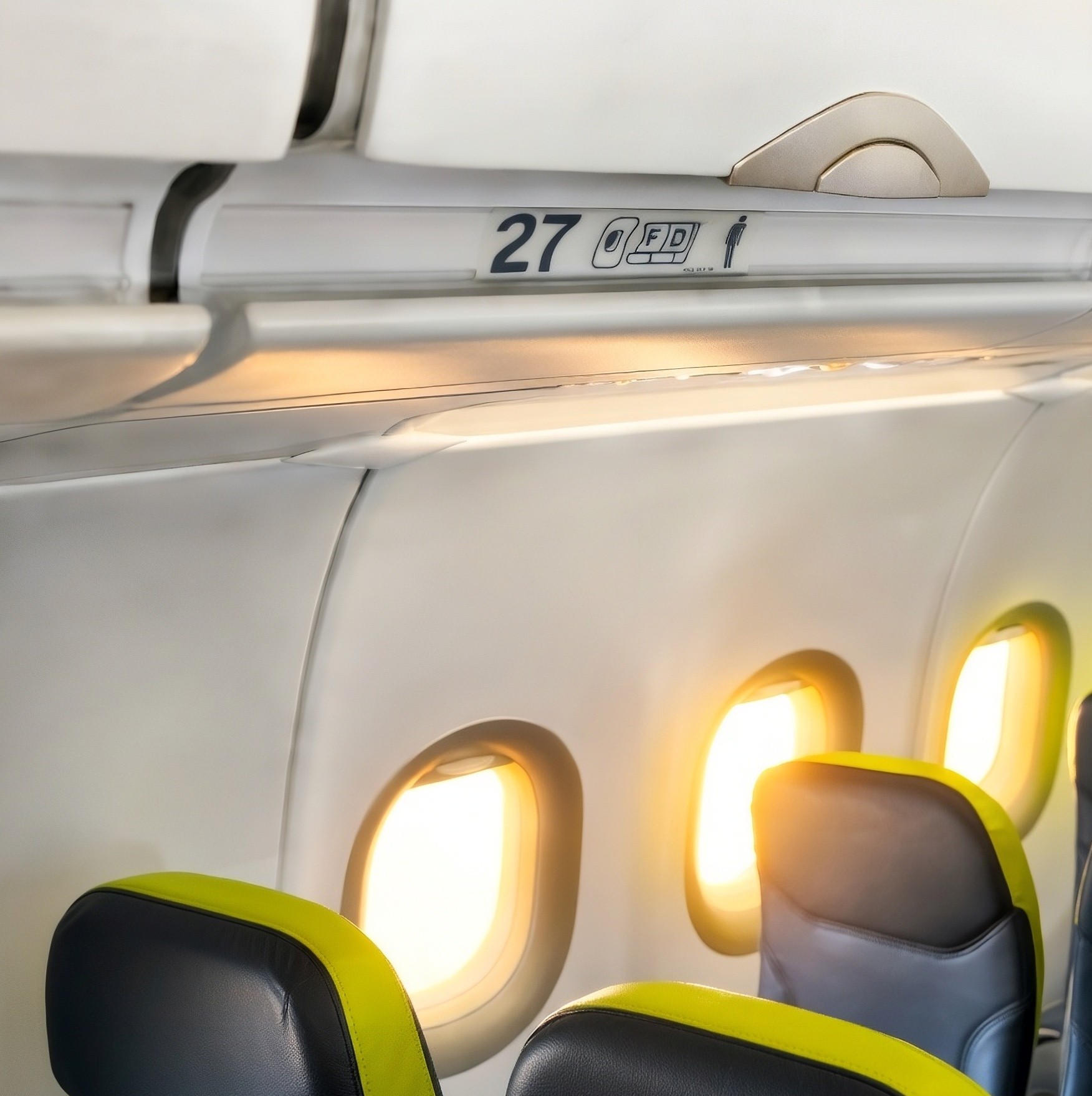
A passenger boarding a flight to Lisbon recently encountered a bizarre logistical failure: their boarding pass assigned them to seat 27E, a seat that simply does not exist on the aircraft they boarded.
While this may seem like a minor clerical error, such incidents highlight the complex, often fragile intersection of airline logistics, rapid aircraft swaps, and passenger rights.
The Logistics of a “Ghost Seat”
The most likely explanation for a non-existent seat assignment is a last-minute aircraft swap. Airlines frequently change the type of plane assigned to a route due to maintenance issues or scheduling shifts.
In this specific case, several factors point to a mismatch between the passenger’s documentation and the physical cabin:
- Configuration Mismatch: The passenger was checked in on a “six-abreast” aircraft (common on larger narrowbody jets like Airbus models), but the plane they boarded was a “four-abreast” aircraft (typical of smaller regional jets like Embraers).
- Documentation Failure: When an aircraft is swapped, the airline’s system must reassign every passenger to a new seat. If the passenger is not issued a new boarding pass, they remain tethered to a seat number that belongs to a different plane.
- The “Manual Override” Risk: In some instances, gate agents may manually override a scanning error to keep the boarding process moving, potentially leaving passengers with outdated information that only becomes apparent once they reach their row.
When Seat Changes Become Legal Issues
An aircraft swap is more than just a seating inconvenience; it is a regulatory matter. If a swap results in fewer available seats than confirmed passengers, the airline enters the territory of denied boarding.
Under EU Regulation 261/2004, passengers are entitled to significant compensation if operational changes (like an aircraft swap) result in them being denied boarding or arriving significantly late. Unlike regulations in the United States, EU law provides specific protections for these types of operational disruptions.
Standard EU Compensation Tiers:
– €250 for flights of 1,500 km or less.
– €400 for intra-EU flights over 1,500 km (and other flights between 1,500 and 3,500 km).
– €600 for longer international flights.
Note: Compensation may be reduced by 50% if the passenger reaches their destination within a specific time threshold relative to the original schedule.
The Growing Trend of Overcapacity Risks
The “phantom seat” incident is part of a broader, more concerning trend where the number of passengers on board exceeds the number of legal seats. While airlines aim for efficiency, the gap between digital booking and physical reality can lead to extreme scenarios:
- Extreme Seating: There have been documented cases where passengers, including children, were forced to sit on cockpit jumpseats or even on the floor to accommodate overbooked flights.
- Safety Concerns: A recent Delta flight had to return to the gate after realizing a Boeing 737-900 was carrying 182 passengers despite having only 180 seats.
- Logistical Chaos: When families are assigned seat blocks (e.g., 41 D/E/F) that disappear during a swap, it can lead to parents being separated from children or forced into non-standard seating.
The disappearance of a seat on a boarding pass is rarely just a typo; it is often the visible symptom of a breakdown in the airline’s ability to sync its digital inventory with its physical fleet.
Conclusion
The incident serves as a reminder that boarding passes are not infallible. When an aircraft swap occurs, passengers should always verify they have received an updated seat assignment to avoid being left searching for a seat that does not exist.