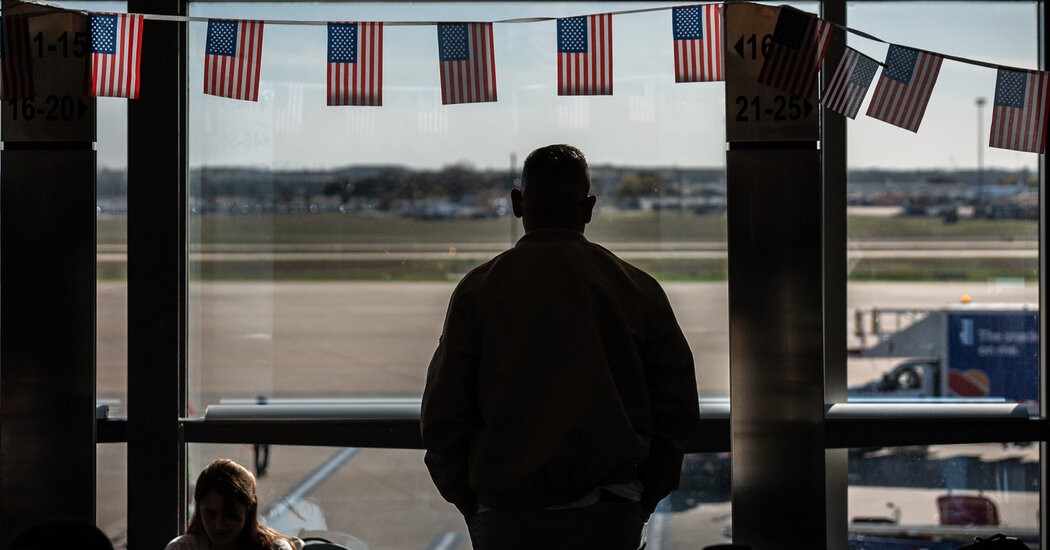
The U.S. government is now actively using passenger flight information to identify and detain individuals with deportation orders, marking a significant escalation in immigration enforcement. Under a previously secret program, the Transportation Security Administration (TSA) shares lists of incoming air travelers with Immigration and Customs Enforcement (ICE) multiple times weekly. This allows ICE to cross-reference the data with its own records and deploy agents to airports for immediate detention.
How the System Works
The collaboration began in March and operates by providing ICE with real-time access to passenger manifests. While the exact number of arrests remains undisclosed, internal documents confirm at least one case: Any Lucía López Belloza, a college student detained at Boston Logan Airport in November and deported to Honduras within 48 hours. A former ICE official estimates that 75% of flagged individuals in their region were successfully arrested.
Shift in Enforcement Tactics
Historically, ICE has largely avoided interfering with domestic travel. This new program represents a deliberate shift toward proactive enforcement, leveraging broader federal data sharing to pursue deportations aggressively. It aligns with the Trump administration’s stated goal of executing the largest deportation campaign in U.S. history, effectively expanding the reach of immigration enforcement beyond border zones and into everyday civilian travel.
Government Justification
The Department of Homeland Security (DHS) defends the practice with blunt messaging: “The message to those in the country illegally is clear: The only reason you should be flying is to self-deport home.” This reflects a hardening stance toward undocumented individuals, treating air travel as a potential trap rather than a standard method of transportation.
Data Privacy and Existing Scrutiny
Airline passengers have always been subject to federal scrutiny, with airlines sharing reservation data with the TSA for comparison against national security databases, including terrorist watchlists. However, this new program repurposes that data for immigration enforcement, blurring the lines between counterterrorism and deportation efforts. The long-term implications for privacy and due process are significant, as individuals can now be detained based on administrative rather than criminal warrants.
This expansion of data sharing demonstrates a growing willingness to utilize all available tools for aggressive immigration enforcement, raising questions about the balance between security and individual rights.