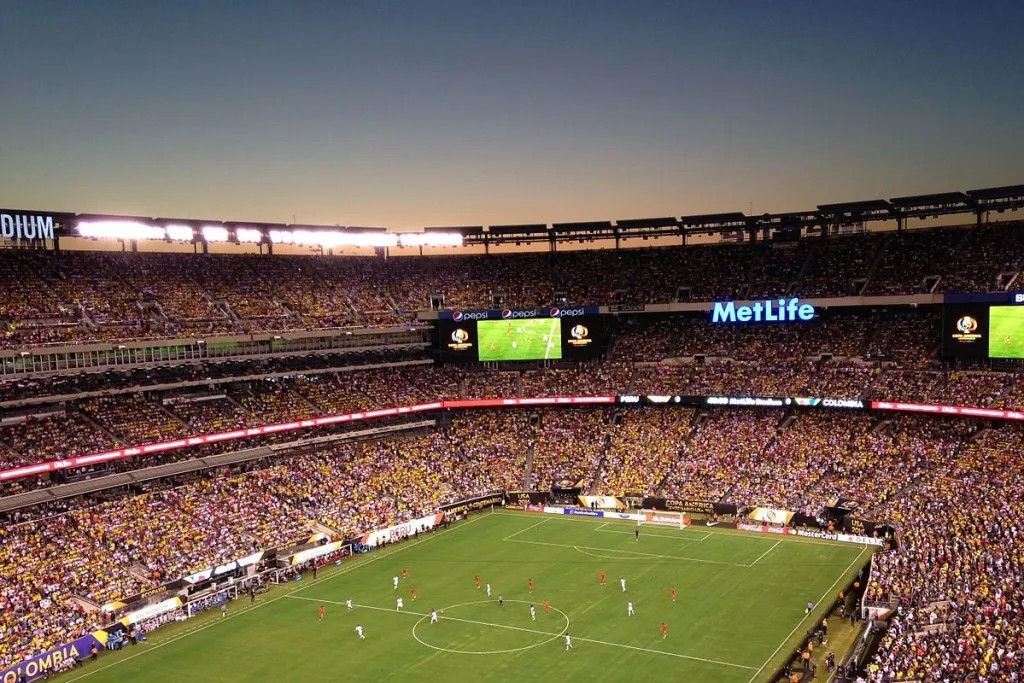
New York City’s stringent short-term rental regulations are driving a surge in bookings across the river in New Jersey, particularly around MetLife Stadium—temporarily rebranded as New York New Jersey Stadium—which will host key World Cup matches. This shift highlights how local policies can dramatically reshape travel patterns and revenue distribution during major events.
Dramatic Occupancy Increases in New Jersey
Data from AirDNA reveals substantial year-over-year occupancy jumps in the Jersey City–Newark area. For June 13, coinciding with the Morocco–Brazil match, short-term rentals are up 169%. This contrasts sharply with New York City’s 37% increase during the same period.
The trend intensifies on June 27, when England plays Panama: New Jersey occupancy soars 296%, while New York sees a more moderate 51% rise.
Why This Matters: NYC Regulations at Play
The disparity isn’t accidental. New York City’s tightened rules on short-term rentals, designed to protect long-term housing availability and curb disruptive tourism, are effectively pushing demand elsewhere. Travelers seeking convenience and affordability are turning to New Jersey, where regulations are less restrictive.
This situation raises questions about the economic consequences of overly strict regulations. While NYC aims to stabilize its housing market, it may be inadvertently diverting tourism dollars and lodging revenue to neighboring states.
Implications for Future Events
The World Cup is just one example. Similar patterns could emerge during other large-scale events if cities prioritize restrictions over flexibility. For now, New Jersey stands to benefit from NYC’s policy choices, capturing a larger share of the travel market during this high-demand period.
In conclusion, New York City’s rental policies are unintentionally funneling World Cup-related tourism revenue to New Jersey, demonstrating how strict regulations can reshape regional economic dynamics.