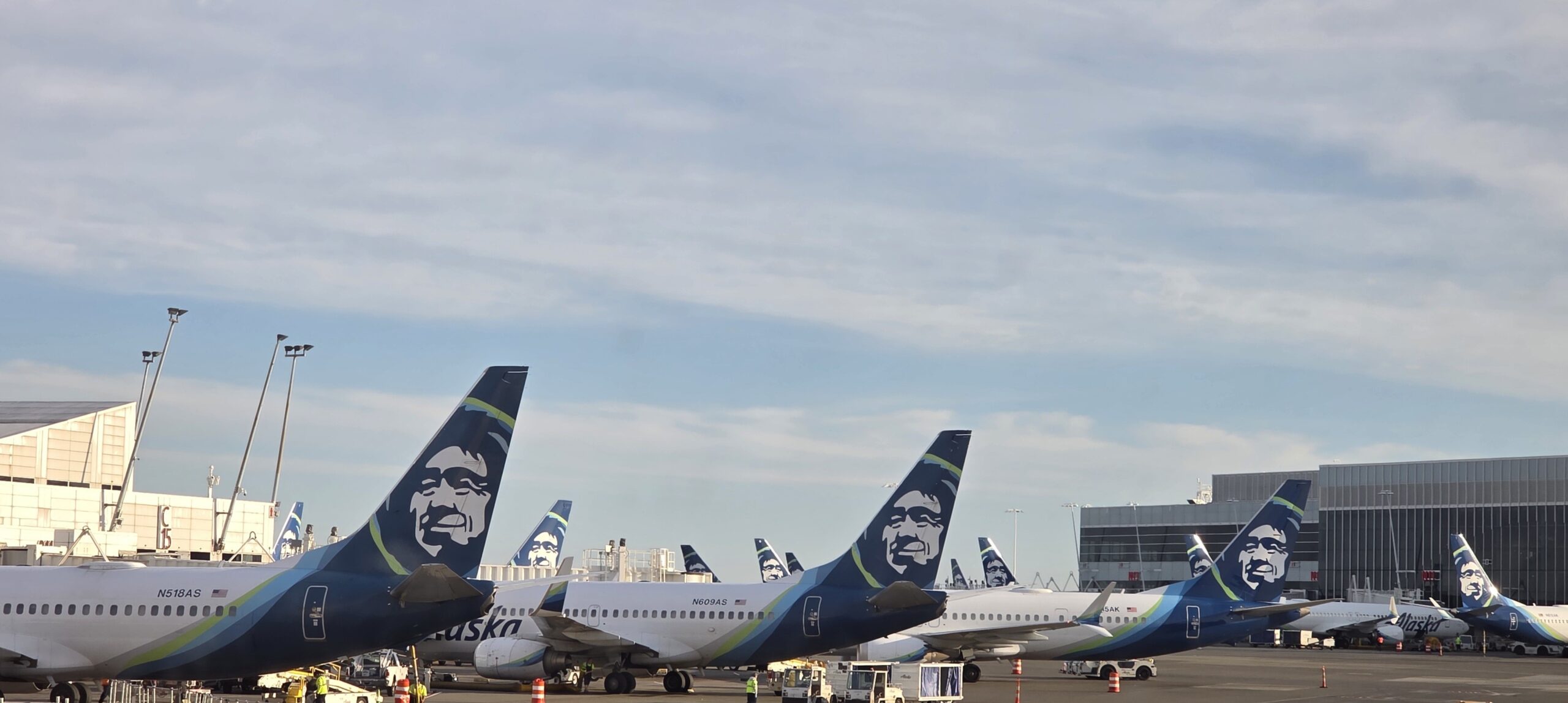
Alaska Airlines is facing criticism after a company poster reminding employees to request legal process—like a warrant or subpoena—before handing over passenger data to law enforcement resurfaced online. While some are calling it “obstruction of justice,” the airline’s policy is actually a standard practice designed to protect passenger privacy and ensure legal compliance.
The Misunderstanding of “Obstruction”
The outrage stems from a misunderstanding of what constitutes obstruction of justice. Legally, this involves actively interfering with an ongoing judicial proceeding, tampering with evidence, or corruptly influencing officials. Simply refusing to volunteer data without a legal mandate is not obstruction. Instead, Alaska’s policy reinforces the correct process: law enforcement must obtain proper legal documentation before accessing private information.
Why This Matters: The Importance of Due Process
This isn’t just about following rules; it’s about upholding constitutional rights. If airlines freely gave data on demand, it would create a system where police could conduct unchecked surveillance. Imagine officers requesting lists of passengers with specific surnames or booking on certain flights, all without judicial oversight. This is a path toward mass data collection and potential abuse.
The Role of Warrants and Subpoenas
Requiring warrants and subpoenas isn’t an impediment to law enforcement; it is the legal framework designed to prevent overreach. These processes ensure that data requests are justified, reviewed by a judge, and properly documented. This protects both passengers—who can challenge unlawful searches—and the airline itself, ensuring it acts consistently and legally.
Industry Standard Practice
Alaska isn’t alone in this approach. Tech giants like Apple and Microsoft also demand legal process for data access. Apple requires government entities to follow applicable laws, while Microsoft demands a subpoena for basic data and a warrant for sensitive content. This confirms that controlled data disclosure is industry best practice, not an outlier.
Protecting Employees and Maintaining Auditable Trails
The airline’s policy also shields employees from being pressured into unlawful compliance. A front-line worker shouldn’t decide on the spot whether a request is legitimate. “Company policy: I need legal process, and I must call my supervisor” provides a clear defense against coercion. The policy also creates a documented trail of all data requests, ensuring transparency and accountability.
“The expectation should be that every contract’s confidentiality language includes notice requirements when data is requested so individuals can seek an order to quash,” as the author points out.
In conclusion, Alaska Airlines’ policy isn’t about obstructing justice; it’s about upholding the rule of law, protecting passenger privacy, and ensuring that law enforcement operates within legal boundaries. The real obstruction would be undermining this process and allowing unchecked data access.