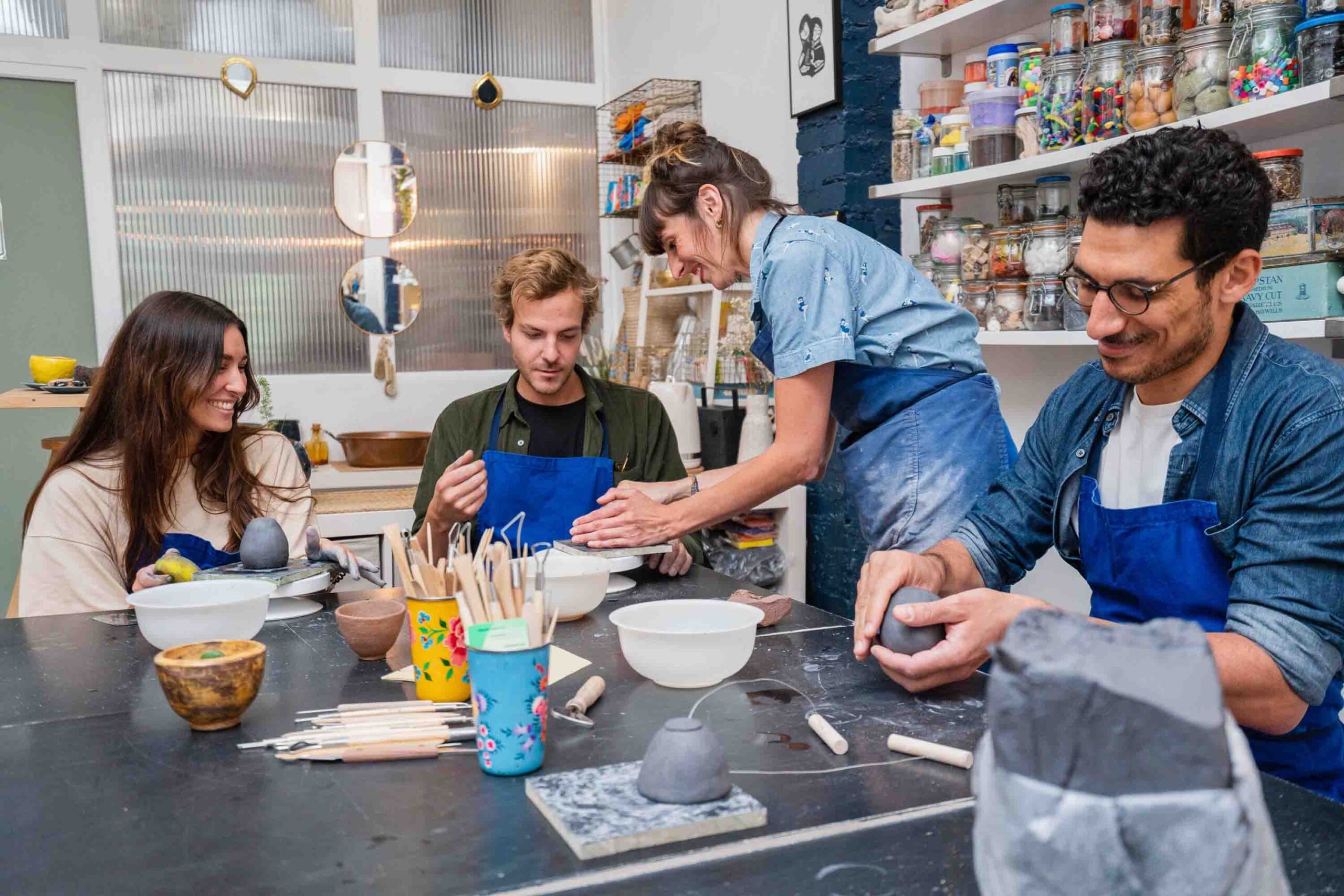
Travel is evolving. Increasingly, vacationers aren’t just seeking relaxation; they’re actively making things. From sculpting gargoyles in Parisian studios to forging knives in the French countryside, a surge in “hobby holidays” is redefining how people spend their leisure time—and why. This trend isn’t just about filling downtime; it taps into a deeper human need for learning, creativity, and a break from the pressures of achievement-driven life.
The Demand for Experiential Travel
The numbers speak for themselves. Workshop and class bookings have risen by 126% in the last two years, while Google searches for “hobby holidays” exploded by 9,900% in just twelve months. Hilton’s 2026 travel report confirms that 72% of travelers now want to dedicate vacation time to developing skills or hobbies. This shift isn’t random: it’s driven by a desire for tangible experiences that go beyond typical tourism.
The appeal is simple. Modern life often leaves little room for genuine learning outside of work. As adults, we go long stretches without acquiring new skills—a void many now seek to fill through travel. The Chinese University of Hong Kong has even found that travel itself boosts creativity, suggesting that simply remembering past trips can enhance cognitive function.
Why Now?
Several factors are converging to fuel this trend. Tour operators and tourist boards actively promote links with local artisans, making hands-on experiences more accessible. Gen Z travelers, in particular, prioritize activity-based vacations over passive “fly-and-flop” getaways. And, of course, increased disposable income allows more people to indulge in these unique opportunities.
But the core driver is psychological. Neuroscience suggests that learning is inherently rewarding, improving self-esteem and mood. Leisurely activities, even short ones, reduce depression risk by providing creative expression, aesthetic pleasure, and cognitive stimulation.
Beyond the Tourist: Supporting Artisans
The rise of hobby holidays isn’t just beneficial for travelers. It also provides vital income for artisans whose traditional trades are declining. Blacksmiths, stonemasons, and other craftspeople are increasingly relying on tourist workshops to keep their skills alive. As one report states, tourism can “validate culture” and provide resources to preserve traditions, turning artisans from relics of the past into essential parts of the modern economy.
Consider Cécilia da Mota, a Parisian stonemason who now earns 50% of her income from gargoyle-carving classes. While she still takes on historical renovations, the demand for hands-on workshops allows her to share her expertise with a global audience.
A Culture of Temporary Skills
The long-term retention of these skills is debatable. Few hobbyists become professional gargoyle carvers. But that’s not the point. For many, the joy is in the process—the feeling of creating something with your hands, free from the pressure of perfection.
Websites like Wecandoo are catering to this demand, offering everything from skateboard-making in Bordeaux to sausage-making in the Basque Country. These experiences are often short and relatively inexpensive, making them accessible to a wider audience.
The trend is about the experience itself—the joy of learning something new, the freedom of being a beginner, and the satisfaction of creating something tangible. It’s a rejection of constant productivity and a celebration of creative expression for its own sake.
Ultimately, hobby holidays represent a shift in how we value our time and leisure. They’re a reminder that learning can be an enjoyable, enriching experience, even if the skills acquired are never used again.