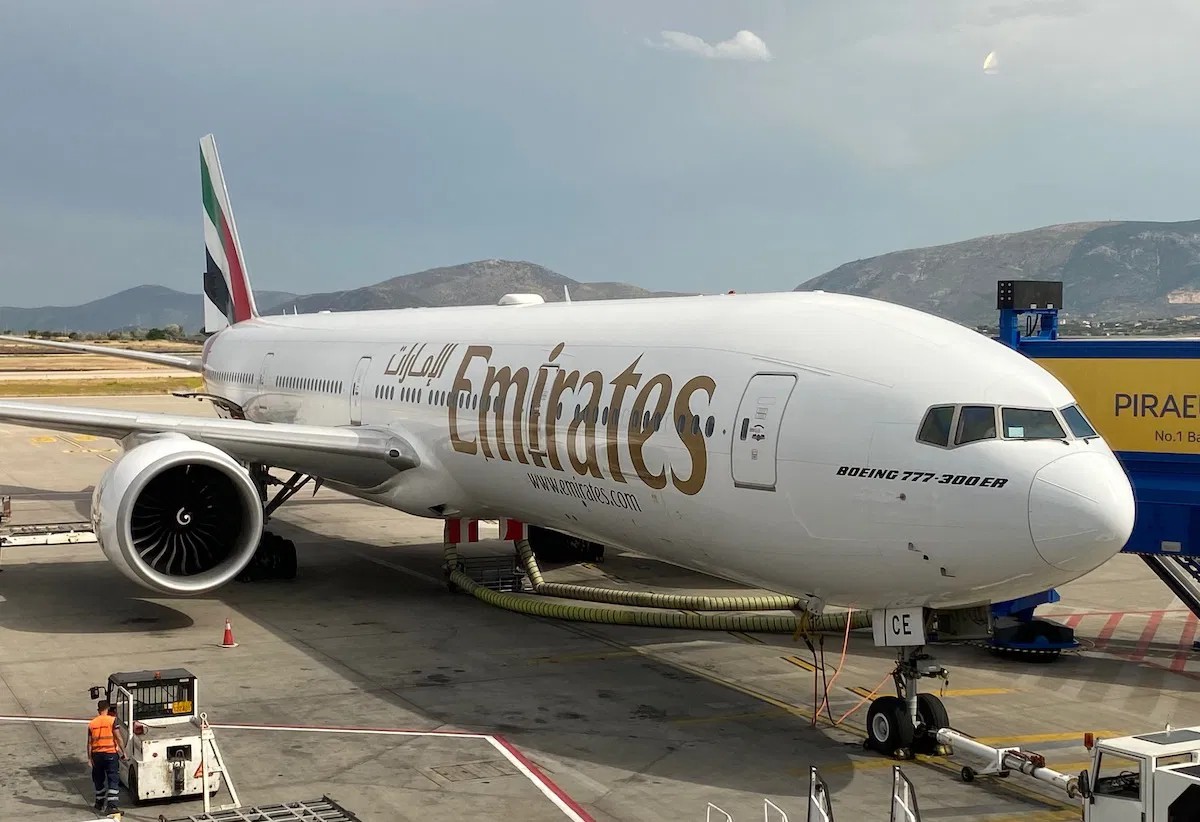
An Emirates passenger traveling with his family to Dubai has found himself indefinitely stranded after the airline enforced a ban that dates back several years. The situation, which escalated as international flight options dwindled amid recent geopolitical tensions, highlights a clash between airline policy and evolving global circumstances.
The Timeline of Events
The traveler, a UK resident, booked Emirates flights for a family vacation. Just 24 hours before departure, the airline canceled his booking, informing him he was permanently banned from flying with them. Despite securing alternative travel to Dubai on another carrier in mid-February, the passenger now faces a critical problem: with many European airlines suspending flights to the region, he’s trapped with limited departure options.
His appeals to Emirates for a temporary waiver have been denied, with the airline stating it “cannot accept [his] travel” and offering a standard apology. The situation underscores a growing dilemma for travelers as airlines increasingly rely on rigid enforcement of existing bans, regardless of changing external factors.
The Root of the Ban
The passenger claims the ban stems from two unrelated incidents years prior. First, he unknowingly interacted with a phishing website mimicking Emirates, entering personal details before realizing it was a scam. Second, he filed a “Best Price” claim with Emirates, submitting a screenshot from Expedia showing a lower fare, which the airline later alleged was manipulated.
While the airline has the right to refuse transport, the timing of the enforcement—years after the alleged offenses and after the passenger had already booked travel—raises questions about the proportionality of the response. The airline’s delayed notification of the ban also leaves the passenger in a uniquely frustrating situation.
A Growing Crisis in Dubai
The traveler’s predicament is further complicated by the current geopolitical climate. While Dubai itself is not directly under fire, recent missile strikes have rattled the region, prompting many tourists to flee. The passenger now faces the prospect of finding alternative, inconvenient routes home—such as overland travel to Muscat—or remaining stranded with limited options.
The incident serves as a reminder that airline policies, while legally enforceable, may not always align with real-world emergencies. The airline’s rigid stance, despite the traveler’s desperate situation, reflects the bureaucratic inflexibility common among large corporations.
Airlines should consider making one-time exceptions in extraordinary circumstances, but given the complexity of corporate decision-making, such concessions are unlikely.
The passenger is left in a no-win situation, highlighting the need for airlines to balance security protocols with reasonable flexibility when faced with unforeseen crises.