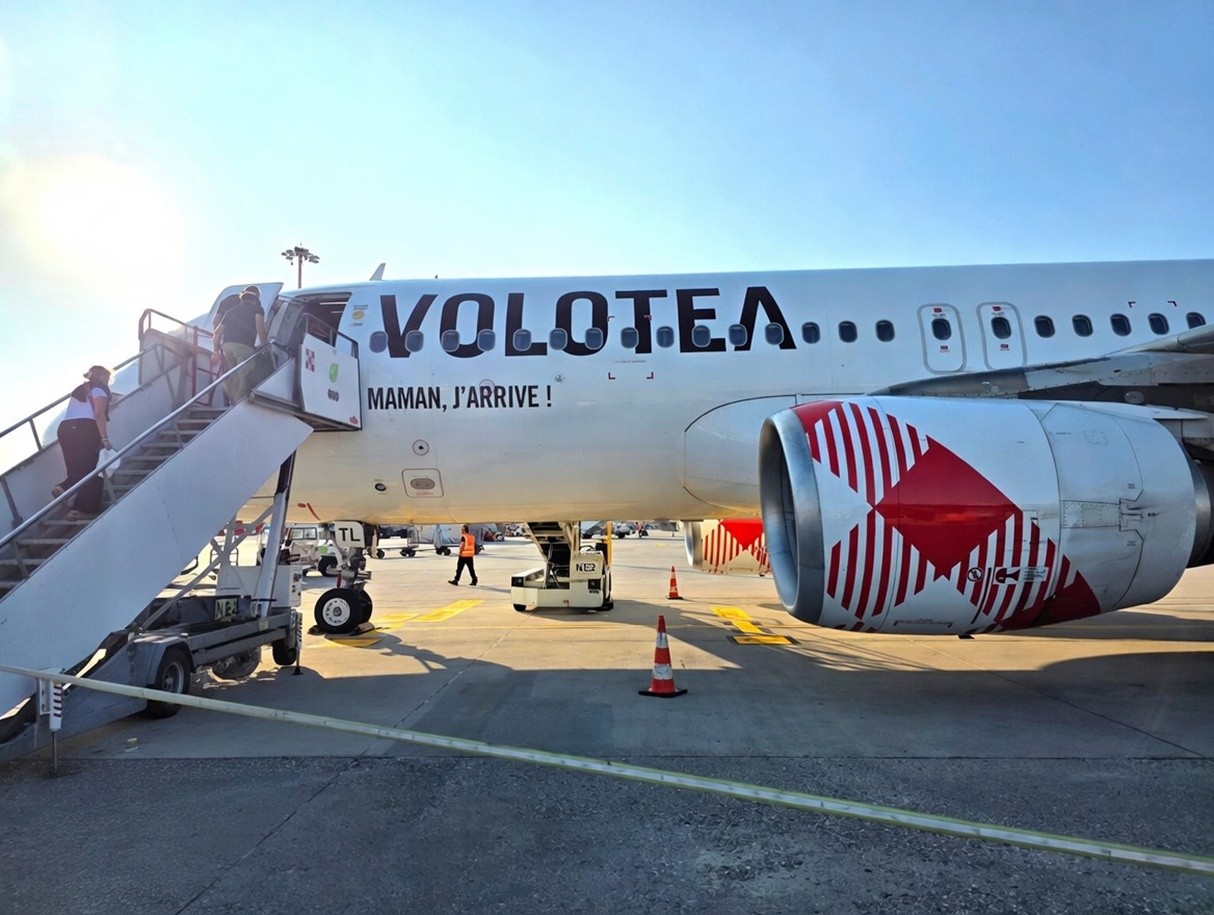
In a move that deviates sharply from standard aviation industry practices, the European low-cost carrier Volotea is attempting to implement a post-purchase fuel surcharge. The airline has notified passengers that they may be required to pay an additional fee—recently cited as €7—to cover rising jet fuel costs. Most critically, the airline has indicated that passengers who refuse to pay this extra charge may be denied boarding.
While airlines frequently adjust prices for future bookings, Volotea’s approach targets customers who have already purchased their tickets and received confirmation of a final price.
A Departure from Industry Norms
To understand why this is controversial, one must look at how other major carriers handle cost fluctuations. It is common for airlines to pass on changes in government-imposed taxes or airport fees to the consumer. For example:
- Ryanair, easyJet, and Wizz Air all have clauses in their terms allowing for the collection of increased taxes or government fees between the time of booking and the date of travel.
- In these cases, the cost is a third-party levy—a fee imposed by an external authority that the airline does not control.
Fuel, however, is different. Fuel is a primary operational cost that airlines manage internally. While airlines can adjust fares for new customers or use “hedging” (buying fuel in advance to lock in prices) to manage volatility, they traditionally bear the risk of price fluctuations. Volotea is attempting to shift this operational risk directly onto the passenger after a contract has already been finalized.
The Legal Gray Area: Is it Lawful?
The legality of this move is currently a subject of intense debate, particularly regarding European consumer protection and transparency.
1. The “Reciprocity” Argument
Volotea’s defense rests on its “Contract of Carriage,” which allows for adjustments due to “extraordinary” fuel price variations. A Spanish Supreme Court ruling last year upheld a similar clause for airport tax changes, arguing that because the change was based on an objective external fact and was “reciprocal” (meaning prices could theoretically go down as well as up), it was not abusive.
2. The Transparency Problem
The “reciprocity” argument falters when applied to fuel. Unlike a fixed airport tax, there is no clear, transparent methodology explaining how much oil per barrel triggers a price hike, or how that cost is distributed per passenger. Furthermore, there is little evidence that airlines actually issue refunds to passengers when fuel prices drop.
3. Potential Violations of EU Law
Under European Union passenger rights, published prices are expected to be all-inclusive of foreseeable charges. By adding a fee after the sale, Volotea may be violating:
* Price Transparency Rules: Passengers should not encounter “hidden” or unexpected charges after selecting a flight.
* French Consumer Law: In France, a fuel surcharge is considered part of the ticket price, not a tax; therefore, once the price is set at purchase, it generally cannot be revised later.
The Economic Logic: Risk Management vs. Consumer Burden
From a business perspective, Volotea is attempting to mitigate the volatility of the energy market. However, most industry experts argue that this is an inefficient way to manage risk.
In a standard commercial model, an airline manages variable costs through fuel hedging. By shifting the burden to the passenger, the airline is essentially asking the consumer to act as their financial hedge. For this to be considered a fair business practice, it would likely require:
* Absolute Transparency: Clear disclosure of the mathematical formula used to calculate the surcharge.
* A Right to Refund: If a price increases after purchase, the consumer should have the option to cancel the contract and receive a full refund.
“It is generally a business’s responsibility to deliver the product they’ve sold. If they want to avoid variable pricing risk, they can hedge. Shifting those risks onto the passenger is a fundamental shift in the relationship between airline and traveler.”
Conclusion
Volotea’s attempt to implement retroactive fuel surcharges represents a significant test of consumer rights in the aviation industry. If successful, it could set a precedent that allows airlines to bypass the stability of fixed-price contracts, fundamentally changing how travelers budget for air travel.