Kangaroo Island (KI), a 96 by 34.5-mile landmass off the coast of South Australia, offers unique wildlife encounters and stunning landscapes. Recent changes, including the aftermath of devastating wildfires and a surge in tourism, are reshaping the island’s character while its natural beauty remains a core draw for visitors.
Close Encounters with Island Wildlife
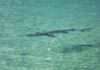
One of the most remarkable experiences on KI is the opportunity to swim with bottlenose dolphins. Operators like Kangaroo Island Marine Adventures now facilitate encounters with a resident pod of approximately 80 dolphins in the island’s northern waters. This interaction is not just a tourist activity; it highlights the island’s rich marine ecosystem and its potential for sustainable wildlife tourism. Beyond dolphins, the island’s coastline also hosts seals and diverse birdlife, including white-bellied sea eagles.
The Impact of Wildfires and Tourism Growth
The 2020 wildfires dealt a severe blow to KI, claiming two human lives and decimating animal populations. The fires burned through a significant portion of the island’s western end, raising concerns about long-term ecological recovery. Simultaneously, tourism on KI has increased dramatically. Annual visitor numbers have risen from 150,000 in 2001 to 274,000 in 2024, creating both economic opportunities and environmental pressures.
Navigating Change on the Island
Despite these changes, Kangaroo Island retains its appeal for those seeking adventure, local cuisine, and natural beauty. The island’s pristine beaches and unique wildlife continue to attract visitors. The challenge lies in balancing tourism growth with conservation efforts to ensure the long-term sustainability of this Australian treasure. The island is adapting: a shift from a relatively unknown destination to a place with growing infrastructure while retaining its rugged charm.
Kangaroo Island exemplifies the complex interplay between wildlife, disaster recovery, and the demands of a growing tourism sector. It is a place where unforgettable experiences coexist with the urgent need for responsible stewardship.