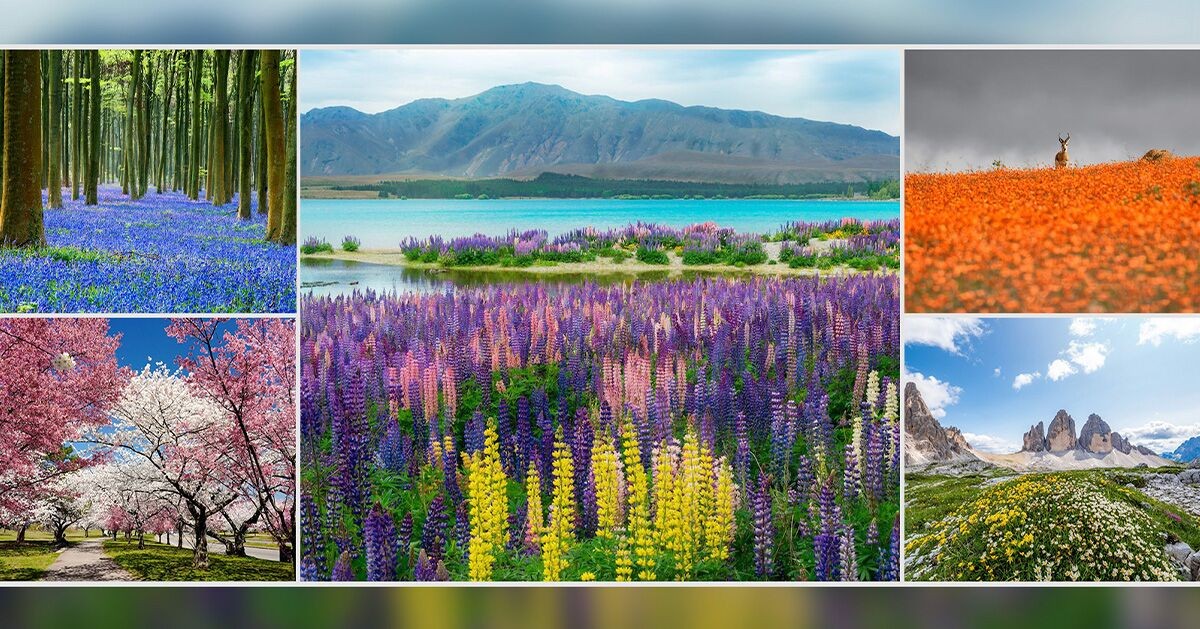
The world’s most vibrant wildflower displays are not random events—they are predictable, seasonal shifts that draw travelers and photographers alike. From the high alpine meadows of Europe to the arid deserts of Chile, these blooms offer a unique experience. Here’s a breakdown of the best locations, timing, and what makes them special.
Northern Hemisphere Highlights
Alpine Wildflowers in the Swiss Alps and Dolomites: Every summer, as snow melts, meadows across Switzerland and Italy’s Dolomites explode with color. Edelweiss, gentians, and globe flowers bloom from mid-June into August, depending on altitude. The accessible trail networks and mountain huts make this a surprisingly easy spectacle to witness.
Bluebonnets in Texas’s Hill Country: Central Texas turns purple each spring as bluebonnets blanket roadsides and ranchlands. The intensity varies with rainfall; strong seasons mean fields stretching for miles. Ennis, Texas, maintains designated “bluebonnet trails,” but timing is crucial—check local reports before traveling.
Cherry Blossoms Across the US: From Washington, D.C., to Seattle, cherry blossoms signal the start of spring. Peak bloom lasts only one to two weeks, shifting with temperature. Many cities now track blossom progress to help visitors plan around peak color.
Crested Butte, Colorado’s Wildflower Capital: High meadows erupt with lupine, Indian paintbrush, and sunflowers in July and August. The town’s annual Wildflower Festival offers guided hikes and workshops, but the blooms are accessible without an event.
English Bluebells in the UK: Ancient woodlands across Britain carpet themselves in bluebells from mid-April to May. The Chilterns, Ashridge Estate, and Wakehurst are prime locations, but stick to trails to avoid damaging the delicate bulbs.
Himalayan Marigolds in Uttarakhand, India: The Valley of Flowers National Park sees a remarkable bloom between June and October during the monsoon season. Orange marigolds, blue poppies, and orchids transform the valley into one of India’s most striking seasonal landscapes. Permits and daylight access are required.
Mount Rainier Subalpine Meadows, Washington State: By late July, snowmelt reveals concentrated wildflower displays. Avalanche lilies, paintbrush, and lupine fill meadows at Paradise and Sunrise. Timing shifts with snowpack, but the bloom can be tracked uphill over several weeks.
Rhododendrons in Ireland: Late spring sees rhododendrons bloom across Ireland, though the most common species is invasive. Scenic drives over Vee Pass and areas around Kenmare offer views, but management efforts are underway to restore native woodland.
Southern Hemisphere Wonders
Atacama Desert Bloom, Chile: In rare years with sufficient rainfall, the driest desert on Earth briefly explodes with color. Pink pata de guanaco, violet añañuca, and yellow nolanas fill the Atacama Desert between September and November. Timing is unpredictable—monitor updates from local sources.
Lupins at Lake Tekapo, New Zealand: The shoreline of Lake Tekapo turns purple, pink, and blue with Russell lupins from mid-November to late December. While stunning, lupins are an invasive species, and local authorities are managing their spread.
Namaqualand Daisies, South Africa: From mid-August to September, Namaqualand National Park and surrounding areas burst with daisies after winter rains. The Skilpad section of the park offers particularly dense displays.
The timing and intensity of these blooms can vary each year, but the locations remain consistent. For the most reliable experience, check local updates before traveling. These are not just pretty sights—they are ecological events that draw visitors, researchers, and photographers from around the globe.