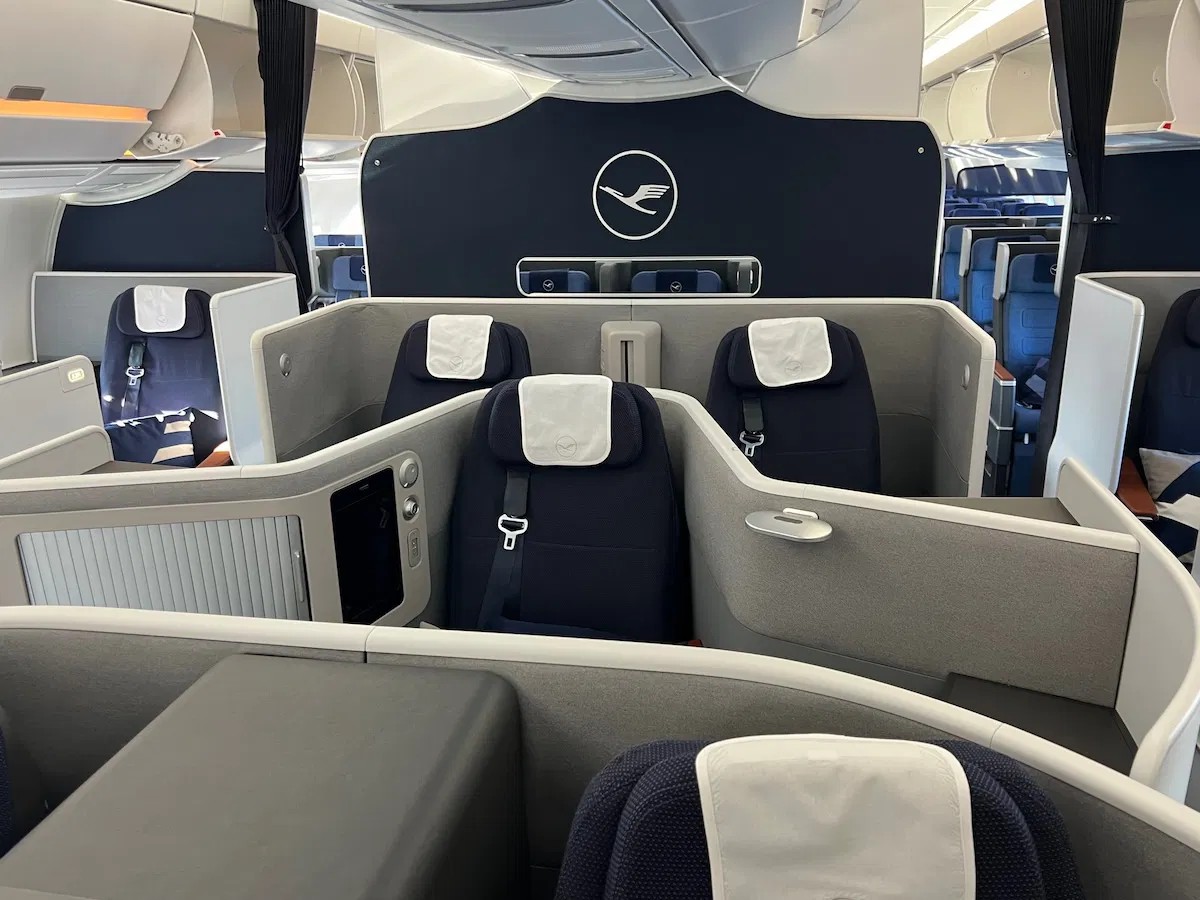
Lufthansa continues to grapple with significant delays in certifying its new Allegris business class seats on Boeing 787 Dreamliners, resulting in severely restricted capacity on several aircraft. While the airline has taken delivery of new 787-9s, only four business class seats per flight are currently available for sale, leaving the majority of the cabin blocked due to ongoing regulatory hurdles.
The Certification Bottleneck
Lufthansa’s rollout of the Allegris cabin has been fraught with complications. The initial issue stemmed from supply chain disruptions, followed by delays in certifying the new first class cabins on Airbus A350-900s. Now, the same problem has extended to the Boeing 787 fleet. The root cause lies in the fact that Lufthansa uses three different seating manufacturers for its Allegris business class, and each seat type requires individual certification for each aircraft model. As of now, only one of these seat types has been approved for use on the 787.
The situation is further complicated by Lufthansa’s cost-cutting measures during the pandemic, which led to reduced investment in cabin certification. CEO Carsten Spohr has acknowledged that the airline is still feeling the effects of these decisions today. Despite initial expectations for full certification by the end of 2025, Lufthansa is now projecting a May 1, 2026, timeline for the complete rollout of Allegris cabins on the 787 fleet. However, this date remains uncertain, and delays are still possible.
Operational Impact and Financial Considerations
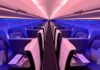
The limited availability of business class seats has forced Lufthansa to operate with reduced revenue potential on these flights. The airline is currently selling only the first row of business class suites, which have been certified, while the remaining seats remain blocked. This creates an unusual passenger experience, with ultra-exclusive business class cabins containing just four occupied seats.
Lufthansa’s decision to develop a complex in-house product rather than purchasing an off-the-shelf model has also come under scrutiny. While Spohr claims that Allegris seats generate up to 10% higher revenue, the certification delays and operational inefficiencies raise questions about the financial viability of this strategy.
The Broader Context
Lufthansa’s troubles with the Boeing 787 are part of a larger pattern of delays and complications plaguing the airline industry. The Boeing 777X delays forced Lufthansa to seek alternatives, leading to further issues with the A350 and now the 787. The airline’s aggressive pursuit of a high-end cabin experience has backfired, creating logistical and financial headaches that could have been avoided with a more conservative approach.
In conclusion, Lufthansa’s Allegris rollout remains a work in progress, and the Boeing 787 certification delays underscore the challenges of introducing highly customized aircraft interiors. The airline is betting that the long-term revenue benefits of Allegris will outweigh the short-term operational costs, but the current situation highlights the risks of pursuing innovation at the expense of reliability.