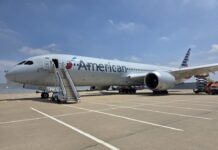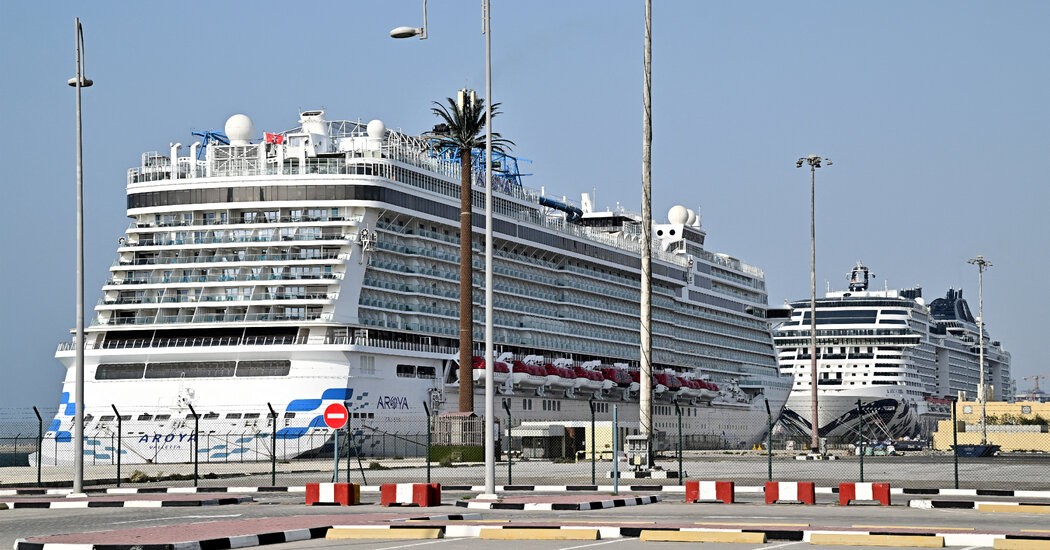
MSC Cruises is independently organizing flights to bring over 1,500 passengers home from Dubai, as thousands remain stranded in the Middle East due to regional instability. The company has chartered seven flights and secured commercial airline seats after the Strait of Hormuz was effectively closed to commercial shipping amid escalating conflict.
The Scale of the Crisis
Roughly 15,000 cruise passengers were left stranded across the Persian Gulf as of Friday, spread across at least six major cruise ships. The MSC Euribia, capable of holding over 6,300 people, is one of the largest vessels affected. Passengers report limited assistance from governments, with many left to arrange their own departures through frantic calls to airlines and embassies.
Why This Matters
The situation highlights the fragility of international travel during geopolitical crises. The closure of the Strait of Hormuz, a critical shipping lane, has trapped large numbers of tourists and citizens, exposing gaps in coordinated emergency response systems. This isn’t just about inconvenience; it’s about the potential for mass displacement and the challenges of protecting citizens abroad when major transit routes are blocked.
MSC’s Response
MSC’s decision to act independently demonstrates a willingness to fill a critical gap in evacuation efforts. By directly chartering flights and purchasing seats, the company bypasses bureaucratic delays and ensures passengers can return home. This sets a precedent for private sector involvement in crisis situations, though it also raises questions about the long-term role of corporations in humanitarian efforts.
The crisis underscores the need for better-coordinated international protocols for evacuating large groups of people during conflicts. The speed and efficiency of MSC’s response may prompt other cruise lines—and even governments—to rethink their approach to disaster preparedness.