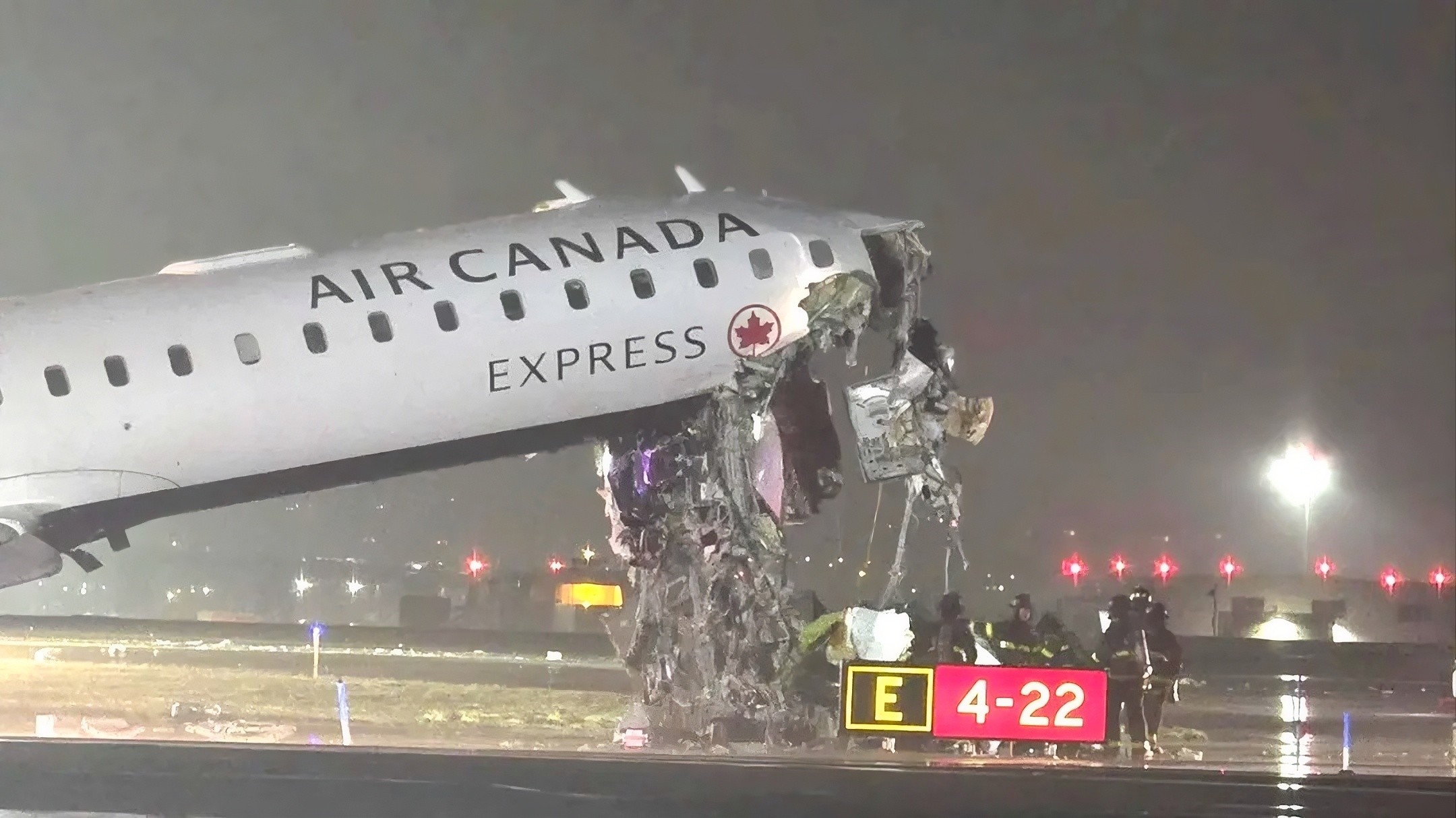
The fatal collision at LaGuardia Airport on January 12, 2024, between an Air Canada Express jet and a fire truck raises critical questions about airport safety protocols. Video footage of the incident clearly shows runway status lights illuminated red before the fire truck entered the active runway, a system designed to prevent precisely this type of accident.
The Role of Automated Safety Systems
Runway Status Lights (RSL), including Runway Entrance Lights (REL) used at LaGuardia, are autonomous safety measures. These lights function independently of air traffic control (ATC), detecting the presence of aircraft or vehicles on or approaching a runway. When activated, they display a red line across the crossing point, overriding any ATC clearance to prevent movement.
“Illumination of RSL lights takes precedence over ATC instructions…but both conditions must be satisfied. You must have permission to cross / takeoff & the lights must be extinguished.”
This system is designed to act as a final safeguard, especially in situations where ATC may not have full awareness of ground movements. The lights activate when a hazard is present, even if a vehicle or aircraft has received clearance to proceed.
Sequence of Events
The incident occurred when the Air Canada Express jet was landing on runway four while a fire truck was responding to a separate incident involving a United Airlines flight that had aborted takeoff due to mechanical issues. The United flight initially requested assistance with offloading passengers but was later assigned a gate, suggesting the emergency response was no longer critical at the time of the collision.
The crash resulted in the deaths of both pilots aboard the Air Canada jet. While the ATC controller on duty initially assumed responsibility, the video evidence now highlights a critical detail: the fire truck proceeded despite the clear visual warning from the runway lights.
Why This Matters
The LaGuardia crash underscores the importance of understanding and adhering to automated safety systems. Airports, including LaGuardia, have invested heavily in RSL technology to prevent runway incursions, a leading cause of aviation accidents. The incident raises questions about whether standard operating procedures adequately emphasize the absolute priority of RSL signals over verbal clearances.
Aviation safety relies on layered defenses. When automated safeguards are ignored, the entire system is compromised. Investigations will need to determine why the fire truck crew proceeded despite the illuminated lights and assess whether procedural improvements are needed to reinforce the primacy of these systems.
Moving Forward
The incident will trigger an extensive investigation, including a review of ATC communications, fire truck crew procedures, and the overall effectiveness of runway safety protocols. Aviation history demonstrates that lessons learned from accidents are vital to preventing future tragedies. Continuous improvement through analysis and adaptation remains the cornerstone of air travel safety.