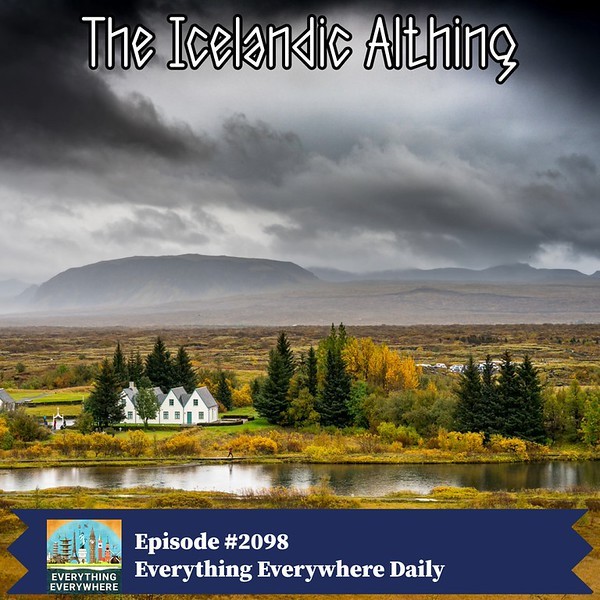
For over a millennium, Iceland’s Althing has stood as one of the world’s oldest and most enduring legislative bodies. Its history isn’t just a timeline of parliamentary procedure; it’s a reflection of Iceland’s struggle for autonomy, its adaptation to shifting political tides, and its unique blend of Viking tradition and modern governance.
The Viking Roots of Icelandic Law
The story begins in the 9th century, as Norse settlers fleeing the centralization of power under King Harald Fairhair of Norway sought refuge in Iceland. These chieftains weren’t looking just for land; they wanted to preserve a decentralized system where free men could gather, debate, and govern themselves – a “thing” in their language. This assembly, the Althing, was founded around 930 AD at Þingvellir, a geographically neutral site between settlements, ensuring no single leader could dominate.
The Althing functioned as a blend of democracy and tradition. Any free man could participate, bringing grievances before a council of elected leaders. The Lawspeaker, a central figure, memorized and recited the law, while the lögrétta – a council of 39 district chieftains – debated and legislated. This wasn’t just about lawmaking; it was about maintaining a fragile balance of power in a society built on independence.
From Independence to Submission: The Shifting Sands of Sovereignty
For centuries, the Althing thrived, adapting to Iceland’s evolving needs. However, external pressures and internal strife eventually eroded its authority. In 1262, Iceland yielded sovereignty to Norway, marking a turning point. The Althing shifted from a lawmaking body to a court of appeals, its power diminished under the Norwegian crown.
The 13th-century civil wars further fractured Iceland’s political landscape. Clan violence spilled into the Althing itself, turning the sacred assembly into a battleground. By the 1220s, chieftains arrived armed, shattering the tradition of peaceful deliberation. The Sturlungar clan, locked in a brutal power struggle, accelerated the Althing’s decline.
To restore order, Iceland submitted fully to Norwegian rule in 1262. The Althing continued, but its authority was severely limited. Later, under Danish control, it served as a mere advisory body, with real power held by the colonial administration in Copenhagen.
Revival and Modernization: The Althing’s Long Road Back
Despite centuries of subjugation, the spirit of the Althing persisted. In 1845, it was revived, albeit as a consultative body with little real authority. But this marked a turning point. As Icelandic nationalism surged in the 19th and 20th centuries, the Althing gradually regained its power.
Home rule was granted in 1904, followed by full sovereignty in 1944 when Iceland became a republic. Today, the Althing is a unicameral parliament with 63 members, elected through proportional representation. It represents a remarkable continuity – from a windswept gathering of Viking chieftains to a modern legislative body at the heart of an independent nation.
The Icelandic Althing’s story is a testament to resilience. It demonstrates how institutions can endure through conquest, subjugation, and cultural shifts. The Althing didn’t just survive; it adapted, becoming a symbol of Icelandic identity and a living link to the nation’s Viking past.