A recent incident at Southwest Florida International Airport (RSW) reveals a rare glimpse into the internal deliberations of United Airlines staff regarding the removal of a passenger. On June 30, 2025, police were called to a departing flight after reports of an allegedly intoxicated passenger causing a disturbance. What makes this situation unique is the apparent disagreement between crew members about whether the passenger’s removal was justified.
The Initial Report and Crew Concerns
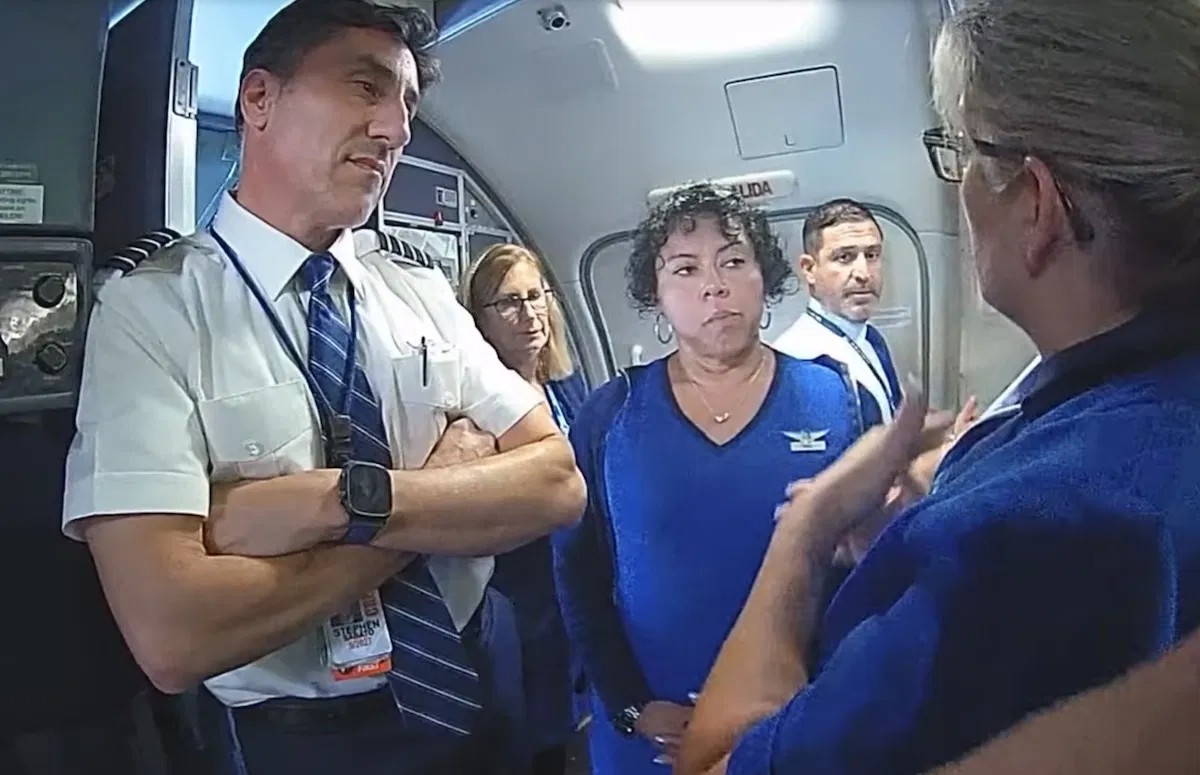
The flight attendant reported that the passenger, seated in 24F, was stumbling, slurring her words, and exhibiting aggressive behavior when questioned about her condition. Based on these observations, the crew, including the captain, decided they wanted the woman removed from the aircraft. However, this decision was not unanimous.
A Gate Agent’s Dissent
As police arrived, a gate agent intervened, challenging the flight attendant’s assessment. The agent stated she had not observed the passenger stumbling, detected no signs of intoxication, and believed the woman appeared perfectly sober. This surprising dissent raised questions about the accuracy of the initial observations and whether the passenger’s behavior was truly disruptive or simply misinterpreted.
Escalation and Removal
Despite the disagreement, the passenger was instructed to leave the plane. She initially refused, arguing that the removal was unjustified, but ultimately complied to avoid a full deplaning. The situation escalated further when the woman became confrontational in the jet bridge and urinated through her pants while being handcuffed.
United’s New Policy and “Red Light Behaviors”
This incident occurred shortly after United implemented a new “huddle process” for handling intoxicated passengers. The policy requires crew members to convene with flight operations and airport staff if two independent observers identify “red light behaviors,” such as slurred speech, stumbling, or irrational statements.
Questions Remain
The discrepancy between the flight attendant’s and gate agent’s perceptions raises important questions about consistency in employee evaluations and the potential for subjective biases in passenger assessments. While the exact circumstances surrounding the woman’s behavior remain unclear, this case highlights the need for standardized protocols and thorough documentation in handling disruptive passengers.
Ultimately, the incident underscores that even with formalized policies, human judgment plays a significant role in enforcement, and disagreements can arise when interpretations of behavior differ.